

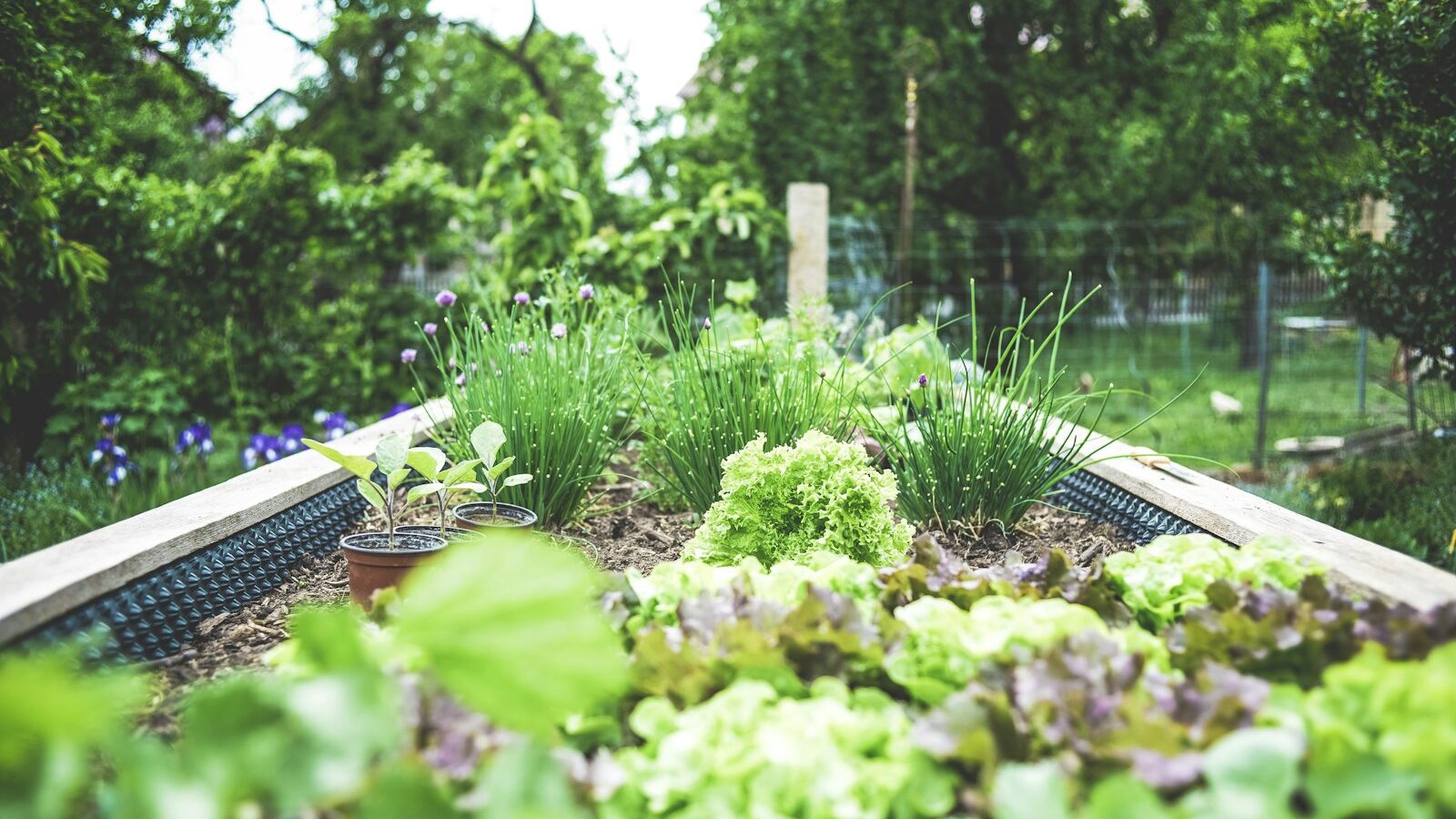
Starting a vegetable garden is one of the most rewarding things you can do, and you do not need a green thumb or a big backyard to begin. With a sunny spot, a little good soil, and a handful of easy crops, you can be harvesting fresh food within a single season. This beginner’s guide walks you through every step, from choosing where to plant to mapping out your very first year.
Key takeaways
- Pick a spot with 6+ hours of sun
- Start small to avoid overwhelm
- Know your frost dates & zone
- Good soil/compost is everything
- Begin with easy crops (tomatoes, lettuce, beans)
Choose a sunny spot
Sunlight is the single most important factor in a productive vegetable garden. Most vegetables, especially fruiting crops like tomatoes, peppers, and squash, need at least six to eight hours of direct sun each day. Before you commit to a location, spend a day watching how the sun moves across your yard, balcony, or patio. A spot that looks bright in the morning may sit in shade by afternoon.
When you compare possible locations, keep these things in mind:
- Sun first: Aim for the brightest, most open area you have. Six hours is the minimum; more is better.
- Water access: Pick somewhere close to a hose or tap so watering does not become a chore you skip.
- Level ground: A flat area drains evenly and is easier to plant and tend.
- Shelter: Some protection from harsh wind helps young plants establish.
- Visibility: A garden you walk past every day is a garden you will actually look after.
If your only sunny space is a balcony or a paved patio, do not worry. Plenty of vegetables thrive in pots, and you can find more ideas in our urban gardening guide.
In-ground, raised beds, or containers?
There is no single “right” way to grow vegetables. The best choice depends on your space, your soil, and how much you want to spend up front. Here is how the three common approaches compare.
In-ground beds
Planting directly in the ground is the cheapest way to start and works well if you already have decent soil. You simply clear an area, loosen and improve the soil, and plant. The downside is that poor, compacted, or rocky native soil can be hard to fix, and you will be bending down to garden.
Raised beds
Raised beds are framed boxes filled with quality soil. They drain well, warm up faster in spring, are easier on your back, and let you sidestep bad native soil entirely. They cost more to build and fill, but many beginners find them the easiest path to success. If you want to go this route, see our step-by-step on how to build a raised garden bed.
Containers
Pots, grow bags, and window boxes are perfect for small spaces, renters, and anyone who wants to start with very little commitment. Containers dry out faster, so they need more frequent watering, but they are flexible and forgiving. For inspiration on what grows well in pots, check out the best vegetables to grow in containers.
Start small
The most common beginner mistake is planting too much, too soon. A huge garden means more weeding, more watering, and more chances to feel overwhelmed and give up by midsummer. It is far better to succeed with a small plot than to struggle with a large one.
- For an in-ground or raised bed, start with something around 4 feet by 4 feet, or a single 4-by-8 bed.
- For containers, begin with three to five pots of crops you genuinely like to eat.
- Grow what you will actually use. There is no point in ten zucchini plants if no one in your house eats zucchini.
- You can always expand next year once you know the routine.
Think of your first year as a learning season. A small, well-tended garden teaches you more than a big, neglected one ever could.
Know your frost dates and zone
Timing is everything in gardening, and timing is local. Two numbers will guide nearly every planting decision you make: your growing zone and your frost dates.
- Your zone (such as a USDA Hardiness Zone in the US, or the equivalent climate zone elsewhere) tells you how cold your winters get and which plants can survive year to year.
- Your last spring frost date is the point after which it is generally safe to plant tender crops like tomatoes outdoors.
- Your first fall frost date marks the end of the growing season for warm-weather plants.
You can look up both quickly by searching your zip code or town on a frost-date calculator. Cool-season crops such as lettuce, peas, and spinach can go out a few weeks before the last frost, while warm-season crops like tomatoes, peppers, beans, and squash should wait until all danger of frost has passed and the soil has warmed.
Prep your soil and compost
Healthy plants start with healthy soil. Vegetables grow best in loose, well-draining soil that is rich in organic matter. Good soil holds moisture without staying soggy, feeds your plants steadily, and supports the living web of microbes and worms that keep a garden thriving.
To get your soil ready:
- Loosen it. Dig or fork the area to a depth of about a foot so roots can spread.
- Add compost. Mix in two to three inches of compost or well-rotted manure. This is the most valuable thing you can do for your garden.
- Check drainage. Water should soak in, not pool on the surface for hours.
- Consider a test. An inexpensive soil test reveals pH and nutrient levels so you know if anything is off.
Compost is the heart of an organic garden, and you can make your own from kitchen scraps and yard waste. If you are new to it, our guide to composting for beginners shows you exactly how to start.
Pick easy beginner crops
Set yourself up for an early win by choosing forgiving, fast-rewarding vegetables. These crops tolerate beginner mistakes and produce reliably in most climates.
- Tomatoes: The classic homegrown crop. Buy transplants, give them sun and support, and they reward you generously.
- Lettuce and salad greens: Fast, cool-season, and easy to grow from seed. You can harvest leaves again and again.
- Bush beans: Sow seeds directly, and they sprout quickly and crop heavily with little fuss.
- Radishes: Ready in as little as three to four weeks, perfect for impatient beginners and kids.
- Zucchini and summer squash: Almost too productive once established.
- Herbs: Basil, parsley, and chives are hard to kill and useful in the kitchen.
- Peppers: Best from transplants; they love warmth and sun.
- Cucumbers: Vigorous and rewarding, especially trained up a trellis.
Seeds vs. transplants
You can start most vegetables one of two ways: from seed or from a young plant (a transplant or “start”) bought at a nursery. Each has its place, and most beginners use a mix of both.
- Seeds are cheap and offer huge variety. They work best for fast, easy crops sown directly in the ground, such as beans, radishes, lettuce, peas, and carrots.
- Transplants save time and give you a head start. They are ideal for slow-to-mature, warmth-loving crops like tomatoes, peppers, and eggplant, which are tricky to start from seed without special setups.
For your first year, buy transplants for tomatoes and peppers, and sow seeds directly for beans, lettuce, and radishes. This combination keeps things simple while still letting you experience the magic of seeds sprouting.
Spacing, planting, watering, and mulch
Spacing and planting
Crowded plants compete for light, water, and nutrients, and they trap humidity that invites disease. Follow the spacing guidance on your seed packet or plant tag, even though tiny seedlings look lonely with so much room around them. They will fill in. Plant transplants at the same depth they were growing in their pots, water them in well, and firm the soil gently around the roots.
Watering
Consistent moisture is key, especially while plants are getting established. A few deep waterings each week encourage strong, deep roots far better than a quick daily sprinkle.
- Water in the morning so leaves dry during the day, reducing disease.
- Aim water at the soil and roots, not the foliage.
- Check containers daily in hot weather, as they dry out fast.
- Stick a finger an inch into the soil; if it is dry, it is time to water.
Mulching
A two- to three-inch layer of mulch, such as straw, shredded leaves, or grass clippings, is one of the easiest ways to make gardening simpler. Mulch locks in moisture so you water less, smothers weeds before they start, and keeps soil temperatures steady. Just keep it pulled back slightly from plant stems.
Basic pest control and your first-year plan
Keeping pests in check
Every garden gets a few uninvited guests, but you rarely need harsh chemicals to manage them. Start with simple, gentle methods and escalate only if needed.
- Inspect often. Catching problems early makes them easy to handle.
- Pick by hand. Removing larger pests like caterpillars and beetles is surprisingly effective.
- Spray off aphids with a firm jet of water from the hose.
- Invite helpers. Flowers such as marigolds attract ladybugs and other beneficial insects that eat pests.
- Use barriers like row covers or netting to keep insects and animals off vulnerable crops.
A simple first-year plan
Here is a season at a glance to keep you on track:
- Late winter: Look up your zone and frost dates, choose your spot, and decide on beds or containers.
- Early spring: Prep and improve your soil with compost. Sow cool-season seeds like lettuce and peas a few weeks before your last frost.
- After last frost: Plant warm-season transplants (tomatoes, peppers) and sow beans, squash, and cucumbers.
- Late spring: Mulch everything, set up your watering routine, and add supports for tall plants.
- Summer: Water consistently, watch for pests, and harvest often to keep plants producing.
- Fall: Harvest the last crops before frost, clear spent plants, and add compost to rest the soil for next year.
Remember that every gardener, no matter how experienced, loses a plant or two each season. Treat setbacks as lessons, celebrate your harvests, and you will be hooked for life. Welcome to the wonderful world of growing your own food.
Frequently asked questions
How much space do I need to start a vegetable garden?
Far less than you might think. A single 4-by-4-foot bed, or even a few large containers on a sunny balcony, is plenty for a first-year garden. Starting small makes the whole experience more manageable and enjoyable, and you can always expand later.
What are the easiest vegetables for a complete beginner?
Lettuce, bush beans, radishes, zucchini, and herbs like basil are very forgiving and grow quickly. Tomatoes and peppers are also beginner favorites, especially when you start them from nursery transplants rather than seeds.
How often should I water my vegetable garden?
Most gardens do well with a couple of deep waterings each week rather than a little every day, though hot weather and containers call for more. Check the soil an inch down; if it feels dry, it is time to water. Mornings are the best time to do it.
Should I start with seeds or buy plants?
Both. Sow quick, easy crops like beans, lettuce, and radishes directly from seed, and buy transplants for slow, warmth-loving crops like tomatoes and peppers. This mix gives you the best chance of success in your first season.
Do I need to add compost if I have decent soil?
Yes, compost is worth adding almost everywhere. It improves soil structure, feeds your plants, and supports healthy soil life. Mixing a few inches of compost into your beds each year is one of the simplest and most effective things you can do for a productive garden.