

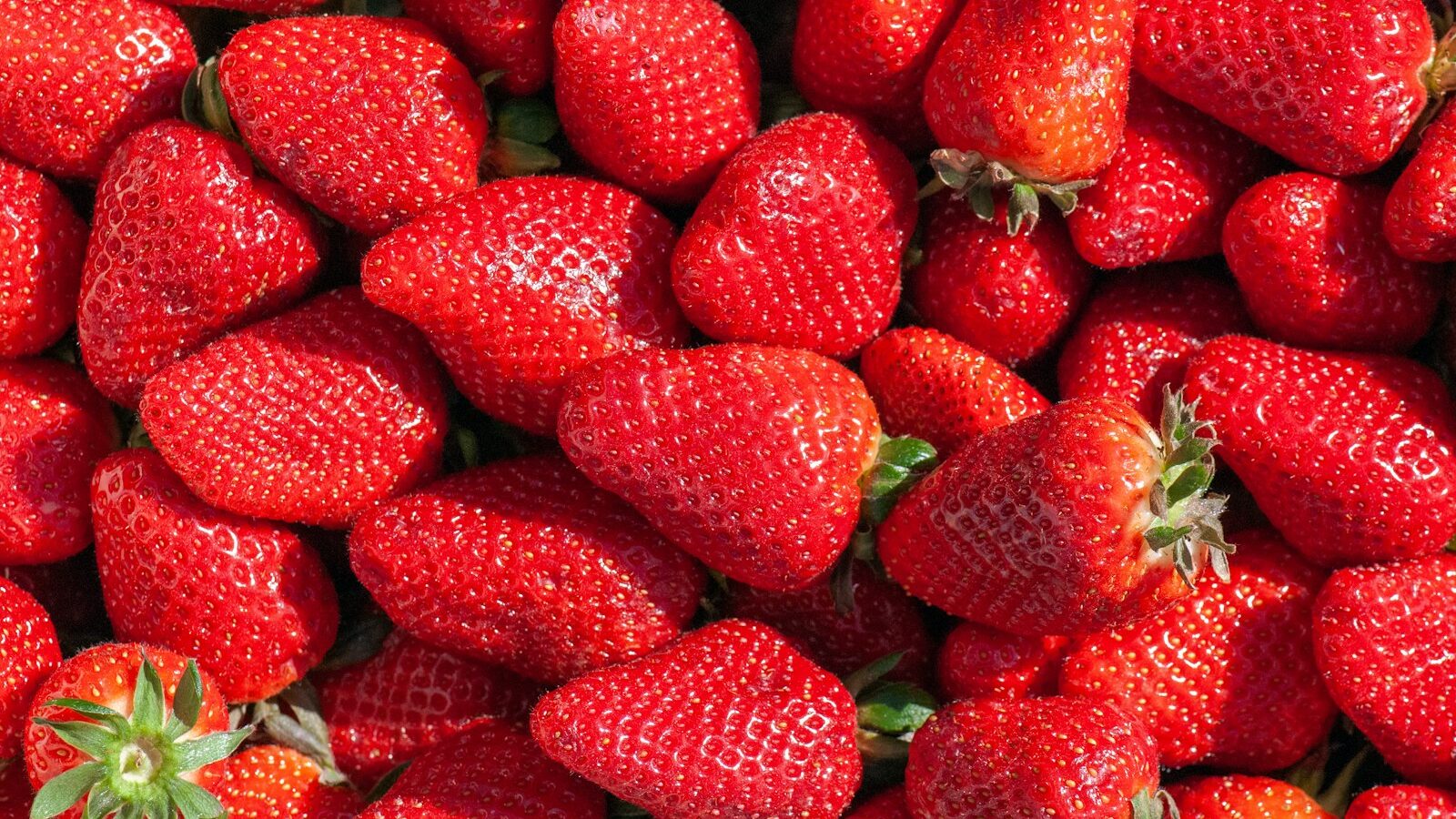
Few garden crops reward beginners as quickly as strawberries. A handful of crowns tucked into a bed, a pot on the patio, or a stacked tower can deliver bowls of sun-warmed berries that taste nothing like the firm, hollow ones at the store. This guide walks you through choosing the right type, planting bare-root crowns at the correct depth, and growing strawberries successfully in the ground, in raised beds, and in containers, towers, and hanging baskets.
Part of our Vegetable Gardening & Raised Beds guide →
In this guide
- Choose the right type: June-bearing, everbearing, or day-neutral
- Sun, soil, and planting crowns at the right depth
- Beds vs. raised beds vs. containers, towers, and baskets
- Watering, feeding, and mulching
- Runners, pollination, and protecting your fruit
- Renovating beds and winter care
- Frequently asked questions
Strawberry quick facts
- Sun: 6-8 hrs
- Plant crowns level with the soil (not buried)
- June-bearing for big single harvest; everbearing for steady fruit
- Mulch with straw; keep fruit off soil
- Great in pots, towers & hanging baskets
As an Amazon Associate we earn from qualifying purchases.
Choose the right type: June-bearing, everbearing, or day-neutral
The single most important decision is which class of strawberry to grow, because each one fruits on a different schedule and suits a different kind of gardener. All three are easy, but they behave differently across the season.
How the three types differ
- June-bearing (also called short-day): one big, concentrated harvest over roughly 2-3 weeks in late spring to early summer. Best for freezing, jam, and serious berry lovers. They throw lots of runners, so they suit beds where they can spread.
- Everbearing: two to three flushes of fruit, typically early summer and again in late summer or fall. A good middle ground and excellent in containers because they produce fewer runners.
- Day-neutral: the steadiest option, fruiting in waves from early summer until frost as long as temperatures stay below about 85°F (29°C). Few runners, compact plants, and ideal for pots, towers, and hanging baskets.
For a freezer full of berries at once, choose June-bearing. For fresh berries to graze on all season, choose day-neutral or everbearing. Many gardeners plant some of each. When you buy, you can compare named varieties and order dormant bare-root strawberry plants in late winter, or pick up potted starts at a nursery in spring.
Sun, soil, and planting crowns at the right depth
Strawberries want full sun and a free-draining, slightly acidic soil. Get the site and the planting depth right and the rest of the season is mostly maintenance.
Site and soil
- Light: 6-8 hours of direct sun. More sun means sweeter, more abundant fruit.
- Soil: rich, well-drained, with a pH around 5.5-6.8. Work in a few inches of compost before planting. Avoid soggy spots, which cause crown and root rot.
- Avoid: beds where tomatoes, peppers, potatoes, or eggplant grew recently, as they can share soilborne diseases like verticillium wilt.
Planting bare-root crowns
Bare-root crowns look like dead spiders when they arrive, but they wake up fast. Soak the roots in water for 20-30 minutes before planting. Dig a hole, make a small cone of soil in the bottom, and drape the roots evenly down the sides. The critical detail is depth: set the plant so the crown (the thick point where roots meet leaves) sits exactly level with the soil surface. Bury the crown and it rots; plant it too high and the roots dry out. Fan the roots downward, firm the soil, and water in well. Space plants about 12-18 inches apart with 2-3 feet between rows in the ground.
Beds vs. raised beds vs. containers, towers, and baskets
Strawberries are wonderfully adaptable, which is why they are a staple of small-space and balcony growing. Here is how the main methods compare.
In the ground
The traditional matted-row system gives June-bearing types room to spread via runners and produces the heaviest harvests. It needs the most space and benefits from a thick straw mulch to keep fruit clean. Refresh in-ground beds every 3-4 years as plants lose vigor.
Raised beds
Raised beds give you the drainage strawberries love plus easier weeding and harvesting. Fill with a 50/50 mix of quality topsoil and compost, and plant in a grid roughly 12 inches apart. Drainage is rarely a problem, so raised beds are forgiving in wet climates.
Containers, towers, and hanging baskets
- Pots: any container 8 inches or deeper with drainage holes works. Use a peat-free potting mix, not garden soil.
- Towers and strawberry planters: vertical pockets let you grow 15-30 plants in a single square foot of patio. Day-neutral and everbearing types shine here because they stay tidy. A purpose-built strawberry planter tower makes watering and picking easy.
- Hanging baskets: trailing varieties spill their fruit over the edge, keeping berries off the ground and away from slugs. Line baskets well, because they dry out fast.
Container strawberries follow the same logic as other patio edibles. If you are new to growing in pots, our container gardening for beginners guide covers mixes, drainage, and feeding, and the best vegetables to grow in containers roundup pairs nicely with a strawberry tower.
Watering, feeding, and mulching
Strawberries are shallow-rooted, so consistent moisture and steady feeding make the difference between small, sour berries and large, sweet ones.
Water and food
- Watering: aim for about 1-1.5 inches per week, more in heat. Water at the base to keep foliage dry and reduce fungal disease. Containers and towers may need daily watering in summer.
- Feeding: work a balanced granular fertilizer into the bed at planting, then switch to a high-potassium feed (such as a tomato fertilizer) every 1-2 weeks once flowering begins to boost fruiting. Ease off after the main harvest.
Mulch with straw
A 2-3 inch layer of clean straw tucked under the plants does triple duty: it keeps ripening fruit off wet soil (preventing rot), suppresses weeds, and locks in moisture. Straw is the classic choice and the reason the plant is called a “straw” berry. In containers, a layer of straw or fine bark over the surface works the same way.
Runners, pollination, and protecting your fruit
Once plants are established, a few simple habits keep them productive and protect the berries you have worked for.
Managing runners
Runners are the long horizontal stems that produce baby plantlets. For maximum fruit, snip most runners off so the plant puts energy into berries. To propagate free plants, pin a few runners into small pots of soil; once they root, cut them from the parent and you have new crowns for next year. In hanging baskets, you can let runners trail for a fuller, cascading look.
Pollination
Each strawberry flower must be fully pollinated to form a plump, even berry; partial pollination causes the small, lumpy, misshapen fruit gardeners often see. Bees do most of the work, so plant in a spot they can reach and avoid spraying insecticides on open flowers. For indoor or sheltered plants, dab the center of each flower with a soft brush every couple of days to pollinate by hand.
Birds and slugs
- Birds: they will strip a ripening crop overnight. Drape bird netting over hoops once fruit starts to color, keeping it off the plants so birds cannot peck through.
- Slugs and snails: they love soft berries. Mulching with straw, removing hiding spots, setting beer traps, or using organic slug pellets all help. Containers and hanging baskets naturally suffer less slug damage.
Renovating beds and winter care
Strawberry plants are perennials, but they decline after a few years. A little seasonal care keeps them cropping well and carries them safely through winter.
Renovating June-bearing beds
Right after the main harvest, renovate June-bearing beds: mow or shear the old foliage down to about an inch above the crowns (without cutting the crowns), thin crowded plants to roughly 6 inches apart, weed, top-dress with compost, and feed. This sparks fresh, healthy growth and stronger fruit the following year. Skip renovation for everbearing and day-neutral types, which are still fruiting.
Winter protection
- In the ground: after the first hard frosts, cover plants with 3-4 inches of loose straw to protect crowns from freeze-thaw heaving. Pull it back in early spring as growth resumes.
- Containers and towers: the roots are exposed on all sides and freeze easily. Move pots into an unheated garage or against a sheltered wall, or wrap them with fleece or bubble wrap. Keep soil barely moist, not bone-dry, over winter.
- Replace tired plants: after 3-4 years, dig up declining beds and start fresh with runners you rooted or new crowns.
Strawberries fit beautifully into a wider edible plot. For the bigger picture, see our urban gardening guide, and if you are planning companions, how to grow tomatoes covers another easy, high-value crop for beds and pots.
Frequently asked questions
How deep do I plant strawberry crowns?
Set each crown so the point where the roots meet the leaves sits exactly level with the soil surface. Burying the crown causes rot, while planting it too high dries out the roots. Spread the roots downward and firm the soil around them.
When will I get fruit after planting?
Everbearing and day-neutral types planted in spring usually fruit the same summer. June-bearing types are often pinched of flowers in their first year to build strong plants, then give a heavy harvest the following late spring.
How many strawberry plants do I need?
Plan on 6-10 plants per person for fresh eating, or 20-25 per person if you want extra for freezing and jam. A single tower or a few hanging baskets is plenty for casual snacking on a patio.
Why are my strawberries small and misshapen?
Lumpy, undersized berries are almost always a pollination problem. Encourage bees, avoid spraying open flowers, and hand-pollinate sheltered plants with a soft brush. Inconsistent watering and lack of potassium feed can also shrink fruit.
Can I grow strawberries indoors or on a balcony?
Yes. Day-neutral varieties in pots, towers, or hanging baskets do well on sunny balconies with 6+ hours of light. Indoors, place them at your brightest window or under a grow light and hand-pollinate the flowers to set fruit.