

Ginger is one of the most rewarding crops you can grow in a container, and you can start it for the price of a single rhizome from the produce aisle. It is a tropical perennial that wants warmth, humidity, rich soil, and patience, and it gives you 8 to 10 months later a clump of fragrant, knobby rhizomes far fresher and more pungent than anything wrapped in plastic. You do not need a greenhouse or a tropical climate. A sunny windowsill, a warm patio, or a spot under a grow light is enough, because ginger is grown almost entirely in pots in temperate regions where it can be moved indoors before the first cold snap. This guide walks you through choosing a seed rhizome, sprouting it, potting it correctly, and managing the long, slow growing season so you end up with fat, healthy rhizomes to harvest.
Key Takeaways
- Start with a plump, firm, organic rhizome that has visible “eyes” (growth buds); pre-sprout it on a warm windowsill before planting.
- Ginger needs a long season — 8 to 10 months of warmth above 68°F (20°C) — so start indoors in late winter (February–March) in cold zones.
- Plant shallow (1–2 inches deep) in a wide, shallow pot with rich, loose, well-draining soil; ginger grows outward, not down.
- Keep soil consistently moist but never waterlogged, give it bright indirect light to dappled sun, and high humidity.
- Harvest “baby” ginger at 4–5 months or wait 8–10 months for mature, fibrous rhizomes once the leaves yellow and die back.
Choosing and Preparing a Seed Rhizome
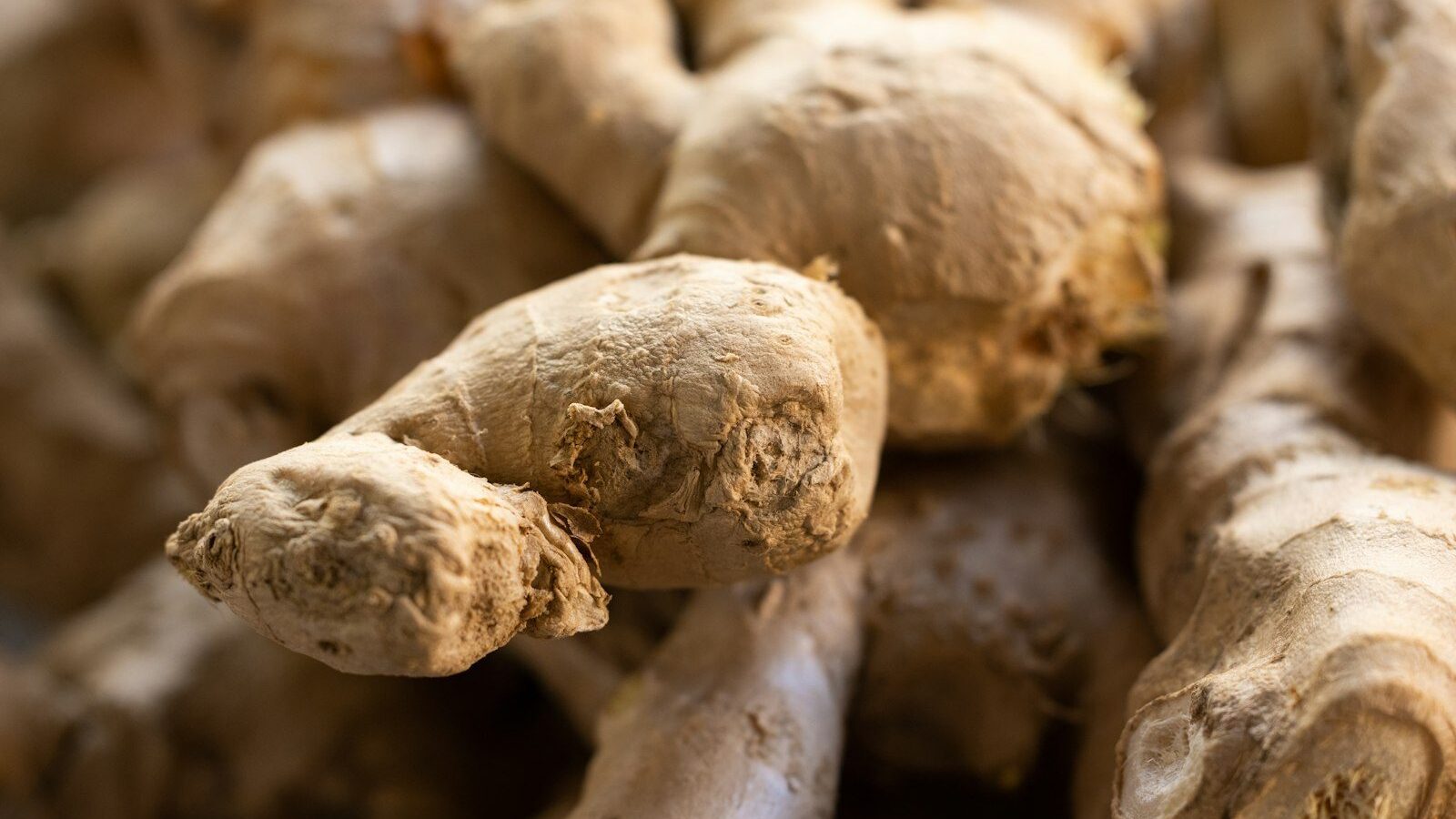
You grow ginger from a piece of rhizome, not from seed. The easiest source is a grocery store, but choose carefully. Look for a rhizome that is plump, firm, and heavy for its size, with smooth, taut skin and several visible growth buds — the small rounded nubs or “eyes” at the tips of the fingers, similar to the eyes on a seed potato. Avoid any rhizome that is shriveled, soft, moldy, or wrinkled, and skip pieces that look dried out. If you can find it, choose organic ginger. Much conventional ginger is treated with a growth inhibitor to extend shelf life, which can slow or prevent sprouting. An organic rhizome, or one bought from a farmers market or a specialty seed supplier, will sprout far more reliably.
Once you have a good rhizome, you can plant the whole thing or cut it into pieces. Each piece you plant should be 1.5 to 2 inches long and have at least one or two healthy eyes. If you cut the rhizome, let the cut surfaces dry and callus over for a day or two in a warm, airy spot before planting. This skinning-over step dramatically reduces the chance of the cut piece rotting in the soil. To wake up the buds and speed everything along, set the rhizome on a saucer in a warm room or soak it in lukewarm water overnight first; many growers see green tips emerge within one to two weeks of warm, moist pre-sprouting.
Timing It Right
Ginger has a long growing season — roughly 8 to 10 months from planting to a mature harvest — so timing matters. In cold-winter regions (USDA zones 7 and below), start your rhizome indoors in late winter, around February or March, so the plant has the entire warm season to bulk up before you bring it in. In warm climates (zones 9–11) you can plant outdoors in early spring once soil temperatures stay reliably above 60°F (16°C). Ginger grows actively only when temperatures stay above about 68°F (20°C); it stalls below that and is killed by frost, so plan to keep it warm throughout.
The Right Pot and Soil
Ginger rhizomes grow horizontally, spreading outward just below the soil surface rather than diving down, so a wide, shallow container suits it far better than a deep one. A pot 12 to 16 inches across and only 8 to 12 inches deep is ideal; a window box or a shallow grow bag also works well. Make sure the container has generous drainage holes. Ginger loves moisture but rots in standing water, so drainage is non-negotiable.
Fill the pot with a rich, loose, well-draining mix. A good blend is roughly two parts quality potting soil to one part compost, with a handful of perlite or coarse sand to keep it airy. The compost feeds the plant through its long season and helps hold the steady moisture ginger craves. Aim for a slightly acidic to neutral soil pH, around 5.5 to 6.5. If you are amending garden soil, lighten heavy clay with compost and grit so the rhizomes can expand freely; compacted soil produces small, deformed ginger.
How to Plant
Plant shallow. Lay the sprouted rhizome flat with the eyes or green shoots pointing up, and cover it with just 1 to 2 inches of soil. Burying ginger too deep is a common mistake that slows emergence. If you are planting multiple pieces in a wide container, space them about 6 to 8 inches apart to give each clump room to spread. Water the pot thoroughly after planting to settle the soil, then place it somewhere warm. Until shoots break the surface — which can take two to six weeks — keep the soil lightly moist, not soggy, since there are no roots yet to drink up excess water.
Light, Warmth, and Humidity
In its native understory habitat, ginger grows in dappled shade beneath taller plants, so it does not want harsh, all-day direct sun. Bright indirect light or two to five hours of gentle morning sun is ideal. Indoors, an east-facing window is excellent, or place the pot a foot or two back from a bright south window. Under a grow light, run it 12 to 14 hours a day. Too much intense afternoon sun scorches the leaves and dries the soil too fast; too little light produces weak, leggy growth and meager rhizomes, so aim for that bright-but-protected middle ground.
Warmth is the single biggest factor in success. Ginger thrives between 70°F and 85°F (21–29°C) and essentially stops growing below 50°F (10°C). Keep it away from cold drafts and air-conditioning vents. As a tropical plant, it also loves humidity. In dry indoor air, mist the foliage, set the pot on a tray of pebbles and water, or group it with other plants to raise local humidity. The lush, reed-like leaves are a good barometer: brown, crispy leaf tips usually mean the air is too dry or the soil dried out.
Watering and Feeding Through the Season
Once shoots are up and growing, ginger wants its soil kept consistently moist — think of a wrung-out sponge — but never waterlogged. Check the top inch of soil and water when it begins to feel dry, which in warm weather may be every few days. Reduce watering if the weather turns cool, because cold, wet soil invites rot. A layer of mulch or a top-dressing of compost helps hold moisture and slowly feeds the plant.
Ginger is a moderate feeder over a long period. Mix compost into the soil at planting, then feed every three to four weeks during active growth with a balanced liquid fertilizer or a fish-and-seaweed blend diluted to half strength. As rhizomes begin to swell and shoulder up near the surface — often midway through the season — “hill” them by adding an inch or two of fresh compost or soil over the exposed tops. This earthing-up protects the rhizomes from light and encourages a larger, tenderer harvest, much the way you hill potatoes. If you want to plan a fuller edible container setup around it, our notes on small-space growing in the Urban Gardening hub pair well with ginger.
Common Problems
Ginger is largely trouble-free, but a few issues crop up. Yellowing lower leaves early in the season often signal overwatering or poor drainage — let the soil dry slightly and check that water runs freely from the pot. Soft, foul-smelling rhizomes mean rot has set in from too much moisture; remove affected pieces and improve drainage. Indoors, watch for spider mites in dry air, which stipple and dull the leaves; raising humidity and rinsing the foliage usually keeps them in check. Late in the season, yellowing and dieback of the whole plant is normal — that is your harvest cue, not a problem.
Harvesting Your Ginger
You have two harvest windows. “Baby” or young ginger can be lifted around four to five months after planting, while the plant is still green and growing. Young ginger has thin, pale skin you do not need to peel, a milder flavor, and a tender, almost juicy texture — wonderful for pickling or grating fresh. To harvest a little without sacrificing the plant, gently dig at the edge of the clump, snap off a finger or two of rhizome, and re-cover the rest so it keeps growing.
For mature ginger with the familiar tan skin and strong, spicy punch, wait the full 8 to 10 months until the leaves yellow and begin to die back, signaling the plant is finished for the season. Stop watering for a week or two to let the rhizomes firm up, then tip the whole pot out and lift the entire clump. Shake off the soil, cut away the dried stems and fine roots, and rinse the rhizomes clean. Set aside a few firm, healthy pieces with good eyes to replant or to start a fresh batch — ginger keeps the cycle going indefinitely.
Store fresh ginger unpeeled in the refrigerator for a few weeks, or peel and freeze it whole to grate as needed; frozen ginger keeps for months and grates beautifully straight from the freezer. Once you have grown your own, you may want to keep a perpetual pot going on the windowsill. The same warm, container-friendly approach works for other tender crops — see our broader collection of plant and herb growing guides to expand your kitchen garden, and consider a simple small-space setup so a few productive pots can live happily on a balcony or windowsill year-round.
Frequently Asked Questions
Can I grow ginger from a grocery store rhizome?
Yes. Choose a plump, firm rhizome with visible eyes, ideally organic, since conventional ginger is sometimes treated with a sprout inhibitor. Pre-sprout it in a warm, moist spot until green tips appear, then plant it shallow.
How long does ginger take to grow?
Plan on 8 to 10 months for mature rhizomes. You can harvest tender “baby” ginger at around 4 to 5 months while the plant is still green, but full-flavored, thick-skinned ginger needs the whole season until the leaves die back.
Does ginger need full sun?
No. Ginger grows naturally in dappled shade and prefers bright indirect light or a few hours of gentle morning sun. Harsh all-day direct sun scorches the leaves and dries the soil too quickly.
How deep should I plant ginger?
Shallow — just 1 to 2 inches of soil over the rhizome, with the eyes facing up. Ginger spreads horizontally near the surface, so a wide, shallow pot suits it far better than a deep one.
Why are my ginger leaves turning yellow?
Early-season yellowing usually means overwatering or poor drainage, so let the soil dry slightly and ensure water drains freely. Late-season yellowing and dieback is normal and signals that the rhizomes are ready to harvest.