

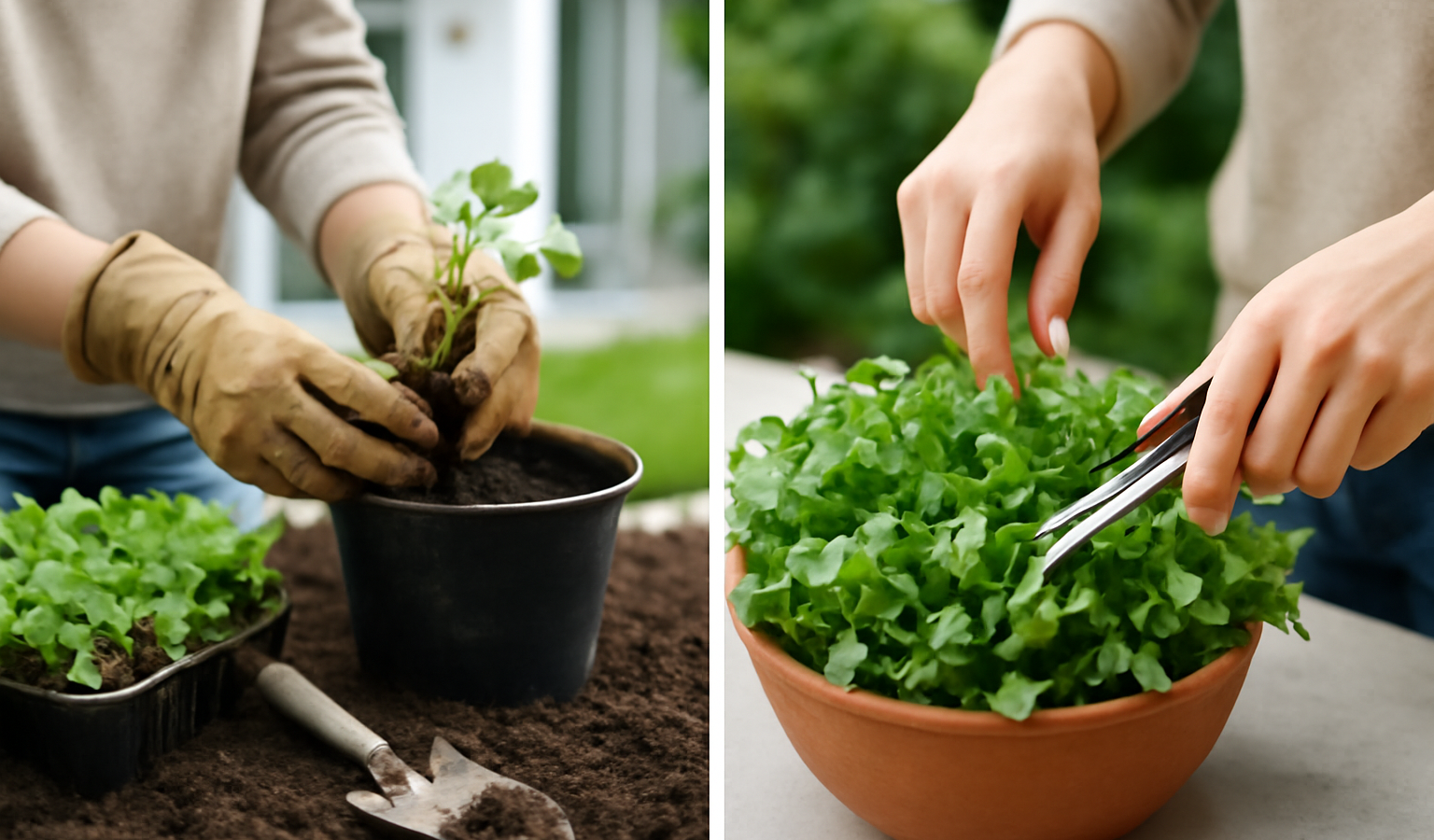
Mâche (Valerianella locusta), also called corn salad, lamb’s lettuce, or fetticus, is the salad green for gardeners who hate to see the season end. It is astonishingly cold-hardy—happily producing tender little rosettes of mild, nutty, buttery leaves through fall, winter, and early spring when almost nothing else is growing. In much of the country you can harvest it from under the snow. The flavor is delicate and sweet, nothing like the bitterness of many cool-season greens, and the small, spoon-shaped leaves come away in neat little clusters that need barely any preparation. Mâche is low, slow-growing, and undemanding; its only real quirk is that it wants cool soil to germinate and grows best in cold weather, so the trick is sowing it at the right time. This guide covers timing, sowing, spacing, watering, and harvesting this superb, frost-defying salad green.
Key Takeaways
- Extremely cold-hardy—survives hard frost and grows through fall, winter, and early spring.
- Sow in late summer through fall for harvest into winter; also sow in very early spring.
- Germinates best in cool soil (around 50 to 60°F); summer heat blocks germination.
- Space plants 4 to 6 inches apart; the rosettes stay small and low.
- Keep soil evenly moist, especially during germination, which can be slow.
- Harvest the whole rosette at the base, or pick outer leaves over time.
- Mild, nutty flavor—never bitter—and a light feeder needing little fuss.
Timing and Climate
Mâche is the ultimate cool-season crop. It germinates and grows in cold weather that stops most greens cold, tolerating temperatures down into the teens (and lower under cover or snow), which makes it the centerpiece of the winter salad garden. The flip side is that it hates heat: seed germinates poorly or not at all when the soil is warm, and the plants bolt quickly once it warms in late spring. So timing your sowing for cool conditions is everything.
The main planting window is late summer through fall. Sow from roughly six to eight weeks before your first frost and continue into early fall; the plants establish in cooling weather and yield through late fall and winter, standing in the garden in a near-dormant state during the coldest stretches and resuming growth in any mild spell. In zones 5 and milder, mâche reliably overwinters outdoors for late-winter and early-spring picking. You can also sow in very early spring, as soon as the soil can be worked, for a spring crop before the heat arrives. Where summers are mild and cool, even a shaded summer sowing is possible, but most gardeners treat it strictly as a cold-season green.
Soil and Sowing
Mâche is not fussy about soil but does best in moisture-retentive, reasonably fertile ground with a near-neutral pH. Because it is a small, shallow-rooted plant, a fine, weed-free seedbed makes a big difference—the seedlings are tiny and easily lost among weeds. Rake in a little compost before sowing for steady, modest fertility.
Sow seed shallowly, about a quarter-inch deep, directly in the garden where it is to grow; mâche resents transplanting, so direct sowing is best. Be patient—germination is naturally slow and can take one to two weeks, longer in cold soil, and is unreliable in warm soil, so a fall sowing into cooling ground works far better than a late-summer sowing into hot ground. Keep the seedbed consistently moist until the seedlings appear. Sow in rows or broadcast in a small block, then thin the seedlings to stand about 4 to 6 inches apart; the rosettes stay compact, so they do not need much room, and you can grow mâche quite intensively. For a steady supply, make several small sowings two to three weeks apart through the fall window.
Watering and Feeding
Even moisture is most important during germination and early growth—do not let the seedbed dry out, or the already slow, patchy germination gets worse. Once established, mâche is fairly tolerant and needs only enough water to keep the soil from drying out completely, which in cool fall and winter weather often means little or no supplemental watering beyond natural rainfall. Avoid waterlogging, which can rot the low rosettes.
Feeding needs are minimal. Mâche is a light feeder and a quick, modest grower; if the soil was amended with a little compost at sowing, it generally needs nothing more. Heavy fertilizing is unnecessary and can produce lush growth more prone to rot in cold, damp weather. This is one of the most genuinely low-input crops in the garden.
Harvesting Mâche
Mâche is slow-growing and usually ready to harvest roughly 50 to 70 days after sowing, though in cold winter weather it grows slowly and you simply pick it as the rosettes reach usable size. There are two ways to harvest. The traditional method is to cut or pull the entire rosette at the base once it is full-sized—the leaves naturally hold together in a little cluster, which is how mâche is sold and served. Alternatively, you can pick outer leaves from each plant and let the center keep producing, treating it as a cut-and-come-again green, though the whole-rosette harvest is cleaner and quicker.
Harvest in the cool part of the day for the crispest leaves, and rinse them well, as soil can lodge in the low rosettes. Mâche’s flavor is mild, sweet, and nutty—it never turns bitter the way many greens do, even after frost—so there is no blanching or special treatment required. It is excellent eaten on its own, dressed simply, or mixed into salads with other greens. Pick before the plants bolt in spring; once they send up flower stalks in warming weather, the leaves toughen and the harvest is over. For a contrasting cool-season green with more bite, pair your plantings with our guide to growing endive, and see the Plants & Flowers hub for more winter salad options.
Pests, Disease, and Troubleshooting
Mâche is one of the most trouble-free crops you can grow, largely because it grows in cold weather when most pests and diseases are dormant. The few issues that arise are minor:
- Poor germination: The single most common complaint, almost always from sowing into soil that is too warm or from letting the seedbed dry out. Sow into cool, consistently moist soil and be patient—germination is naturally slow.
- Bolting: Triggered by warming spring temperatures; harvest before flower stalks appear, and time sowings for cool weather.
- Slugs and snails: Can nibble the low rosettes in mild, damp spells; use traps or barriers and avoid overly wet conditions.
- Crown rot: Occurs in waterlogged soil; ensure decent drainage and do not overwater the low-growing plants.
- Downy mildew: Rare, appearing in crowded, wet conditions; thin to good spacing for airflow.
Season Extension and Winter Growing
Mâche barely needs season extension to survive winter, but a little protection greatly improves both quality and convenience. A row cover, cold frame, or unheated hoop tunnel keeps the leaves cleaner, protects them from the worst weather, and makes harvesting in cold months far more pleasant—you can lift a cover and pick fresh salad even with snow on the ground. Under such protection in mild and even cold-winter regions, mâche supplies fresh greens through the entire winter and into early spring, then bolts as the weather warms and the cycle begins again with a new fall sowing.
Because it self-sows readily, an unharvested patch left to flower will often scatter seed and produce volunteer seedlings the following fall, effectively perpetuating itself in a corner of the garden. For the gardener who wants fresh, mild salad in the dead of winter with almost no effort, mâche is hard to beat—sow it in cool soil, keep it moist while it germinates, and let the cold do the rest. To round out a productive cold-season bed, combine it with the broad, frost-sweetened leaves in our escarole guide.
Frequently Asked Questions
When should I plant mache?
The main window is late summer through fall, roughly six to eight weeks before your first frost and into early autumn, for harvest through fall and winter. You can also sow in very early spring before the heat arrives. Mâche germinates best in cool soil (around 50 to 60°F) and germinates poorly in warm soil, so avoid summer sowings unless your summers are cool.
Why won’t my mache seeds germinate?
Poor germination is almost always due to soil that is too warm or a seedbed that dried out. Mâche needs cool, consistently moist soil to sprout, and even then germination is naturally slow—one to two weeks or more. Sow into cooling fall soil rather than hot late-summer soil, keep the bed evenly moist, and be patient.
How cold-hardy is mache?
Extremely. Mâche survives hard frosts and temperatures well below freezing, growing through fall and winter and overwintering outdoors in zones 5 and milder. Under a row cover or cold frame it produces fresh salad greens all winter, even with snow on the ground, which is its greatest virtue as a crop.
How do you harvest mache?
Cut or pull the entire rosette at the base once it reaches usable size—the small leaves naturally stay together in a tidy cluster. Alternatively, pick outer leaves and let the center keep growing. Harvest in cool weather for the crispest leaves, rinse well since soil lodges in the low rosettes, and pick before the plants bolt in spring.
What does mache taste like?
Mâche has a mild, sweet, slightly nutty, buttery flavor and tender texture, with none of the bitterness common to many cool-season greens—even after frost. It needs no blanching or special preparation and is excellent on its own with a light dressing or mixed into salads with sharper greens for contrast.