

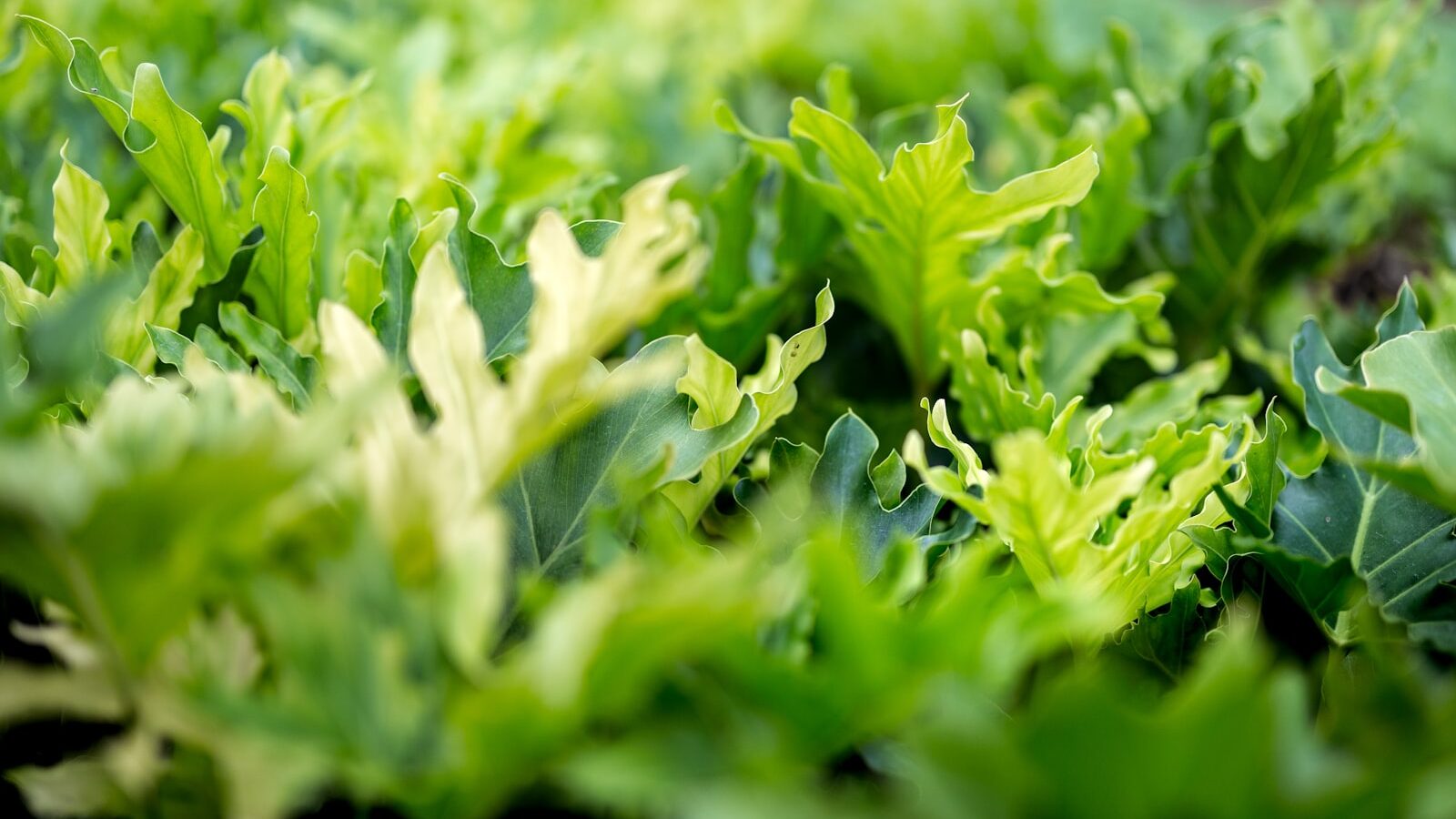
Endive (Cichorium endivia) is the slightly bitter, frilly cousin of lettuce that gives a salad backbone and bite. The curly-leaved type—often sold as frisée—forms a lacy, finely cut rosette, while its broad-leaved sibling is escarole. Both are cool-season leaf crops grown much like lettuce, but with one extra trick that separates a harsh, bitter head from a sweet, nutty, restaurant-quality one: blanching. By excluding light from the heart of the plant for a couple of weeks before harvest, you mellow the bitterness and turn the inner leaves pale and tender. Endive is fast, productive, and well suited to the cool ends of the season—spring and especially fall, when light frost actually sweetens it further. This guide covers timing, sowing, spacing, watering, the all-important blanching step, and harvesting curly endive at its best.
Key Takeaways
- A cool-season crop—grow it in spring and fall; heat makes it bolt and turn bitter.
- Direct sow or transplant; matures in roughly 80 to 100 days from seed.
- Space plants 8 to 12 inches apart in rows 12 to 18 inches apart.
- Blanch the heart for 2 to 3 weeks before harvest to reduce bitterness and tenderize leaves.
- Keep soil evenly moist; drought stress intensifies bitterness and triggers bolting.
- Light frost sweetens fall endive, so it is a standout autumn crop.
- Harvest the whole head once blanched, or pick outer leaves as a cut-and-come-again green.
Timing and Climate
Endive is at its best in cool weather, with ideal growing temperatures in the 60s°F. Hot weather makes it bolt (run to seed) and ramps up the bitterness, so timing your planting to mature during cool conditions is the single most important decision. In most regions that means two windows: an early-spring crop and—usually the better one—a late-summer-into-fall crop that matures as the weather cools.
For a spring crop, sow seed indoors four to six weeks before the last frost and transplant out as the soil warms, or direct-sow a few weeks before the last frost; aim to harvest before summer heat arrives. For a fall crop, sow in mid- to late summer so the plants mature in the cooling days of autumn. Fall endive is often sweeter and more reliable because it finishes in cool weather and even benefits from a light frost. In mild-winter regions (zones 8 and warmer), endive can be grown right through fall and winter.
Soil and Sowing
Endive wants the same conditions as lettuce: fertile, moisture-retentive, well-drained soil rich in organic matter, with a near-neutral pH around 6.0 to 6.8. Work in a couple of inches of compost before planting to feed the crop and help the soil hold moisture, which is critical for keeping the leaves mild and tender.
You can direct-sow seed about a quarter-inch deep, or start transplants indoors and set them out. Seed germinates in roughly 7 to 14 days. Sow thinly and thin (or transplant) seedlings so the mature plants stand 8 to 12 inches apart in rows 12 to 18 inches apart—generous spacing matters, because endive forms a wide rosette and good airflow helps prevent rot in the dense heart. For a steady supply, sow a small batch every two to three weeks rather than all at once.
Watering and Feeding
Consistent moisture is the key to good endive. The plants are shallow-rooted, and any drought stress shows up immediately as tougher, markedly more bitter leaves—and it encourages premature bolting. Provide about 1 to 1.5 inches of water a week, more in warm or windy weather, and aim to keep the soil evenly moist without waterlogging it. A 1- to 2-inch mulch of straw or shredded leaves helps conserve moisture, moderates soil temperature, and keeps soil from splashing into the rosette.
Endive is a moderately hungry leaf crop. If your soil was well amended with compost at planting, it may need nothing more; otherwise, a light side-dressing of balanced fertilizer or a feeding of dilute liquid fertilizer midway through growth keeps the leaves lush and fast-growing. Quick, unchecked growth produces the most tender, least bitter heads, so do not let the plants stall.
Blanching: The Step That Makes It Sweet
Blanching is what transforms endive from aggressively bitter to mild, sweet, and tender, and it is the step most home gardeners skip and then wonder why their endive tastes harsh. The idea is simple: exclude light from the inner leaves for the last two to three weeks before harvest. Deprived of light, those leaves stop producing the compounds responsible for bitterness, lose their green chlorophyll, and turn pale yellow or creamy white, becoming noticeably tender.
Begin blanching when the plant is nearly full size and the rosette is well developed. Make sure the leaves are completely dry first—blanching a wet head invites rot. The simplest method is to gather the outer leaves up over the heart and tie them together with soft twine or a rubber band, forming a closed bundle that shades the center. Alternatively, invert a flowerpot (cover the drainage hole), a bucket, or a plate over the plant to block light. Check periodically, and harvest within about two to three weeks—leaving a blanched head too long, especially in warm or wet conditions, leads to rot in the enclosed heart.
Harvesting and Storage
Endive is typically ready to harvest about 80 to 100 days from sowing, after its blanching period. Cut the whole head at the base with a sharp knife once the heart has blanched to a pale, tender center. Harvest in the cool of the morning when the leaves are crisp and well hydrated. If you prefer not to blanch and grow whole heads, you can also treat endive as a cut-and-come-again crop, picking individual outer leaves as you need them and letting the plant keep producing—those leaves will be more bitter but fine cooked or mixed into a salad.
Once cut, endive keeps for up to a week or so in the refrigerator, wrapped loosely in a damp towel or stored in a perforated bag in the crisper. Because fall endive is sweetened by cool weather and light frost, autumn heads often have the best flavor and the longest harvest window. For a closely related broad-leaved crop grown almost identically, see our guide to growing escarole, and browse the Plants & Flowers hub for more cool-season greens.
Pests, Disease, and Troubleshooting
Endive faces the same handful of issues as other leafy greens, most of them manageable with good spacing, even moisture, and well-timed planting:
- Bitter leaves: The most common complaint. Caused by heat, drought stress, or skipping blanching. Grow in cool weather, water consistently, and always blanch before harvest.
- Bolting: Premature flowering triggered by heat or long days. Plant for cool-season maturity, especially a fall crop, and avoid letting plants stall.
- Aphids: Cluster in the dense heart; blast off with water or use insecticidal soap, and check before blanching.
- Slugs and snails: Chew the leaves in damp weather; use traps, barriers, or bait, and keep mulch from staying soggy.
- Heart rot: Develops when a wet head is blanched or harvest is delayed; blanch only dry plants and harvest within the recommended window.
- Downy mildew and leaf spot: Fungal problems in crowded, wet conditions; improve spacing and airflow and water at the base.
Succession and Season Extension
Because endive grows fast and dislikes heat, succession sowing every two to three weeks during the cool windows gives you a continuous harvest rather than one glut. In fall, the season-ending crop is the most rewarding: as nights cool, the leaves sweeten, and a light frost actually improves the flavor. A row cover or cold frame can stretch the fall harvest well past the first frosts, and in mild climates endive will stand in the garden through much of winter. With attention to cool-season timing, steady moisture, and that final blanching step, endive delivers crisp, sweet, finely textured leaves that elevate any salad. For another quick, cold-hardy salad green to fill out the fall garden, see our guide to growing mâche.
Frequently Asked Questions
Why is my endive so bitter?
Bitterness comes from heat, drought stress, or skipping the blanching step. Endive is a cool-season crop, so grow it in spring or fall, keep the soil consistently moist, and blanch the heart by tying up the outer leaves or covering the plant for two to three weeks before harvest. Blanching is what turns harsh leaves sweet, pale, and tender.
How do you blanch endive?
When the plant is nearly full size and the leaves are completely dry, gather the outer leaves up over the heart and tie them together with twine, or invert a flowerpot or bucket over the plant to block light. Leave it covered for two to three weeks; the shaded inner leaves lose their bitterness and turn creamy and tender. Harvest within that window to avoid rot.
When should I plant endive?
Plant in spring for an early crop and in mid- to late summer for a fall crop. The fall planting is usually best because endive matures in cooling weather and a light frost sweetens it. Avoid summer maturity, since heat causes bolting and intense bitterness. Endive takes roughly 80 to 100 days from seed to harvest.
What is the difference between endive and escarole?
They are the same species (Cichorium endivia) in two forms. Curly endive (frisée) has narrow, frilly, finely cut leaves, while escarole has broad, smooth, slightly less bitter leaves. Both are grown identically and both benefit from blanching, though escarole’s milder leaves are often enjoyed with little or no blanching.
How far apart should I space endive?
Space plants 8 to 12 inches apart in rows 12 to 18 inches apart. Endive forms a wide rosette, so it needs that room to size up properly, and the spacing improves airflow through the dense leaves, which helps prevent rot and disease in the heart of the plant.