

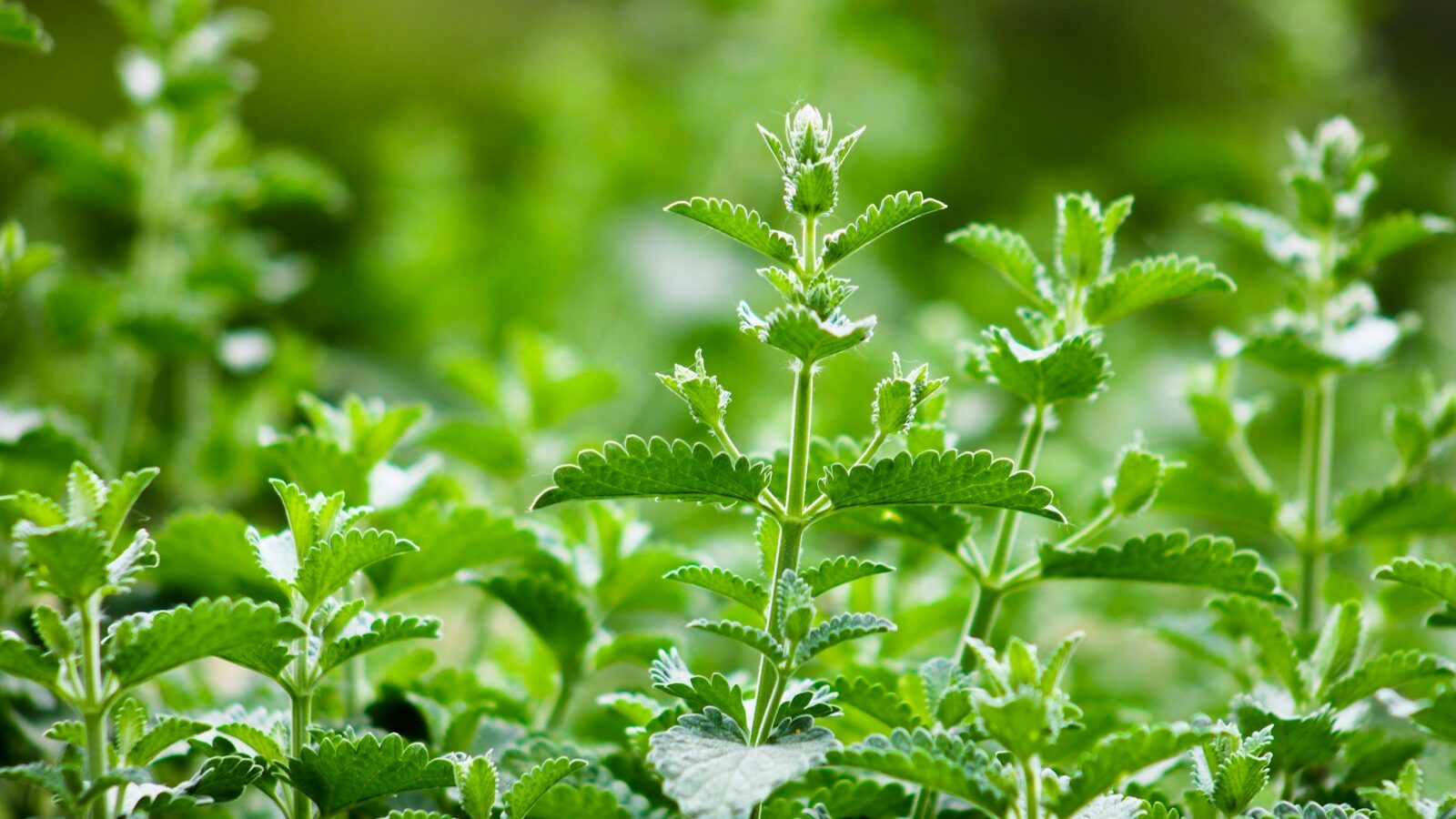
Stevia (Stevia rebaudiana) is the rare plant whose leaves taste like candy—a single fresh leaf chewed on the spot is intensely sweet, with no calories and no spike in blood sugar. Native to the subtropical highlands of Paraguay and Brazil, this tender perennial herb has become the source of the green-packet sweeteners on every café table, and you can grow it in your own garden or on a sunny windowsill. The leaves are reputed to be 200 to 300 times sweeter than sugar, which means a small plant goes a remarkably long way. Treat it like a tender herb—give it warmth, sun and well-drained soil—and you’ll have a season’s worth of natural sweetener to dry, powder and stir into teas and baking.
Key Takeaways
- Tender perennial: Hardy only in zones 9–11; grown as an annual or overwintered indoors elsewhere.
- Start from transplants: Seeds germinate poorly and unevenly—buy plants or take cuttings for reliable results.
- Warmth & sun: Plant out after frost in full sun; space 18–24 inches apart in light, well-draining soil.
- Pinch often: Pinch growing tips to force bushy, leafy growth and more sweet leaves.
- Water moderately: Keep soil lightly moist but never soggy—stevia hates wet feet.
- Harvest before flowering: Leaves are sweetest just before blooms appear in late summer/fall.
Understanding stevia’s needs
Stevia is a tender perennial, winter-hardy only in USDA zones 9 through 11. In those warm regions it can come back year after year, though it tends to be most productive in its first two seasons. Everywhere colder, gardeners grow it as a warm-season annual or pot it up and bring it indoors before frost to overwinter on a bright windowsill. A mature plant reaches about 1 to 2 feet tall with a similar spread, making it well suited to containers, herb beds and small spaces alike.
Why to start from transplants or cuttings
You can grow stevia from seed, but be warned: germination is notoriously low and erratic, often well under 50%, and seed-grown plants vary in sweetness. For reliable results, most gardeners buy nursery transplants or propagate from stem cuttings taken from a known sweet plant. Cuttings root readily in spring—snip a 4-inch tip, strip the lower leaves, dip in rooting hormone, and pot in moist potting mix; roots form in a few weeks. If you do try seed, sow indoors 8–10 weeks before your last frost, surface-sow (the seeds need light to germinate), keep warm at 70–75°F, and expect patchy results.
When and how to plant
Stevia is frost-sensitive, so wait until all danger of frost has passed and nighttime temperatures stay above 50°F before planting it outdoors—usually late spring. Choose a spot in full sun to light afternoon shade; six or more hours of sun produces the sweetest, most aromatic leaves, though in very hot climates a little afternoon shade prevents wilting. The soil is critical: stevia demands light, loose, well-draining soil with a slightly acidic to neutral pH (6.0–7.0). It will not tolerate heavy clay or anywhere water pools, where root rot sets in fast.
Space plants 18 to 24 inches apart to allow good air circulation. If you’re growing in a container, a 10–12 inch pot filled with a free-draining potting mix amended with perlite or sand works well, and pots make it easy to move the plant indoors come fall. Stevia’s compact size and tidy habit make it a natural for a balcony herb garden—see our small-space and container gardening ideas for layout inspiration.
Watering and feeding
Stevia likes consistent, moderate moisture—keep the soil lightly moist but never waterlogged. Its shallow roots dry out quickly, especially in containers, so check often in hot weather and water when the top inch feels dry. At the same time, soggy soil is the fastest way to kill the plant, so always err toward good drainage over heavy watering. A light mulch helps even out soil moisture and keeps the roots cool.
Go easy on fertilizer. Stevia is a light feeder, and too much nitrogen produces lush leaves with diluted sweetness. A modest dose of a balanced or low-nitrogen organic fertilizer at planting, or an occasional feeding with diluted fish emulsion or compost tea through the season, is plenty. The goal is steady, healthy growth—not a nitrogen-fueled growth spurt.
Pinching for a bushier, sweeter plant
The single best thing you can do for stevia productivity is pinch it regularly. Left alone, the plant grows tall, leggy and quick to flower. By pinching out the growing tips when the plant is young—and continuing through the season—you force it to branch, creating a dense, bushy plant with many more leaves to harvest. Pinching also delays flowering, which matters because the leaves are at their sweetest before bloom. Once stevia flowers, it diverts energy from leaf production and the leaves can turn slightly bitter, so keeping it pinched and bushy directly improves your harvest both in quantity and flavor.
When and how to harvest stevia
You can pick individual leaves any time once the plant is established, but for the main harvest, timing is everything. Stevia leaves reach peak sweetness in late summer to early fall, just before the plant flowers—triggered by the shortening days. Watch for flower buds forming and harvest before they open. Cooler fall nights also seem to concentrate the sweetness.
To harvest, cut whole stems back, leaving a few inches and a set of leaves so the plant can regrow, or strip leaves from the stems. In a long warm season you may get more than one cutting. For the biggest crop, do a major harvest in fall just before frost would otherwise kill the plant. Handle the leaves gently and process them promptly to lock in that sweetness. For more herb-growing how-tos, browse our Plants & Flowers guides.
Drying and using stevia leaves
Fresh stevia leaves can be chewed straight off the plant or steeped in tea, but drying preserves the harvest and actually intensifies the sweetness. The simplest method is air-drying: tie stems into small bundles and hang them in a warm, dry, well-ventilated spot out of direct sun, or spread the leaves on a screen. They dry in 1 to 2 days in warm weather—much faster than most herbs. You can also use a dehydrator on low or a barely-warm oven.
Once the leaves are crisp and crumble easily, crush or grind them into a green powder using a blender, spice grinder or mortar and pestle. This homemade stevia powder is potent—start with a tiny pinch in place of sugar and adjust to taste, since a little goes an enormous way. Store the dried whole leaves or powder in an airtight container away from light and heat, where it keeps its sweetness for a year or more. Use it to sweeten tea, coffee, lemonade and smoothies; note that, unlike sugar, it doesn’t caramelize or provide bulk, so it behaves differently in baking.
Overwintering in cold climates
In zones 8 and below, stevia won’t survive a hard freeze outdoors, but you can keep a plant going for a second season. Before the first frost, pot up the plant (or grow it in a container all along) and bring it inside to a bright, south-facing window or under a grow light. Cut it back, reduce watering over winter while growth slows, and resist feeding until spring. As days lengthen, new growth resumes and you can move it back outdoors after frost—or take fresh cuttings to start vigorous new plants for the new season.
Frequently Asked Questions
Is stevia hard to grow?
Not at all once it’s established—it just needs warmth, full sun and well-draining soil, and resents cold and soggy roots. The trickiest part is starting it: seeds germinate poorly, so most gardeners grow stevia from nursery transplants or stem cuttings instead.
When are stevia leaves sweetest?
Just before the plant flowers, in late summer to early fall. The shortening days and cooler nights concentrate the sweetness. Pinch the plant through the season to delay flowering, since the leaves can turn slightly bitter once blooms appear.
How do I dry and store stevia?
Hang stems or spread leaves in a warm, ventilated spot out of direct sun—they dry in just 1–2 days. Crush the crisp leaves into a green powder and store it airtight, away from light and heat. It keeps its sweetness for a year or more, and a tiny pinch sweetens like a spoon of sugar.
Can stevia survive winter?
Only in USDA zones 9–11, where it’s a tender perennial. In colder regions, grow it as an annual or pot it up and overwinter it indoors under bright light, cutting it back and watering sparingly until growth resumes in spring.
How far apart should I space stevia plants?
Space plants 18 to 24 inches apart to give them room and good air circulation, which helps prevent disease. A single 10–12 inch container suits one plant nicely and makes it easy to move indoors before frost.
Stevia is a delight to grow: compact, productive, and genuinely sweet straight off the plant. Start with a transplant or cutting, give it sun and sharp drainage, pinch it bushy, and harvest just before it flowers for the most intense flavor. Dry and powder the leaves and you’ll have a homegrown, calorie-free sweetener that lasts the whole year. For more herb and edible-plant projects, explore our Plants & Flowers collection.