

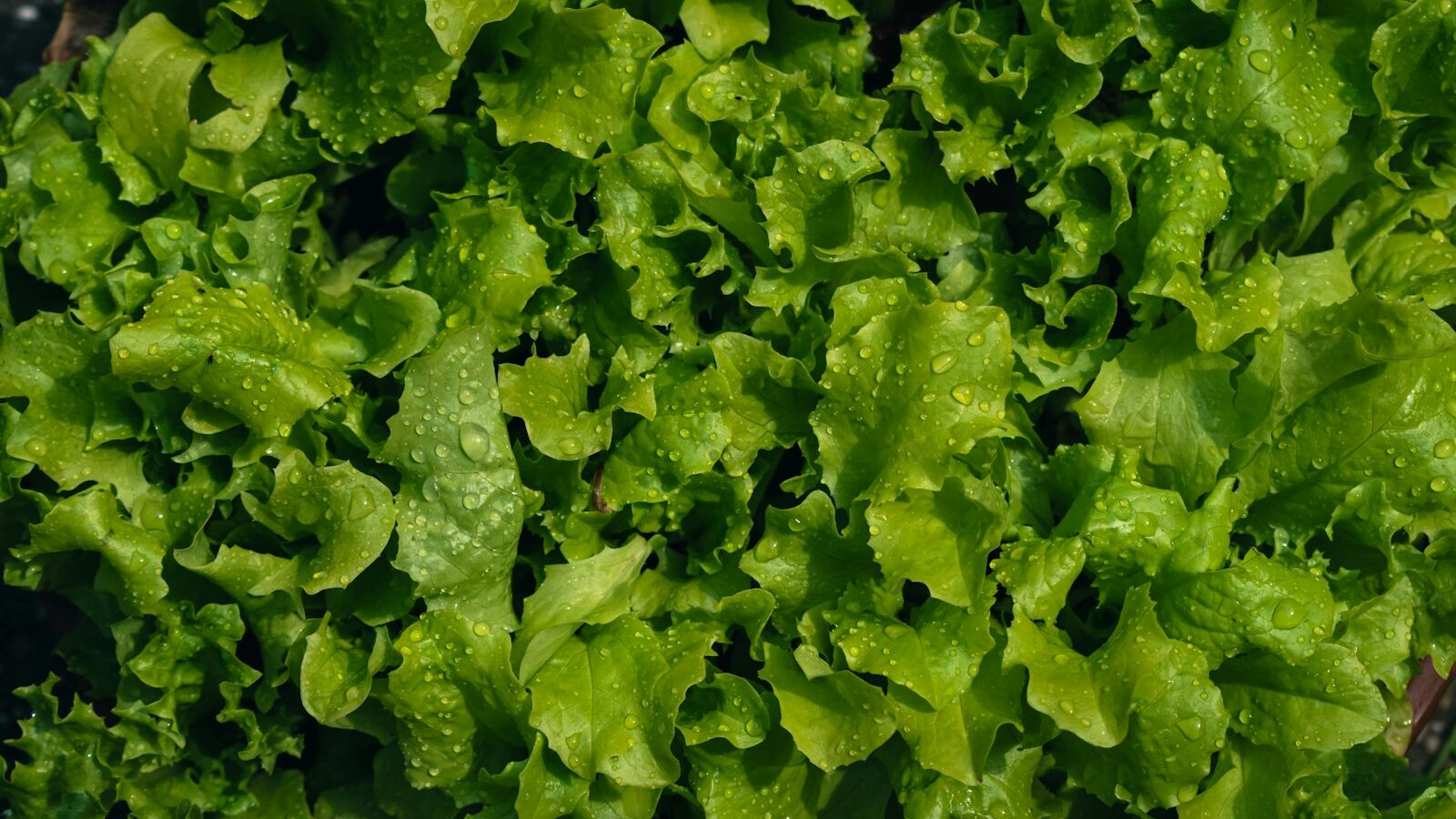
Lettuce is one of the fastest, most forgiving crops you can grow, often ready to harvest in as little as 30 days. As a cool-season vegetable, it thrives in the mild temperatures of spring and fall, and with a little planning you can keep fresh leaves coming from your garden for months. This guide walks you through choosing the right types, sowing and spacing, beating summer heat, and harvesting so the plant keeps producing.
Lettuce quick facts
- Cool-season; sow spring & fall
- Part shade helps in summer heat
- Succession-sow every 2 weeks
- Keep evenly moist to prevent bitterness/bolting
- Harvest outer leaves cut-and-come-again
As an Amazon Associate we earn from qualifying purchases.
Choosing the Right Type of Lettuce
Not all lettuce behaves the same way in the garden. Some types are ready in weeks and tolerate heat better; others form tight heads and need a longer, cooler season. Matching the type to your climate and your patience level is the single biggest factor in success. Most beginners do best starting with leaf lettuce, which is the quickest and most heat-tolerant group.
The four main groups
- Leaf lettuce — loose leaves that never form a head. The fastest and easiest type, perfect for cut-and-come-again harvesting. Includes green leaf, red leaf, and oakleaf varieties.
- Romaine (cos) — upright, sturdy heads with crisp ribs. Takes a bit longer (about 55-70 days) but is more heat-tolerant than crisphead and great for Caesar salads.
- Butterhead — soft, loose heads with a buttery texture, such as Bibb and Boston types. Tender and forgiving, ready in roughly 55-65 days.
- Crisphead — the dense iceberg type. The hardest to grow at home because it needs a long, consistently cool stretch and is the quickest to suffer in heat.
For a steady supply, plant a mix. Leaf and butterhead give you quick early salads while romaine fills in a few weeks later. You can find a huge range of options by browsing lettuce seed variety packs that bundle several types together.
Direct-Sow vs. Transplant
Lettuce can be started two ways: sown directly into the garden where it will grow, or started indoors and transplanted out. Both work well, and many gardeners use a combination depending on the season and how much of a head start they want.
When to direct-sow
Direct-sowing is the simplest method and ideal for leaf lettuce. Sow seeds outdoors as soon as the soil can be worked in spring, and again in late summer for a fall crop. Lettuce seed is tiny, so scatter it thinly or sow in shallow rows about a quarter-inch deep. Seeds need light to germinate, so cover only lightly with soil. Keep the surface moist until sprouts appear, usually within 7-10 days.
When to transplant
Starting seeds indoors 4-6 weeks before your last frost gives heading types a valuable jump on the season and lets you space plants exactly. It is also the better choice if slugs or birds tend to wipe out your direct-sown seedlings. Use cell trays filled with a light starting mix, then harden off seedlings for several days before planting out. A set of reusable seed starting trays makes it easy to raise dozens of transplants at once.
- Space leaf lettuce 4-6 inches apart (or grow thickly and thin as you eat).
- Space romaine and butterhead 8-10 inches apart.
- Space crisphead 10-12 inches apart for full heads.
Succession Sowing for a Nonstop Supply
The secret to fresh lettuce all season is not planting a big patch all at once. A single sowing matures together and then bolts together, leaving you with a glut followed by nothing. Instead, sow a small amount every two weeks. This succession approach gives you a continuous stream of young, tender leaves rather than a feast-then-famine cycle.
A simple succession schedule
- Start your first sowing 2-4 weeks before the last spring frost.
- Sow a new short row or container every 14 days through late spring.
- Pause during the hottest part of summer when germination drops off.
- Resume sowing in late summer, about 8 weeks before your first fall frost, for an autumn harvest.
Even a few feet of row or a couple of pots per round is enough for most households. This rhythm pairs perfectly with other quick crops if you are planning a full plot. For broader timing and layout advice, see our guide on how to start a vegetable garden.
Sun, Heat, and Why Lettuce Bolts
Lettuce loves sunshine in cool weather but turns against you in heat. Understanding bolting is the key to keeping it sweet and productive deep into the season.
What bolting is
Bolting is when the plant shifts from making leaves to sending up a tall flower stalk to produce seed. It is triggered mainly by heat and lengthening days. Once lettuce bolts, the leaves turn bitter and tough, and the plant is essentially done as a salad crop. Soil temperatures above roughly 75°F (24°C) and air temperatures in the 80s push most varieties to bolt quickly.
How to delay bolting
- Give lettuce full sun in spring and fall, but part shade once summer heat arrives.
- Plant near taller crops like tomatoes or beans that cast afternoon shade.
- Use a length of garden shade cloth (30-50%) over a hoop to cool the bed several degrees.
- Keep soil consistently moist, since drought stress accelerates bolting.
- Choose heat-tolerant, slow-bolt varieties for late-spring and summer plantings.
- Mulch lightly to keep roots cool and conserve moisture.
Watering and Feeding
Because lettuce is mostly water and has shallow roots, consistent moisture is non-negotiable. Uneven watering produces bitter leaves, tip burn, and faster bolting. Aim to keep the top inch or two of soil evenly damp but never waterlogged.
- Water lightly and frequently rather than deeply and rarely; the shallow roots dry out fast.
- Morning watering lets leaves dry off and reduces disease.
- In containers, check daily in warm weather, as pots dry much faster than ground beds.
- Feed every few weeks with a balanced liquid fertilizer or compost tea to fuel fast leafy growth.
Rich, well-drained soil with plenty of organic matter gives the steady nitrogen lettuce needs. A simple compost top-dressing at planting often supplies most of what the crop requires.
Cut-and-Come-Again Harvesting
The most rewarding way to harvest leaf and loose-leaf lettuce is the cut-and-come-again method, which lets a single plant feed you over and over. Instead of pulling the whole plant, you take only what you need and let the center keep growing.
How to do it
- Wait until the plant has several mature outer leaves, usually 3-4 inches long.
- Snip or pinch the outermost leaves at the base, leaving the small central leaves intact.
- Always leave the growing point (the crown) untouched so the plant regrows.
- Harvest in the cool of the morning when leaves are crisp and full of moisture.
- Repeat every several days; one plant can yield for weeks this way.
For heading types like romaine and crisphead, you can either harvest individual outer leaves early or wait and cut the whole head at the base once it firms up. Either way, harvest before hot weather sets in to avoid bitterness.
Growing Lettuce in Containers and Indoors
Lettuce is one of the best crops for pots, balconies, and even sunny windowsills. Its shallow roots and quick turnaround make it ideal for small spaces, and containers let you move plants into shade as the weather warms.
Container tips
- Use a pot at least 6-8 inches deep with drainage holes; wider is better for more plants.
- Fill with a quality potting mix, not garden soil, for good drainage and aeration.
- A window box or shallow trough works beautifully for a salad of mixed leaf types.
- Move pots to part shade during heat waves to slow bolting.
Growing indoors
Indoors, lettuce needs bright light, a south-facing window or a grow light running 12-14 hours a day. Keep the room cool, ideally between 60-70°F, and harvest leaves young. Indoor growing sidesteps pests and lets you grow year-round regardless of the weather outside. Lettuce pairs well with other compact edibles, and you can explore more options in our roundups of the best vegetables to grow in containers and our primer on container gardening for beginners.
Common Pests and Problems
Lettuce is generally trouble-free, but a few pests love tender leaves as much as we do. Catching them early keeps your harvest clean and edible.
Slugs and snails
These are the number-one lettuce pest, chewing ragged holes overnight, especially in damp, shady gardens. Hand-pick them after dark, set out shallow beer traps, scatter iron-phosphate slug bait, or ring plants with copper tape or crushed eggshells. Watering in the morning rather than the evening keeps the surface drier and less inviting.
Aphids and others
- Aphids cluster on new growth and undersides of leaves; blast them off with water or spray insecticidal soap. Ladybugs are a great natural ally.
- Cutworms sever young seedlings at the soil line; protect transplants with small collars.
- Birds may peck seedlings; cover with netting or row cover until established.
- Bitterness or bolting almost always traces back to heat or dry soil, so address watering and shade first.
Want to fit lettuce into a bigger edible plan? Head back to our complete urban gardening guide for the full picture on growing food in small spaces.
Frequently asked questions
How long does lettuce take to grow?
Leaf lettuce can be ready for baby-leaf harvest in about 30 days and full size in 45-55 days. Romaine and butterhead take roughly 55-70 days, while crisphead types need the longest, often 70-85 days of cool weather.
Why is my lettuce bitter?
Bitterness is almost always caused by heat stress or inconsistent watering, which pushes the plant toward bolting. Keep soil evenly moist, provide afternoon shade in summer, and harvest in the cool morning hours for the sweetest leaves.
Can I grow lettuce indoors year-round?
Yes. Lettuce grows well indoors under a bright south-facing window or a grow light running 12-14 hours daily. Keep the room cool (60-70°F) and harvest leaves young for a continuous supply regardless of the season.
How do I keep lettuce from bolting?
Plant in spring and fall to avoid peak heat, choose slow-bolt varieties, keep the soil consistently moist, and provide part shade once temperatures climb into the 80s. Shade cloth or planting beside taller crops can buy you several extra weeks.
Should I direct-sow or transplant lettuce?
Both work. Direct-sowing is easiest for fast leaf lettuce, while transplanting gives heading types a head start and helps in gardens with slug or bird pressure. Many gardeners do both across the season for the best results.