

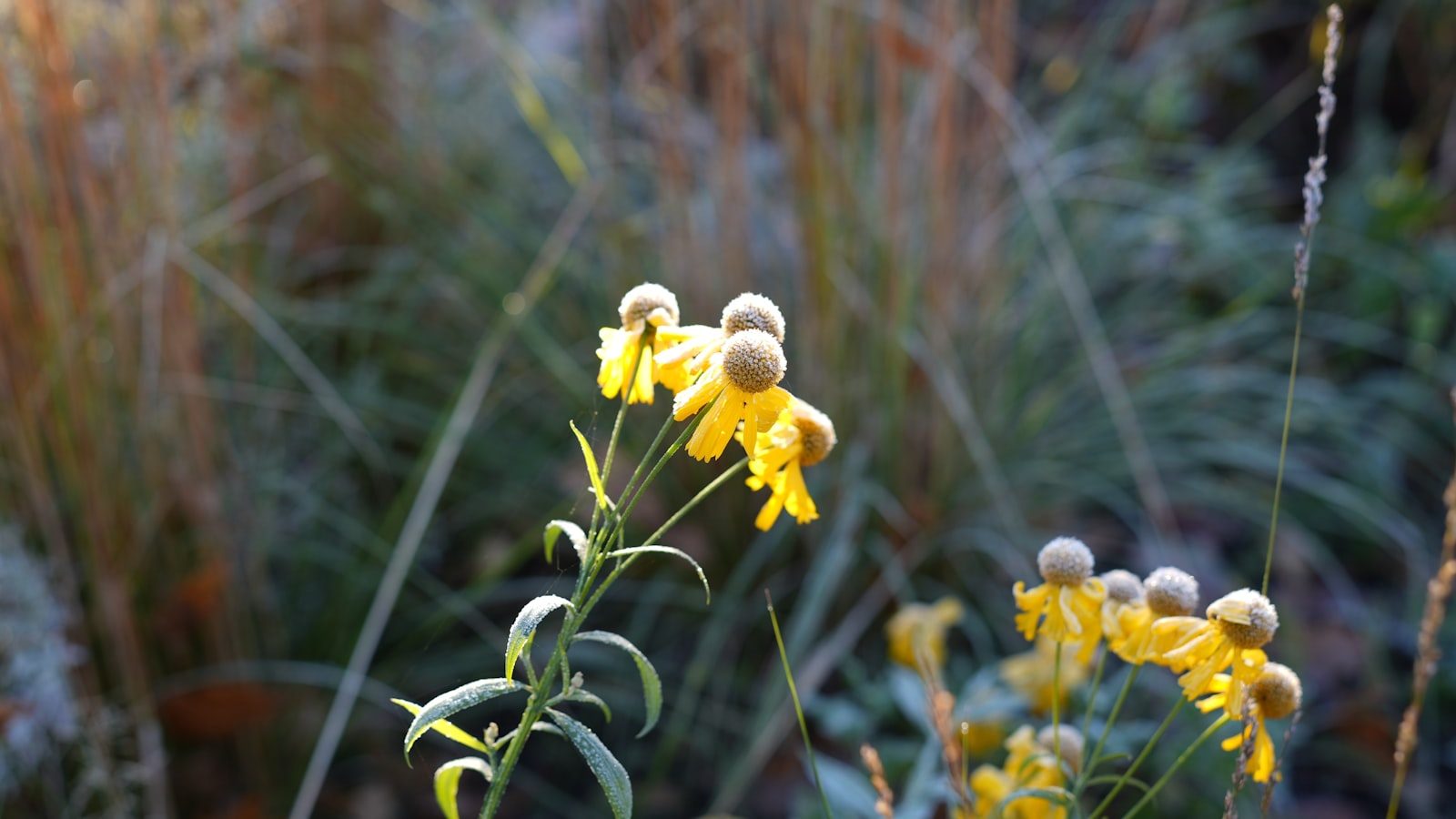
Helenium, often saddled with the unfortunate common name “sneezeweed,” is one of the best perennials you can plant for fiery color from midsummmer straight into autumn. Despite the name, it does not cause hay fever — the moniker comes from a historical use of the dried leaves as snuff, not from airborne pollen, which is heavy and insect-carried. What it actually delivers is a froth of daisy-like blooms in rusty oranges, burnished golds, deep mahogany reds, and warm coppers, each one centered on a raised, button-like cone that gives the flower a quilted, slightly nodding look. Bees and butterflies adore it, deer tend to leave it alone, and once established it asks for very little. This guide covers everything you need to grow a vigorous, free-flowering stand of helenium, from USDA zones and soil to spacing, the famous Chelsea chop, dividing clumps, and dealing with the handful of pests that bother it.
Key Takeaways
- Helenium is hardy in USDA zones 3–8 and blooms from July through October, filling the late-season gap.
- Give it full sun — at least 6 hours, ideally 8 — for sturdy, upright stems and the heaviest flowering.
- It wants moist, fertile soil and dislikes drought; never let it dry out, especially in its first year.
- Space plants 18–24 inches apart and pinch or “Chelsea chop” in late spring for bushier, sturdier plants.
- Deadhead spent blooms to extend the show, and divide clumps every 2–3 years to keep them vigorous.
- Watch for powdery mildew and slugs; good airflow and even moisture prevent most problems.
USDA Zones and Where Helenium Grows Best
Most garden helenium are cultivars and hybrids of Helenium autumnale, a North American native that grows wild in damp meadows, ditches, and stream banks across much of the continent. That heritage tells you a lot about what it wants: full sun and consistently moist soil. Garden varieties are reliably hardy in USDA zones 3 through 8, sailing through cold winters with no protection and returning bigger each spring. In the hottest zones (8 and warmer), give plants a little afternoon relief and pay extra attention to watering, since the plant’s natural enemy is dry soil rather than cold.
Because it naturally grows in moist ground, helenium is one of the rare tall perennials that actually thrives in a low spot, a rain garden, or beside a pond where the soil stays damp. It is an excellent companion at the back of a sunny border, paired with ornamental grasses, asters, rudbeckia, and late-flowering salvias. The warm, smoldering color palette makes it a natural for a “hot” border designed to peak just as the rest of the garden begins to wind down.
Sun and Site
Helenium is a full-sun plant, full stop. Aim for at least six hours of direct sun a day, and eight is better. In too much shade the stems stretch, flop, and lean toward the light, flowering is sparse, and the plant becomes far more prone to mildew. A bright, open, airy site keeps stems strong and disease pressure low.
Air circulation matters as much as light. Avoid cramming helenium into a stagnant corner against a fence or wall; the same humidity that suits its roots will encourage powdery mildew on its foliage if air cannot move freely. A spot where it gets morning sun to dry the dew off the leaves is ideal. The taller varieties, which can reach four to five feet, benefit from a site sheltered from strong wind, or from discreet staking, to keep those wand-like stems upright in late summer storms.
Soil: Moist, Fertile, and Never Dry
If there is one rule that separates a thriving helenium from a struggling one, it is moisture. This is not a plant for dry, sandy banks or the baked strip beside a driveway. It wants rich, fertile, reliably moist soil with plenty of organic matter. Before planting, work two to three inches of compost or well-rotted manure into the bed to improve both fertility and water retention. A slightly acidic to neutral pH (roughly 6.0–7.0) suits it perfectly, though it is not fussy about exact numbers.
Helenium tolerates heavy clay better than most perennials precisely because clay holds water, but it will rot in winter if that clay also sits waterlogged and airless. The sweet spot is moisture-retentive soil that still drains — damp, not swampy. A two-inch mulch of shredded bark or leaf mold over the root zone (kept an inch back from the crown) conserves moisture and keeps roots cool through summer heat. If your soil is light and free-draining, plan to amend generously and water often, or choose a naturally damp part of the garden instead.
Planting and Spacing
Plant container-grown helenium in spring or early autumn while the soil is warm and moisture is reliable. Dig a hole twice the width of the root ball, set the plant so the crown sits level with the surrounding soil, backfill, firm gently, and water in thoroughly. Space plants 18 to 24 inches apart — at the wider end for vigorous tall varieties — so each clump has room to bulk up and air can move between them. That spacing is a frontline defense against mildew, so resist the urge to plant too tightly for an instant-full look.
Water new plants deeply and regularly through their entire first growing season; this is when a helenium establishes the strong root system it needs to support tall summer growth. A plant that goes thirsty in year one will be weaker and floppier for years. Compact modern cultivars such as the ‘Mariachi’ and ‘HayDay’ series stay around 18–30 inches and rarely need staking, while heirloom favorites like ‘Moerheim Beauty’ and ‘Sahin’s Early Flowerer’ reach three to four feet and may want support.
Watering and Feeding
Consistent moisture is the heart of helenium care. Water deeply whenever the top inch or two of soil begins to dry, aiming to keep the root zone evenly damp — never bone dry and never standing in water. In a typical summer that means a thorough soaking once or twice a week, and more often during heat waves or in light soil. A plant that wilts and dries out will drop buds, brown at the leaf edges, and may not recover its full flowering potential that season. Soaker hoses or drip irrigation are ideal because they keep the foliage dry, which helps prevent mildew.
Helenium is a moderate feeder. In rich soil amended with compost it needs little extra; in average soil, a single application of balanced granular fertilizer or a top-dressing of compost in early spring is plenty. Avoid heavy doses of high-nitrogen fertilizer, which produce lush, weak, floppy growth at the expense of flowers and make staking a necessity. For a similar moisture-loving, late-season native that pairs beautifully with it, see our guide on how to grow Joe Pye weed.
Bloom Time, Pinching, and the Chelsea Chop
Helenium hits its stride from July through October, with peak color usually in August and September — exactly when many summer perennials are fading. To get the longest, fullest display, do two things. First, pinch or cut back the stems in late spring. Around late May or early June, when growth is roughly knee-high, cut the whole plant back by a third to a half. This is the classic “Chelsea chop,” and on helenium it works wonders: it produces shorter, sturdier, bushier plants with many more (if slightly smaller) flower heads, and it reduces or eliminates the need for staking. You can chop only the front half of a clump to stagger the bloom and stretch the season even further.
Second, deadhead. As individual blooms fade, snip them off above the next bud or leaf. Regular deadheading redirects the plant’s energy from setting seed into producing more flowers, easily adding weeks to the display. Toward the end of the season you can leave the final flush of seed heads standing — the dark cones look architectural through frost and offer seeds to goldfinches and other birds.
Dividing Helenium
Helenium clumps grow quickly and benefit from regular division. Left alone, a clump tends to die out in the center while pushing growth to the edges, and flowering declines. Divide every two to three years to keep plants young, vigorous, and densely flowered — division is really the key to long-term success with this perennial.
The best time to divide is early spring, just as new growth emerges, though early autumn works in milder zones. Lift the whole clump with a fork, shake off loose soil, and pull or cut it into sections, each with healthy roots and several growing shoots. Discard the woody, exhausted center and replant the vigorous outer pieces at the same depth, spacing them as you would new plants and watering them in well. You will have plenty of extra divisions to spread around the garden or share. Division also rejuvenates a plant that has begun to flop or flower poorly, restoring it almost overnight.
Pests, Diseases, and Common Problems
Powdery Mildew
The most common complaint with helenium is powdery mildew — a dusty white coating on the leaves, usually late in the season and worst on stressed, crowded, or drought-hit plants. Prevent it with the basics: full sun, generous spacing, good airflow, and consistent moisture at the roots (mildew paradoxically thrives when roots are dry but air is humid). Avoid wetting the foliage when you water. If it appears, remove affected leaves, improve circulation, and in bad cases treat with a fungicide or a homemade potassium-bicarbonate spray.
Slugs and Snails
Tender new spring growth is a magnet for slugs and snails, which can shred emerging shoots overnight. Hand-pick in the evening, set out beer traps, or scatter iron-phosphate slug pellets around the crowns as growth begins. Established plants generally outgrow the damage once stems toughen up.
Floppy Stems
If your helenium flops, the usual culprits are too much shade, too much nitrogen, or skipping the late-spring chop. Move plants into full sun, ease off the fertilizer, and apply the Chelsea chop next year. Tall heirloom varieties may simply need staking or a grow-through support installed early in the season.
Aphids and Leaf Spot
Aphids occasionally cluster on soft new growth; blast them off with a hose or encourage ladybugs. Various fungal leaf spots can appear in wet seasons but are rarely serious — remove badly affected foliage and clear away debris in autumn to reduce overwintering spores.
Companion Plants and Garden Uses
Helenium is a pollinator powerhouse and an anchor of the late-summer border. Plant it with rudbeckia, helianthus, asters, sedum ‘Autumn Joy’, and ornamental grasses like miscanthus and panicum for a prairie-style scheme that peaks in September. Its warm tones glow against blue and purple partners such as Russian sage and Verbena bonariensis. Because it loves damp ground, it also shines at the margins of a pond or in a rain garden. For more sun-loving, low-care perennials to weave alongside it, browse our full collection of Plants & Flowers guides.
Frequently Asked Questions
Does helenium really cause sneezing or hay fever?
No. The name “sneezeweed” comes from the historic practice of drying and crushing the leaves to make a snuff, not from airborne pollen. Helenium pollen is heavy and sticky, carried by insects rather than the wind, so it is not a hay-fever trigger and is perfectly safe to plant near patios and seating areas.
How tall does helenium get and does it need staking?
Heights range from about 18 inches for compact modern series like ‘Mariachi’ up to 4–5 feet for old favorites like ‘Moerheim Beauty’. Shorter varieties rarely need support. Taller ones may flop, but you can largely avoid staking by giving full sun and cutting the plant back by a third to a half in late spring (the Chelsea chop).
When does helenium bloom?
Helenium flowers from roughly July through October, with peak color in August and September. Deadheading spent blooms and chopping the front of the clump in late spring can stretch the display by several weeks, filling the late-summer gap when many other perennials are finished.
How often should I divide helenium?
Divide every two to three years in early spring as new growth appears. Clumps tend to die out in the center over time, and dividing keeps plants vigorous and free-flowering. Discard the woody middle and replant the healthy outer sections at the same depth.
Why does my helenium get powdery mildew?
Powdery mildew thrives when plants are crowded, in too much shade, or stressed by dry roots in humid air. Prevent it with full sun, 18–24 inches of spacing, good airflow, and consistent soil moisture, and avoid wetting the leaves when watering. Remove affected foliage and improve circulation if it appears.
Give helenium what it really wants — full sun, rich moist soil that never dries out, generous spacing, and a late-spring haircut — and it will reward you with one of the most dependable and dazzling fireworks displays in the late-season garden. Divide it every few years, deadhead through the season, and this cheerful native will only get better with age.