

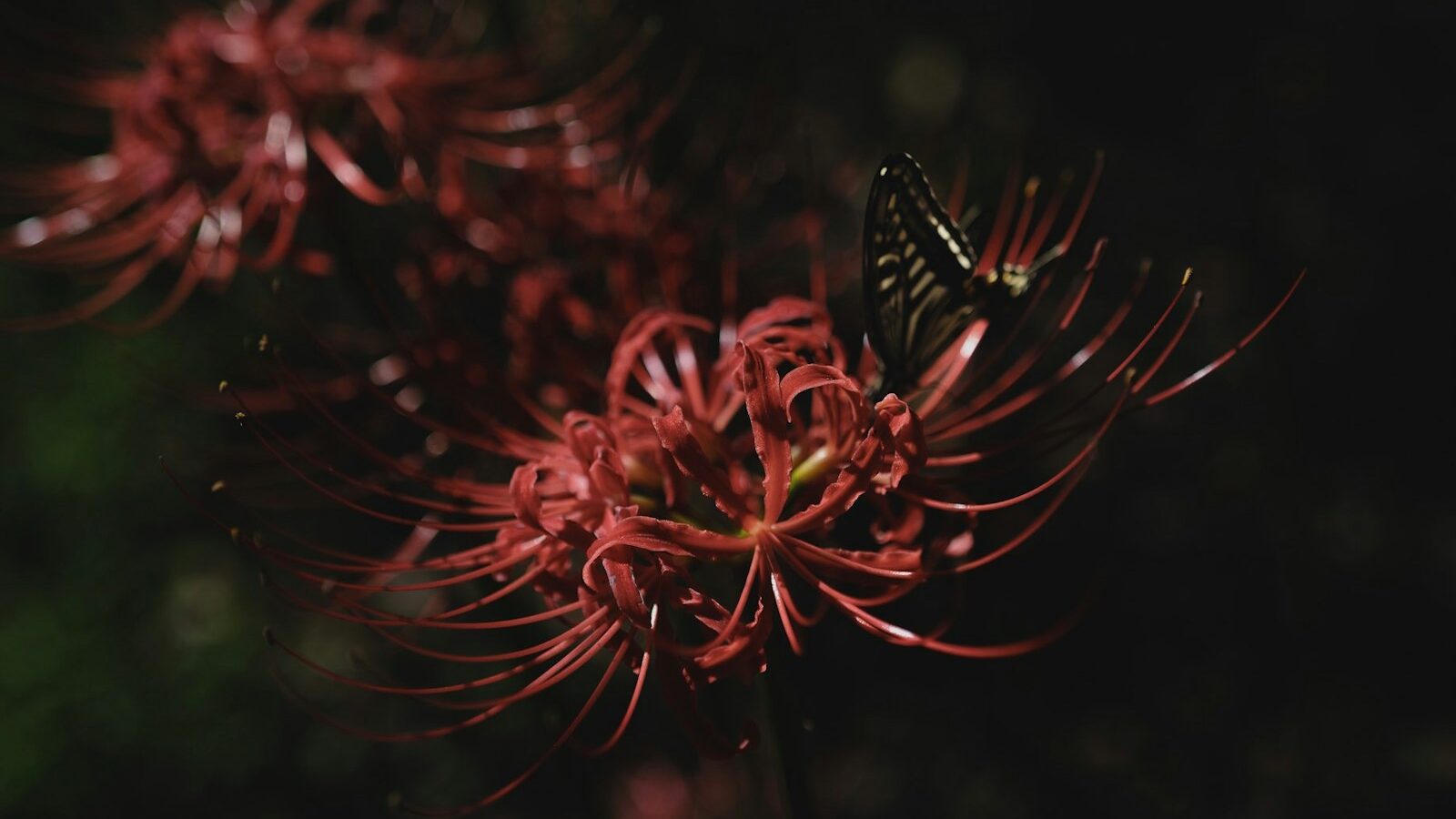
Few houseplants deliver drama like an amaryllis. From a single fist-sized bulb, this plant sends up a thick stalk topped with three to six trumpet-shaped blooms the size of your hand, often in the dead of winter when you need color most. The good news is that amaryllis is genuinely easy to grow indoors, and with a little know-how you can coax the same bulb into blooming again year after year.
Amaryllis quick facts
- Plant the bulb with the top third exposed
- Bright light; rotate for straight stems
- Keep leaves growing & feed after blooming
- Give a cool, dry rest to rebloom
- Toxic to pets
As an Amazon Associate we earn from qualifying purchases.
Technically, the bulbs sold as “amaryllis” belong to the genus Hippeastrum, native to South America, while the true Amaryllis belladonna is a different plant. For everyday gardeners the name amaryllis is universal, and the care below applies to the big-bloom holiday bulbs you’ll find in stores and online. Whether you’re growing your first bulb or trying to rebloom one you’ve kept for years, this guide walks you through the entire cycle. For more seasonal bloomers, see our plant & flower care guide.
Planting the bulb the right way
The single most important planting rule for amaryllis is to leave the top third of the bulb sitting above the soil line. Amaryllis bulbs rot easily if buried too deep, and the exposed neck is exactly how the plant grows in nature. Set the bulb so its pointed nose and shoulders rise clearly above the surface, then firm the soil around the lower two-thirds.
Choose a snug pot
Amaryllis prefers to be crowded. Pick a pot only about one to two inches wider than the bulb itself, because a tight pot encourages flowering rather than excess root and leaf growth. A heavy ceramic or terracotta pot is ideal: the tall stalks and big blooms make the plant top-heavy, and a lightweight plastic pot will tip over. Make sure the pot has a drainage hole.
Soil and the first watering
- Use a good-quality, well-draining potting mix; a general houseplant or bulb mix works well.
- Position the bulb, fill in around it, and leave the top third exposed.
- Water thoroughly once to settle the soil, then let the surface dry before watering again.
- Place the pot in a warm spot (around 68 to 75 F) to wake the bulb up.
Within two to eight weeks you should see a flower stalk or leaf tip emerge. Bargain bulbs and those that have been stored a while may take longer, so be patient. Ready to start? You can find quality amaryllis bulbs in single colors or mixed packs.
Light and temperature for strong blooms
Once growth begins, move your amaryllis to the brightest spot you have. A south- or east-facing window is perfect. Plenty of light keeps the flower stalk sturdy and compact; in dim conditions the stalk stretches, weakens, and flops. Bright, indirect to direct indoor light during the growing and blooming phase gives you the best results.
Rotate for straight stems
Amaryllis stalks lean hard toward the light. Give the pot a quarter turn every couple of days so the stalk grows straight up instead of arcing toward the window. This simple habit does more for an upright plant than any stake. Keep the plant away from cold drafts and heating vents, which can stress buds and shorten bloom life.
Cooler rooms make flowers last
While warmth speeds up sprouting, once the buds open, moving the plant somewhere slightly cooler (around 60 to 65 F) and out of direct hot sun makes each bloom last considerably longer, sometimes up to three weeks. Many growers warm the bulb to start it, then move it to a cool, bright spot once flowers appear.
Watering and staking tall stems
Amaryllis likes steady but moderate moisture. Water when the top inch of soil feels dry, letting excess drain away completely. The most common way to kill an amaryllis is overwatering, especially before the roots are active, so err on the dry side early on. Never let the pot sit in a saucer of standing water.
Support those heavy flower stalks
A mature amaryllis can throw a stalk 18 to 24 inches tall, crowned with several large blooms. That weight, combined with damp soil, makes toppling a real risk. Insert a slender stake near the bulb (taking care not to spear it) and loosely tie the stalk with soft plant ties or twine. A plant support stake in green or natural bamboo blends in nicely.
- Stake early, before the stalk gets tall and heavy, to avoid bending it.
- Tie loosely in a figure-eight so the stalk has a little room.
- A heavy pot plus a stake is the most reliable anti-tip combo.
After-bloom care: the secret to reblooming
What you do after the flowers fade determines whether your bulb ever blooms again. Most people toss spent amaryllis, but with a few months of simple care the same bulb can rebloom for years, getting bigger and producing more stalks over time.
Cut the spent flower stalk
As each bloom withers, snip it off so the plant doesn’t waste energy forming seed. Once all the flowers on a stalk are done, cut the entire flower stalk down to about one to two inches above the bulb. Important: leave the strappy green leaves alone. They are now the plant’s solar panels.
Keep the leaves growing and feed
After flowering, the amaryllis enters its growth phase, when the leaves recharge the bulb for next year’s show. Keep the plant in bright light, water normally, and begin feeding. Use a balanced houseplant or bulb fertilizer every two to four weeks during active growth. A bloom-boosting bulb fertilizer high in potassium and phosphorus is ideal. The longer and healthier the leaves grow now, the bigger the bulb and the better the rebloom later.
Summering outdoors and the dormancy rest period
To build the strongest bulb, give your amaryllis a summer vacation outside. Once nights stay reliably above 50 F, move the potted plant outdoors to a spot with morning sun and afternoon shade. Acclimate it gradually over a week so the leaves don’t scorch. Outdoor light, warmth, and airflow pack the bulb with energy through summer. Continue watering and feeding through this period.
Triggering the dormancy rest to rebloom
Amaryllis needs a cool, dry rest before it will bloom again. About 8 to 10 weeks before you want flowers (late summer or early fall, before frost), bring the pot back indoors and force dormancy:
- Stop watering completely and stop feeding. Let the soil dry out.
- Move the pot to a cool, dark place, ideally 50 to 55 F, such as a basement, garage, or closet.
- The leaves will yellow and wither; once they’re papery, trim them off near the bulb.
- Leave the bulb dry and undisturbed for about 8 to 10 weeks.
After the rest, bring the bulb back into warmth and light, refresh the top inch of soil (or repot if needed), and water once to wake it. A new stalk should appear within a few weeks, and your amaryllis blooms again on your schedule. This forced-rest trick is similar to how you coax repeat blooms from other holiday plants like the Christmas cactus care routine, and it pairs nicely with forcing bulbs covered in our how to grow hyacinths guide.
Waxed bulbs and pet safety
Two special topics catch new growers off guard: waxed bulbs and toxicity. Both are worth understanding before you bring an amaryllis home.
How waxed bulbs work
Wax-coated amaryllis bulbs are a popular gift. The bulb is dipped in colored wax with its roots trimmed, so it needs no soil, no water, and no pot; it blooms entirely on the energy already stored inside. Just set it on a table in bright light and rotate it for a straight stalk. The catch is that a waxed bulb is essentially a single-use showpiece. Because its roots are removed and it can’t be fed, it usually cannot be reliably reblooned. If you want a bulb to keep, buy an unwaxed one and pot it in soil.
Toxic to pets
Amaryllis is toxic to dogs and cats. The bulb contains the highest concentration of harmful alkaloids (lycorine and others), but the leaves, stalk, and flowers are all toxic too. Ingestion can cause drooling, vomiting, diarrhea, lethargy, and tremors. Keep plants and especially spare bulbs well out of reach of curious pets, and call your veterinarian or a pet poison hotline if you suspect your animal has chewed any part. The same caution applies to other holiday plants such as poinsettia care.
Frequently asked questions
How long does an amaryllis take to bloom after planting?
Most bulbs bloom about 6 to 8 weeks after planting, though some sprout in as little as 2 to 3 weeks and others take longer. Warmer temperatures speed things up. If you’re timing blooms for the holidays, count back roughly two months and plant accordingly.
Why won’t my amaryllis rebloom?
The two usual reasons are not enough leaf growth and feeding after flowering, and skipping the cool, dry rest period. The bulb needs a full season of bright light and fertilizer to recharge, followed by 8 to 10 weeks of dormancy in a cool, dark spot with no water. Give it both and it should bloom again.
Should I cut the leaves off my amaryllis?
Not while they’re green and healthy. The leaves feed the bulb for next year’s flowers, so leave them growing after the bloom fades. Only remove leaves once they yellow and wither naturally, which happens during the dormancy rest period.
Can I plant my amaryllis bulb in the garden?
In frost-free climates (roughly USDA zones 9 to 11) amaryllis can grow outdoors year-round in the ground. In colder regions it must be grown in a pot and brought inside, since the bulb won’t survive freezing. Many gardeners summer the pot outdoors and bring it in before fall frost.
Is amaryllis safe around cats and dogs?
No. All parts of the amaryllis are toxic to cats and dogs, with the bulb being the most dangerous. Keep the plant and any stored bulbs out of reach, and contact your vet right away if a pet ingests any part of it.