

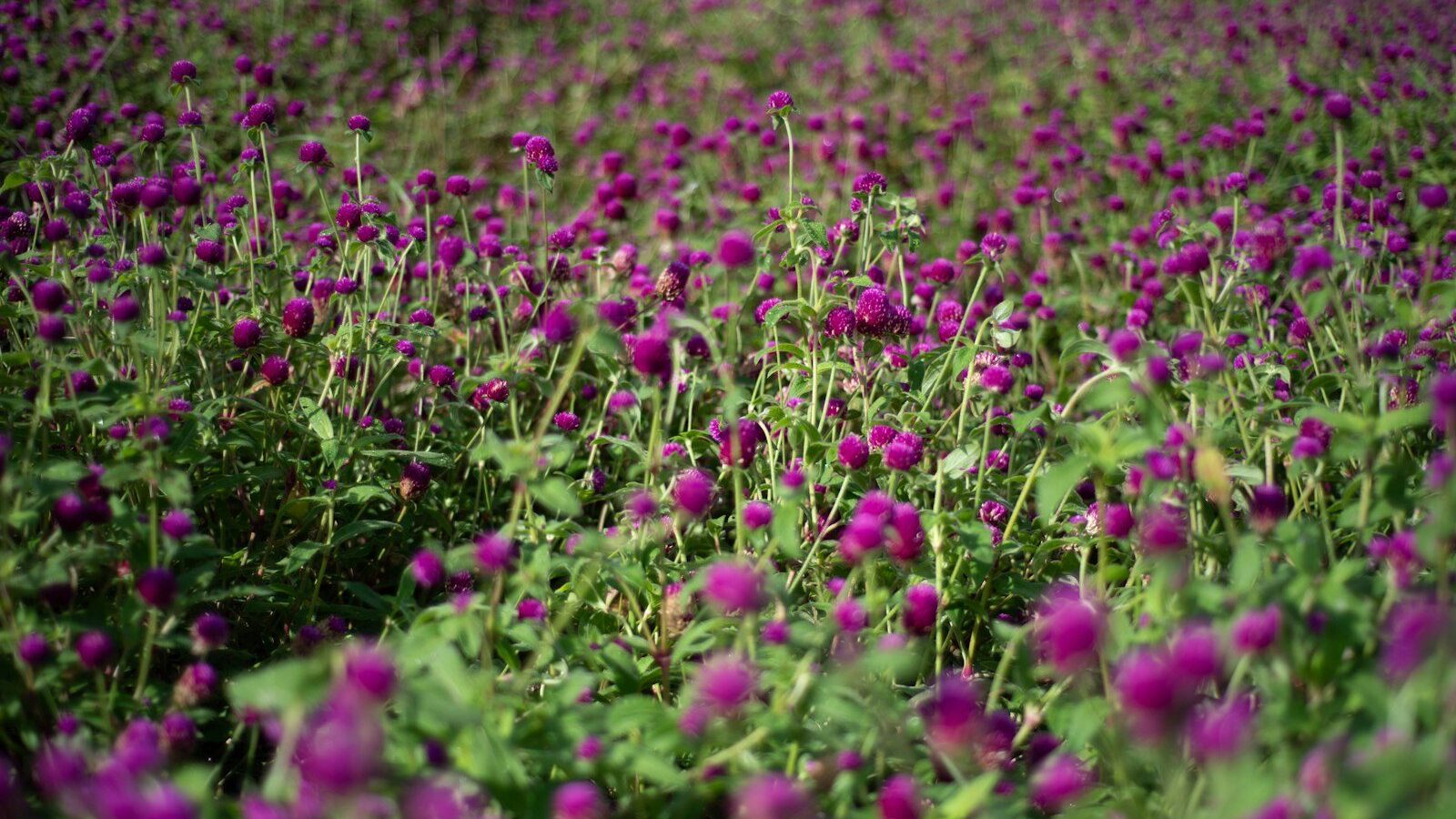
Amaranth is one of the easiest big-impact plants you can grow: sow it after your last frost, give it sun and decent drainage, and within ten to twelve weeks you have waist-high to head-high plants dripping with crimson, gold, or green plumes. The same plant gives you tender salad greens early, ornamental flowers all summer, and a harvest of nutty, gluten-free grain in fall. This guide covers when and how to plant amaranth, how to space and water it, and how to harvest both the leaves and the seed.
In this guide
Key Takeaways
- Sow after frost: direct-seed when soil hits 65°F or start indoors 3–4 weeks early. Amaranth is a tender annual in all USDA zones.
- Full sun, lean soil: 6+ hours of sun; it thrives in average-to-poor soil and tolerates heat and drought better than almost any flower.
- Space 10–18 inches apart: tighter for cut flowers, wider for grain types that branch heavily.
- Dual harvest: pick young leaves like spinach, then let plants flower and mature seed in 90–120 days.
- It self-sows: deadhead or harvest plumes before they shatter unless you want volunteers next year.
Meet Amaranth: Grain, Greens, and Ornamental
“Amaranth” covers about 70 species in the genus Amaranthus, but a handful do the heavy lifting in home gardens. Amaranthus caudatus (love-lies-bleeding) sends out long, drooping rope-like tassels in deep red and is grown mostly for cut and dried arrangements. Amaranthus cruentus and A. hypochondriacus are the classic grain types, with upright candelabra plumes and seed yields of a quarter-pound or more per plant. Amaranthus tricolor is grown for its vivid edible foliage. All of them are warm-season annuals that race through their life cycle in a single summer.
The plant is forgiving by nature. It evolved in hot, dry regions of Central and South America and shrugs off the kind of heat and neglect that flattens fussier flowers. If you have struggled with high-maintenance cutting-garden crops, amaranth is a confidence builder.
When to Plant Amaranth
Amaranth is frost-tender, so timing is built entirely around your last spring frost date. Wait until all danger of frost has passed and the soil has warmed to at least 65°F—cold soil causes seed to rot or sulk. For most of the country that means late May to early June; in the Deep South and Southwest you can sow from April onward.
To get a jump on short-season gardens (zones 3–5), start seed indoors 3 to 4 weeks before your last frost. Don’t start earlier than that—amaranth seedlings grow fast and become leggy and root-bound in cell trays. Harden off for a week before transplanting once nights stay reliably above 50°F.
Direct sowing vs. transplanting
Amaranth resents root disturbance, so direct sowing is the simplest and often most vigorous approach. Rake the bed smooth, scatter or row-sow the tiny seed, and barely cover it—no more than 1/8 inch of fine soil. The seed needs light and warmth to germinate, which it usually does in 7 to 14 days. Keep the surface lightly moist until sprouts appear, then thin ruthlessly.
Soil, Sun, and Site
Give amaranth full sun—at least six hours, and more is better. In partial shade it stretches, flops, and produces thinner plumes. As for soil, this is a plant that genuinely prefers it lean. Average garden soil with a pH between 6.0 and 7.5 is ideal, and it tolerates poor, sandy, or rocky ground that would starve other flowers.
Resist the urge to over-fertilize. Rich, nitrogen-heavy soil produces lush leaves but weak stems and reduced seed set, and tall varieties will topple in the first storm. If your soil is genuinely depleted, work in an inch of compost before planting and leave it at that. Good drainage matters more than fertility; amaranth hates wet feet. If you garden in heavy clay, plant in raised beds or mounds, the same way you’d improve drainage for other heat-loving cutting flowers like celosia.
Spacing and Thinning
Spacing depends on what you’re growing for. For cut and dried flowers, where you want long single stems, thin to 10 to 12 inches apart. For grain production and big branching plants, give them 18 inches or even 2 feet so each plant can develop its full candelabra of seed heads. Crowded plants stay slimmer and produce fewer seeds, which is fine if cut stems are your goal.
Thinning feels brutal because you’ll be pulling dozens of healthy seedlings, but it’s essential—and the thinnings are edible. Snip them at the base when they’re 3 to 4 inches tall and toss them into a salad or stir-fry rather than composting them.
Watering and Ongoing Care
Water seedlings consistently until they’re established and 6 inches tall. After that, amaranth is impressively drought-tolerant—a deep soak once a week during dry spells is plenty, and established plants will coast through short droughts that wilt everything around them. Overwatering is a bigger risk than underwatering, especially in heavy soil.
Tall grain and ornamental types (some reach 6 to 8 feet) carry heavy seed heads and can blow over in wind. In exposed sites, stake individual plants or run a single line of twine along a row at about 3 feet, the same staking logic you’d use for top-heavy cottage-garden flowers like delphinium. Mulch with an inch or two of straw to suppress weeds and hold soil moisture while seedlings are small.
Pests and problems
Amaranth has few serious enemies. Aphids may cluster on tender new growth—blast them off with a hose or wipe them down. Flea beetles can pepper young leaves with tiny holes but rarely kill a plant. The most common disappointment is floppy, weak growth, which almost always traces back to too much shade, too much nitrogen, or both. Root rot from soggy soil is the other failure mode; fix drainage and ease off the water.
Harvesting Amaranth Leaves
If you’re growing for greens, start picking young leaves when plants are 8 to 12 inches tall. Harvest the outer and upper leaves and let the plant keep growing—cut-and-come-again style. Young leaves are mild and spinach-like; older ones get tougher and slightly bitter, so cook them. A plant can produce greens for weeks before it shifts energy into flowering. If grain is your main goal, go easy on leaf harvest so the plant has full foliage to fuel seed production.
Harvesting Amaranth Grain and Flowers
Seed matures roughly 90 to 120 days after sowing. The plumes flower, fade, and then begin to dry on the plant. The classic readiness test: gently rub a seed head between your palms over a bowl. If dry seed falls freely, it’s time. Many gardeners cut whole seed heads just before the first hard frost and finish drying them indoors on tarps or in paper bags, since a frost can damage standing plants and rain can sprout seed in the head.
To thresh, rub the dried heads over a screen or between your hands to knock the seed loose, then winnow away the chaff by pouring the seed back and forth in front of a fan or a gentle breeze. Amaranth grain is tiny—smaller than a poppy seed—so work over a deep container. Store fully dried seed in an airtight jar; rinse and toast or pop it like miniature popcorn for eating.
For dried ornamental use, cut A. caudatus tassels when the lower flowers are fully colored but before seed shatters, strip the leaves, bundle the stems, and hang them upside down in a dark, airy room for two to three weeks. The deep reds hold beautifully in arrangements.
Saving Seed and Managing Self-Sowing
Saving amaranth seed is as easy as setting aside some of your cleaned harvest—it stores for years if kept dry and cool. Be aware, though, that amaranth species cross readily, so seed saved from a mixed planting won’t come true to color. The flip side is that any seed left on the plant will self-sow enthusiastically. If you don’t want a carpet of volunteers next spring, harvest or deadhead before the heads shatter. If you garden in a region where wild pigweed amaranths are a concern, keep ornamental plantings tidy and don’t let them naturalize.
Amaranth pairs beautifully with other heat-loving cutting flowers—tuck it behind zinnias and celosia for a bold late-summer border, and you’ll have material for fresh and dried arrangements right up to frost. Browse more growing guides on our Plants & Flowers hub.
Frequently Asked Questions
Is amaranth easy to grow for beginners?
Yes. It’s one of the most forgiving annuals you can plant. Sow after frost in full sun, thin the seedlings, and avoid overwatering and over-fertilizing. It tolerates heat, drought, and poor soil that defeats fussier flowers.
How long does amaranth take to grow?
You can start harvesting young leaves in 4 to 6 weeks. Flowering begins around 8 to 10 weeks, and grain matures roughly 90 to 120 days after sowing, depending on variety and climate.
Can you eat ornamental amaranth?
Yes—all true amaranth species are edible, leaves and seed alike. That said, grow varieties sold for food or grain if eating is your priority, and don’t eat plants that have been treated with non-food-safe chemicals.
Why is my amaranth falling over?
Floppy plants usually mean too little sun, too much nitrogen, or both, which produces weak, leggy growth. Tall varieties with heavy seed heads also blow over in wind—stake them and plant in full sun in lean soil.
Does amaranth come back every year?
It’s a tender annual, so individual plants die at frost. But it self-sows freely, so you’ll often see volunteer seedlings the following spring unless you harvest or deadhead the seed heads before they shatter.