

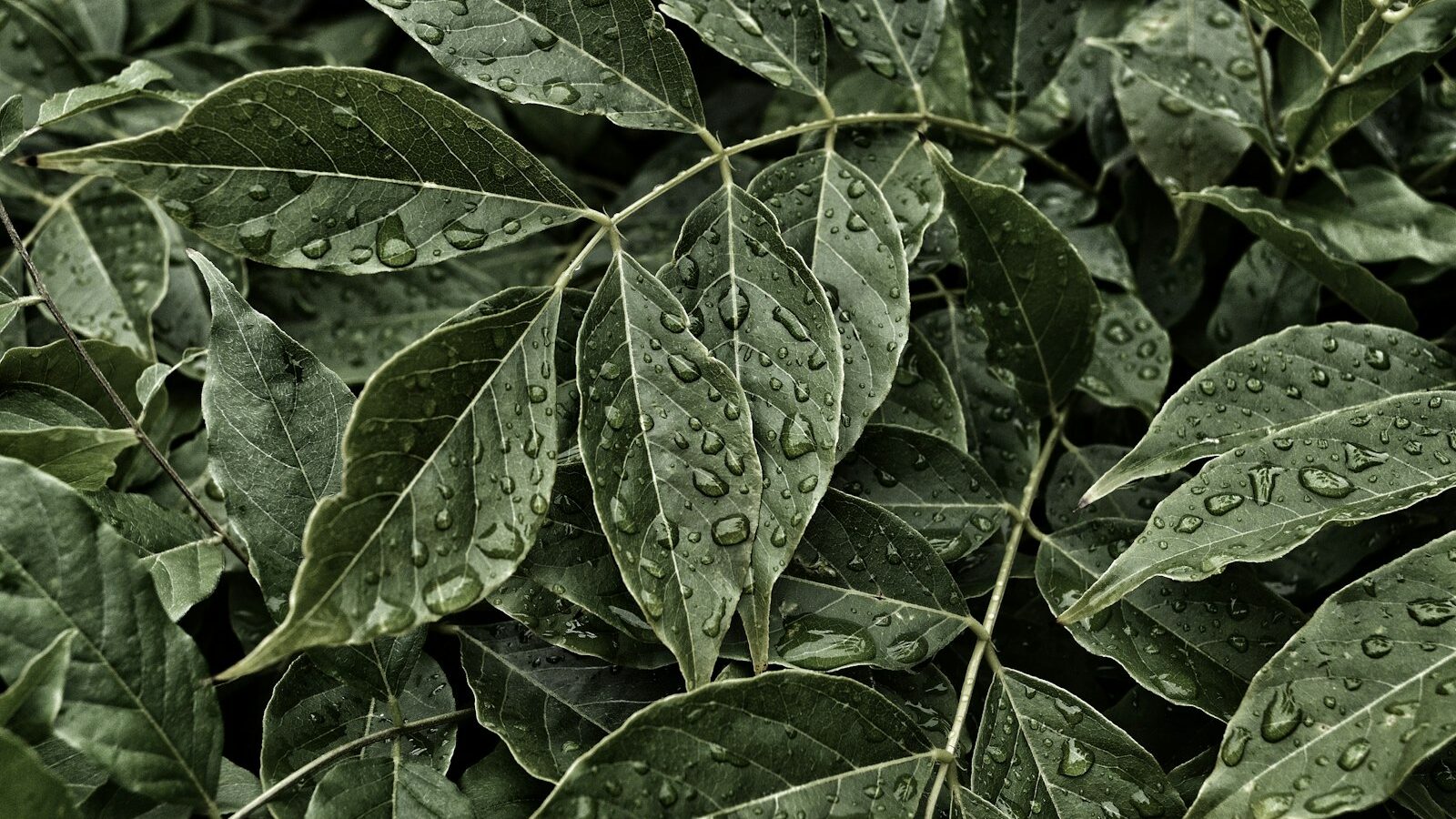
Here’s the short answer: the curry leaf plant (Murraya koenigii) is a tender tropical tree that needs full sun, warm temperatures, well-drained soil, and regular feeding to produce the fragrant leaves prized in South Indian cooking. It is hardy outdoors only in USDA zones 9 to 12, so in most of the country you grow it in a container and bring it indoors before the first frost to overwinter it. The plant is genuinely cold-sensitive, dropping leaves and dying back below about 40°F and rarely surviving a hard freeze, but it is otherwise forgiving and long-lived. With a sunny spot, restrained watering, and a warm winter home, a single plant can supply a kitchen with fresh curry leaves for decades. Note that curry leaf is unrelated to curry powder, which is a spice blend.
Key Takeaways
- Tropical and tender: curry leaf is hardy only in USDA zones 9-12 and must be grown in a pot and overwintered indoors everywhere colder.
- Full sun and warmth: give it 6+ hours of direct sun and temperatures above 65°F for active growth; it stalls below 50°F.
- Don’t overwater: let the top inch or two of soil dry between waterings; soggy roots are the most common killer.
- Feed regularly in summer: it is a hungry plant that responds to monthly feeding for lush, flavorful leaves.
- Overwinter cool and bright: bring it in before frost, reduce water, expect some leaf drop, and resist the urge to overwater dormant plants.
What Is a Curry Leaf Plant?
The curry leaf plant is a small tropical tree or large shrub native to India and Sri Lanka, in the citrus family (Rutaceae). In its native climate it can reach 15 to 20 feet, but in containers it usually stays a manageable 3 to 6 feet. It produces glossy, pinnate leaves made up of many small leaflets, and these leaves carry a distinctive warm, citrusy, nutty aroma that is the backbone of countless South Indian and Sri Lankan dishes. Leaves are typically fried in hot oil or ghee at the start of cooking to release their fragrance into dals, curries, chutneys, and rice dishes.
One important point of confusion: curry leaves have nothing to do with the curry powder sold in supermarkets. Curry powder is a blend of ground spices such as turmeric, coriander, and cumin, while curry leaf is a single fresh herb with its own unique flavor. There is also no good substitute, and dried curry leaves lose most of their aroma, which is exactly why growing your own is worthwhile.
Light, Temperature, and Where to Grow
Sun
Curry leaf is a sun-lover. Outdoors in summer, give it the brightest spot you have, at least six hours of direct sun a day, and more is better. Strong light produces compact, leafy growth and the most aromatic leaves. Indoors over winter, place it at your sunniest south- or west-facing window, and supplement with a grow light if your light is weak, since low winter light leads to leggy, sparse growth.
Temperature and hardiness
This is the make-or-break factor. Curry leaf grows actively when temperatures stay above 65°F and slows or stops below about 50°F. It is reliably hardy in the ground only in USDA zones 9 to 12, roughly southern Florida, south Texas, and the warmest parts of California and the Gulf Coast. Below 40°F it begins to suffer, and a hard freeze will kill an unprotected plant. For the vast majority of US gardeners, that means growing it in a container that can move indoors. Do not leave it outside once nights dip below 45 to 50°F in fall.
Soil, Containers, and Planting
Use a rich but fast-draining potting mix; a quality general potting soil amended with extra perlite or coarse sand works well, and a slightly acidic to neutral pH (6.0 to 7.0) is ideal. Always choose a container with drainage holes. Start a young plant in a pot only a size or two larger than its root ball, then pot up gradually as it grows; curry leaf actually performs better when its roots are somewhat snug, and an oversized pot holds too much wet soil. A 5- to 10-gallon container suits a mature plant.
Most home growers start with a purchased plant, since seeds are slow and finicky and seed viability fades within days of harvest. Curry leaf also produces suckers from the base and roots; these can be dug and potted up to make new plants, which is the easiest way to propagate. If you grow it in the ground in a warm zone, space plants well and give them room, as they sucker and spread over time.
Watering and Feeding
Watering
During the warm growing season, water thoroughly when the top inch or two of soil feels dry, then let it drain completely. Curry leaf likes regular moisture in summer heat but absolutely will not tolerate sitting in soggy soil; root rot from overwatering is the number-one reason these plants die. In winter, when growth slows or stops, cut watering back sharply and let the soil dry more between drinks. Yellowing, dropping leaves in winter are often a sign of overwatering a semi-dormant plant, not underwatering.
Feeding
Curry leaf is a hungry plant during active growth. From spring through late summer, feed every two to four weeks with a balanced liquid fertilizer. Many growers find it responds especially well to occasional doses of diluted buttermilk or fish emulsion, and to iron supplements if leaves yellow between the veins, a sign of iron chlorosis common in alkaline conditions. Stop feeding entirely in fall and winter while the plant rests.
Pruning and Encouraging Bushy Growth
Young plants often grow tall and spindly with a single stem. To build a fuller, bushier plant with more harvestable leaves, pinch out the growing tip once the plant is 8 to 12 inches tall. This forces side branching. Continue tip-pinching new shoots through the growing season. Removing flower buds also redirects energy into leaf production, though many cooks enjoy letting some flowers and the small black berries form. Harvesting leaves regularly itself acts as a light pruning that keeps the plant compact.
Overwintering a Curry Leaf Plant
Because it is tender, overwintering is the key skill for cold-climate growers. Bring the plant indoors well before the first frost, once nighttime temperatures begin dipping below 45 to 50°F. Place it in your brightest window or under a grow light, in a spot that stays above 55 to 60°F if possible. Expect the plant to slow down and shed some or even most of its leaves over winter, this is normal, and the plant is not dead. A bare, twiggy curry leaf in January will often flush out new growth again in spring.
The biggest overwintering mistake is overwatering. A dormant, slow-growing plant uses very little water, so let the soil dry well between waterings and stop fertilizing completely. Watch for spider mites and scale, which thrive on stressed indoor plants in dry winter air; wipe leaves occasionally and treat infestations with insecticidal soap or neem oil. When warm weather returns in spring, harden the plant off gradually over a week or two before moving it back outside, and resume feeding as new growth appears. For more on protecting tender plants through the cold months, see our guide on bringing houseplants inside for winter.
Harvesting and Using Curry Leaves
Harvest leaves as you need them once the plant is established and growing well, picking whole sprigs or stripping individual leaflets. Always use them fresh for the best flavor; they fry up beautifully in hot oil to perfume a dish. Surplus leaves freeze well in a sealed bag and keep their aroma far better than dried leaves, so freezing is the preferred way to store a glut. If you enjoy growing fragrant culinary herbs, you might also like our guides to other kitchen-garden herbs on the Plants & Flowers hub, and gardeners watching for yellowing foliage will find our notes on why herb leaves turn yellow helpful for diagnosing nutrient issues.
Frequently Asked Questions
Can a curry leaf plant survive winter outdoors?
Only in USDA zones 9-12. Below about 40°F it suffers, and a hard freeze usually kills it. In colder regions you must grow it in a container and bring it indoors before frost to overwinter it.
Why is my curry leaf plant losing all its leaves?
Heavy leaf drop is common in winter as the plant goes semi-dormant in low light and cool temperatures, and is usually nothing to worry about. It can also signal overwatering or cold shock. Keep it warm and bright, water sparingly, and wait for spring regrowth.
Is curry leaf the same as curry powder?
No. Curry leaf is a single fresh herb from the Murraya koenigii tree, with a citrusy, nutty aroma. Curry powder is a ground blend of spices like turmeric, cumin, and coriander. They are completely different ingredients.
How do I make my curry leaf plant bushier?
Pinch out the growing tip when the plant reaches 8-12 inches to force side branching, keep pinching new shoots, remove flower buds to redirect energy, and harvest leaves regularly. Plenty of sun also encourages dense, compact growth.
Can I grow a curry leaf plant from seed?
Yes, but it is slow and tricky. The seeds (inside the ripe black berries) lose viability within days, so they must be planted fresh, and germination takes weeks. Most gardeners find it easier to buy a plant or grow from a rooted sucker.