

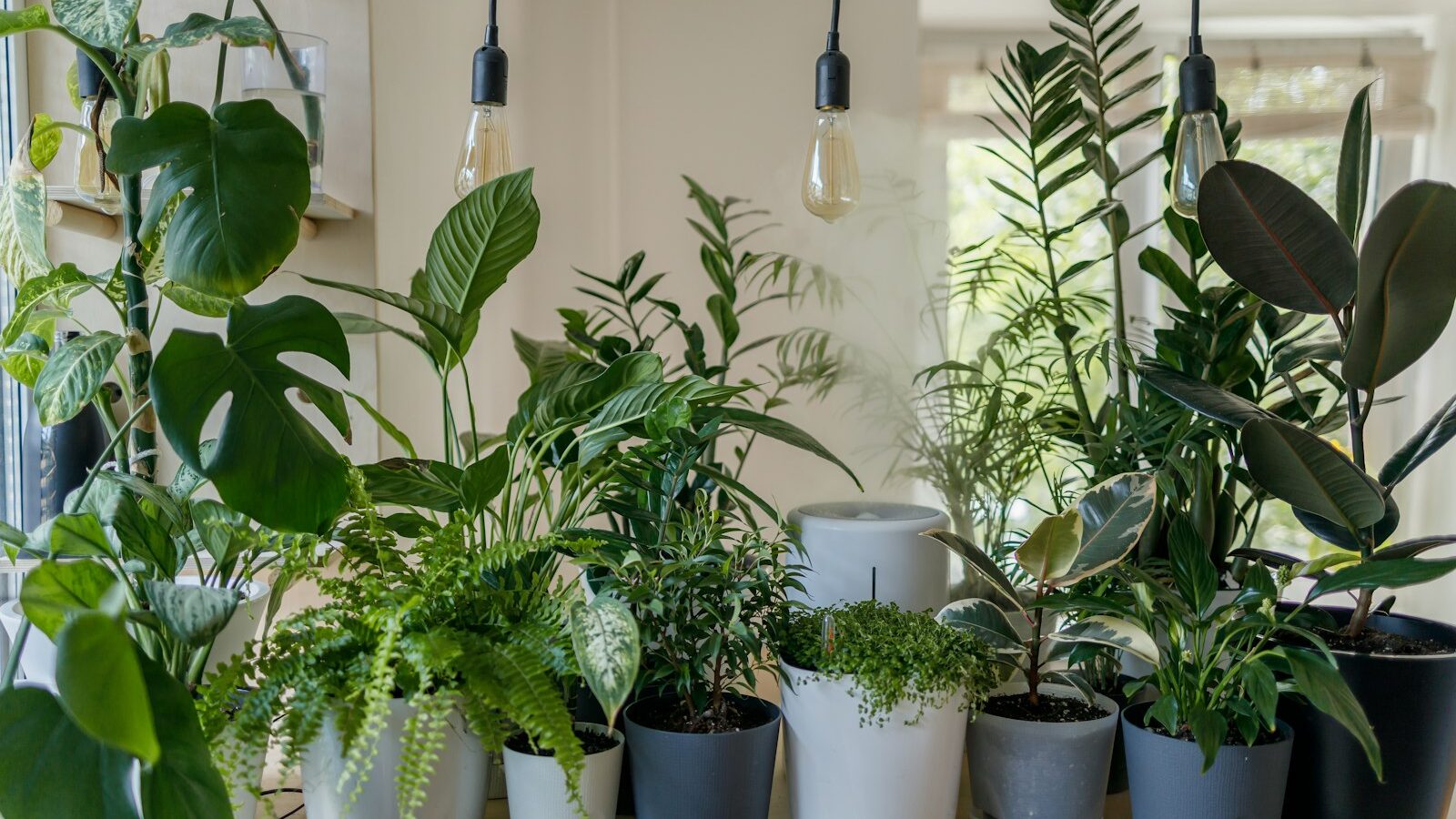
That collection of pots that thrived on your porch or patio all summer will not survive the first frost, and even hardy-looking tropicals start to suffer once nights drop below 50°F. Moving houseplants indoors for winter sounds as simple as carrying them through the door, but rushing it is how you end up with a whitefly infestation on every windowsill and plants dropping leaves in protest. Done properly, the move is a short, deliberate routine: time it before the cold sets in, inspect and treat for pests, ease plants into lower light, and reset your watering to match a darker, drier season. This guide walks through each step so your plants arrive indoors clean, calm, and ready to coast until spring.
Part of our Houseplants & Container Gardening guide →
In this guide
Key Takeaways
- Bring tropical houseplants in when night temperatures first hit 50-55°F, well before frost — usually mid-September to early October in most of the U.S.
- Inspect and treat every plant for pests outdoors first; a heated, predator-free house lets aphids, mites, and whitefly explode.
- Acclimate plants gradually to lower indoor light over one to two weeks to prevent shock and heavy leaf drop.
- Cut watering sharply — shorter days and cooler rooms mean plants use a fraction of their summer water.
- Stop fertilizing through winter; most houseplants rest and feeding only fuels weak, leggy growth.
- Some leaf drop after the move is normal acclimation, not a crisis — keep conditions stable and wait it out.
Timing: Move Plants Before the First Frost
The biggest mistake people make is waiting too long. Tropical houseplants — pothos, monstera, philodendron, ferns, hibiscus, citrus, and the like — are happiest above 60°F and start to stress as nights fall below 50-55°F. Cold-shocked plants drop leaves, stop growing, and become more vulnerable to rot, so the trigger to move them indoors is not frost but the first run of cool nights. In most of the northern and central U.S. that means mid-September to early October; in warmer zones 8-9 you may have until early November.
Watch the ten-day forecast and aim to bring plants in when overnight lows first approach 50°F, giving yourself a week or so of lead time before any frost is predicted. That cushion matters because the pest-treatment step works best while it is still mild enough to spray and rinse plants outdoors. The same window applies to tender plants you are overwintering rather than keeping as permanent houseplants — if you grow geraniums, for example, the timing lines up with our guide on how to overwinter geraniums indoors.
Step 1: Inspect and Treat for Pests
This is the step most people skip, and it is the one that ruins a winter. Outdoors, predators and weather keep pest populations in check. Indoors, a warm, dry, enemy-free house is paradise for aphids, spider mites, mealybugs, whitefly, scale, and fungus gnats — and one infested plant quickly contaminates the rest. Treat every plant before it crosses the threshold.
How to debug and treat a plant
- Inspect closely. Check both leaf surfaces, stems, leaf joints, and the soil line. Look for webbing (spider mites), sticky residue or sooty mold (aphids, scale, whitefly), white cottony tufts (mealybugs), and tiny flies (fungus gnats).
- Rinse. Hose down the entire plant, top and bottom of leaves, to knock off dust and a good share of the pests.
- Treat. Spray thoroughly with insecticidal soap or horticultural oil, coating leaf undersides. Repeat after 7-10 days to kill newly hatched eggs. For mealybugs and scale, dab them with a cotton swab dipped in rubbing alcohol.
- Deal with soil pests. To flush out ants, slugs, or grubs, submerge the pot in a tub of room-temperature water for 15-20 minutes; let it drain fully afterward. A layer of fresh topdressing helps suppress fungus gnats.
- Quarantine. Keep newly moved plants separated from existing houseplants for two to three weeks and re-inspect before grouping them together.
While you are at it, wipe down or replace dirty pots and remove dead leaves and spent flowers, which harbor disease. If a plant is badly root-bound, do any repotting now rather than in the dead of winter when growth has stalled.
Step 2: Acclimate Plants to Lower Light
The jump from bright outdoor shade to a dim indoor corner is enormous — even a sunny window delivers a fraction of the light a plant got outside, and winter days are short on top of that. Move a plant abruptly and it responds by dropping leaves, sometimes dramatically. Acclimating it gradually lets the plant grow new, more efficient “shade leaves” and minimizes the shock.
- About two weeks before the final move, shift outdoor plants from full sun into progressively shadier spots so they begin adjusting before they come inside.
- Indoors, give them the brightest spot available — an unobstructed south- or west-facing window for sun-lovers, east-facing or a few feet back for lower-light foliage plants.
- Keep plants off cold window glass and away from both heating vents and cold drafts, all of which stress foliage.
- If your home is genuinely dark, a simple LED grow light on a timer (12-14 hours a day) makes the difference between a plant that holds its leaves and one that defoliates.
- Rotate pots a quarter-turn weekly so plants don’t lean toward the light and grow lopsided.
Expect some yellowing and leaf drop in the first few weeks regardless — this is the plant shedding sun-grown foliage it can no longer support. As long as the stems stay firm and new growth eventually appears, the plant is simply re-balancing, not dying. Resist the urge to “fix” it with extra water or fertilizer, which only makes matters worse.
Step 3: Change Your Watering Routine
Indoor winter conditions — shorter days, cooler rooms, slower growth — mean plants use far less water than they did outdoors in summer heat. Keeping up a summer watering schedule is the fastest way to rot roots, and overwatering kills more overwintered houseplants than anything else. The rule is to water by the plant and the soil, not the calendar.
- Check before you water. Push a finger an inch or two into the soil; water only when it feels dry at that depth. For most foliage plants this means stretching intervals to every 10-14 days or longer.
- Water thoroughly, then drain. When you do water, soak until it runs from the drainage holes, then empty the saucer. Never let a pot sit in standing water.
- Use tepid water. Cold tap water shocks warm-loving roots; let it come to room temperature first.
- Mind the air, not just the soil. Forced-air heat dries the air to desert levels. Group plants together, set them on pebble trays, or run a humidifier to keep humidity-lovers like ferns and calatheas happy — but don’t compensate for dry air by overwatering the roots.
- Hold the fertilizer. Most houseplants rest in winter. Stop feeding from roughly November through February and resume only when new spring growth appears; off-season feeding pushes weak, leggy growth.
Common Problems After the Move
- Sudden leaf drop: usually light shock. Hold conditions steady, ease off water, and wait — new leaves come once the plant adjusts.
- Yellow lower leaves: often overwatering combined with low light. Let the soil dry further and improve light.
- Fine webbing on leaves: spider mites thriving in dry heat. Rinse, raise humidity, and treat with horticultural oil.
- Clouds of tiny flies: fungus gnats breeding in wet soil. Let the surface dry out, use sticky traps, and topdress with sand or grit.
- Leggy, stretched stems: too little light. Add a grow light and pinch back to encourage bushier growth.
Get the timing, pest check, light, and watering right and the rest of winter is mostly hands-off — your plants idle quietly until the lengthening days of late winter wake them up. For more small-space and container strategy through the cold months, browse our urban gardening hub, and revisit the routine each fall so it becomes second nature.
Frequently Asked Questions
When should I bring my houseplants inside for winter?
Move tropical houseplants indoors when overnight lows first reach 50-55°F, not when frost is forecast. In most of the U.S. that is mid-September to early October. Acting early gives you time to inspect and treat for pests while it is still mild enough to work outdoors.
How do I check houseplants for pests before bringing them in?
Examine both sides of every leaf, the stems, leaf joints, and the soil line for webbing, sticky residue, white tufts, or tiny flies. Rinse the plant down, spray with insecticidal soap or horticultural oil (twice, a week apart), and quarantine new arrivals for two to three weeks.
Why is my plant dropping leaves after coming indoors?
It is usually shedding sun-grown foliage it can no longer support in lower indoor light. As long as the stems stay firm, this is normal acclimation. Keep conditions stable, avoid overwatering, and new shade-adapted leaves will follow.
How often should I water houseplants in winter?
Much less than in summer. Check the soil and water only when the top inch or two is dry — often every 10-14 days or longer for foliage plants. Water thoroughly, drain the saucer, and never leave pots in standing water, which rots roots.
Should I fertilize houseplants over winter?
No. Most houseplants rest in winter, so stop feeding from about November through February. Off-season fertilizer fuels weak, leggy growth. Resume a regular feeding schedule only when you see fresh growth in late winter or early spring.