

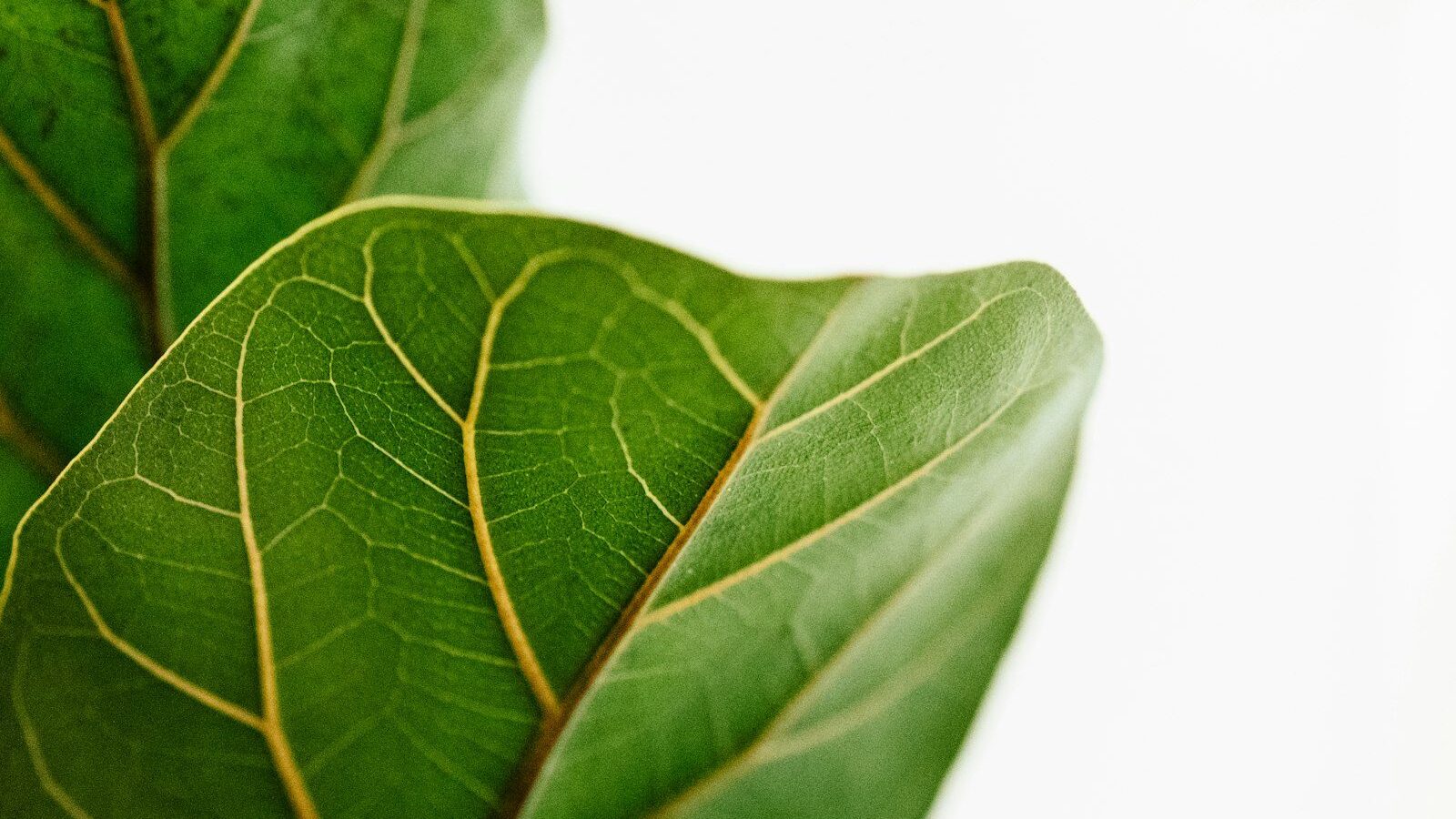
The fiddle leaf fig (Ficus lyrata) is the supermodel of houseplants: tall, sculptural, with huge violin-shaped leaves that turn a corner into a statement. It also has a reputation for being temperamental, but most of that drama comes from one trait — it hates change and inconsistency. Move it constantly, water erratically, or park it in a dim corner and it sulks, drops leaves, and spots. Give it steady bright light, a reliable watering rhythm, and a stable spot, and it settles into being a striking, long-lived plant. This guide lays out exactly what consistency looks like and how to fix the brown spots and leaf drop that plague new owners.
Key Takeaways
- Needs lots of bright, indirect light — right beside a sunny east or south window. Too little light is the top cause of decline.
- Water when the top 2 inches of soil dry out, roughly every 7 to 10 days; consistency matters more than frequency.
- Wants 40 to 60 percent humidity and stable temperatures of 65 to 75 F. Avoid drafts and sudden moves.
- Use a well-draining mix and a pot with drainage holes; never let it sit in water.
- Brown spots and leaf drop usually trace to overwatering, dry air, cold drafts, or a change in location.
- Toxic to cats and dogs; the sap also irritates skin, so wash up after pruning.
Light: bright and plentiful
More than anything, a fiddle leaf fig needs light — and lots of it. This is a true tree that grows in bright tropical conditions, so the dim corner where it often ends up as decor is a slow death sentence. Place it right next to a bright window, ideally east-facing for gentle morning sun or south-facing with the strong midday rays filtered by a sheer curtain. It can take a few hours of soft direct morning sun, but harsh, prolonged afternoon sun through glass will scorch the leaves.
Signs of too little light include leggy, stretched growth, small new leaves, and lower leaves dropping. Because it grows toward the light, rotate the plant a quarter turn every week or two so it develops evenly instead of leaning. If your home is genuinely short on natural light, a strong LED grow light running 10 to 12 hours a day makes a real difference. Wipe the big leaves with a damp cloth every couple of weeks — dust accumulates fast on that broad surface and blocks the light the plant is already short on.
Watering: rhythm over rules
Fiddle leaf figs are sensitive to both overwatering and underwatering, and they punish inconsistency with brown spots and dropped leaves. The goal is a steady rhythm. Water thoroughly when the top 2 inches of soil have dried out — check with a finger or wooden chopstick — which in a bright, warm spot usually lands around every 7 to 10 days. When you water, soak until it runs from the drainage holes, then let the pot drain fully and empty the saucer. Standing water is a fast track to root rot.
Overwatering shows as dark brown spots that often start in the center of the leaf, sometimes with leaf drop and a soggy root ball. Underwatering shows as crispy brown edges, curling, and limp leaves with dry soil pulled away from the pot’s sides. Aim to keep the watering interval as consistent as the season allows, watering a little less in the lower light of winter. Use room-temperature water, and if your tap water is heavily chlorinated, let it sit out overnight or use filtered water. The single most useful habit is checking the soil before every watering rather than pouring on a fixed schedule.
Humidity, temperature, and stability
As a tropical plant, the fiddle leaf fig prefers 40 to 60 percent humidity. Average homes are often drier, especially in winter, so a humidifier nearby helps keep the leaf edges from browning. Grouping plants or using a pebble tray also nudges humidity up. Keep temperatures stable between 65 and 75 F and shield the plant from anything below 55 F.
Stability is the watchword with this plant. It dislikes cold drafts from doors and windows, the hot dry air of heating vents, and sudden temperature swings — any of these can trigger leaf drop. It also resents being moved; relocating it often causes a round of dropped leaves as it readjusts. Pick a good bright spot and leave it there. When you do need to move it, expect a brief sulk and resist the urge to “fix” it by overwatering, which only makes things worse.
Soil, pots, and feeding
Use a well-draining, quality potting mix; an indoor-tree or houseplant blend works well, or amend standard potting soil with perlite and a little orchid bark for better aeration. The mix should hold some moisture but drain freely so the roots never sit waterlogged. Always plant in a container with drainage holes, sized only a couple of inches larger than the root ball — an oversized pot holds excess wet soil and invites rot.
Feed during the growing season from spring through early fall with a balanced liquid fertilizer (or one formulated for fiddle leaf figs) at the recommended rate, roughly every 2 to 4 weeks while the plant is actively growing. These are vigorous growers when happy and appreciate the nutrients. Stop feeding in late fall and winter when growth slows, and never fertilize a stressed or recently repotted plant, which can burn the roots.
Repotting, pruning, and propagation
Repotting
Repot every 1 to 2 years while young and growing fast, moving up just one pot size in spring. Signs it is time include roots circling the surface or escaping the drainage holes and water running straight through. For very large floor specimens that are awkward to repot, top-dress instead — scrape off the top few inches of old soil and replace it with fresh mix each spring. Handle the root ball gently and keep the plant in the same bright spot afterward to minimize stress.
Pruning and shaping
Prune in spring or summer to control height, remove damaged leaves, or encourage branching. Cutting the top growing tip prompts the plant to branch out below, which is how you turn a single bare stalk into a fuller, tree-like shape. Use clean, sharp shears and cut just above a leaf node. The cut stem oozes a white, milky sap that irritates skin, so wear gloves or wash your hands promptly and keep it off furniture.
Propagation
Stem cuttings root readily. Take a cutting with a node and a leaf or two, let the cut end stop oozing, then place it in water or moist potting mix in bright indirect light. Roots typically appear in 4 to 8 weeks; once they reach a couple of inches, pot the cutting up. Air layering is another reliable method for larger stems. For more ways to propagate statement plants, browse our plants and flowers guides.
Common problems and fixes
Brown spots on the leaves
Brown spots are the fiddle leaf fig’s signature complaint, and the location is a clue. Dark spots starting in the center of the leaf, often with soggy soil, point to overwatering and root rot — let the soil dry more and check the roots. Crispy brown edges and tips signal dry air or underwatering. Tan, bleached patches mean sunburn from direct rays. Match the fix to the pattern.
Dropping leaves
Leaf drop is almost always a stress response: a recent move, cold drafts, a temperature swing, over- or underwatering, or too little light. Identify what changed, correct it, and then leave the plant alone in a stable bright spot to recover. Resist reacting to leaf drop by drastically changing care, which only adds more stress.
Root rot and pests
Root rot from soggy soil shows as widespread browning, a musty smell, and mushy roots; unpot, trim the rotted roots with sterilized shears, and repot in fresh well-draining mix. For pests, watch for spider mites, mealybugs, and scale, especially in dry conditions. Wipe the leaves regularly and treat any infestation with insecticidal soap or diluted neem oil every 7 days until it clears. A consistent bright, humid setting prevents most issues — see more guidance in our indoor and small-space growing tips.
Is the fiddle leaf fig toxic to pets?
Yes. Like other Ficus species, the fiddle leaf fig contains irritating compounds and a milky sap that is toxic to cats and dogs. Chewing the leaves causes mouth and stomach irritation, drooling, and vomiting, and the sap can irritate skin on contact. Keep the plant out of reach of pets and small children, wash your hands after pruning, and contact your vet if your animal ingests any part of it.
Frequently Asked Questions
How often should I water a fiddle leaf fig?
Water when the top 2 inches of soil are dry, usually every 7 to 10 days in a bright, warm spot. Consistency matters more than frequency — these plants react badly to erratic watering, so check the soil each time rather than following a strict calendar.
Why does my fiddle leaf fig have brown spots?
The location tells you why. Dark spots in the leaf center with soggy soil mean overwatering and root rot. Crispy brown edges mean dry air or underwatering. Bleached tan patches mean sunburn. Match the fix to the pattern you see.
Why is my fiddle leaf fig dropping leaves?
Leaf drop is a stress response — usually from being moved, a cold draft, a temperature swing, inconsistent watering, or low light. Find what changed, correct it, and then leave the plant in a stable, bright spot to recover rather than overcorrecting.
How much light does a fiddle leaf fig need?
A lot. Place it right beside a bright east or south window with filtered direct sun. Too little light is the top cause of decline, leading to leggy growth, small leaves, and dropping. Rotate it regularly so it grows evenly.
Are fiddle leaf figs toxic to cats and dogs?
Yes. They contain irritating compounds and a milky sap toxic to cats and dogs, causing mouth and stomach irritation, drooling, and vomiting if chewed. The sap also irritates skin. Keep it out of reach and call your vet if a pet ingests any.
The fiddle leaf fig is far less fussy than its reputation suggests once you grasp its core need: consistency. Bright light, a steady watering rhythm, stable warmth, and a permanent home are all it really asks. Pick a sunny corner, settle into a routine, and resist fussing over it, and this dramatic indoor tree will reward you with glossy new leaves and years of architectural presence.