

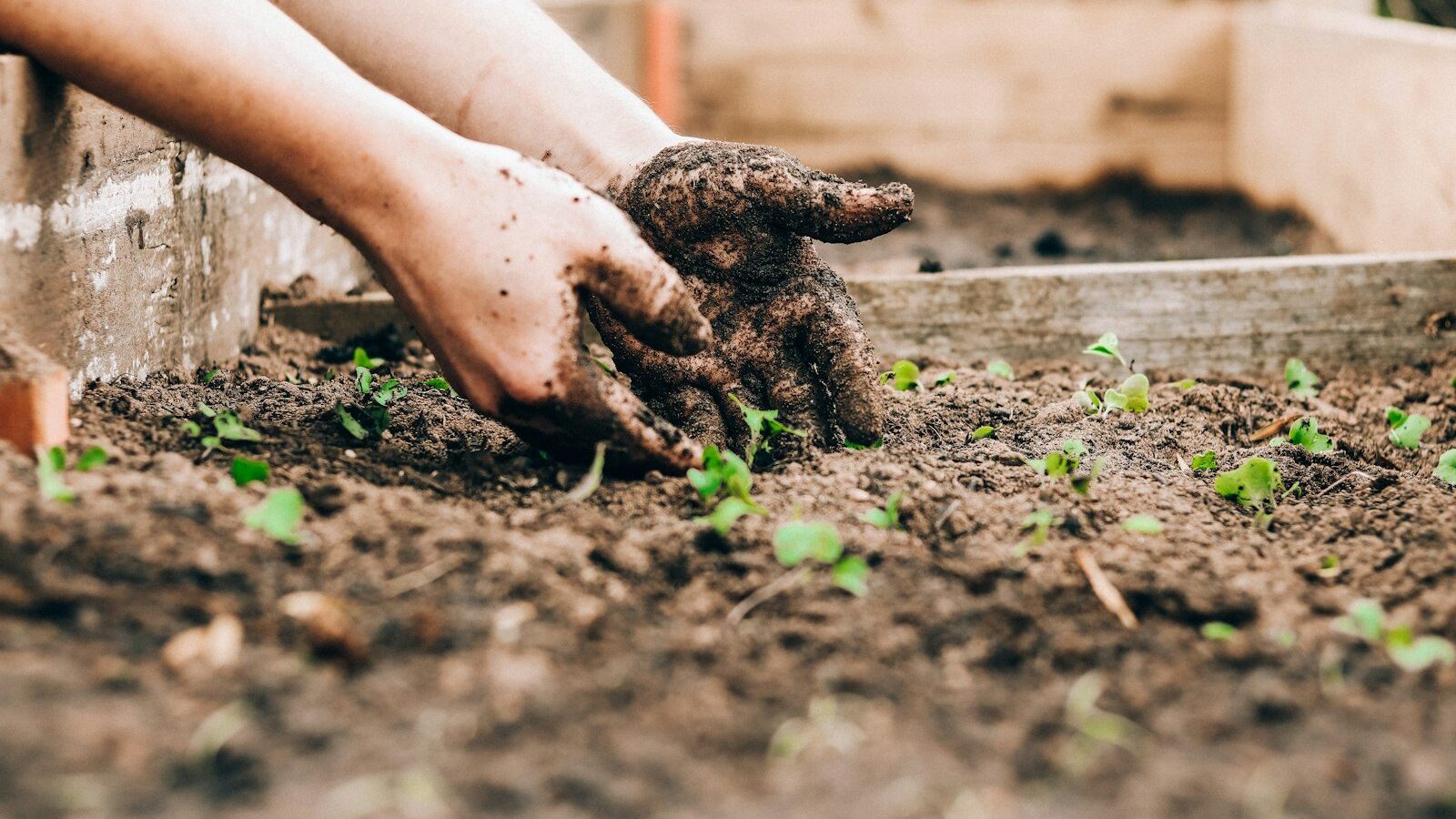
The easiest vegetables to grow are the ones that sprout reliably from seed, grow fast and shrug off minor mistakes: radishes, leaf lettuce, bush beans, zucchini, cherry tomatoes, peas, kale, Swiss chard, cucumbers, scallions, potatoes and garlic. Plant the cool-season crops (radishes, lettuce, peas, kale, chard) in early spring or fall, and the warm-season crops (beans, zucchini, tomatoes, cucumbers) after your last frost. Give them 6 to 8 hours of sun, loose soil with compost and steady water, and a first-time gardener can expect a real harvest. Below is each crop’s timing, spacing and the one thing most likely to trip you up.
Part of our Vegetable Gardening & Raised Beds guide →
In this guide
Key Takeaways
- Start small: a 4-by-8-foot raised bed or a few large containers is plenty for a first season.
- Match crops to the season: cool-season crops in spring and fall, warm-season crops after the last frost.
- Buy transplants for tomatoes and peppers; direct-sow beans, radishes, lettuce, peas, zucchini and cucumbers.
- Most vegetables need 6 to 8 hours of direct sun; leafy greens tolerate partial shade.
- Consistent watering, about 1 inch a week, solves more beginner problems than any fertilizer.
Easy Vegetables at a Glance
| Vegetable | Season | Plant as | Spacing | Days to harvest |
|---|---|---|---|---|
| Radishes | Cool (spring, fall) | Seed | 1–2 in apart | 22–30 |
| Leaf lettuce | Cool | Seed or transplant | 6–8 in (or thick rows for baby greens) | 30–50 |
| Bush beans | Warm | Seed | 3–4 in apart | 50–60 |
| Zucchini | Warm | Seed or transplant | 24–36 in | 45–55 |
| Cherry tomatoes | Warm | Transplant | 24–36 in | 55–70 from transplant |
| Peas | Cool (early spring) | Seed | 2 in apart | 55–70 |
| Kale | Cool (tolerates heat) | Seed or transplant | 12–18 in | 50–65; baby leaves sooner |
| Swiss chard | Cool to warm | Seed or transplant | 8–12 in | 50–60; baby leaves sooner |
| Cucumbers | Warm | Seed | 12 in on a trellis | 50–65 |
| Scallions | Cool to warm | Seed or sets | 1–2 in | 60–70 |
| Potatoes | Cool (early spring) | Seed potatoes | 12 in | 70–100 |
| Garlic | Fall-planted | Cloves | 6 in | About 8–9 months |
Days to harvest vary by variety and weather; check your seed packet. Find your average last spring frost and first fall frost dates by ZIP code from your local extension service, and plan from there. For a bigger-picture plan, our guide on how to plan a vegetable garden covers layout, rotation and succession planting, and our vegetable gardening guide links to crop-by-crop guides.
The 12 Easiest Vegetables
1. Radishes
The fastest crop in the garden. Sow seeds 1/2 inch deep, 1 inch apart, from about 4 weeks before your last frost until late spring, then again in late summer for fall. You can pull radishes in as little as three to four weeks. Watch out for: heat. Radishes sown in midsummer bolt and turn woody and hot; stick to spring and fall. Thin seedlings to 2 inches so roots can swell.
2. Leaf Lettuce
Loose-leaf types like ‘Black Seeded Simpson’, ‘Salad Bowl’ and mesclun mixes are far easier than heading lettuce. Sow 1/8 inch deep in early spring, as soon as the soil can be worked, and again from late summer. Harvest outer leaves or cut the whole patch 1 inch above the soil and let it regrow. Watch out for: bolting in hot weather. Give lettuce afternoon shade in late spring and sow small batches every two weeks. Our roundup of the best lettuce seeds names reliable, slow-bolting varieties.
3. Bush Beans
Bush beans need no trellis, grow quickly and keep producing for weeks if you pick regularly. Sow 1 inch deep, 3 to 4 inches apart, once soil reaches about 60°F, usually 1 to 2 weeks after the last frost. Watch out for: planting into cold, wet soil, which rots seeds. Wait for warmth, and pick pods every couple of days once they start. Our list of the best green bean seeds includes beginner-friendly bush varieties.
4. Zucchini
One or two plants feed a family. Sow two or three seeds per spot after the last frost, then thin to the strongest plant. Each plant spreads 3 feet or more. Watch out for: overgrown fruit. Pick at 6 to 8 inches every day or two in midsummer; giant zucchini are watery and slow the plant. Squash vine borers can collapse plants in the East; a second sowing in early July often escapes them.
5. Cherry Tomatoes
Cherry tomatoes ripen earlier and more reliably than large slicers and crack less in uneven weather. Buy sturdy transplants and plant them deep, burying the stem up to the top few leaves, 1 to 2 weeks after the last frost. Stake or cage at planting. Watch out for: irregular watering, which causes split fruit and blossom end rot. Mulch and water deeply at the base. Determinate patio varieties suit containers.
6. Peas
Snap and snow peas are among the first crops you can plant, often 4 to 6 weeks before the last frost. Sow 1 inch deep, 2 inches apart along a short trellis or fence. Watch out for: planting too late. Peas stop producing once temperatures regularly top the 80s°F, so in most of the US they are an early spring crop (or a fall crop in mild climates).
7. Kale
Kale tolerates cold, light frost and some summer heat, and keeps producing for months. Plant transplants or sow seed in early spring and again in late summer for fall, when frost actually sweetens the leaves. Harvest the lower leaves and let the top keep growing. Watch out for: cabbage worms and aphids; check undersides of leaves and use row cover or Bt for caterpillars.
8. Swiss Chard
Chard is one of the most productive and least fussy greens, handling both cool and hot weather better than spinach. Sow 1/2 inch deep in spring and thin to 8 to 12 inches. Colorful varieties like ‘Bright Lights’ double as ornamentals. Watch out for: leaf miners; remove affected leaves promptly.
9. Cucumbers
Grown on a trellis, cucumbers take little ground space and produce heavily. Sow seeds 1 inch deep once soil is warm, 1 to 2 weeks after the last frost. Watch out for: drought stress, which makes cucumbers bitter, and cucumber beetles. Water consistently and pick fruit young.
10. Scallions (Green Onions)
Bunching onions grow from seed in a narrow row and need almost no care. Sow in early spring and every few weeks through summer. You can even regrow grocery-store scallions by planting the white root ends. Watch out for: weeds; onion seedlings are thin and easily overrun, so weed early.
11. Potatoes
Potatoes are easy and fun, especially for kids. Plant certified seed potatoes (not grocery potatoes, which may carry disease or sprout inhibitors) 2 to 4 weeks before the last frost, 4 inches deep and 12 inches apart. Hill soil around stems as they grow. Harvest new potatoes after flowering, or full-size ones after vines die back. Watch out for: green potatoes; keep tubers covered with soil or mulch, as exposed skin turns green and should not be eaten.
12. Garlic
Garlic is planted in fall, about 4 to 6 weeks before the ground freezes, and largely ignored until harvest the next summer. Plant individual cloves pointed end up, 2 inches deep and 6 inches apart, and mulch. Hardneck types suit cold regions; softneck types suit mild climates. Watch out for: harvesting too late; dig when the lower third of leaves have browned.
Setting Up for Success
Sun
Fruiting crops (tomatoes, beans, cucumbers, zucchini) need 6 to 8 hours of direct sun. Leafy greens, radishes and scallions manage with 4 to 6 hours. Pick the sunniest spot you have.
Soil
Raised beds filled with a blend of topsoil and compost are the most forgiving setup for beginners because they drain well, warm quickly and avoid compacted native soil. In-ground beds work too: loosen soil 8 to 12 inches deep and mix in 2 to 3 inches of compost. Our raised bed vegetable garden layout guide shows how to fit these crops into a 4-by-8 bed.
Water
Aim for about 1 inch per week, delivered deeply at the base of plants rather than sprinkled on leaves. Mulch with straw or shredded leaves to hold moisture and block weeds. Containers need checking daily in summer.
Containers
No yard? Lettuce, radishes, chard, scallions, bush beans, cherry tomatoes and even potatoes do well in pots. Use containers at least 12 inches deep for most crops and 5 gallons or more for tomatoes and zucchini. See our guide to the best vegetables to grow in containers for pot sizes and varieties.
A Simple First-Year Plan
- Early spring (4–6 weeks before last frost): peas, potatoes, radishes, lettuce, kale, chard, scallions.
- After last frost: cherry tomato transplants, bush beans, zucchini, cucumbers.
- Midsummer: second sowings of bush beans and zucchini; harvest heavily.
- Late summer: fall sowings of radishes, lettuce, kale and chard.
- Fall: plant garlic for next year.
Vegetables Beginners Might Postpone
Some crops reward experience. Cauliflower and head lettuce are sensitive to temperature swings; celery needs a long, steady season; melons and large pumpkins demand space and a long, hot summer; carrots and onions from seed are slow to germinate and easy to lose to weeds. Try them in your second or third season once the easy crops are dialed in.
Frequently Asked Questions
What is the easiest vegetable to grow for beginners?
Radishes are the quickest and most forgiving, ready in about a month. Bush beans and leaf lettuce are close behind.
What vegetables grow fastest?
Radishes (about 3 to 4 weeks), baby lettuce and other baby greens (about 3 to 4 weeks), and scallions grown for thin green tops.
Should beginners start vegetables from seed or transplants?
Direct-sow beans, peas, radishes, lettuce, zucchini and cucumbers. Buy transplants for tomatoes and peppers, which need a long indoor start.
How big should a beginner vegetable garden be?
One 4-by-8-foot raised bed or a few large containers is enough for a first season and keeps watering and weeding manageable.
What vegetables grow well in partial shade?
Leaf lettuce, kale, Swiss chard, radishes and scallions manage with about 4 to 6 hours of direct sun.