

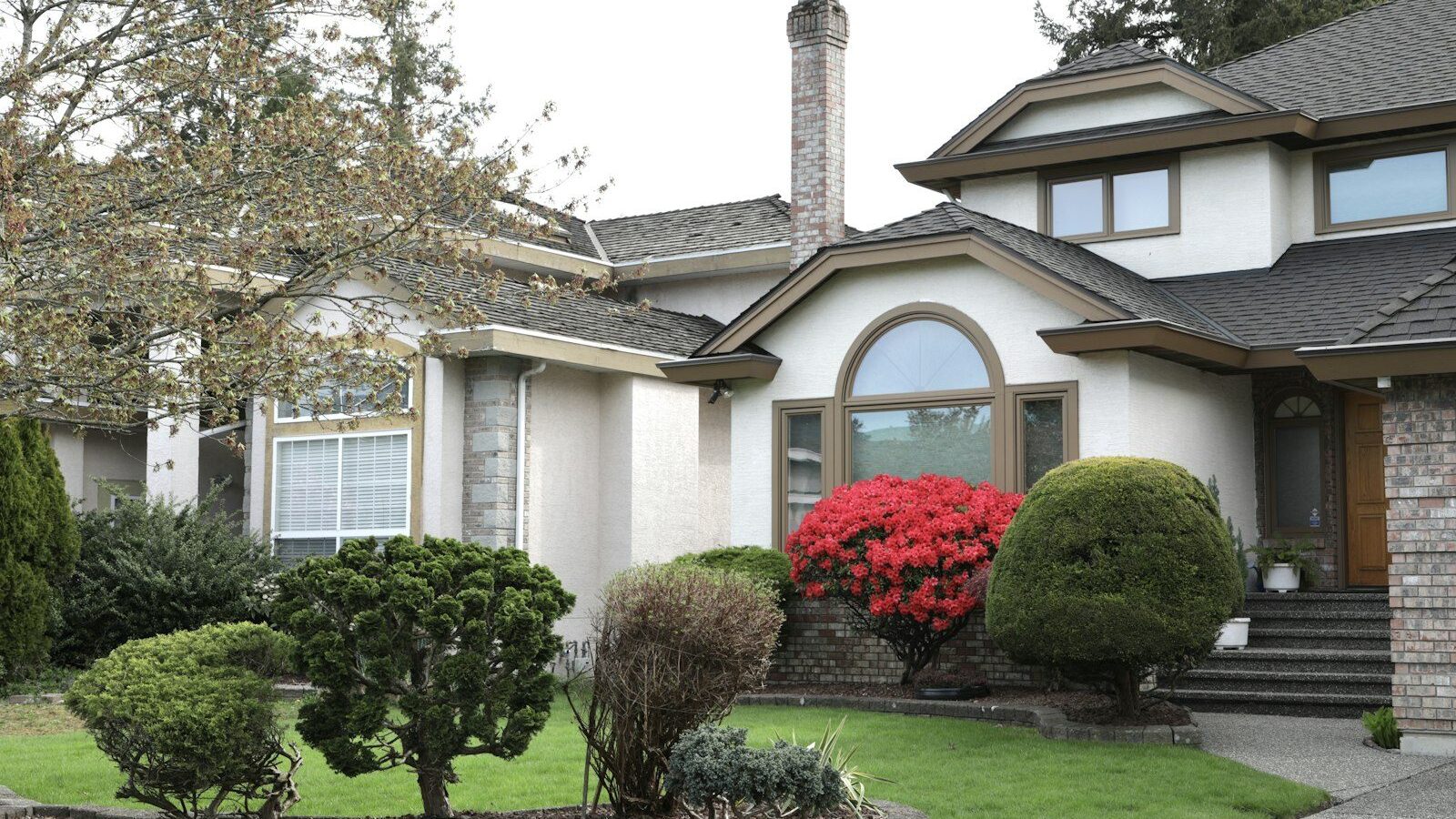
Curb appeal is the first impression your home makes, and it is measurable: a well-landscaped front yard can return a meaningful share of its cost at resale, and it sells faster because buyers form an opinion before they reach the front door. The good news is that the highest-impact improvements are not the most expensive ones. A crisp bed edge, a layered planting at the foundation, and a defined path do more for a buyer’s gut reaction than a pricey water feature ever will. This guide gives you 15 concrete curb appeal ideas, organized roughly from biggest bang-for-buck to bigger investments, with specific plants, dimensions, and budget ranges so you can pick the ones that fit your house and wallet.
Part of our Landscaping & Hardscaping guide →
In this guide
Key Takeaways
- Edging beds, refreshing mulch, and trimming overgrowth are the cheapest, highest-return moves — under $200 and a weekend.
- Layer foundation plantings in three tiers: low groundcover in front, mid shrubs, taller anchors at corners and windows.
- Use the “thriller, filler, spiller” rule and odd-numbered groupings of 3, 5, or 7 for a designed look.
- Frame the front door and define the walkway — these draw the eye exactly where you want it.
- Pick plants for your USDA zone and sun exposure; mass three to five of one variety rather than one of everything.
Quick wins under $200
1. Cut a clean bed edge
Nothing tidies a yard faster than a sharp, defined edge between lawn and bed. Use a half-moon edger or a flat spade to cut a 3–4 inch deep, V-shaped trench along every bed. The crisp line frames your plantings and stops grass from creeping in. Cost: $0 if you own a spade, an afternoon of labor. Re-cut it once or twice a season to keep it looking maintained.
2. Refresh the mulch
A fresh 2–3 inch layer of dark hardwood or pine mulch makes beds look instantly cared for and suppresses weeds. Keep mulch 2–3 inches back from plant stems and trunks — never volcano-mulch a tree. A typical front yard needs 1–3 cubic yards; figure $35–$50 per yard delivered, so $100–$150 covers most homes. If you are unsure how much you need, our mulch calculator guide walks through the math.
3. Prune overgrowth off the house
Shrubs that swallow windows or block the entry make a house look neglected and smaller. Cut foundation shrubs back so the bottom of every window is visible and the front door reads clearly from the street. Remove dead branches and any limbs touching the siding or roof. This costs nothing but time and instantly opens up the facade.
4. Add seasonal color at the entry
A pair of matching containers flanking the front door is the cheapest high-impact upgrade there is. Use the “thriller, filler, spiller” formula: a tall centerpiece (a spike, a small grass, or a dwarf evergreen), mid-height fillers (geraniums, coleus, or petunias), and trailers spilling over the rim (sweet potato vine, calibrachoa, ivy). Two 16–20 inch pots plus plants run $60–$120 and read as care from the curb.
Layered foundation plantings ($300–$1,500)
5. Build planting in three tiers
The single most professional-looking move is to layer your foundation beds front to back. Put low groundcover or perennials (12–18 in tall) at the front edge, mid-height shrubs (2–3 ft) in the middle, and taller anchor shrubs or small trees (4–6 ft) at the house corners and between windows. The tiers give depth and stop the “row of green meatballs” look. Keep the tallest plants away from window centers so they frame rather than block.
6. Anchor the corners
Soften the hard vertical lines where walls meet with an upright anchor plant. Good choices by zone: dwarf Alberta spruce or arborvitae (cold zones), boxwood pyramids or hollies (mid zones), or pittosporum and Japanese boxwood (warm zones). Plant corner anchors 3–4 ft out from the corner and allow for mature spread so they don’t crowd the siding.
7. Mass plants in odd numbers
Resist the urge to buy one of everything. Group 3, 5, or 7 of the same plant for a deliberate, cohesive look. Mass evergreen boxwood, drifts of daylilies, or sweeps of ornamental grass like ‘Karl Foerster’ feather reed grass. Repeating the same plant in two or three spots across the front ties the whole composition together. Boxwood is a workhorse here — see our guide on how to grow boxwood for spacing and pruning.
8. Add a flowering shrub for the seasons
Evergreens give structure, but flowering shrubs give moments. Work in hydrangeas, azaleas, knockout roses, or spirea for waves of color. Plant them where they get the light they need — most azaleas want part shade, while roses and spirea want full sun. A grouping of 3 shrubs at $25–$40 each is an easy $75–$120 upgrade with years of payback.
Define the path and entry ($200–$2,500)
9. Widen the front walkway
A skinny 30-inch path feels cramped and pinches visitors into single file. Widen the main walk to 48 inches so two people can walk side by side — it instantly feels more gracious and intentional. Flagstone, pavers, or poured concrete all work; flagstone set on a compacted base runs roughly $15–$30 per square foot installed, or far less DIY.
10. Edge the walkway with low plants
Line the path with a tidy low border — dwarf mondo grass, liriope, lavender, or compact boxwood spaced 12–18 inches apart. The repetition leads the eye to the door and makes even a plain concrete walk feel designed. Keep edge plants under 18 inches so they don’t flop over the path.
11. Frame the front door
The door is the focal point of the whole facade, so give it weight. Flank it with symmetrical containers or matched upright shrubs, paint it a confident accent color, and replace tired hardware. A fresh coat of paint on the door costs under $40 and is one of the most-cited high-ROI curb appeal moves in the business.
12. Add low-voltage path lighting
Lighting extends curb appeal into the evening and signals safety. A low-voltage LED kit with a transformer and 6–10 fixtures runs $100–$300 and installs in an afternoon with no electrician. Space path lights 6–8 feet apart, stagger them rather than lining them up like a runway, and add a couple of uplights on a specimen tree or the house corners for drama.
Bigger investments that pay off
13. Plant a front-yard tree
A well-placed tree is the highest-value living asset you can add. Choose a species scaled to the lot — a serviceberry, redbud, dogwood, or crepe myrtle for a small yard; a maple or oak for a large one. Plant it off to one side so it frames the house rather than hiding it, and keep large trees at least 15–20 feet from the foundation. A 6–8 ft balled-and-burlapped tree runs $150–$400 plus planting. For southern climates, our crepe myrtle growing guide covers siting and that all-important pruning.
14. Renew the lawn
A thick green lawn is the backdrop everything else sits against, and a patchy one undercuts even great beds. Overseed thin areas in early fall, aerate compacted soil, and keep the mowing height tall (3–3.5 inches for cool-season grass) for a lush look. Our fall lawn care guide covers the timing that makes the difference.
15. Update the mailbox, numbers, and hardware
The small metal details quietly date a house. A new mailbox, oversized modern house numbers, a fresh porch light, and matching door hardware are a $150–$400 package that reads as a thoughtfully maintained home. Make sure the house numbers are visible and legible from the street — it helps buyers and delivery drivers alike.
Putting it together
You do not need all 15 ideas. Start with the quick wins — edge, mulch, prune, and add entry containers — for under $200 and a single weekend; that alone transforms most homes. Then layer in foundation plantings and a defined walkway as budget allows. Keep a consistent palette of two or three repeating plants, choose everything for your USDA zone and the actual sun each bed gets, and resist over-planting young shrubs close together. Give plants room to reach mature size and the yard will look better every year instead of more crowded. The throughline of every idea here is the same: make the eye travel cleanly from the street to the front door, and the house will look cared for, larger, and worth more.
Frequently Asked Questions
What is the cheapest way to improve curb appeal?
The cheapest high-impact moves are cutting a clean bed edge, refreshing mulch, pruning overgrown shrubs off the windows and door, and adding a pair of seasonal containers at the entry. Together these cost under $200 and a weekend of work, yet they do more for a first impression than far pricier features.
Does landscaping really add home value?
Yes. Quality front-yard landscaping consistently ranks among the better-returning home improvements and, just as importantly, helps a house sell faster because buyers form an opinion from the curb. A defined entry, layered plantings, and a healthy lawn are the elements appraisers and buyers respond to most.
How many plants should I group together?
Mass plants in odd-numbered groups of 3, 5, or 7 rather than buying one of everything. Repeating the same plant in a couple of spots across the front yard creates a cohesive, designed look. Single specimens scattered around read as cluttered and unplanned.
What plants are best for the front of a house?
Use a three-tier layered approach: low perennials or groundcover at the front, mid-height shrubs like boxwood or hydrangea in the middle, and upright anchors such as arborvitae, holly, or a small ornamental tree at the corners. Always match choices to your USDA zone and the sun each bed receives.
How wide should a front walkway be?
Make the main front walk at least 48 inches wide so two people can walk side by side comfortably. A narrow 30-inch path feels cramped and cheap; widening it is one of the most noticeable improvements you can make to the approach. Edge it with low plants to lead the eye toward the door.