

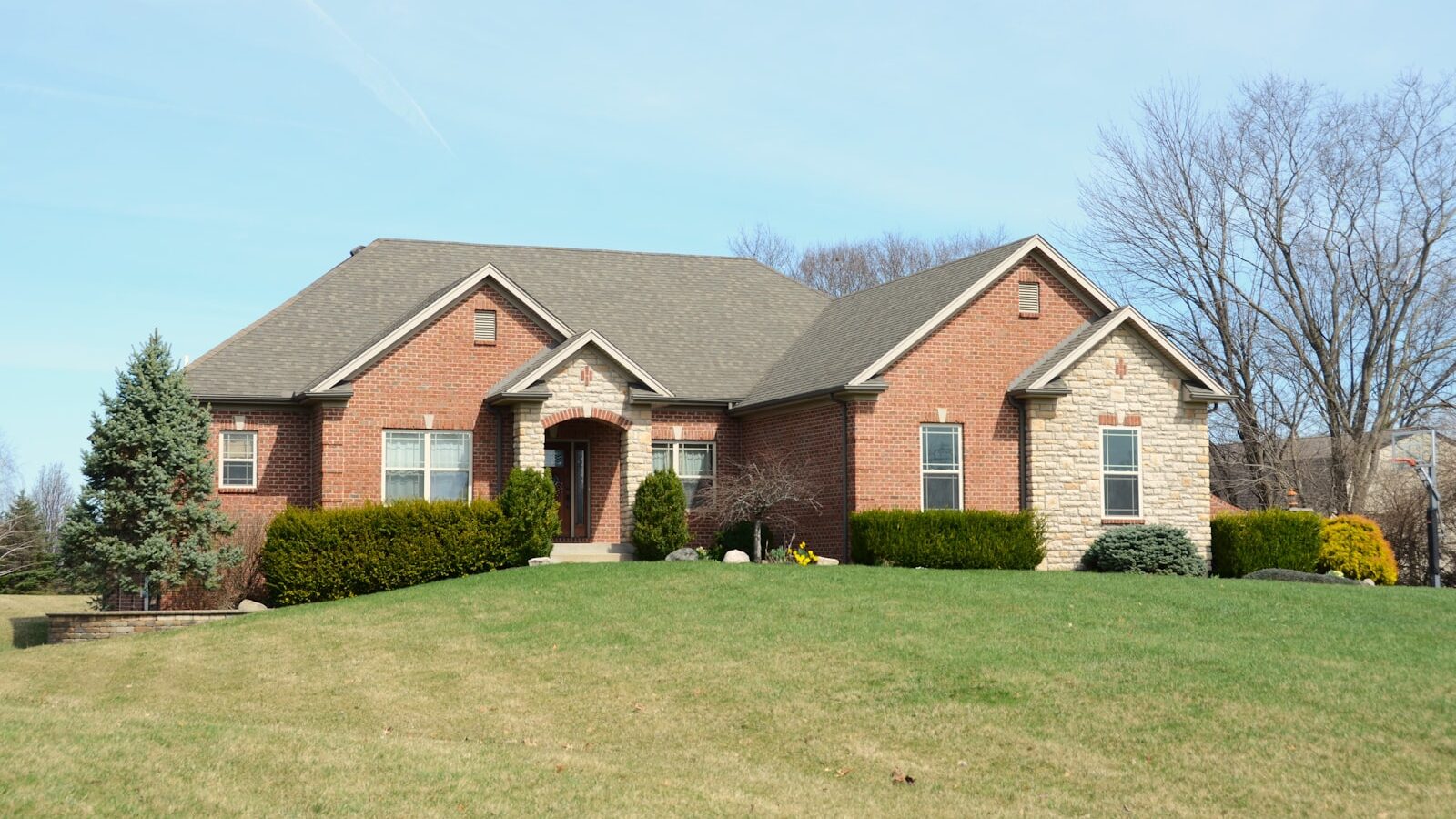
Your front yard is the first thing visitors, neighbors, and prospective buyers see, so even small upgrades can transform how your whole property feels. Whether you have a sprawling lawn or a tiny strip by the sidewalk, the right combination of plants, materials, and lighting can dramatically boost curb appeal without a dramatic budget. Below are 28 front yard landscaping ideas grouped by theme, each with a quick practical note so you can match them to your space, climate, and time.
Key takeaways
- Start with the basics: a crisp lawn edge, defined beds, and a clean entry path deliver the biggest curb-appeal return for the least money.
- Layer foundation plantings in odd-numbered groups, mixing evergreens for year-round structure with seasonal color.
- Match plant and material choices to your climate and the time you realistically have for upkeep.
- Lighting extends curb appeal into the evening and adds safety and a sense of welcome.
- Pick a clear style direction, modern or cottage, so every element works toward one cohesive look.
Curb appeal basics that work in any yard
Before you buy a single plant, nail the fundamentals. These low-cost moves make everything else you add look intentional and well-kept.
1. Define crisp lawn and bed edges
A clean, cut edge between lawn and beds instantly reads as tidy and cared-for. Use a half-moon edger or a simple spade to carve a shallow trench, or install steel, stone, or brick edging for a permanent line. Quick note: re-cut edges twice a season to keep that sharp, manicured look.
2. Refresh mulch for an instant facelift
A fresh 2-to-3-inch layer of mulch unifies beds, suppresses weeds, and retains moisture. Choose a color that complements your home, dark brown and black mulch make green foliage pop. Quick note: keep mulch a few inches off plant stems and tree trunks to prevent rot.
3. Frame the front door as a focal point
Draw the eye to your entry with a pair of matching planters, a bold door color, or symmetrical shrubs. A welcoming entrance anchors the whole composition and signals a well-loved home. Think of the front door as the punctuation mark at the end of the path, everything you plant should lead toward it. A new house number, a fresh doormat, and a wreath are inexpensive finishing touches that complete the picture.
Foundation plantings for structure
Foundation plantings soften the base of your house and tie it to the landscape. The goal is year-round structure with seasonal interest layered on top.
4. Anchor with evergreen shrubs
Boxwood, holly, dwarf juniper, and arborvitae hold their shape and color through winter, giving beds a backbone when perennials die back. Quick note: choose dwarf or slow-growing varieties so you are not constantly pruning away from windows.
5. Plant in odd-numbered groups
Groupings of three, five, or seven look more natural than single specimens or even rows. Layer by height, taller plants at the back near the house, mid-height in the middle, and low groundcovers at the front edge.
6. Add a specimen tree or ornamental shrub
A single Japanese maple, dogwood, crape myrtle, or hydrangea creates a focal point and seasonal drama. Place it where it frames the house rather than hiding it, and account for its mature size so it will not crowd the walk or windows in five years. Quick note: an ornamental with multi-season appeal, spring bloom, summer foliage, fall color, and winter branch structure, earns its spot in a small yard many times over.
Walkways and driveways
Hardscape sets the route and the tone. Upgrading paths and driveway borders adds both function and a polished, finished feel.
- 7. Widen the front walk. A path at least 4 feet wide lets two people walk side by side and feels generous and inviting.
- 8. Add a gentle curve. A softly curving path feels more relaxed and natural than a straight shot to the door.
- 9. Line the path with low plants. Liriope, lavender, or low boxwood guide the eye and the feet toward the entry.
- 10. Border the driveway. A strip of pavers, river rock, or a clipped hedge frames the driveway and prevents lawn from creeping in.
- 11. Upgrade the material. Swap plain concrete for pavers, flagstone, or stamped concrete to elevate the entire approach.
Quick note: set steppingstones in the lawn as a budget-friendly path if a full hardscape replacement is out of reach this year.
Free, no-obligation quote · Connect with a local pro
Low-maintenance front yard ideas
If weekends are precious, design for less upkeep from the start. These choices keep your yard looking sharp with minimal effort, and pair well with the strategies in our low-maintenance landscaping guide.
12. Shrink the lawn
Replace thirsty turf with planted beds, groundcover, or hardscape. Less lawn means less mowing, watering, and fertilizing. Quick note: keep a small, well-kept lawn panel for contrast and a tidy negative space.
13. Choose native and drought-tolerant plants
Plants adapted to your region need less water, fewer chemicals, and less fussing. They also support local pollinators and birds, turning your front yard into a small piece of habitat. Check your regional native plant society or local extension office for proven picks that match your soil and sun. Quick note: group plants with similar water needs together so you can irrigate efficiently and avoid over- or under-watering.
14. Install drip irrigation
A drip system on a timer waters beds efficiently and consistently, freeing you from the hose and reducing waste.
15. Use groundcovers instead of bare mulch
Creeping thyme, sedum, or ajuga fill space, crowd out weeds, and need little care once established, no annual mulch top-up required.
Ideas for small front yards
A compact yard can feel lush and intentional with a few smart tricks that maximize every square foot.
- 16. Go vertical. Trellises, climbing vines, and tall narrow planters add greenery without eating up ground space.
- 17. Use containers. Grouped pots let you add seasonal color and rearrange the look anytime, perfect for porches and stoops.
- 18. Pick a tight color palette. Two or three repeating colors make a small space feel calm and curated rather than busy.
- 19. Choose compact varieties. Dwarf shrubs and columnar trees give structure without overwhelming the scale of the yard.
Rock gardens and xeriscaping
In dry climates, or anywhere you want a water-wise, modern look, rock and gravel do a lot of heavy lifting with very little maintenance.
20. Build a gravel or rock bed
Decorative gravel, river rock, and boulders create texture and contrast while eliminating mowing and watering. Quick note: lay quality landscape fabric underneath to keep weeds down and rock from sinking into the soil.
21. Add architectural succulents and grasses
Agave, yucca, ornamental grasses, and sedum thrive with little water and bring sculptural form to a xeriscape. Cluster them among rocks for a designed, desert-modern feel.
22. Mix rock sizes for natural texture
Combining fine gravel, mid-size stones, and a few large boulders looks far more natural than a single uniform size. Vary the scale to mimic how rock appears in the wild.
Flower beds and seasonal color
Color is what makes people stop and look. Plan for blooms across the seasons so your front yard never goes flat.
23. Plant for three-season bloom
Combine spring bulbs, summer perennials, and fall bloomers so something is always in flower. Quick note: sketch a simple bloom calendar before buying to avoid gaps in color.
24. Mass annuals for instant impact
A block of petunias, marigolds, or impatiens delivers bold, immediate color. Repeat the same flower in drifts rather than dotting singles for a stronger effect.
25. Layer heights in the bed
Tall plants at the back, medium in the middle, and trailing or low plants at the front create depth and ensure every plant is visible.
Free, no-obligation quote · Connect with a local pro
Landscape lighting for evening curb appeal
Good lighting doubles your curb appeal after dark while adding safety and security. For a deeper dive, see our landscape lighting ideas.
- 26. Uplight a feature tree or facade. A ground-mounted spotlight aimed up a trunk or wall adds drama and highlights your home’s best architecture.
- 27. Light the path. Low path lights make walkways safe and welcoming, space them evenly and avoid the runway-strip look.
- 28. Add warm entry lighting. Soft, warm-white sconces or a downlight at the door create a welcoming glow. Quick note: solar fixtures are an easy no-wiring starting point.
Modern vs cottage: picking a style
A cohesive look beats a collection of unrelated ideas. Decide on a direction and let it guide your plant, material, and color choices.
Modern front yards lean on clean lines, geometric beds, monochrome palettes, architectural plants like grasses and succulents, and hardscape such as concrete, gravel, and steel edging. The feel is minimal and structured.
Cottage front yards embrace abundance, mixed perennials, climbing roses, soft curves, informal borders, and a riot of color spilling over paths. The feel is lush, romantic, and relaxed. Whichever you choose, carry the theme through to the backyard, our outdoor living guide shows how to extend the look, and you can find more inspiration in our backyard landscaping ideas.
Want help with your front yard?
Compare free, no-obligation quotes from vetted local landscapers near you.
Frequently asked questions
What is the cheapest way to boost front yard curb appeal?
Start with maintenance basics: cut clean lawn edges, lay fresh mulch, prune overgrown shrubs, and add a couple of potted plants by the door. These cost very little but make a yard look instantly cared-for.
What are the best low-maintenance front yard plants?
Native and drought-tolerant species are easiest. Evergreen shrubs like boxwood and juniper, ornamental grasses, sedum, lavender, and groundcovers such as creeping thyme all thrive with minimal care once established.
How much does front yard landscaping cost?
It ranges widely, from a few hundred dollars for DIY mulch, edging, and plants to several thousand for new walkways, lighting, and professional design. Phasing the work over a season or two keeps it affordable.
How do I landscape a small front yard?
Use vertical elements like trellises, group containers for flexible color, stick to a tight palette of two or three colors, and choose compact or dwarf plant varieties so nothing overwhelms the space.
Should my front and back yards match?
They do not have to match exactly, but sharing a style, palette, and a few repeated plants or materials makes the whole property feel intentional and cohesive.