

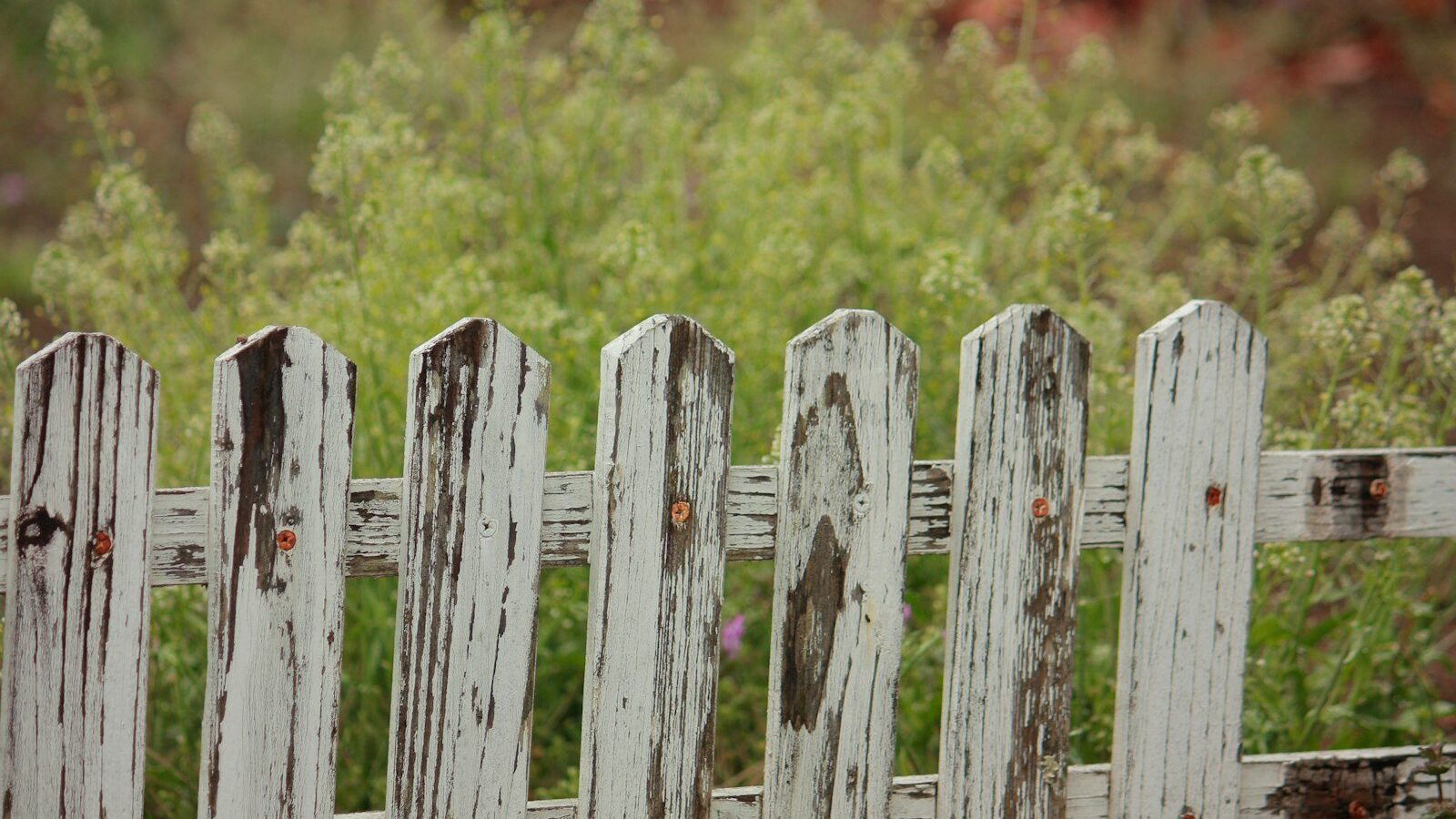
A bare fence is a missed opportunity. The strip of ground running along a fence line is one of the easiest places in the yard to make a real visual impact, because the fence already gives you a backdrop, a vertical structure to plant against, and a built-in sense of enclosure. Done well, fence line landscaping screens an ugly view, buys you privacy from a second-story neighbor, breaks up wind, and turns a flat property edge into a layered green border. Done poorly, it becomes a weedy gap that nobody can reach to weed. This guide walks through how to plan the bed, what to plant by sun exposure and USDA zone, the spacing and bed widths that actually work, and the maintenance access you need to build in from the start.
Key Takeaways
- Make the bed at least 3 to 4 feet deep so you can layer plants and still reach the fence to maintain it.
- Leave a 12 to 18 inch maintenance gap between the tallest plants and the fence itself for airflow and access.
- Layer in three tiers: tall screening shrubs or grasses at the back, mid-height perennials in the middle, low groundcover at the front edge.
- Match plants to your fence line’s sun exposure, which is often half shade because the fence casts a shadow for part of the day.
- Avoid planting aggressive vines or large trees right against a wood fence, as they trap moisture and shorten its life.
Start by Reading Your Fence Line
Before you buy a single plant, spend a day watching the fence line. A fence changes the microclimate of the strip beside it in ways that matter. The base of a north-facing fence may sit in shade most of the day, while a south-facing fence reflects heat and dries the soil fast. Note where the sun hits and for how many hours, because that single factor decides 80 percent of your plant list. Check drainage, too. Fence lines along property edges often collect runoff or sit on compacted fill left over from construction, so dig a test hole and see whether water drains within a few hours or sits overnight.
Then think about the job the planting needs to do. Are you screening a view, softening the fence visually, creating privacy, blocking wind, or simply filling an awkward strip with something low-maintenance? A privacy screen needs height and evergreen density. A decorative border can be entirely deciduous and seasonal. Knowing the goal keeps you from buying a dozen pretty perennials that do nothing for the problem you actually have.
Sizing the Bed: Depth, Edging and Access
The single most common fence line mistake is making the bed too narrow. A 12-inch strip gives you room for one row of plants and no way to maintain them. Aim for a bed depth of at least 3 feet, and 4 to 5 feet if you want a true layered border. Deeper beds let you stagger plants front to back, hide the lower legs of leggy shrubs, and create the illusion of a much fuller planting.
Build in a maintenance gap. Set your tallest plants 12 to 18 inches off the fence so air can move behind them and you can squeeze in to prune, paint or repair the fence later. Crowding shrubs against wood traps moisture against the boards and accelerates rot; it also makes the fence impossible to stain. For the front edge of the bed, a clean line matters. Use steel or aluminum edging, a spade-cut trench edge, or a single course of pavers to separate bed from lawn so grass doesn’t creep in and the border reads as intentional.
Prep the soil properly. Strip the sod, loosen the top 8 to 10 inches, and work in 2 to 3 inches of compost. Fence line soil is frequently the worst in the yard, so this step pays off for years. Finish with 2 to 3 inches of mulch, kept a few inches back from plant stems.
The Three-Layer Planting Plan
The most reliable fence line designs use three height tiers. Picture the bed in cross-section from the fence outward.
Back layer: screening and structure (4 to 8 feet)
This is the tier that does the privacy and screening work, planted closest to the fence. For evergreen privacy in full sun, consider arborvitae ‘Emerald Green’ (zones 3-7, set 3 to 4 feet apart for a hedge), boxwood for a formal clipped look, or wax myrtle in warmer zones 7-10. For a looser, modern screen, ornamental grasses like ‘Karl Foerster’ feather reed grass (zones 4-9, 4 to 5 feet tall, spaced 24 to 30 inches) or maiden grass give height and movement without the year-round mass of a hedge. In shade, choose tall hydrangea, viburnum, or yew.
Middle layer: the workhorse perennials (18 to 36 inches)
This tier carries the color and texture through the seasons. In sun, lean on Russian sage, coneflower (Echinacea), black-eyed Susan (Rudbeckia), salvia, daylilies, and catmint, spaced 18 to 24 inches apart. In shade, use hostas, astilbe, ferns, heuchera, and hellebores. Repeat three to five of the same plant in a drift rather than dotting single specimens, which is what makes a border look designed rather than collected.
Front layer: the low edge (under 12 inches)
The front edge softens the bed line and suppresses weeds. Use creeping thyme, sedum, low-growing geranium, sweet alyssum, or liriope along the front, spaced 10 to 12 inches apart so they knit together within a season. A continuous low edge ties the whole border together visually and dramatically reduces front-edge weeding.
Plant Lists by Sun Exposure
Full sun fence line (6+ hours)
- Screen: arborvitae, ‘Karl Foerster’ grass, panicle hydrangea, viburnum.
- Mid: coneflower, Russian sage, salvia, daylily, catmint, yarrow.
- Edge: creeping thyme, sedum ‘Angelina’, sweet alyssum, dwarf fountain grass.
Part shade fence line (3 to 6 hours)
- Screen: oakleaf hydrangea, viburnum, tall camellia (zones 7-9), yew.
- Mid: heuchera, astilbe, Japanese forest grass, geranium ‘Rozanne’.
- Edge: liriope, ajuga, lamium, sweet woodruff.
Full shade fence line (under 3 hours)
- Screen: yew, holly, tall ferns, aucuba.
- Mid: hosta, hellebore, brunnera, toad lily.
- Edge: ajuga, sweet woodruff, wild ginger, pachysandra.
Vines and Climbers on the Fence
Vines are tempting for adding green directly to the fence, but choose carefully. On a wood fence, avoid clinging vines like English ivy and Boston ivy: their rootlets grip the boards, trap moisture, and pry boards apart over time. Instead, mount a separate trellis a few inches off the fence and grow twining or tendril climbers on it, such as clematis, climbing roses, or annual sweet peas, so the support and the fence stay independent. On a chain-link or wire fence, climbers are ideal for hiding the metal: clematis, trumpet vine (vigorous, give it room), or annual morning glory all soften the look fast. Star jasmine works beautifully in zones 8-10 for evergreen, fragrant coverage.
Design Touches That Lift the Whole Border
Repetition is the secret weapon. Pick two or three signature plants and repeat them at intervals down the length of the fence; the eye reads the rhythm as a designed border rather than a random collection. Vary leaf texture for contrast, pairing fine-textured grasses against broad hosta leaves, for example. Add one or two vertical accents, such as an obelisk with a climbing rose or a tall ornamental grass, to break up a long horizontal run.
Think about all four seasons. Mix evergreens for winter structure with perennials for summer color and at least one shrub with fall foliage or winter berries. If the fence line is long, consider repeating a color palette, such as purple, silver and white, to keep it cohesive. For more structural planting ideas around hard features, our guide on landscaping around trees covers similar layering principles, and you can browse the full Outdoor Living hub for related projects.
Maintenance and Common Mistakes
Once established, a layered fence line border is low-maintenance, but the first two years matter. Water deeply and infrequently to drive roots down, mulch annually, and cut perennials back in late winter or early spring. Keep the maintenance gap clear so you can access the fence. The most common failures are planting too close to the fence (rot and no access), spacing too tightly so plants crowd and need constant thinning, choosing a single height so the bed looks flat, and forgetting to edge the front so lawn invades. Avoid planting large trees within a few feet of a fence; the roots heave footings and the canopy drops debris that stains the wood. If you want shade trees nearby, set them well back and account for the mature canopy spread.
Frequently Asked Questions
How wide should a fence line garden bed be?
Aim for at least 3 feet deep, and 4 to 5 feet if you want a layered border with tall, mid and low tiers. Anything narrower than about 2 feet leaves no room to layer plants or reach the fence to maintain it.
What is the best plant for privacy along a fence?
For fast evergreen privacy in full sun, arborvitae ‘Emerald Green’ is the standard choice, planted 3 to 4 feet apart. In shade, use yew or tall holly. For a softer modern screen, tall ornamental grasses like ‘Karl Foerster’ or maiden grass work well.
How far from a fence should I plant shrubs?
Set the trunk or main stem 12 to 18 inches from the fence, and account for the plant’s mature width so the foliage isn’t pressed against the boards. This keeps air moving, prevents moisture-related rot, and leaves access for staining or repairs.
Can I grow vines on my wood fence?
Avoid clinging vines like ivy directly on wood; they trap moisture and damage boards. Instead, mount a freestanding trellis a few inches off the fence and grow twining climbers like clematis or climbing roses on it, keeping the support separate from the fence.
What grows along a shady fence line?
Layer tall yew, holly or oakleaf hydrangea at the back, then hostas, astilbe, ferns, heuchera and hellebores in the middle, and ajuga, sweet woodruff or pachysandra as a low front edge. All tolerate the part-to-full shade a fence often casts.