

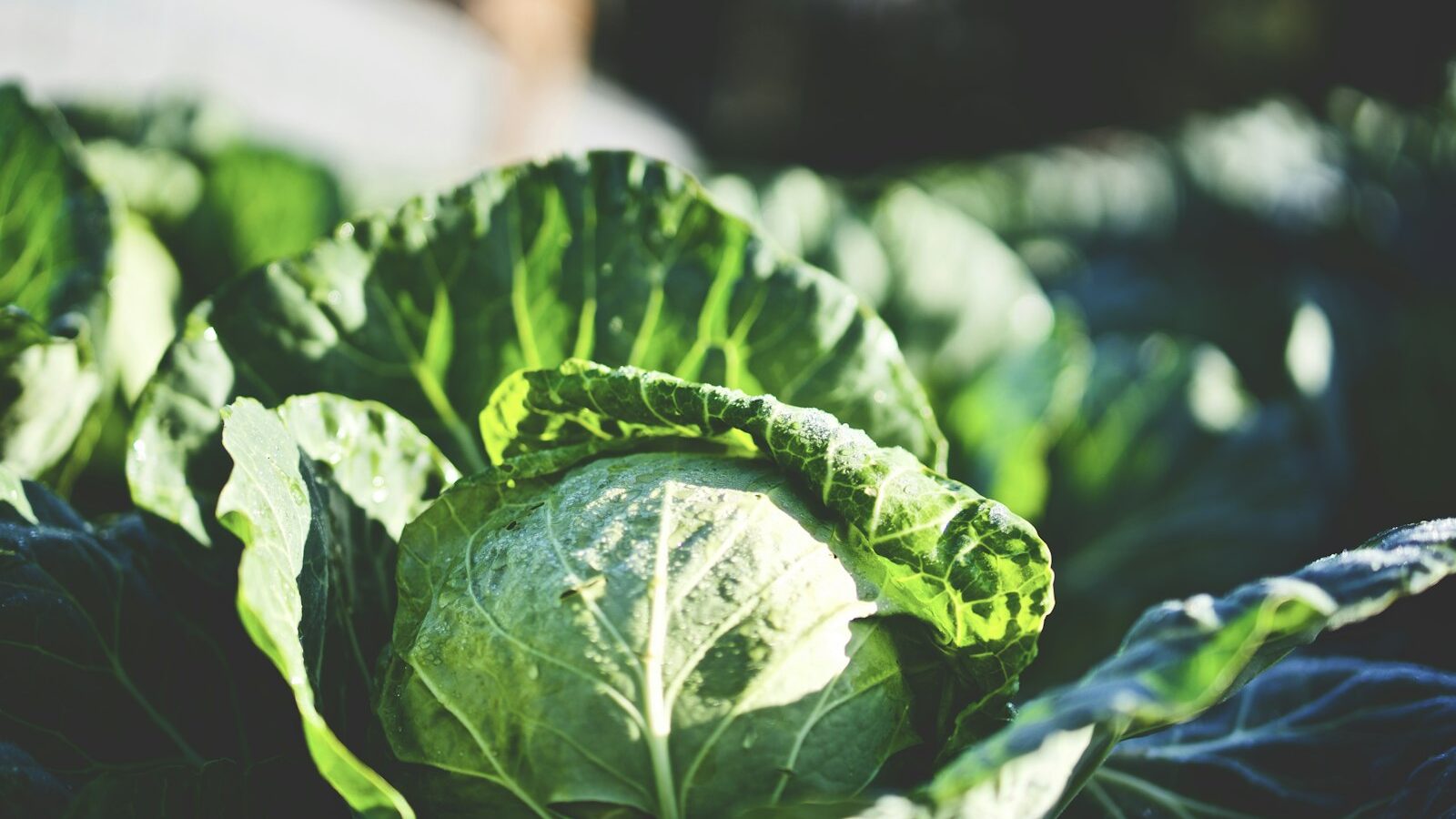
If you want a fast, dependable, all-purpose head for the kitchen, grow green cabbage; it matures quicker, forms a tighter head, and has milder, more tender leaves for slaws and braises. If you want bolder color, a peppery bite, longer storage, and a nutrition bump from antioxidants, grow red (purple) cabbage. That is the short version. The two are the same species (Brassica oleracea var. capitata) and you grow them almost identically, but red cabbage runs a couple of weeks slower to harvest, stores longer, and trades softness for crunch. Everything below is the detail that helps you pick the right one for your season length, your soil, and what you actually plan to cook.
Key Takeaways
- Color & nutrition: Red cabbage gets its purple from anthocyanins, the same antioxidants that give it more vitamin C and polyphenols than green.
- Days to maturity: Green cabbage finishes in about 60 to 90 days; red usually needs 70 to 100, so it wants a slightly longer cool window.
- Texture & flavor: Green is milder with softer, more pliable leaves; red is firmer, denser, and a touch peppery.
- Storage: Dense red heads keep longer in the fridge or root cellar than looser green ones.
- Same care: Both are cool-season crops needing full sun, rich soil, steady water, and the same pest control.
Green Cabbage (Brassica oleracea)
Green cabbage is the workhorse of the garden and the one most people picture when they hear the word. The heads are round to slightly flattened, pale green on the outside fading to creamy white at the dense core, with smooth, waxy, relatively thin leaves that wrap into a firm ball. A typical head runs 1 to 3 pounds, though some storage and kraut types can swell to 6 pounds or more. The leaves are flexible enough to peel off whole for cabbage rolls and tender enough to wilt fast in a stir-fry, which is exactly why green is the default for everyday cooking.
Its biggest practical advantage is speed and reliability. Many green varieties size up in 60 to 75 days from transplant, and early types can be ready in under 60, which lets you slot a crop into both ends of the cool season and even squeeze a quick spring harvest before the heat arrives. The flavor is mild, faintly sweet, and a little cabbagey when raw, mellowing further with cooking; that neutrality is why it disappears into coleslaw, soups, and braises without dominating. Green is also the standard choice for classic sauerkraut because its leaves are softer, shred finely, and pack down tightly with salt.
Heads of green cabbage are firm but not as rock-solid as red, and they tend to mature a hair faster than they store, so plan to use them within a few weeks unless you grow a dedicated storage type. Reliable varieties include ‘Golden Acre’ and ‘Early Jersey Wakefield’ (fast, compact, great for small gardens and spring crops), ‘Stonehead’ (a tight, split-resistant hybrid), ‘Brunswick’ and ‘Late Flat Dutch’ (large, slow, classic kraut and storage cabbages), and ‘Caraflex’ (a sweet, tender, cone-shaped type that is excellent raw).
How to grow green cabbage
Cabbage is a cool-season crop that bolts or turns bitter in heat, so timing matters more than anything. Plant in full sun (six-plus hours) in rich, well-drained soil with plenty of compost worked in and a near-neutral pH of 6.5 to 6.8, which also helps suppress clubroot. Start seed indoors four to six weeks before your last spring frost and transplant out while the weather is still cool, or sow midsummer for a fall crop that finishes in the cooling weather it loves. Space plants 12 to 18 inches apart for small to medium heads, or 18 to 24 inches for big storage types; tighter spacing gives smaller, more uniform heads. Feed with a nitrogen-rich fertilizer early to drive leafy growth, then keep watering consistent, about an inch or more per week, because uneven moisture after heads form is the number one cause of splitting. Watch for cabbage worms and loopers (the green caterpillars that chew the leaves), which are easily controlled with row cover or a Bt spray, plus aphids that cluster on new growth and cabbage root maggots at the base. Harvest when the head feels firm and solid by squeezing it, cutting with a sharp knife at the base.
Red / Purple Cabbage (Brassica oleracea)
Red cabbage, often called purple cabbage, is the same species dressed in a deep magenta-to-violet coat, and that color is the whole story. The pigment comes from anthocyanins, water-soluble flavonoid antioxidants concentrated in the leaves, which is why red cabbage carries more vitamin C and a higher polyphenol load than its green sibling, ounce for ounce. The heads are typically smaller and noticeably denser and heavier than green ones, with thicker, firmer, more tightly layered leaves and a crunch that holds up well raw. That density is exactly why red feels sturdier on the cutting board and in the bag.
Flavor and storage are where red separates itself. The taste is a bit more assertive and peppery than mild green cabbage, with a slightly mineral, almost earthy edge that stands up to strong dressings and braises. Because the leaves are firmer and the head is denser, red cabbage stores longer, often keeping for a couple of months in a cold fridge drawer or root cellar where a loose green head would soften sooner. The one quirk cooks need to plan for is color bleed: those anthocyanins are pH-sensitive and water-soluble, so red cabbage leaches purple-blue dye into anything it touches and turns an unappealing slate-blue when cooked unless you add an acid like vinegar or apple to keep it bright magenta.
The trade-off for all that color and keeping power is time. Red cabbage generally needs 70 to 100 days from transplant, often a couple of weeks longer than a comparable green type, so it wants a slightly more generous cool window and rewards patience with that dense, well-colored head. Reliable varieties include ‘Red Acre’ (compact, early for a red, good for small gardens and short seasons), ‘Ruby Perfection’ and ‘Red Express’ (tight, split-resistant, good keepers), ‘Integro’ (a dense storage type with excellent color), and ‘Kalibos’ (a sweet, pointed, ox-heart shaped red that is outstanding raw).
How to grow red cabbage
The cultural needs are identical to green: full sun, rich and well-drained soil heavy with compost, a pH of 6.5 to 6.8, and steady moisture. The main adjustments are about its longer season and its preference for cool finishing weather. Because red takes 70 to 100 days, a fall crop is often the safer bet in most regions; sow seed in early-to-midsummer, transplant out in mid-to-late summer at 12 to 24 inches apart, and let the heads firm up as nights turn cool, which actually deepens the color. In spring, start seed indoors early and get transplants in the ground while it is still cool so the heads can size up before summer heat triggers bolting. Keep watering even and generous once heads begin forming to prevent splitting, and protect against the same lineup of pests: cabbage worms and loopers, aphids, and root maggots, using row cover at transplant time as the simplest defense. Harvest when heads are firm and solid; the extra density of red cabbage means it can sit in the garden a bit longer once mature without going soft.
Head-to-Head Comparison
| Feature | Green cabbage | Red / Purple cabbage |
|---|---|---|
| Days to maturity | 60 to 90 days | 70 to 100 days |
| Head density | Firm, slightly looser | Very dense and heavy |
| Leaf texture | Softer, thinner, pliable | Firmer, thicker, crunchy |
| Flavor | Mild, faintly sweet | Peppery, slightly earthy |
| Color / antioxidants | Pale green, lower | Purple, high in anthocyanins |
| Storage life | Good, use within weeks | Excellent, keeps for months |
| Cooking note | No color bleed | Bleeds dye; add acid to stay bright |
The Verdict: Which Should You Grow?
If you want color and crunch for coleslaw and raw dishes, grow red cabbage. The firm leaves shred into sturdy, jewel-toned ribbons that hold their texture in dressing for hours, and the contrast brightens any slaw, taco, or grain bowl. Mix a little shredded red into a green base if you want the look without an entirely peppery bite.
If you are making sauerkraut or everyday cooked cabbage, reach for green. Its softer leaves shred fine and pack down well with salt for classic pale kraut, and it braises, steams, and stir-fries into a tender, neutral base without bleeding color into the pot. Red works for cooking too, just remember to add vinegar or apple so it stays magenta instead of going blue.
If long storage is the goal, red cabbage wins on density and keeping power, holding for a couple of months in a cold drawer or root cellar; for green, choose a dedicated late storage variety like ‘Brunswick’ rather than a fast spring type. If you are growing for nutrition, red edges ahead thanks to its anthocyanins, extra vitamin C, and polyphenols, though both are excellent low-calorie sources of fiber and vitamin K. And if your season is short or you want a fast first harvest, green cabbage is the safer choice because it can finish in under 60 days, while red’s longer 70-to-100-day run is better suited to a fall crop or a long cool spring. Many gardeners simply grow both, leaning on green for volume and kraut and tucking in a few reds for color and storage. For more on planning a productive cool-season bed, see our guides on plants and flowers and on getting the most from your vegetable gardening space.
Frequently Asked Questions
Is red cabbage healthier than green cabbage?
Yes, modestly. Red cabbage contains anthocyanins, the antioxidant pigments that make it purple, and it carries more vitamin C and polyphenols than green. Both are low-calorie and high in fiber and vitamin K, so green is still a very healthy choice.
Why does my red cabbage turn blue when cooked?
The anthocyanin pigment is pH-sensitive. In neutral or alkaline conditions it shifts blue-purple. Add an acid such as vinegar, lemon, or chopped apple while cooking to keep red cabbage a bright, appetizing magenta.
Does red cabbage take longer to grow than green?
Usually, yes. Red cabbage typically needs 70 to 100 days from transplant versus about 60 to 90 for green, often a couple of weeks more. Because of that, red is frequently grown as a fall crop that matures in cool weather.
Which cabbage stores longer?
Red cabbage. Its denser head and firmer leaves keep for a couple of months in a cold fridge drawer or root cellar, where a looser green head softens sooner. For long green storage, grow a dedicated late variety like ‘Brunswick’.
Why is my cabbage splitting before harvest?
Splitting comes from a sudden surge of water after the head has firmed up, often heavy rain following a dry spell. Keep moisture even at about an inch a week, harvest promptly once heads are solid, or twist a mature plant slightly to break some roots and slow uptake.