

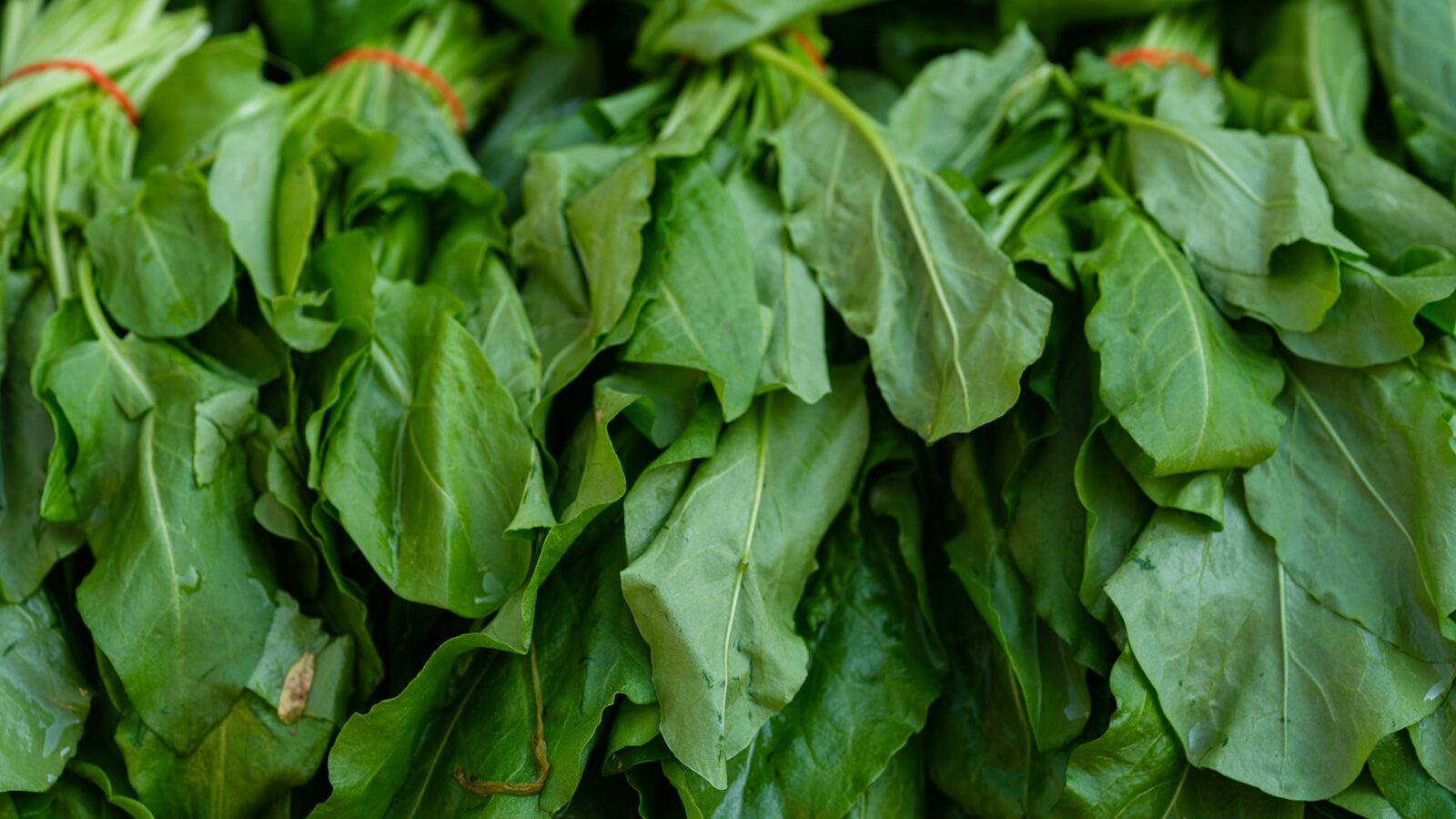
If you want a fast, peppery green for salads and pizza, grow arugula; if you want a mild, versatile leaf you can eat raw or cook down, grow spinach. The short version: arugula is quicker (cut your first leaves in roughly 30 days), more forgiving of warm soil at sowing time, and bolts fast once heat arrives. Spinach is slower, fussier about germinating in warm soil, and rewards you with heavier, sweeter leaves in cool weather. Both are cool-season crops that hate summer, both do best sown in early spring and again in fall, and both are easy to grow side by side under the same care. Below I break down exactly how they differ and how to grow each one for the longest, most tender harvest.
Key Takeaways
- Arugula (Eruca sativa, mustard family) is peppery and fast, ready to cut in about 30-40 days; spinach (Spinacia oleracea, amaranth family) is mild and slower at 40-50 days.
- Both are cool-season greens grown spring and fall across nearly all USDA zones as annuals; summer heat makes both bolt.
- Spinach refuses to germinate well in soil above about 70 F, so it must go in early; arugula sprouts more readily in warmer soil.
- Use cut-and-come-again harvesting and succession sow every 2-3 weeks for a continuous supply of tender leaves.
- Watch flea beetles on arugula and leaf miners on spinach; row cover solves both.
- For most US gardens, plant arugula and spinach together in the same cool-season bed and let arugula carry the early heat while spinach gives the heavier harvest.
Arugula vs Spinach at a Glance
These two greens get lumped together because they share a bed, a season, and a salad bowl, but botanically they are not even close relatives. That difference in family explains most of what you see in the garden: the flavor, the bolting behavior, and the pests that show up. Here is the side-by-side.
| Trait | Arugula | Spinach |
|---|---|---|
| Plant family | Brassicaceae (mustard), Eruca sativa | Amaranthaceae (amaranth/goosefoot), Spinacia oleracea |
| Flavor | Peppery, sharp, mustard-like; sharper as it matures | Mild, slightly sweet and earthy; gentle raw or cooked |
| Days to maturity | ~30-40 days (baby leaf in 21-28) | ~40-50 days (baby leaf in 25-30) |
| Heat / bolting tolerance | Sprouts in warm soil but bolts very fast above ~75 F | Germination fails above ~70 F soil; bolts quickly in heat and long days |
| Cold tolerance | Hardy to the high 20s F; survives light frost, can overwinter under cover | Very hardy; established plants take low 20s F and overwinter in zones 5+ with cover |
| Sun | Full sun in spring/fall; part shade extends harvest in warm spells | Full sun cool weather; afternoon shade delays bolting |
| Succession sowing | Every 2-3 weeks; near-continuous in cool months | Every 2-3 weeks spring and fall; pauses in summer |
| Best season | Early spring and fall; mild-winter zones grow it all winter | Early spring and fall; overwinters for an early spring cut |
How to Grow Arugula
Arugula is one of the fastest, lowest-effort crops you can grow. It is a cool-season annual that thrives across nearly every USDA zone when you time it to the cool shoulders of the year. In most of the country that means sowing in early spring as soon as the soil can be worked, then again in late summer for a fall crop. In mild-winter zones (8-10), you can keep sowing right through winter for your best, sweetest leaves.
Timing and sowing
Direct-sow arugula 4-6 weeks before your last spring frost; the seed germinates in cool soil (40-55 F) in about a week and is unfazed by a light frost on the seedlings. For fall, start sowing 6-8 weeks before your first fall frost and keep going. Sow seeds about 1/4 inch deep. For cut-and-come-again baby leaf, broadcast or sow in bands and don’t fuss over spacing. For full-size plants, thin to 4-6 inches apart, with rows about 10-12 inches apart. Arugula germinates more reliably than spinach in warmish soil, so it is the better choice if your spring warms up fast.
Harvest and bolting
Start cutting outer leaves at baby size (2-3 inches) around three weeks in, or wait to 30-40 days for full leaves. Cut with scissors about an inch above the crown and the plant regrows for two or three more cuttings. The catch is heat: once daytime temperatures push past the mid-70s F and days lengthen, arugula bolts fast, sending up a flower stalk and turning bitter and unpleasantly sharp. The flowers are edible and the plant self-seeds readily if you let it, which can give you a volunteer fall crop. To stretch the spring harvest, give arugula afternoon shade and keep the soil evenly moist.
Pests
The signature arugula pest is the flea beetle, a tiny black jumping beetle that riddles leaves with shot-hole pin pricks, worst on spring seedlings. Floating row cover laid over the bed at sowing and kept on (arugula needs no pollination) is the cleanest fix. Because arugula is a brassica, it can also draw cabbage worms and aphids, though its fast turnaround usually beats serious damage. As a mustard-family crop, rotate it away from beds where you grew broccoli, kale, or radishes the prior season.
How to Grow Spinach
Spinach is the heavier-yielding, milder green, but it is pickier than arugula about temperature. Its defining quirk is germination: spinach seed dislikes warm soil and germination drops off sharply above about 70 F. Get the timing right and it is an easy, hardy crop you can grow spring, fall, and through winter under cover in much of the US.
Timing and germination
Direct-sow spinach 4-6 weeks before your last spring frost while the soil is still cold (ideal soil temp 45-65 F). Sow 1/2 inch deep and thin to 3-4 inches apart for baby leaf or 5-6 inches for full plants, in rows 12-14 inches apart. If your spring is short and heats quickly, pre-sprout seed in a damp paper towel in the fridge for a few days, or refrigerate seed for a week before sowing, to beat the heat. For fall, sow 6-8 weeks before first frost once the worst summer heat breaks; fall and overwintered spinach is the sweetest you will ever eat. In zones 5 and warmer, a fall sowing mulched or under a low tunnel will overwinter and surge back for an early spring cut.
Leaf types and harvest
Spinach comes in three leaf styles. Savoy types (‘Bloomsdale’) have crinkled, deeply puckered leaves with great flavor and cold hardiness but are harder to wash. Smooth-leaf (flat-leaf) types are easy to clean and great for baby-leaf and processing. Semi-savoy is the middle ground and the most common home choice. Harvest by picking outer leaves once they reach a few inches, or cut the whole rosette about an inch above the crown for a regrowth. Like arugula, spinach bolts in heat and long days; bolting-resistant varieties buy you a week or two but nothing beats good timing.
Pests
The classic spinach pest is the leaf miner, a fly larva that tunnels between leaf surfaces leaving tan, winding trails or papery blotches. Floating row cover at sowing keeps the egg-laying flies off; remove and destroy any mined leaves. Spinach can also get downy mildew (yellow patches up top, fuzzy gray beneath) in cool, wet, crowded conditions, so space for airflow and choose resistant varieties. Aphids occasionally cluster on the undersides of leaves.
Growing Both Together: Succession and Companions
The good news is that arugula and spinach want the same things, so they share a bed beautifully. Both are cool-season leafy greens, both prefer rich, moisture-retentive soil with steady water, and both go in at the same early-spring window. The simplest plan: dedicate one cool-season bed to leafy greens, sow a band of spinach and a band of arugula side by side, and add a fresh short row of each every 2-3 weeks. Because arugula matures first and arrives a week or two ahead of spinach, staggering them this way gives you a rolling harvest rather than a glut. If you are starting any of these greens indoors under lights to get a jump on the season, see our guide on how to set up grow lights for seedlings.
Both make excellent companions for taller, slower crops. Tuck them under and between young tomatoes, peppers, or pole beans: you will harvest the greens before the bigger plants cast heavy shade and steal the bed, and in the meantime the leafy canopy shades the soil and suppresses weeds. They also pair well with quick radishes and with alliums like onions and leeks. The one rule worth remembering is the brassica rotation for arugula: keep it out of beds that grew cabbage-family crops last year. Understanding which crops belong to which season makes this planning easier, and our overview of warm-season vs cool-season vegetables shows exactly where greens like these fit in the calendar.
Which Should You Grow?
Grow both, but if you must choose, let your climate and your kitchen decide. Choose arugula if you want speed and a bold, peppery punch for salads, sandwiches, and finishing pizzas; it is the better pick when your spring warms up fast because it germinates in warmer soil and turns around a crop in a month. Choose spinach if you want a mild, all-purpose leaf for raw salads, smoothies, sauteing, and cooking, and if you can give it the cold soil and early sowing it demands.
For most US gardeners the verdict is simple: plant them together every fall and early spring. Arugula will reward you first and handle the warm tail end of spring a touch better, while spinach delivers the bigger, sweeter harvest and overwinters for an early bonus cut. Both are among the easiest, fastest entries into the cool-season vegetable garden, and you can find more beginner-friendly greens and crops in our Plants & Flowers guides.
Frequently Asked Questions
Can I substitute arugula for spinach in recipes?
In raw salads, yes, but expect a much sharper, peppery flavor instead of spinach’s mildness. For cooked dishes, arugula wilts and softens its bite, so it works in pastas and sautes, though it is more delicate and cooks down faster. For smoothies, spinach is the better neutral choice.
Why won’t my spinach seeds germinate?
Almost always warm soil. Spinach germination falls off sharply above about 70 F. Sow it very early in spring while the soil is still cold (45-65 F is ideal), or for a tricky climate, pre-sprout seed on a damp paper towel in the fridge before planting. Old seed also germinates poorly; spinach seed is short-lived, so buy fresh each year.
How do I stop arugula and spinach from bolting?
You cannot fully stop it, but you can delay it. Sow early so the harvest finishes before peak heat, keep soil evenly moist, provide afternoon shade as temperatures climb, and choose bolt-resistant varieties. Once a flower stalk shoots up and leaves turn bitter, that plant is done; pull it and sow a fresh fall round.
Are arugula and spinach related?
No. Arugula is in the mustard family (Brassicaceae), the same group as kale and broccoli, which is why it tastes peppery and draws flea beetles. Spinach is in the amaranth family (Amaranthaceae), related to beets and chard. They only seem similar because they share a growing season and a salad bowl.
How many times can I harvest each plant?
Using cut-and-come-again, both regrow after cutting. Arugula typically gives two to three good cuttings before it bolts or gets too sharp; spinach often gives three or more in cool weather if you take outer leaves and leave the central crown intact. Succession sowing every 2-3 weeks keeps fresh leaves coming all season.