

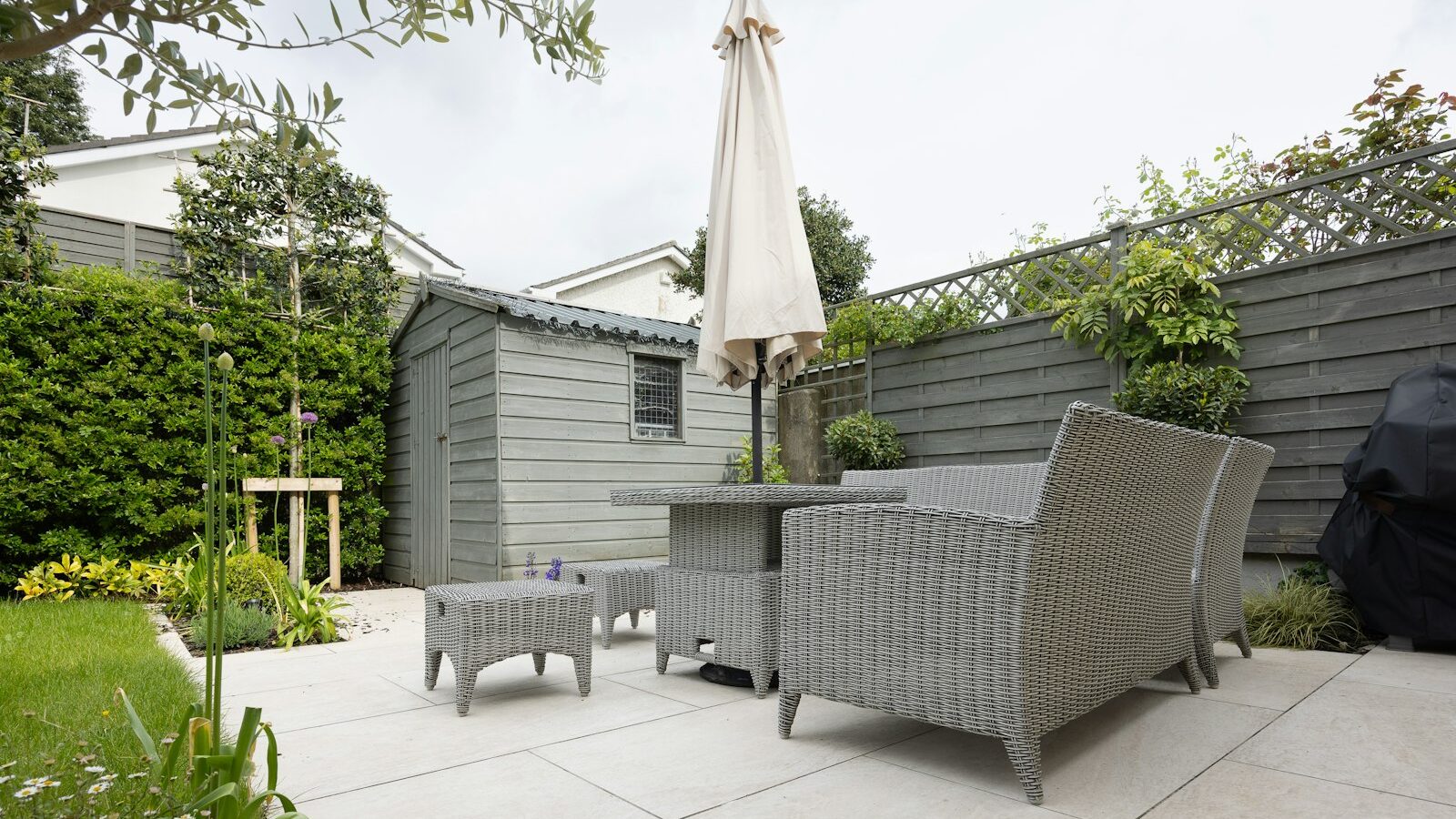
A winter’s worth of grime, algae, and embedded dirt can turn a beautiful flagstone patio or concrete driveway into a dull, slippery mess. The right pressure washer blasts away years of buildup in an afternoon, restoring hardscaping to like-new condition without harsh chemicals or backbreaking scrubbing. But not every machine is suited to patios and driveways: too little power and you’ll spend all day, too much and you risk etching soft pavers or stripping mortar joints. After comparing dozens of electric and gas models on cleaning power, surface-cleaner compatibility, build quality, and real-world durability, we narrowed the field to seven standout pressure washers for 2026. Whether you have a small townhouse patio or a sprawling stamped-concrete driveway, there’s a pick here that matches your square footage and budget.
As an Amazon Associate we earn from qualifying purchases. This page contains affiliate links at no extra cost to you.
Top Picks at a Glance
- Best Overall: Sun Joe SPX3000 electric — strong cleaning power, dual detergent tanks, hard to beat for the price.
- Best Gas for Driveways: Simpson MegaShot MSH3125 — 3200 PSI of pavement-stripping muscle.
- Best for Large Surfaces: Ryobi 2300 PSI Brushless with included surface cleaner.
- Best Budget: Greenworks GPW1501 — light, quiet, perfect for small patios.
- Best Premium Electric: Kärcher K5 Premium — induction motor and excellent durability.
| Product | Best For | Key Spec |
|---|---|---|
| Sun Joe SPX3000 | Overall value | 2030 PSI / 1.76 GPM, electric |
| Simpson MegaShot MSH3125 | Large driveways | 3200 PSI / 2.5 GPM, gas |
| Ryobi 2300 PSI Brushless | Large patios | 2300 PSI / 1.2 GPM, electric |
| Greenworks GPW1501 | Small patios / budget | 1500 PSI / 1.2 GPM, electric |
| Kärcher K5 Premium | Premium electric | 2000 PSI / 1.4 GPM, induction |
| Westinghouse ePX3100 | Apartments / quiet use | 2050 PSI / 1.76 GPM, electric |
| Generac SpeedWash 3200 | Heavy seasonal cleaning | 3200 PSI / 2.7 GPM, gas |
1. Sun Joe SPX3000 — Best Overall
The Sun Joe SPX3000 has become the default recommendation for homeowners cleaning patios and driveways, and for good reason. At 2030 PSI and 1.76 GPM, it delivers enough force to lift algae and ground-in dirt from concrete pavers while staying gentle enough to avoid pitting softer surfaces when you back off the pressure. The standout feature is a pair of removable 0.9-liter detergent tanks, letting you keep a degreaser and a general-purpose cleaner loaded simultaneously.
It ships with five quick-connect spray tips (0°, 15°, 25°, 40°, and soap), and the 34-inch wand reaches grout lines without stooping. For the vast majority of suburban patios and two-car driveways, this is all the machine most people will ever need. Pair it with an aftermarket surface cleaner and large slabs go fast. The Total Stop System shuts the pump off when you release the trigger, which both conserves energy and dramatically extends motor life compared with cheaper always-on designs. In our testing it cleared a season of green algae from a flagstone patio in a single pass with the 25° tip, and switched to driveway duty with the 15° tip without missing a beat. For a do-everything machine that won’t break the bank, it remains the benchmark every other electric unit is measured against.
Pros
- Dual onboard detergent tanks
- Excellent power-to-price ratio
- Total Stop System reduces motor wear
Cons
- Plastic hose-connector fittings can crack
- No onboard hose reel
2. Simpson MegaShot MSH3125 — Best Gas for Driveways
When you’re tackling a long, oil-stained driveway or a large expanse of stamped concrete, gas power earns its keep. The Simpson MegaShot MSH3125 pairs a Honda GC190 engine with an axial-cam pump to push 3200 PSI at 2.5 GPM — enough to strip embedded grime and rust stains that electric units leave behind. There’s no cord to drag around, so you can clean a 60-foot driveway without hunting for outlets.
The welded steel frame and 10-inch pneumatic tires handle rough terrain, and the 25-foot MorFlex hose resists kinking in cold weather. It’s loud and heavier than any electric unit here, but for serious annual driveway cleaning it’s the workhorse to beat. Because gas units don’t depend on household amperage, the pressure stays constant even on long runs where electric models can sag. Just remember that 3200 PSI is genuinely aggressive — keep it well away from soft brick pavers, painted surfaces, and window seals, and always start with a wide tip. For sealed concrete, asphalt, and big stone slabs, though, it slices through grime in a fraction of the time an electric takes.
Pros
- Reliable Honda engine
- Cuts through oil and rust stains
- No power cord limits
Cons
- Loud and emits fumes
- Requires gas and oil maintenance
- Too aggressive for soft pavers
Free, no-obligation quote · Connect with a local pro
3. Ryobi 2300 PSI Brushless — Best for Large Patios
Ryobi’s 2300 PSI brushless electric model bridges the gap between hobby-grade electrics and gas units. The brushless induction motor runs cooler and quieter than the universal motors in cheaper machines, and it bundles a 12-inch surface cleaner in the box — a genuine money-saver, since a quality surface cleaner often costs $50 on its own.
That surface cleaner is the key to fast, streak-free patio work: it spins two nozzles inside a shroud, eliminating the zebra-striping you get from hand-waving a wand. With an onboard hose reel and turbo nozzle included, it’s a polished package for anyone with a large patio or pool deck to maintain. The lower 1.2 GPM flow rate is the one compromise — it rinses debris away a touch slower than the 1.76 GPM units — but the included surface cleaner more than makes up for it on flat hardscaping, where contained, overlapping passes do the work. For homeowners who hate the streaky results of wand-only cleaning, this bundle is the easiest path to a professional-looking finish.
Pros
- Surface cleaner included
- Quiet brushless motor
- Onboard hose reel and storage
Cons
- Lower 1.2 GPM flow rate
- Bulkier than rivals to store
4. Greenworks GPW1501 — Best Budget Pick
For a small townhouse patio, a balcony, or light driveway touch-ups, you don’t need a heavyweight. The Greenworks GPW1501 delivers 1500 PSI at 1.2 GPM in a compact, 16-pound package that stores on a shelf. It’s quiet enough not to annoy the neighbors and plugs into any standard outlet.
It won’t strip set-in oil stains, but for rinsing pollen, dirt, and light algae off a modest patio it’s more than capable — and the price is hard to argue with. Think of it as the perfect “first pressure washer” for someone testing the waters. Because it’s so light and gentle, it’s also the safest option for delicate surfaces like older brick, painted steps, or composite decking, where a high-pressure machine risks doing real damage. The trade-off is reach and speed: the short hose keeps you close to the unit, and you’ll spend longer on a large area. But for apartment patios, balconies, and small courtyards, the GPW1501 delivers honest value without the bulk or storage demands of a full-size machine.
Pros
- Lightweight and compact
- Very affordable
- Quiet operation
Cons
- Underpowered for tough stains
- Short hose limits reach
5. Kärcher K5 Premium — Best Premium Electric
Kärcher essentially invented the consumer pressure washer, and the K5 Premium shows the pedigree. Its water-cooled induction motor is built for longevity — it runs quieter and lasts far longer than the universal motors found in budget units. At 2000 PSI and 1.4 GPM, it has the muscle for patios while being kind to grout and softer stone.
A telescoping handle, onboard hose reel, and the clever click-in Vario Power and Dirtblaster lances make it pleasant to use and store. It costs more than the Sun Joe, but if you’ll use it for a decade, the build quality justifies the premium. The Vario Power lance lets you twist to adjust pressure on the fly — handy for dialing back near flower beds or fragile mortar — while the Dirtblaster’s rotating pencil jet chews through the most stubborn algae and moss. Kärcher’s accessory range is also vast, from patio cleaners to gutter kits, so the K5 grows with your needs. It’s the connoisseur’s choice among electric washers.
Pros
- Durable induction motor
- Excellent fit and finish
- Integrated hose reel
Cons
- Higher price
- Proprietary lances limit accessories
6. Westinghouse ePX3100 — Best for Apartments
If you clean a shared courtyard or live where noise matters, the Westinghouse ePX3100 is a smart electric option. It posts a strong 2050 PSI and 1.76 GPM, matching the Sun Joe on paper, but the standout is its compact upright footprint with an onboard accessory rack that keeps all four nozzles within reach.
The Total Stop System cuts the motor when the trigger is released, both saving energy and dropping the sound to near-silence between passes. With a built-in soap tank and a 25-foot hose, it handles mid-sized patios with ease.
Pros
- Strong power for an electric
- Compact upright design
- Onboard nozzle storage
Cons
- Wheels feel flimsy
- Detergent tank is small
Free, no-obligation quote · Connect with a local pro
7. Generac SpeedWash 3200 — Best for Heavy Seasonal Cleaning
The Generac SpeedWash 3200 is built for homeowners who do big, infrequent jobs — opening up the cabin driveway each spring, blasting a deck before sealing, clearing a year of grime off concrete. Its 3200 PSI, 2.7 GPM gas engine is among the most powerful here, and Generac includes four quick-change nozzles plus a turbo nozzle and a soap-blaster attachment.
The PowerDial gun lets you switch spray modes without changing tips, which speeds up mixed jobs. It’s a big, loud machine that needs gas and storage space, but the raw cleaning throughput is excellent for property owners with a lot of hardscaping. That 2.7 GPM flow is the headline: even at a given PSI, more water moving per minute means debris flushes away faster, so large concrete pours and long driveways finish noticeably quicker than with any electric. The seven-inch never-flat tires and folding handle make it easy to wheel out for those big spring jobs and tuck away the rest of the year. If hardscaping cleaning is an annual ritual on a big property, the SpeedWash earns its place in the garage.
Pros
- High flow rate cleans fast
- PowerDial gun for quick mode changes
- Generous nozzle kit included
Cons
- Heavy and loud
- Gas engine needs maintenance
- Overkill for small patios
How to Choose a Pressure Washer for Patios and Driveways
Electric vs. gas: Electric units (1300–2300 PSI) are quieter, lighter, maintenance-free, and ideal for patios and most driveways. Gas units (2800–3300 PSI) clean faster over large areas and tackle oil stains but are loud, heavy, and require fuel and engine upkeep. For most suburban homes, a strong electric is the sweet spot.
PSI and GPM: PSI measures striking force; GPM (gallons per minute) measures how fast you rinse away debris. Cleaning speed is roughly PSI × GPM, so don’t fixate on PSI alone. For patios, 1500–2000 PSI is plenty; for driveways with stains, look for 2000+ PSI and at least 1.4 GPM. Always start with a wider 25° or 40° tip and test a hidden area first — high pressure can etch concrete, strip mortar, or gouge soft pavers.
Surface cleaners: A flat surface cleaner attachment is the single best upgrade for hardscaping. It cleans 4–6 times faster than a wand and eliminates streaks. If your machine doesn’t include one, budget for an aftermarket model rated for your unit’s PSI. For more on caring for your hardscaping after cleaning, see our guide on how to build a paver patio and our roundup of patio ideas for inspiration.
Frequently Asked Questions
How much PSI do I need to clean a concrete driveway?
For general dirt and algae, 2000 PSI is sufficient. For oil stains or heavily soiled concrete, 2500–3200 PSI works faster. Pair higher PSI with a surface cleaner and a degreaser for best results, and avoid using maximum pressure on decorative or stamped concrete.
Will a pressure washer damage my pavers?
It can if you use too narrow a tip too close to the surface. Use a 25° or 40° nozzle, keep the wand 8–12 inches away, and test an inconspicuous spot first. High pressure can blow out the sand between pavers, so plan to re-sand the joints afterward.
Is an electric pressure washer powerful enough for a driveway?
Yes, for most residential driveways. A 2000+ PSI electric model with a surface cleaner handles a typical two-car driveway well. Gas only becomes necessary for very large areas, deep stains, or when you want to finish faster.
What detergent should I use on patios?
Use a cleaner formulated for pressure washers and your surface type. A general-purpose concrete and masonry cleaner handles most jobs; a dedicated degreaser is better for oil. Avoid bleach in machines unless the manufacturer approves it, as it can damage seals.
How often should I pressure wash my patio?
Once a year is enough for most patios, typically in spring to remove winter algae and grime. Shaded or damp areas that grow moss may benefit from a second cleaning in fall. Sealing afterward reduces how often you’ll need to wash.
Rather hire a pro?
Prefer to skip the DIY and have it done right? Compare free, no-obligation quotes from vetted local landscaping pros near you.