

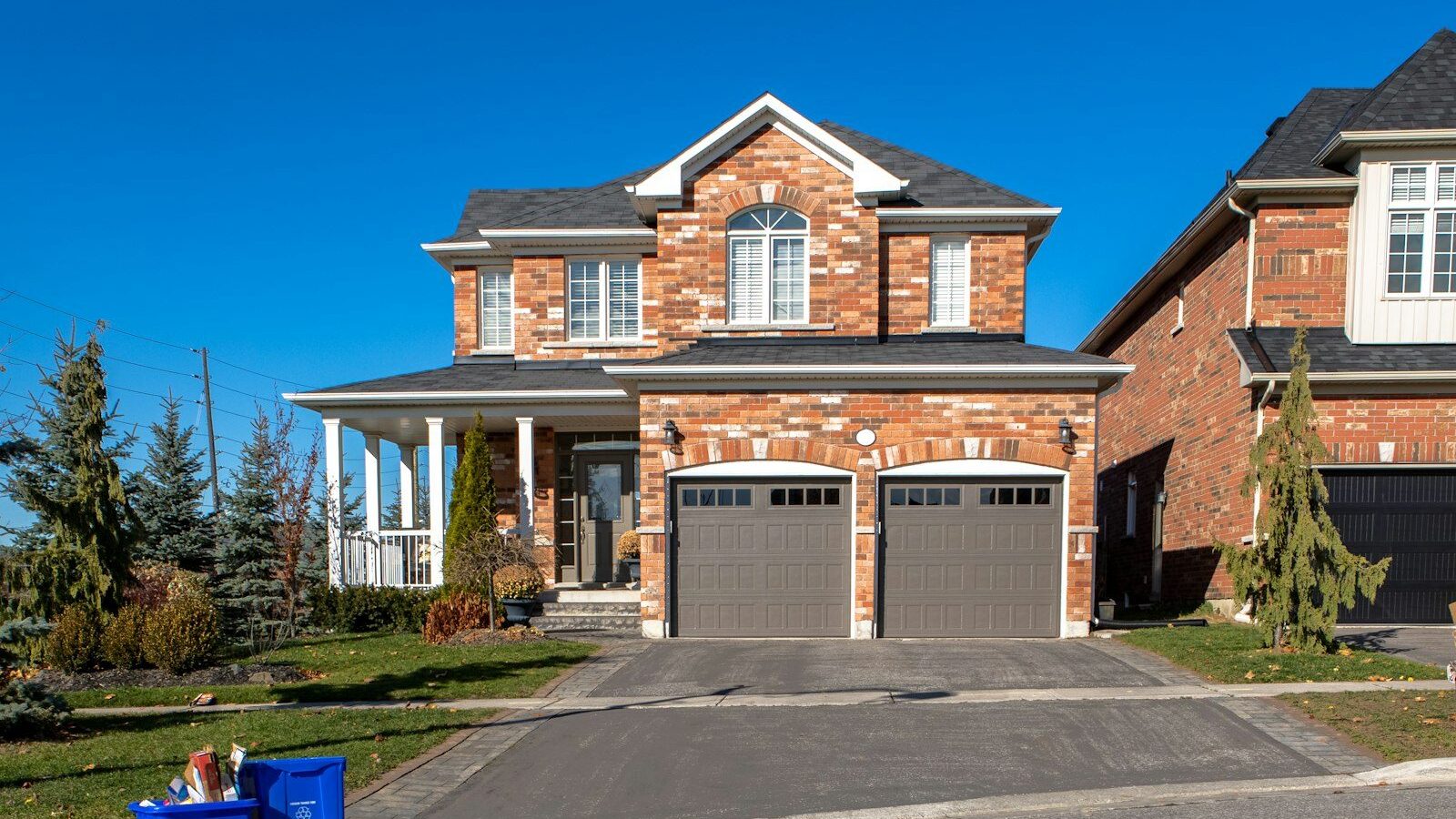
Sealing a driveway is one of the highest-return weekend jobs a homeowner can do. Sun, water, freeze-thaw cycles and oil drips break down both asphalt and concrete from the surface in, and a coat of the right sealer restores the look, fills hairline cracks, repels water and oil, and adds years before resurfacing or replacement becomes necessary. The catch is that “driveway sealer” splits into two completely different product families — asphalt (blacktop) coatings and concrete sealers — and within each there are meaningful quality tiers. Use a concrete product on asphalt or vice versa and you’ll get peeling and disappointment. After sealing asphalt and concrete drives in freeze-thaw and high-UV climates, these are the seven sealers worth your time, and exactly which surface and situation each one fits.
As an Amazon Associate we earn from qualifying purchases. This page contains affiliate links at no extra cost to you.
Key Takeaways
- First decide your surface: asphalt needs a blacktop coating (coal-tar or asphalt emulsion); concrete needs a concrete sealer (acrylic, or penetrating silane/siloxane). The two are not interchangeable.
- Penetrating concrete sealers (silane/siloxane) soak in, leave a natural matte look, and won’t peel or get slippery — best for most concrete. Acrylic topical sealers add sheen and color but can wear and turn slick.
- New asphalt should cure 6–12 months before its first seal; new concrete should cure ~28 days. Over-sealing asphalt too often leads to a thick, brittle, peeling buildup.
- Prep makes or breaks the job: clean thoroughly, kill oil stains, fill cracks and patch potholes first, and apply only in dry weather above ~50°F with no rain for 24–48 hours.
- Expect to reseal asphalt every 2–3 years and concrete every 1–5 years depending on the product and traffic. Budget for two thin coats rather than one thick one.
Quick Comparison: Driveway Sealers at a Glance
| Product | Best For | Surface / Type |
|---|---|---|
| Latex-ite Airport Grade | Premium asphalt seal | Asphalt, acrylic-fortified |
| Henry 532 Driveway Sealer | Budget asphalt coating | Asphalt emulsion |
| Foundation Armor SX5000 | Concrete in freeze-thaw | Concrete, silane/siloxane |
| Siloxa-Tek 8500 | Premium penetrating concrete | Concrete, silane/siloxane |
| EnduraSeal Acrylic “Wet Look” | Glossy decorative concrete | Concrete, solvent acrylic |
| Latex-ite Trowel Patch / Crack Filler | Crack & pothole prep | Asphalt repair |
| Black Jack Drive-Maxx 1000 | Fast-dry asphalt resurfacer | Asphalt, filler/sealer |
1. Latex-ite Airport Grade Driveway Sealer — Best Premium Asphalt Sealer
For asphalt, Latex-ite’s Airport Grade is the upgrade over basic blacktop coatings. It’s an acrylic-fortified emulsion with a heavier solids content, sand for traction, and additives that improve durability and resistance to gas, oil and UV, so it lasts longer between recoats than a bargain sealer. It goes down as a rich, even black that genuinely renews a tired, gray driveway, and the formula is engineered to resist tracking and the rapid fading cheaper coatings suffer.
It’s thicker and heavier to spread than thin economy sealers, so plan on a quality squeegee/brush applicator and some elbow grease, and as always apply two thin coats rather than one heavy one to avoid a brittle film. It costs more per pail and covers fewer square feet per gallon than watered-down products — but that’s because there’s more material in the bucket. For a homeowner who wants the asphalt seal to actually last a few years, the premium grade pays off.
Pros
- Heavy acrylic-fortified solids last longer than budget coatings
- Resists gas, oil, UV fading and tracking
- Rich, even black that renews tired asphalt
Cons
- Thicker and harder to spread than thin sealers
- Higher cost and lower coverage per gallon
- Asphalt-only — not for concrete
2. Henry 532 Driveway Sealer — Best Budget Asphalt Coating
When you have a lot of asphalt to cover and a tight budget, Henry’s 532 driveway coating is the dependable economy choice. It’s an asphalt-emulsion sealer that lays down a clean black finish, repels water, and protects against the everyday wear that grays and erodes blacktop. It’s easy to apply with a squeegee/broom applicator, cleans up with water while wet, and the per-gallon cost is among the lowest of any real driveway sealer.
Being a basic emulsion, it has fewer of the fortifying additives that make premium sealers last, so expect to reseal more often — every couple of years on a sunny, busy drive. It’s thinner-bodied, so it won’t bridge cracks; fill those separately first. For maintenance coats on a driveway you reseal regularly anyway, or for covering a large area affordably, it does the core job well and is widely stocked.
Pros
- Very low cost per gallon; great for big areas
- Easy squeegee application, water cleanup while wet
- Clean black finish and solid water repellency
Cons
- Fewer additives — needs resealing more often
- Thin-bodied; won’t bridge cracks on its own
- Asphalt-only — not for concrete
3. Foundation Armor SX5000 — Best Concrete Sealer for Freeze-Thaw
For concrete driveways, especially in climates that freeze, a penetrating silane/siloxane sealer is the right technology, and Foundation Armor’s SX5000 is a proven choice. It soaks into the concrete and chemically bonds below the surface to repel water from within, which dramatically reduces the freeze-thaw spalling and cracking that destroys northern driveways. Because it works inside the slab rather than as a film on top, it leaves a completely natural matte finish — no sheen, no color change — and it won’t peel or turn slippery.
It’s water-repellent and breathable, letting trapped moisture escape, and it also helps resist deicing-salt damage. The trade-offs are that it offers no gloss or “wet look” if that’s what you want, it doesn’t hide stains, and the clear application means you must work systematically to avoid missed spots since you can’t easily see where you’ve been. For protecting a concrete drive against winter, it’s exactly the right tool.
Pros
- Penetrates to fight freeze-thaw spalling and salt damage
- Natural matte look — won’t peel or get slippery
- Breathable; lets trapped moisture escape
Cons
- No gloss or “wet look” enhancement
- Doesn’t hide existing stains
- Clear — easy to miss spots during application
Free, no-obligation quote · Connect with a local pro
4. Siloxa-Tek 8500 — Best Premium Penetrating Concrete Sealer
Ghostshield’s Siloxa-Tek 8500 is a step up in the penetrating-sealer category — a high-solids silane/siloxane that drives deep into the concrete for long-lasting water and salt repellency, with a reputation for one of the longer service intervals among penetrating sealers. Like the SX5000 it leaves an invisible, natural finish that won’t film, peel or become slippery, and it’s breathable. It’s a favorite for driveways, garage floors and patios where you want serious, durable protection without changing the look.
The higher solids content means better penetration and longevity, but also a higher price than entry-level penetrating sealers. As with all clear sealers, you can’t see coverage, so methodical application is essential, and it offers no decorative enhancement. There are also water-based and solvent-based versions, so match the version to your VOC rules and substrate. For homeowners who want to seal concrete once and not think about it for years, the premium penetrating route is worth the spend.
Pros
- High-solids, deep penetration and long service life
- Invisible natural finish; won’t peel or get slick
- Strong water and deicing-salt repellency
Cons
- Premium price versus entry penetrating sealers
- Clear — methodical application needed to avoid misses
- No decorative gloss or color enhancement
5. EnduraSeal Acrylic “Wet Look” Sealer — Best Decorative Concrete Finish
When the goal is appearance — a glossy, enriched “wet look” that deepens the color of stamped, exposed-aggregate or decorative concrete — an acrylic topical sealer is what you want, and EnduraSeal’s solvent-based acrylic is a popular pick. Unlike penetrating sealers, it forms a film on the surface that adds shine, pops the color of decorative concrete, and repels water and stains from on top. It’s the right choice for patios and driveways where looks are the priority.
The trade-offs of any topical acrylic apply: the film can wear in tire tracks and high-traffic lanes, it can become slippery when wet (add a non-slip additive for walkways), and it needs more frequent reapplication than a penetrating sealer. Solvent-based versions also have strong fumes and VOC considerations, so ventilate and check local rules. But for transforming the appearance of decorative concrete with a rich, glossy finish, nothing penetrating can match the look.
Pros
- Glossy “wet look” enriches decorative concrete color
- Repels water and stains from the surface
- Ideal for stamped and exposed-aggregate finishes
Cons
- Film wears in tire tracks; needs frequent recoats
- Slippery when wet without a non-slip additive
- Solvent fumes and VOC considerations
6. Latex-ite Trowel Patch & Crack Filler — Best for Prep & Repairs
No sealer of any kind performs over a cracked, potholed surface, and skipping the repair step is the most common reason a seal job fails early. Latex-ite’s trowel-grade patch and crack fillers are the prep products that make the rest of the job last: a pourable crack filler for hairline-to-half-inch cracks and a trowel-applied patch for potholes and larger depressions in asphalt. Filling and curing these first gives the sealer a sound, continuous surface to bond to.
These are repair compounds, not sealers — they fix defects but don’t coat the whole drive, so they’re a companion to one of the asphalt sealers above rather than a standalone product. Deep potholes may need a backer or multiple lifts and proper compaction, and the patch should cure before you seal over it. Treat crack filling and patching as mandatory prep, not an optional extra, and your top coat will look better and last years longer.
Pros
- Fills cracks and potholes so sealer can bond properly
- Easy DIY application with caulk gun or trowel
- Dramatically extends the life of the seal coat
Cons
- A repair product, not a full-surface sealer
- Deep potholes need multiple lifts and compaction
- Must cure before sealing over it
7. Black Jack Drive-Maxx 1000 — Best Fast-Dry Asphalt Resurfacer
Black Jack’s Drive-Maxx 1000 is a filler-and-sealer that does double duty: it both fills minor surface imperfections and seals, with a formula that cures faster than many coatings so you can get back on the driveway sooner — a real advantage if you can’t keep cars off for long. It lays down a deep black finish, adds sand for traction, and resists UV and water, making it a practical all-in-one for a typical asphalt drive in reasonable condition.
As a combined filler-sealer it’s thicker than a plain coating, so spread two thin coats and respect the recoat window. It still won’t fix real cracks or potholes — handle those with a dedicated filler first — and fast-dry formulas are more sensitive to applying in the right temperature and humidity window. For homeowners who want a single product that refreshes and seals with minimal downtime, it’s a convenient, widely available choice.
Pros
- Fills minor imperfections and seals in one product
- Faster cure means less driveway downtime
- Deep black finish with added traction sand
Cons
- Won’t fix real cracks or potholes — fill those first
- Fast-dry formula is fussier about temperature/humidity
- Asphalt-only — not for concrete
Free, no-obligation quote · Connect with a local pro
How to Choose a Driveway Sealer: Buyer’s Guide
First, identify your surface
This is the decision everything else hangs on. Asphalt (black, flexible, made with bitumen) needs a blacktop coating — coal-tar or asphalt emulsion — that restores the black color and protects the binder. Concrete (gray, rigid) needs a concrete sealer, either a penetrating silane/siloxane or a topical acrylic. The products are not interchangeable: an asphalt coating will not adhere to or protect concrete, and a concrete sealer does nothing for asphalt. Confirm which you have before you buy anything.
For concrete: penetrating vs. topical
Penetrating sealers (silane/siloxane) soak in, repel water and salt from within, leave a natural matte look, don’t peel, and never get slippery — the best all-around choice for most driveways and the right pick for freeze-thaw climates. Topical acrylics form a film that adds gloss and enriches decorative concrete’s color but wears in tire tracks, can be slippery when wet, and needs more frequent recoating. Choose penetrating for protection, acrylic for looks.
For asphalt: quality and additives
Asphalt coatings vary mostly in solids content and additives. Premium acrylic-fortified emulsions with sand and oil/UV resistance last longer between recoats than thin economy sealers, which are cheaper per gallon but need more frequent application. Whatever you choose, apply two thin coats rather than one thick coat — thick films become brittle and peel — and don’t over-seal; building up coat after coat every year leads to cracking and flaking.
Prep, timing and curing
Prep determines the outcome. Clean the surface thoroughly, treat oil stains, and fill cracks and patch potholes first, letting repairs cure. Let new asphalt cure 6–12 months and new concrete about 28 days before the first seal. Apply only in dry weather above roughly 50°F with no rain expected for 24–48 hours, and keep traffic off for the full cure time. Expect to reseal asphalt every two to three years and concrete every one to five years depending on the product and traffic. For related outdoor projects, see our guides on installing a flagstone patio and other outdoor living work.
Frequently Asked Questions
How often should I seal my driveway?
Asphalt typically needs resealing every two to three years; concrete every one to five years depending on the sealer type and traffic. Penetrating concrete sealers last longest, topical acrylics shortest. Avoid over-sealing asphalt — adding a coat every single year builds up a brittle film that cracks and peels.
Can I use the same sealer on asphalt and concrete?
No. Asphalt needs a blacktop coating (coal-tar or asphalt emulsion); concrete needs a concrete sealer (penetrating silane/siloxane or topical acrylic). They aren’t interchangeable — an asphalt coating won’t bond to concrete, and a concrete sealer won’t protect asphalt. Identify your surface first.
How long does new pavement need to cure before sealing?
Let new asphalt cure 6 to 12 months before its first seal so the oils set up properly, and let new concrete cure about 28 days. Sealing too early traps moisture and oils and leads to poor adhesion and premature failure. Be patient with fresh pavement.
What temperature do I need to seal a driveway?
Apply in dry weather above roughly 50°F, ideally with daytime temperatures in the 50s to 80s, no rain forecast for 24–48 hours, and low humidity for water-based products. Avoid sealing in direct blazing sun, which can flash-dry coatings, and never seal a wet surface or when overnight temperatures will dip near freezing.
Should I fill cracks before sealing?
Yes — always. Sealer is a thin coating that won’t bridge real cracks or fill potholes, and applying it over an unrepaired surface lets water keep getting in and causes the seal to fail early. Clean and fill cracks with a dedicated crack filler, patch potholes, let the repairs cure, then seal over a sound surface.
Match the sealer to your surface, repair cracks and potholes before you coat, apply two thin coats in good weather, and respect the cure time. Do that and a $100-ish weekend of sealing — penetrating silane/siloxane on concrete or a quality acrylic-fortified coating on asphalt — buys years of protection and curb appeal before you face a far costlier resurfacing.
Rather hire a pro?
Prefer to skip the DIY and have it done right? Compare free, no-obligation quotes from vetted local landscaping pros near you.