

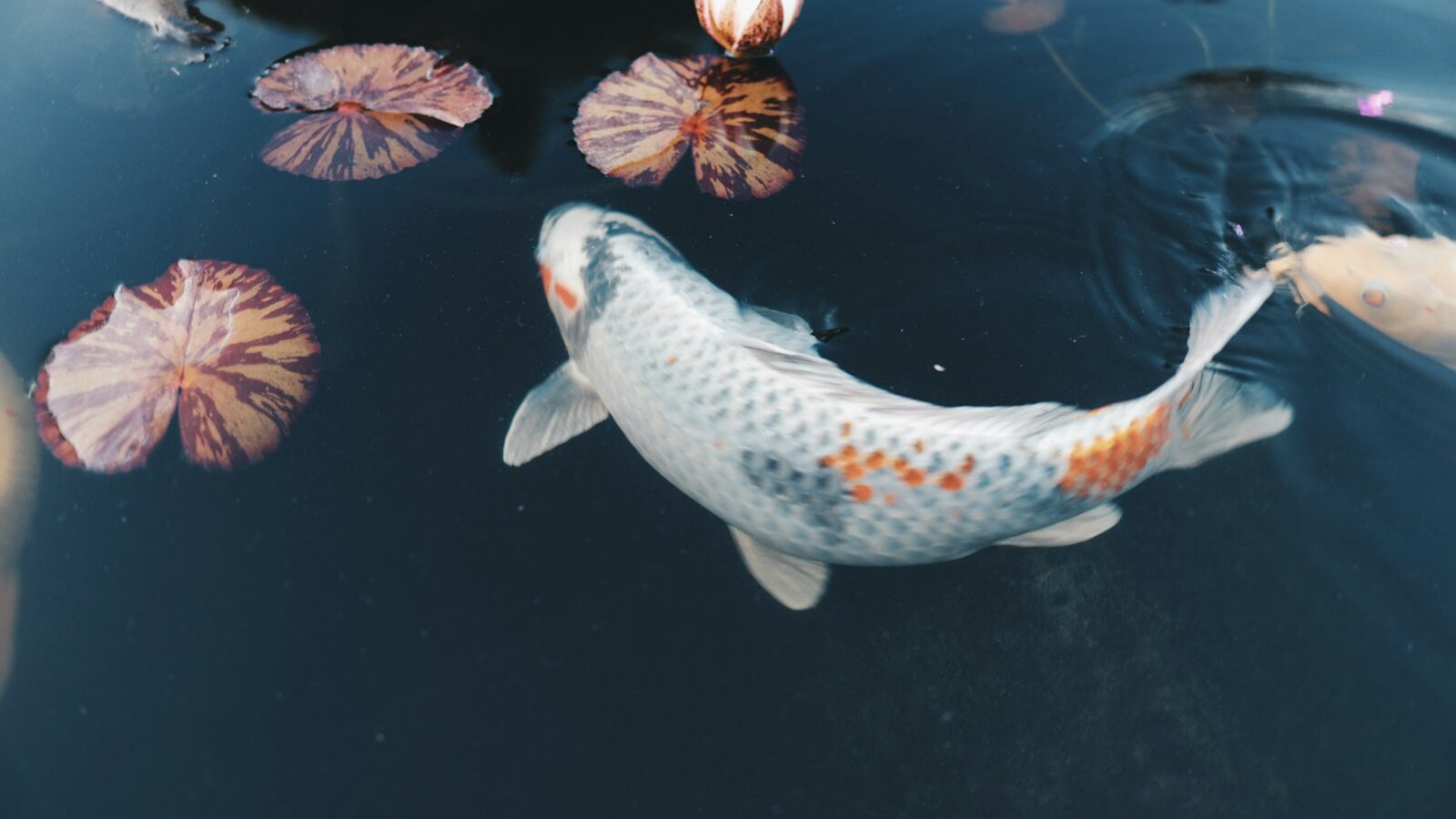
Choose pond fish by matching the species to your water volume first, then to your climate and the look you want. As a rough rule, give koi at least 250 gallons each and a pond 3 to 4 feet deep, while goldfish thrive in 10 to 20 gallons each and tolerate a shallower 18 to 24 inches. Get the volume-to-fish math right and almost everything else, water quality, disease pressure, even predator losses, gets easier to manage. Stock too heavy and you will fight ammonia spikes, stunted growth, and algae blooms no matter how good your filter is.
Part of our Ponds & Water Gardens guide →
In this guide
Key Takeaways
- Volume decides the species. Under ~500 gallons, choose goldfish; 1,000+ gallons with 3 to 4 feet of depth opens the door to koi.
- Stocking density: aim for 1 inch of adult fish per 10 gallons as a hard ceiling, or roughly 1 koi per 250 gallons and 1 goldfish per 15 gallons.
- Koi grow big. Plan for 24 to 36 inches and 15-plus years, not the 4-inch fish you buy.
- Depth = winter survival. Cold climates need a section at least 24 inches (ideally 36) deep that stays liquid below the ice.
- Compatibility: koi and goldfish mix well; avoid fin-nippers and most tropicals. Quarantine every new fish for 2 to 3 weeks.
Start With Your Pond Volume, Not the Fish
The single most common pond-keeping mistake is buying fish before measuring water. A tank of 4-inch goldfish at the garden center looks tiny, but goldfish routinely reach 8 to 12 inches and koi reach 24 to 36 inches. Stocking decisions made on the size of juveniles guarantee overcrowding within two seasons.
Calculate volume before you shop. For a rectangular pond, multiply length x width x average depth in feet, then multiply by 7.48 to get gallons. For an irregular natural-edge pond, measure the longest length and widest width, multiply them, multiply by average depth, then multiply by 6.0 to account for the sloped sides. A pond 8 feet long, 5 feet wide, and 2.5 feet average depth holds roughly 8 x 5 x 2.5 x 6.0 = 600 gallons. That number, not the cuteness of the fish, sets your limits.
Knowing the volume also lets you size your pump and filter correctly. As a baseline, circulate the entire pond volume at least once per hour, so a 600-gallon pond needs a pump rated near 600 GPH at the actual head height. Heavily stocked koi ponds push that to a full turnover every 30 to 60 minutes plus a biofilter sized for the fish load.
The Stocking-Density Rules That Actually Work
Several rules of thumb circulate online; they roughly agree once you adjust for fish type. Use whichever is most conservative for your situation.
- 1 inch of fish per 10 gallons (measured at adult length) is the classic safe ceiling for a well-filtered pond. A 600-gallon pond tops out near 60 inches of adult fish.
- Koi: 1 fish per 250 gallons minimum, and many keepers prefer 1 per 500 once the fish mature. A 1,000-gallon pond comfortably holds 3 to 4 adult koi, not the dozen juveniles a dealer might sell you.
- Goldfish: 1 fish per 10 to 20 gallons. A 600-gallon pond can carry roughly 6 to 12 adult goldfish depending on filtration.
- Surface area matters too. Oxygen exchange happens at the surface, so plan on about 1 inch of fish per square foot of surface for ponds without supplemental aeration.
Always stock to the low end at first. Fish grow, they breed (goldfish especially will multiply), and a pond that looks empty in spring can be crowded by late summer. Under-stocking gives your biofilter headroom, keeps ammonia and nitrite near zero, and leaves room for the babies you did not plan on.
Koi vs Goldfish vs Other Options
Koi: the showpiece that demands space
Koi are the reason most people picture a pond. They are intelligent, hand-tamable, brilliantly colored, and long-lived, 15 to 30 years is normal and some pass 50. But they are big-water fish. A mature koi reaches 24 to 36 inches, eats heavily, and produces a correspondingly large waste load. Give each koi 250 to 500 gallons, a minimum depth of 3 feet (4 is better for temperature stability and overwintering), and a robust biofilter with mechanical pre-filtration. Koi also dig and uproot plants, so combining a heavily planted display with a koi load takes deliberate design, usually plants in protected baskets or a separate bog filter.
Goldfish: the forgiving all-rounder
For most backyard ponds under 1,000 gallons, goldfish are the smarter choice. Common goldfish, comets, and shubunkins are hardy, cold-tolerant, inexpensive, and far gentler on plants than koi. They reach 6 to 12 inches, need only 10 to 20 gallons each, and overwinter happily under ice as long as a section stays unfrozen and gas exchange continues. Fancy varieties (orandas, ryukins, fantails) are prettier but slower, weaker swimmers, less cold-hardy, and more prone to swim-bladder issues; treat them as a warm-season or mild-climate option rather than a tough outdoor fish.
Other pond fish worth considering
- Golden orfe: fast, active surface fish that reach 12 to 18 inches; need a large, well-oxygenated pond and are sensitive to low oxygen and some medications.
- Rosy red minnows / fathead minnows: small, cheap, useful for mosquito control and as a dither fish; breed readily.
- Weather loach (dojo): peaceful bottom-dweller that tolerates cool water and helps stir detritus.
- Native sunfish or mosquitofish: only where legal in your state; never release ornamental or non-native fish into natural waterways.
Avoid most tropical fish outdoors in temperate climates. They cannot survive water below the high 60s Fahrenheit and become an expensive seasonal experiment. If you want a low-maintenance planted water feature rather than a fish display, consider building a smaller container water garden first, our guide on setting up a water garden walks through the trade-offs.
Compatibility: Who Plays Nicely Together
Pond fish are generally peaceful, so compatibility is less about aggression than about matching size, temperament, temperature needs, and waste load.
- Koi + goldfish: excellent. Same water parameters, same diet, same cold tolerance. The main caveat is that adult koi can outcompete goldfish at feeding time, so spread food across the surface.
- Goldfish + golden orfe + minnows: a balanced cold-water community for a medium pond, provided oxygen stays high.
- Mixed sizes: avoid pairing tiny minnows with large koi if you do not want the minnows treated as snacks; most koi will not actively hunt but opportunistic gulping happens.
- Fancy goldfish with fast swimmers: a mismatch. Slow fancies get outcompeted and stressed by comets and orfe.
Steer clear of fin-nippers, aggressive cichlids, and anything sold as an “algae eater” for tropical tanks (plecos and Chinese algae eaters die in cold water and can rasp at koi slime coats). Keep the community cold-water, peaceful, and similar in adult size and you will rarely see conflict.
Depth, Climate, and Overwintering
Depth is a survival feature, not a cosmetic one. In climates where the pond surface freezes, you need a zone deep enough that water stays liquid below the ice, generally at least 24 inches, and 30 to 36 inches in cold-winter regions (think USDA zones 3 to 5). Fish drop to the bottom, slow their metabolism, and overwinter in this unfrozen layer. Equally important is keeping a hole open in the ice for gas exchange; a floating de-icer or a small air stone near the surface prevents the buildup of toxic gases that kills fish under a sealed ice cap. Never smash the ice, the shockwave can injure dormant fish.
In hot climates, depth and shade protect fish from heat and oxygen crashes. Water above 80 Fahrenheit holds less dissolved oxygen, so deeper water, surface plants for shade (lily pads covering 40 to 60 percent of the surface), and extra aeration in summer all help. Plan a depth profile with shelves at 6 to 12 inches for marginal plants and a deeper central basin for the fish.
Buying, Acclimating, and Quarantine
Buy from a reputable dealer, inspect fish before purchase, and stock gradually. Look for fish that swim upright with clamped fins held open, clear eyes, intact scales, and no white spots, ulcers, frayed fins, or cotton-like growths. Avoid any tank with dead or visibly sick fish, the whole batch may be compromised.
- Acclimate slowly. Float the sealed bag for 15 to 20 minutes to equalize temperature, then add small amounts of pond water to the bag every 5 minutes for 30 minutes before releasing the fish (not the bag water) into the pond.
- Quarantine new arrivals in a separate tub for 2 to 3 weeks before they meet your existing stock. This is the single best defense against introducing parasites and disease to an established pond.
- Add fish in stages. A new or recently cleaned pond has an immature biofilter; add just a few fish first, monitor ammonia and nitrite for a couple of weeks, then add more once readings stay at zero.
- Feed sparingly. Overfeeding is the top cause of water-quality crashes. Feed only what fish clear in 2 to 3 minutes, and stop feeding entirely once water drops below 50 Fahrenheit.
Finally, protect against predators. Herons, raccoons, and cats target shallow ponds. Depth (3+ feet), steep sides, a net during heron season, and plant cover or a fish cave give fish somewhere to hide. A pond stocked correctly and protected from predators will hold healthy fish for years. For the plant side of the equation, see our companion guide on planting pond plants in baskets, which pairs naturally with a koi or goldfish pond.
Frequently Asked Questions
How many fish can I put in my pond?
As a safe ceiling, allow 1 inch of adult fish per 10 gallons of water. For koi, plan on one fish per 250 to 500 gallons; for goldfish, one per 10 to 20 gallons. Always measure your true volume and stock to the low end so the fish have room to grow.
Can koi and goldfish live together?
Yes. They share the same water temperature, diet, and cold tolerance, making them ideal pondmates. The only caution is that larger koi can outcompete goldfish at feeding time, so scatter food across the surface so everyone gets a share.
How deep does a fish pond need to be?
At least 24 inches for goldfish and 36 inches for koi. In cold-winter climates, deeper is better so a liquid layer remains below the ice for overwintering. A deep central basin also protects fish from herons and summer heat.
Do pond fish need a heater in winter?
No, koi and goldfish are cold-water fish and overwinter naturally if the pond has enough depth to stay partly unfrozen. You do need to keep a hole open in the ice with a floating de-icer or air stone for gas exchange, and stop feeding once water drops below 50 Fahrenheit.
Why are my new pond fish dying?
The usual culprits are ammonia or nitrite spikes from overstocking or an immature biofilter, low oxygen in hot weather, or disease introduced by skipping quarantine. Test the water, stock gradually, feed lightly, and quarantine new fish for 2 to 3 weeks before adding them to the main pond.