

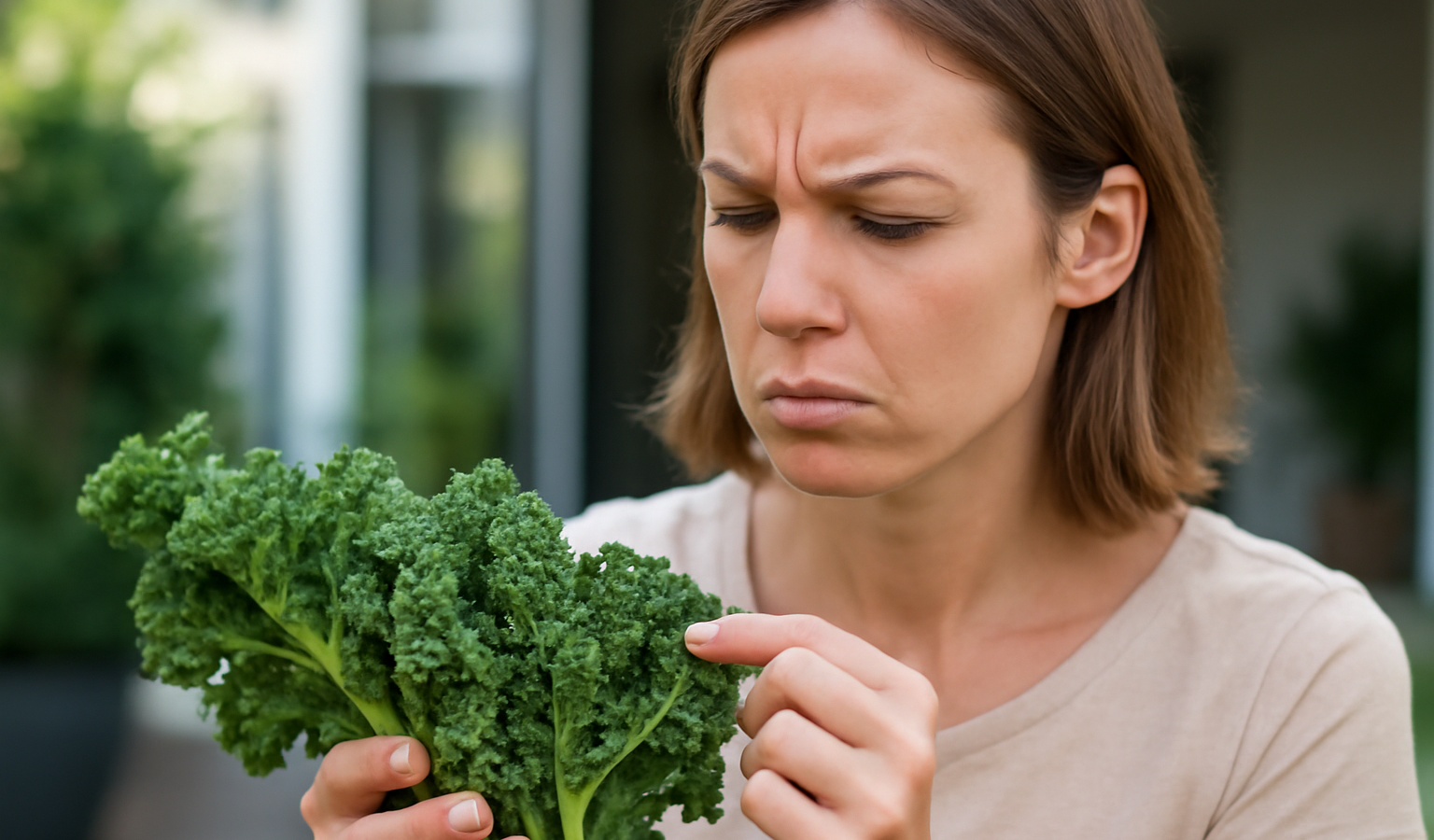
You planted kale because everyone said it was the easiest, most rewarding green in the garden. Then you tasted it raw, fresh from the bed, and your mouth puckered with a sharp, sulfurous bitterness that no smoothie could hide. If that sounds familiar, you are not doing anything fundamentally wrong, and the plant is not defective. Bitterness in kale is almost always a signal—a measurable response to growing conditions, timing, and the maturity of the leaf you just picked. Once you learn to read those signals, you can turn harsh, acrid leaves into the sweet, nutty greens that made kale famous in the first place.
Kale belongs to the brassica family alongside cabbage, broccoli, and collards, and like all brassicas it manufactures defensive compounds called glucosinolates. These are the source of the peppery, mustard-like bite, and the plant ramps them up when it feels threatened by heat, drought, or pests. The good news is that every cause of excess bitterness has a clear fingerprint and a practical fix. In this guide we will walk through the four reasons home-grown kale turns bitter—warm weather, plant stress, over-mature leaves, and a lack of cold—and then lay out a prevention routine so your next crop tastes the way it should.
Key Takeaways
- Kale is a cool-season crop that tastes best between 60 and 70°F; sustained heat above 75 to 80°F spikes the bitter glucosinolates.
- Stress from drought, erratic watering, poor soil, or crowding makes leaves harsh—aim for even moisture and steady feeding.
- Old, oversized outer leaves and any plant that has begun bolting (sending up a flower stalk) are the bitterest; harvest young, hand-sized leaves instead.
- Cold sweetens kale: after a light frost (28 to 32°F) the plant converts starches to sugars, so fall and early-winter kale is far milder.
- Grow in spring and fall, mulch and water 1 to 1.5 inches per week, side-dress with nitrogen, and pick from the outside using cut-and-come-again.
Cause 1: Heat and Warm Weather
The single most common reason home gardeners end up with bitter kale is simple timing: they grew it through the heat of summer. Kale is a cool-season vegetable, evolved for the mild shoulders of the year. Its sweet spot is daytime temperatures between 60 and 70°F. When the thermometer climbs and stays above roughly 75 to 80°F for days on end, the plant interprets the heat as stress and floods its tissues with extra glucosinolates and other defensive chemistry. The result is leaves that taste aggressively peppery, sulfurous, and harsh—sometimes to the point of being unpleasant raw. The same plant that delivered mild, tender leaves in April can turn punishingly bitter by mid-July without any change in how you cared for it.
How to diagnose it
Diagnose heat-driven bitterness by the calendar and the forecast rather than by looking at the leaf. Ask yourself what the weather has been doing for the past one to two weeks. If you have had a run of days topping 80°F, especially with warm nights that never dip below the mid-60s, heat is almost certainly your culprit. Kale grown and harvested in the cool of spring or fall rarely bites back this way; kale pulled from the garden during a summer heat wave almost always does. Another tell: if the leaves look healthy and well-watered but still taste sharp, and the season is warm, the temperature itself is doing the damage rather than any visible problem with the plant. Understanding this seasonal split is the foundation of growing good kale, and it applies across the whole spectrum of warm versus cool-season vegetables.
How to fix it
The real fix is scheduling. Plant kale so the bulk of your harvest lands in cool weather: sow in early spring for a late-spring crop, then sow again in mid- to late summer for a fall and early-winter crop that matures as temperatures fall. In most USDA zones the fall planting produces the best-tasting kale of the year. If you are stuck with plants in summer heat right now, you can reduce the bitterness several ways. Provide afternoon shade with shade cloth (30 to 40 percent) or by siting plants where taller crops block the worst midday sun. Keep the soil consistently moist so the plant has no second stressor stacked on top of the heat. Harvest in the early morning when the leaves are coolest and their sugars are highest, never in the heat of the afternoon. And accept that summer leaves are better cooked than raw—heat from sautéing or braising tames bitterness that no amount of care will fully remove from a hot-grown leaf.
Cause 2: Plant Stress
Beyond temperature, kale responds to almost any kind of stress by getting bitter. The plant cannot move away from a problem, so its chemical defenses are how it copes—and a coping plant is a bitter plant. The four big stressors are drought, inconsistent watering, poor fertility, and overcrowding. A kale plant that dries out and then gets flooded, that sits in thin, hungry soil, or that is jammed elbow-to-elbow with its neighbors is fighting for survival, and you can taste that fight in every leaf. Stress bitterness is insidious because the plant may still look reasonably green and upright while tasting terrible.
How to diagnose it
Look for the physical signatures of stress. Drought-stressed kale has dull, slightly leathery leaves, may wilt in the afternoon and recover overnight, and grows slowly. Inconsistent watering shows up as uneven growth and sometimes as tip burn on leaf edges. Poor fertility produces pale, yellowing lower leaves and stunted, small plants that simply will not bulk up. Crowding is easy to spot: if your kale stems are nearly touching and the plants are competing for light and root space, they are stressed by definition. A useful field test is to stick a finger two inches into the soil—if it is bone dry, your plant has been thirsty, and thirsty kale is bitter kale. If the leaves are small and pale despite adequate water, the soil is likely starved of nitrogen.
How to fix it
Remove the stressors and the bitterness fades from new growth. Give kale even, consistent moisture—about 1 to 1.5 inches of water per week, delivered deeply rather than in frequent shallow sprinkles, so the root zone never swings between soaked and parched. A 2- to 3-inch layer of mulch around the plants is the single best tool for holding that moisture steady and keeping the soil cool. Feed the plants: kale is a moderately heavy feeder, so work compost into the bed at planting and side-dress with a balanced or nitrogen-leaning fertilizer every three to four weeks during active growth. Give each plant room—12 to 18 inches between plants—so the roots are not competing and air can move freely. None of these fixes change leaves that are already bitter, but within a week or two the fresh leaves the plant pushes out will be noticeably sweeter and more tender.
Cause 3: Old or Over-Mature Leaves
Even a perfectly grown, cool-season kale plant will give you bitter leaves if you harvest the wrong ones. As a kale leaf ages it accumulates fiber and concentrates bitter compounds, so the big, old, leathery outer leaves are almost always sharper and tougher than the young inner growth. The bitterness peaks when the plant shifts from growing leaves to reproducing—a process called bolting, where it sends up a tall central flower stalk. A bolting kale plant is racing to make seed, and it pours bitterness into its foliage as it goes. Leaves from a bolting plant can be so harsh as to be inedible, even in cool weather.
How to diagnose it
Judge by leaf size, texture, and the center of the plant. If the leaves you have been picking are larger than your hand, thick, and noticeably tough or fibrous to chew, they are over-mature and that alone explains the bitterness. Compare a small, young inner leaf with a giant outer one from the same plant—taste both, and you will usually find the young leaf dramatically milder. Then look at the heart of the plant: if you see a thick stalk rising from the center, elongating stems, or the first yellow flower buds, the plant is bolting. Bolting is triggered by stress, heat, or simply age, and once it starts the plant’s culinary quality drops fast. The crowded inner growth giving way to a vertical stalk is the unmistakable sign.
How to fix it
Harvest young and harvest often. The best leaves are roughly hand-sized—large enough to be worth picking, young enough to stay tender and mild. Use the cut-and-come-again method: take the outer leaves first, working from the bottom of the plant upward, and always leave the central rosette of small inner leaves intact so the plant keeps producing. Snap or cut each leaf cleanly at the base of its stem. Picking this way every few days keeps the plant in a juvenile, leaf-making mode and prevents leaves from ever getting old enough to turn harsh. When a plant does bolt, pull it—the flowering plant will not improve, and removing it makes room for a fresh sowing. This is the same age-and-stress dynamic that turns other vegetables tough or stringy; if you have wrestled with it elsewhere, our look at why celery turns stringy covers the parallel principle of harvesting at the right stage.
Cause 4: No Frost—Not Sweetened by Cold
Here is the secret that separates frustrated kale growers from devoted ones: kale needs a kiss of frost to taste its best. When temperatures drop near and below freezing, the plant protects its cells from ice damage by converting stored starches into sugars, which act as a kind of natural antifreeze. Those sugars do not just keep the plant alive—they sweeten the leaves dramatically, balancing and masking the bitter glucosinolates. Kale harvested before any frost, or grown in a warm climate that never gets cold, simply has not undergone this transformation. It can taste perfectly fine and yet noticeably more bitter than the same variety picked after a hard cold snap. Many gardeners who think they hate kale have only ever eaten the pre-frost, unsweetened version.
How to diagnose it
This one is purely about cold exposure. Has your kale experienced a frost yet? If you are harvesting in late summer or early fall before the first frost has arrived, the leaves have not been sweetened and will lean bitter even if everything else is right. If you garden in a mild-winter region—the lower end of the USDA zone range, say zone 9 or warmer—where overnight lows rarely reach freezing, your kale may never get the cold trigger at all. The diagnostic is straightforward: cool weather is good, but actual frost is what flips the sweetness switch. A plant that has tasted 28 to 32°F nights will be measurably sweeter than the identical plant picked a week earlier in 50°F weather.
How to fix it
Time your main harvest for after the first light frosts of fall, when nights dip to 28 to 32°F. This is why fall kale is the prize crop: it matures right as the cold arrives and converts to sugar. Plant in mid- to late summer specifically so the plants are full-sized and ready when the frosts begin, then keep harvesting through late fall and into winter—kale is remarkably cold-hardy and many gardeners pick it under snow. If you live in a warm zone with no reliable frost, you can still get good kale by growing it in your coolest months (your winter), choosing the most heat-tolerant varieties, and leaning on cooking to mellow the leaves. And whatever your climate, a good massage helps: kneading raw kale leaves with a little salt or oil for a couple of minutes breaks down the cell walls, softens the texture, and tames bitterness for salads—a worthwhile trick when nature has not provided the frost.
Prevention: Growing Sweet, Mild Kale Every Time
Preventing bitterness is mostly about giving kale the cool, steady, unstressed life it was bred for. Start with timing, because timing fixes more bitterness than anything else. Grow kale in spring and, especially, in fall—aim your biggest harvest at the cool weeks after the first frosts, when leaves are naturally sweetened. Skip or shade summer plantings, since midsummer heat above 75 to 80°F will work against you no matter how careful you are. Holding the plant in its happy 60-to-70°F range is the whole game.
Build the bed for steady, stress-free growth. Plant into rich soil amended with compost, space plants 12 to 18 inches apart so they never crowd, and mulch with 2 to 3 inches of organic material to keep roots cool and moisture even. Water deeply and consistently—1 to 1.5 inches per week—so the plants never bounce between drought and drowning. Side-dress with nitrogen every three to four weeks to keep growth lush and fast; fast-growing kale is tender, mild kale. Healthy, well-fed plants simply do not feel the need to load up on bitter defensive compounds the way struggling ones do. For more on matching crops to your conditions and season, the plants and flowers hub is a good place to keep exploring.
Harvest technique seals the deal. Pick outer leaves young, around hand size, using cut-and-come-again so the plant stays in leaf-making mode and never goes old and tough. Harvest in the cool morning hours. Pull any plant that bolts rather than fighting it. And lean on variety selection: Lacinato (also called dinosaur or Tuscan) kale has a deep, nutty, comparatively mild flavor and a flat leaf that is easy to work with; Red Russian is tender and sweet, especially good for raw use; and Winterbor is a vigorous, intensely cold-hardy curly type that shines in the fall garden and holds through winter. Put these habits together—right season, even moisture, steady feeding, room to grow, young harvests, and a touch of frost—and bitter kale becomes a problem of the past.
Frequently Asked Questions
Is bitter kale safe to eat?
Yes. The bitterness comes from glucosinolates and related compounds that are natural to all brassicas and are not harmful in normal amounts—they are actually part of why kale is considered so nutritious. Bitter kale is a flavor and palatability issue, not a safety one. Cooking, massaging, or pairing it with acid, fat, salt, or a touch of sweetness will make even sharp leaves enjoyable.
How do I make already-bitter kale taste better?
Cook it. Heat from sautéing, braising, or roasting mellows bitterness significantly, and a splash of lemon juice or vinegar, a pinch of salt, and some olive oil balance what remains. For raw use, massage the leaves with salt or oil for a couple of minutes to break down the fibers, then add something sweet or acidic to the dish. Stripping out the thick central stems also helps.
Does kale really get sweeter after frost?
It does, and the effect is noticeable. When temperatures fall to around 28 to 32°F, the plant converts stored starches into sugars to protect its cells from freezing, and those sugars sweeten the leaves while softening the bitter edge. This is why fall and early-winter kale, picked after the first light frosts, tastes dramatically better than the same variety harvested in warm weather.
Which kale varieties are the least bitter?
Lacinato (dinosaur or Tuscan) kale is prized for a deep, nutty, relatively mild flavor, and Red Russian is tender and sweet enough to enjoy raw. Winterbor is an extremely cold-hardy curly type that turns wonderfully sweet after frost. That said, growing conditions matter more than variety—any of these will turn bitter if grown in heat or stress, and any will sweeten with cool weather and good care.
Why is my kale bitter even though the weather is cool?
If the season is cool but your kale is still sharp, look at leaf age and plant stress. Over-mature outer leaves and any plant that has started bolting are bitter regardless of temperature, so harvest young, hand-sized leaves instead. Also check for hidden stress—dry soil, starved roots, or crowding—and confirm the plant has actually seen a frost yet, since pre-frost kale lacks the cold-induced sweetness.