

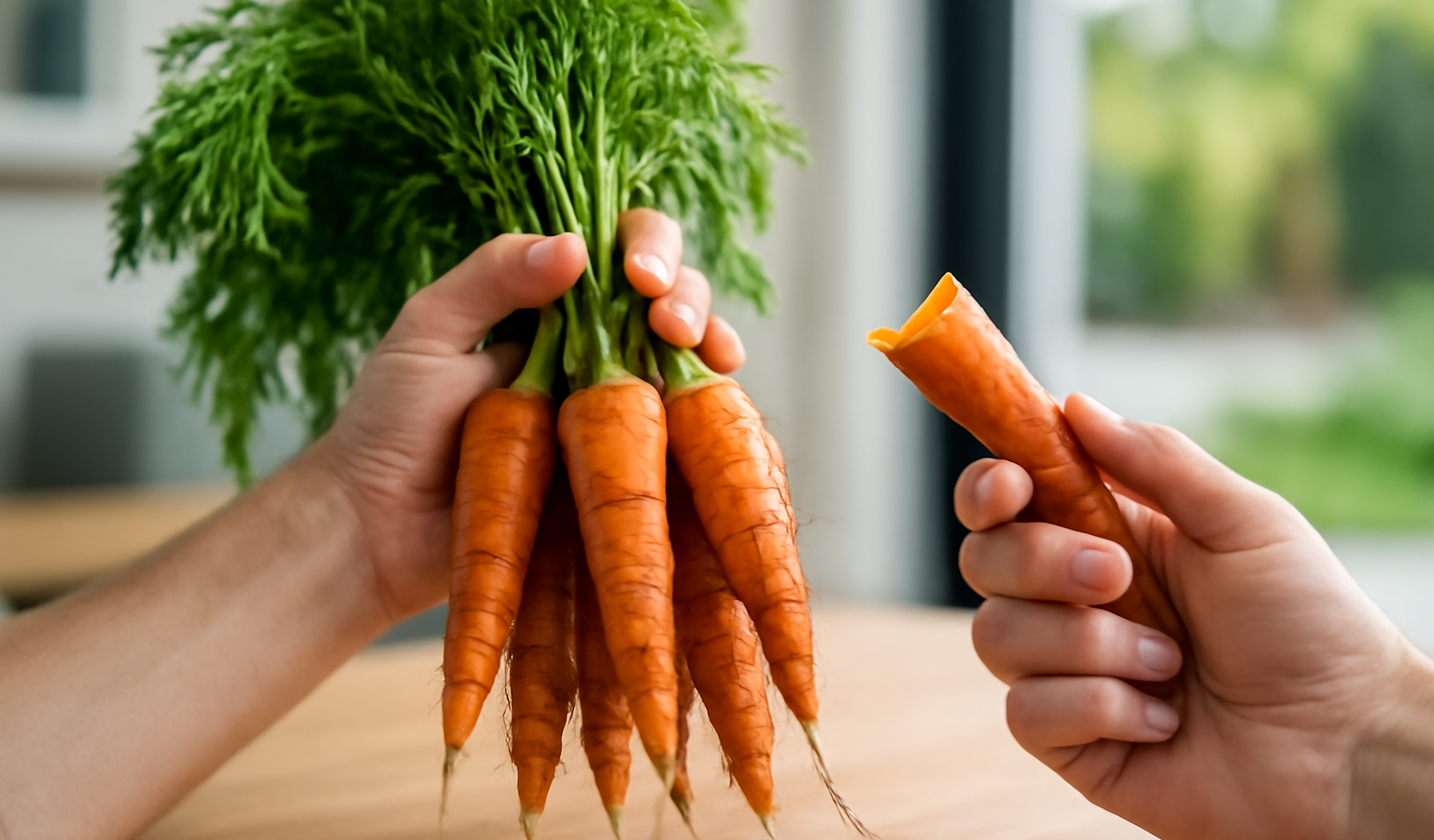
You pulled a beautiful row of carrots, brushed off the soil, took a bite, and got a mouthful of harsh, soapy, almost medicinal bitterness instead of the sweet crunch you were after. It is one of the more demoralizing surprises in the vegetable garden, because carrots take their time and look perfect right up until you taste them. The good news is that bitter carrots are almost never a disease or a pest problem. Bitterness is a flavor problem, and flavor problems trace back to a handful of specific growing and handling conditions that you can identify and correct.
Carrots build their sweetness from sugars that accumulate in cool conditions, and they develop bitterness from a group of compounds called terpenoids that the plant produces under stress. When everything goes right, the sugars dominate and the terpenoids stay in the background. When the plant is stressed by heat, drought, excess nitrogen, or rough handling after harvest, the balance tips toward those bitter compounds. This guide walks through every major cause of bitter carrots, shows you how to diagnose which one is affecting your crop, and gives you the specific fix for each. Get these factors right and you will pull sweet, crisp carrots season after season.
Key Takeaways
- Bitterness comes from stress-induced terpenoid compounds, while sweetness comes from sugars that build in cool weather between 60 and 70 degrees Fahrenheit.
- Carrots are a cool-season crop; ones that mature in midsummer heat are the most common cause of bitter roots, so time plantings for spring and fall harvest.
- Inconsistent or insufficient water concentrates bitter compounds and makes roots woody, so keep soil evenly moist at roughly 1 inch of water per week.
- Warm storage, ethylene exposure from apples and pears, and green sun-exposed shoulders all turn carrots bitter after they leave the ground.
- Too much nitrogen or fresh manure causes off flavors and forking, so feed lightly and choose naturally sweet varieties like Nantes, Bolero, and Sugarsnax.
- Let carrots reach full maturity for peak sugar, but do not leave them in the ground so long that they turn woody and bitter.
Heat and Growing in Hot Weather
The single most common reason home gardeners end up with bitter carrots is heat. Carrots are a cool-season crop, and they evolved to do their best growing and flavor development in temperatures between 60 and 70 degrees Fahrenheit. In that range, the plant photosynthesizes efficiently and steadily packs sugars into the root. When daytime temperatures climb past the low 80s and especially into the 90s, the plant shifts into survival mode. It ramps up production of terpenoid compounds, which protect the plant under stress but taste harsh and soapy to us. A carrot that spends the final weeks of its development baking in midsummer heat will be bitter even if every other factor is perfect.
This is also why carrots are famous for sweetening up in cool fall weather and especially after a light frost. When temperatures drop, the plant converts some of its stored starch into sugars as a natural antifreeze, concentrating sweetness in the root. A carrot harvested after the first light frosts of autumn is noticeably sweeter than the same variety pulled in July. The cold does not damage the root in the ground; it actually improves it.
How to Diagnose Heat Stress
Think about your timing. If you sowed seeds in late spring and the roots reached full size during the hottest stretch of summer, heat is almost certainly your culprit. The clue is in the calendar more than the carrot itself: bitterness that appears across an entire planting that matured in July or August, regardless of how well you watered, points squarely at temperature. Heat-stressed carrots often taste fine in the cool soil at the bottom of the root but harsher near the shoulders, and the foliage may have looked stressed or wilted during the day even when the soil was moist.
How to Fix It
The fix is timing, not effort. Plan your plantings so the roots mature in cool weather. For a spring crop, sow seeds as soon as the soil reaches about 45 to 50 degrees Fahrenheit, four to six weeks before your last frost, so the carrots size up and finish in the mild weather of early summer rather than in midsummer heat. For a fall crop, which is where carrots truly shine, count back the days to maturity for your variety (typically 60 to 80 days) plus a couple of extra weeks for the slower growth of shortening days, and sow in mid to late summer so the roots finish in the cool of autumn. In USDA zones 8 and warmer, the fall and winter window is your prime carrot season, and you can often hold roots in the ground through winter. In zones 3 to 7, target a spring sowing and a more reliable late-summer sowing for fall harvest. If a heat wave hits during development, a layer of straw mulch and shade cloth over the bed can knock soil temperatures down several degrees and take the edge off the stress.
Inconsistent or Insufficient Water
Water stress is the close cousin of heat stress, and the two often work together. When a carrot does not get enough water, or when it gets water in an erratic feast-or-famine pattern, the plant responds the same way it responds to heat: it produces more of those bitter terpenoid compounds and diverts resources away from sugar accumulation. Drought stress also makes the root tougher and more fibrous, so dry-grown carrots are frequently both bitter and woody at the same time. The cells that should be plump with sweet juice instead become tough and concentrated with harsh flavor.
Carrots have relatively shallow, fine root systems for taking up moisture even though the edible taproot drives deep, so the top several inches of soil need to stay consistently damp. Letting the bed dry out hard and then soaking it not only stresses the plant chemically but can also cause the rapidly expanding root to split. Even moisture is the goal from germination all the way through harvest.
How to Diagnose Water Stress
Dig a finger into the bed a few inches down. If the soil is bone dry between waterings or rainfall, your carrots have been riding through dry spells. Bitter carrots that are also noticeably tough, fibrous, or have a hard woody core are showing the classic signature of inadequate or uneven water. Cracked or split roots are another tell, since they form when a thirsty root suddenly takes up a flush of water. If your carrots are bitter and woody but the weather was not especially hot, water is the prime suspect.
How to Fix It
Aim to give carrots about 1 inch of water per week, including rainfall, and more during hot or windy stretches. The key word is consistency: it is far better to water deeply two or three times a week than to give a light sprinkle every day or to soak heavily once and then forget the bed. Deep, even watering encourages the taproot to grow straight and stay sweet. A 2 to 3 inch layer of straw, shredded leaf, or fine bark mulch over the bed is one of the most effective tools you have, because it slows evaporation, buffers the soil against drying out, and helps keep the root zone cool during heat. Mulch addresses both the water problem and the heat problem at once. If you garden in fast-draining sandy soil, work in plenty of compost before planting to improve moisture retention, and check the bed more often.
Poor Storage and Harvest Timing
Sometimes carrots grow up sweet in the garden and only turn bitter after you pull them. Storage and harvest handling are an underappreciated source of bitterness, and the mistakes here are easy to make without realizing it. The flavor of a carrot continues to change after harvest, and warm, careless storage pushes it in the wrong direction.
The biggest storage culprit is ethylene gas. Carrots are extremely sensitive to ethylene, the natural ripening hormone given off by fruits like apples, pears, bananas, and tomatoes. Store carrots in the same drawer as a bag of apples and within days they will develop a distinctly bitter taste, even if they were perfectly sweet going in. Warm storage compounds the problem, because the carrots keep respiring and breaking down rather than holding their sugars. The other harvest-related issue is timing. Carrots left in the ground well past maturity, especially through warm weather, keep growing, turn woody, and lose their sweet balance. And carrots whose shoulders push up out of the soil and get exposed to sunlight develop green tops, which taste bitter and slightly off.
How to Diagnose Storage and Harvest Problems
If your carrots tasted fine when you first sampled one from the garden but turned bitter after a week or two in the fridge, look at what they are sharing space with. Carrots stored loose near fruit in a refrigerator are the classic case. If only the top inch or so of the carrot near the crown is bitter and you can see a green or purplish tinge there, that is sunscald from exposed shoulders. If the whole carrot is bitter, woody, and oversized for its variety, you simply left it in the ground too long.
How to Fix It
Store carrots cold and humid, at 32 to 40 degrees Fahrenheit with high humidity, and keep them well away from ethylene-producing fruit. Remove the green tops before storing, since the leaves pull moisture and sugars out of the root. For long keeping, pack carrots in damp sand or sawdust in a cool cellar, or seal them in perforated bags in the crisper drawer, and do not share that drawer with apples or pears. Harvest at the proper maturity for your variety rather than letting roots grow oversized; most carrots are at their best when they reach the diameter listed on the seed packet, often around three-quarters of an inch to an inch at the shoulder. To prevent green shoulders, hill a little loose soil or mulch over the crowns as the roots develop so they stay covered and out of the sun. If you want the sweetest possible carrots, leave a fall crop in the ground until after a light frost or two, then harvest before the ground freezes hard.
If you are running into flavor and form problems across your root crops in general, it is worth looking at how your soil and conditions affect them all. Our guide on why beets stay small covers many of the same spacing and fertility principles that apply to carrots.
Over-Fertilizing, Too Much Nitrogen, and the Wrong Variety
Carrots are not heavy feeders, and treating them like a leafy crop is a recipe for bad flavor. Excess nitrogen pushes the plant to grow lush green tops at the expense of the root and disrupts the sugar balance, producing carrots with harsh, off flavors. Nitrogen-rich, freshly manured beds are especially problematic. Fresh or undecomposed manure not only oversupplies nitrogen but also tends to cause carrots to fork, split, and grow hairy with extra rootlets, all while degrading flavor. Carrots want a moderate, balanced fertility with good phosphorus and potassium, not a nitrogen surge.
Variety also matters more than many gardeners expect. Some carrot types are naturally sweeter and milder than others, and if you are growing an older or more strongly flavored variety, a portion of the bitterness may simply be genetics interacting with your conditions. Choosing a variety bred for sweetness gives you a wider margin for error against the heat and water stresses described above.
How to Diagnose Fertility and Variety Issues
If your carrots have unusually large, lush green tops but disappointing roots, or if they came out forked, hairy, and bitter from a bed you recently amended with manure or a high-nitrogen fertilizer, over-fertilizing is the likely cause. If your carrots are reasonably sweet but just a touch harsher than store-bought, and your growing conditions seem fine, variety choice is worth examining. Check the flavor notes on the seed packet or catalog description.
How to Fix It
Go easy on the nitrogen. Never plant carrots in soil freshly amended with manure; if you use manure, apply it well-composted and to the previous crop, not directly before carrots. A balanced, low-nitrogen feeding or a soil rich in finished compost is all carrots need. For variety, choose types known for sweetness and crisp texture. Nantes types are reliably sweet, tender, and well-suited to home gardens; Bolero is a Nantes-type hybrid prized for strong flavor and excellent storage; and Sugarsnax is a sweet, slender Imperator-type that lives up to its name. These varieties give you the best raw eating quality. Finally, let your carrots mature fully before harvest. A carrot that has reached its full days to maturity has had time to convert starches into sugars and will taste far sweeter than one pulled early and underdeveloped.
Rocky Soil, Forking, and Leaving Roots Too Long
A couple of related issues round out the picture. Carrots need loose, deep, stone-free soil to grow straight and develop properly. In rocky, compacted, or heavy clay soil, the taproot hits obstacles and forks, twists, or stunts. Forked and misshapen carrots are not always bitter on their own, but stressed roots fighting through poor soil tend to be tougher and more strongly flavored, and the same compaction that causes forking often goes hand in hand with the drought stress that drives bitterness. Work your bed deeply, remove stones, and lighten heavy ground with compost and coarse sand so roots can drive down cleanly. Raised beds filled with loose, friable soil are ideal for carrots.
The other issue is simply leaving carrots in the ground far too long. While a light frost sweetens fall carrots, roots left through extended warm weather past maturity keep growing, develop a tough fibrous core, and turn woody and bitter as the plant prepares to bolt and flower the following season. An overgrown, oversized carrot is rarely a good one. Harvest in the carrot’s sweet spot rather than treating the garden as indefinite storage. This same principle of harvesting at the right moment applies across root vegetables, as our article on radishes that grow all tops and no bulb explains for a faster-maturing crop.
Prevention: Growing Sweet Carrots Every Time
Preventing bitter carrots comes down to respecting that they are a cool-season root crop and giving them steady, unstressed conditions from seed to storage. Start by timing your plantings so the roots mature in cool weather rather than midsummer heat. Aim for an early spring sowing as soon as the soil hits 45 to 50 degrees Fahrenheit, and a late-summer sowing for a fall harvest that finishes after the first light frosts, which is when carrots are at their sweetest. In warm zones 8 and up, lean on the fall through winter window as your main season.
Prepare a loose, deep, stone-free bed enriched with finished compost but not fresh manure or heavy nitrogen, so roots grow straight and flavor stays clean. Water consistently, targeting about 1 inch per week and never letting the bed swing between bone dry and soaking wet, and lay down a 2 to 3 inch mulch to hold moisture and keep the soil cool. Hill a little soil over exposed shoulders to prevent bitter green crowns. Choose naturally sweet varieties such as Nantes, Bolero, and Sugarsnax, and let each crop reach its full days to maturity before pulling so the sugars have time to build.
Finally, handle the harvest with care. Pull carrots at proper size rather than letting them grow woody, remove the tops promptly, and store them cold at 32 to 40 degrees Fahrenheit in high humidity, well away from apples, pears, and other ethylene-producing fruit. Do that and the harsh, soapy flavor disappears, leaving you with the crisp, genuinely sweet carrots that make growing your own worthwhile. For more troubleshooting across the vegetable patch, browse our full plants and flowers growing guides.
Frequently Asked Questions
Why are my carrots bitter even though they look perfectly healthy?
Healthy-looking carrots turn bitter from stress that does not show on the outside. The most common causes are roots that matured during hot weather above the low 80s, inconsistent or insufficient watering, or storage near ethylene-producing fruit like apples after harvest. Bitterness is a flavor and chemistry issue, not a sign of disease, so a great-looking carrot can still taste harsh.
Does frost really make carrots sweeter?
Yes. When temperatures drop, carrots convert some of their stored starch into sugars as a natural antifreeze, concentrating sweetness in the root. A fall carrot harvested after one or two light frosts is noticeably sweeter than the same variety pulled in summer heat. Leave fall carrots in the ground until after a light frost, then harvest before the soil freezes hard.
Can I fix bitter carrots after I have already harvested them?
You cannot reverse stress-induced bitterness, but you can keep it from getting worse. Store carrots cold at 32 to 40 degrees Fahrenheit with high humidity and away from apples and pears. For mildly bitter carrots, cooking, roasting, or pairing them with a bit of sweetness or fat in a dish can mask much of the off flavor. Trim away any green shoulders, which are the bitterest part.
Which carrot varieties are the sweetest and least likely to be bitter?
Nantes-type carrots are reliably sweet and tender, Bolero is a Nantes-type hybrid known for strong flavor and excellent storage, and Sugarsnax is a sweet, slender Imperator type. Choosing a variety bred for sweetness gives you more margin for error against heat and water stress. Always let them reach full maturity so sugars have time to develop.
How much should I water carrots to avoid bitterness?
Provide about 1 inch of water per week, including rainfall, and more during hot or windy spells. Consistency matters most: water deeply two or three times a week rather than light daily sprinkles or one heavy soak followed by drought. Add a 2 to 3 inch mulch layer to hold moisture and keep the root zone cool, which prevents both the dryness and the heat that drive bitter, woody roots.