

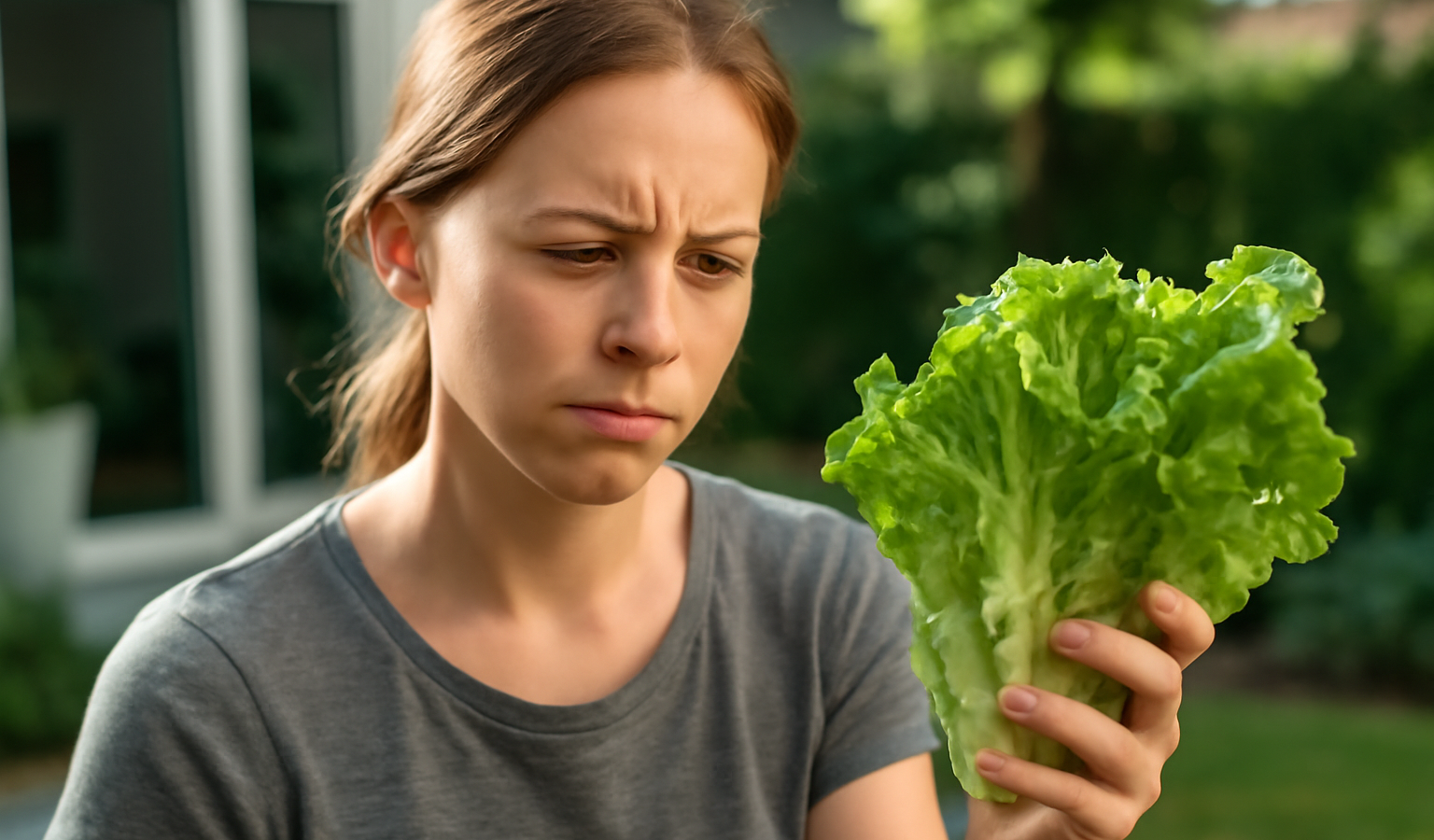
You planted lettuce expecting crisp, mild, faintly sweet leaves, and instead you bit into something so harsh and acrid it made you wince. Bitter lettuce is one of the most common and most frustrating disappointments in the home vegetable garden, partly because the plant often looks perfectly healthy right up until the moment you taste it. The good news is that bitterness is rarely a mystery once you understand what is happening inside the plant. In the overwhelming majority of cases, the culprit is heat and the bolting it triggers. As lettuce prepares to flower and set seed, it floods its tissues with milky sap loaded with compounds called sesquiterpene lactones, and those compounds taste intensely bitter. Other factors such as erratic watering, sluggish growth, harsh afternoon sun, nutrient stress, and even the variety you chose all push the plant in the same direction. This guide walks through each cause, shows you how to diagnose which one is affecting your crop, explains exactly how to fix it, and then lays out a prevention plan so your next planting stays sweet and tender from the first leaf to the last.
Key Takeaways
- Heat and bolting are the number one cause of bitter lettuce; once a plant starts going to seed, the bitterness is permanent and the plant should be pulled.
- Lettuce thrives in cool weather between 60 and 70°F and starts to turn bitter and bolt when daytime temperatures climb above roughly 75 to 80°F.
- Inconsistent or insufficient watering stresses plants and concentrates bitter sap, so steady, even moisture keeps leaves mild.
- Succession planting, shade cloth, and bolt-resistant varieties are your three strongest defenses against bitterness in warm conditions.
- Harvest in the cool of the morning and pick leaves young, because old outer leaves and stressed plants both accumulate more bitter compounds.
Cause 1: Heat and Bolting (The Primary Culprit)
Lettuce is a cool-season crop, and its entire physiology is wired for short days and mild temperatures. When the weather warms and days lengthen, the plant interprets this as a signal that its growing window is closing, so it shifts from producing leaves to producing flowers and seed. This transition is called bolting, and it is the single most important reason lettuce turns bitter. As the plant bolts, a tall central stalk shoots up from the center of the rosette, and the plant pumps a milky white latex sap through its leaves and stem. That sap is rich in sesquiterpene lactones, the same family of compounds that gives dandelion greens and chicory their characteristic edge. In small amounts they are merely sharp, but in a bolting lettuce plant they accumulate quickly and make the leaves genuinely unpleasant. Bolting is typically triggered when daytime temperatures push above about 75 to 80°F, especially when nights stay warm too, and it accelerates dramatically during a heat wave.
How to diagnose
Look at the shape of the plant. A healthy, leaf-producing lettuce sits low in a tidy rosette with leaves radiating outward. A bolting plant elongates: the center stretches upward, the spacing between leaves increases, and a thick stalk begins to rise that will eventually carry flower buds. The leaves often become more pointed, narrower, and tougher than the early growth. If you snap a leaf or stem and see milky sap weeping from the break, that is a clear confirmation that the plant has entered its bitter, reproductive phase. Check the recent weather, too. If you have had a run of days above 80°F, or an early heat spell, bolting is almost certainly the explanation. Bitterness that appears suddenly across an entire bed, rather than on isolated plants, points strongly to heat and bolting rather than a localized problem like uneven watering.
How to fix
Once a lettuce plant has genuinely bolted, there is no fix for that individual plant. The bitterness is locked in and will only intensify, so the kindest thing for your taste buds is to pull it and start fresh, or leave one or two plants to flower and collect seed if you want to save your own. What you can do is protect the plants that have not yet bolted. Get them out of the heat by draping shade cloth over the bed to drop the leaf temperature, and water deeply to cool the root zone and reduce stress. If a heat wave is forecast, harvest aggressively before it hits; young leaves picked just ahead of the heat will still taste fine even if the plant would have bolted days later. Going forward, shift your plantings to spring and fall when temperatures sit reliably in that ideal 60 to 70°F band, and lean on bolt-resistant varieties, both of which we cover in the prevention section and in our guide on why brassicas like broccoli bolt in the heat, since the underlying biology is closely related.
Cause 2: Inconsistent or Insufficient Watering
Lettuce is more than 90 percent water and has a shallow, fibrous root system that does not reach far down for moisture. That combination makes it acutely sensitive to drought stress. When the soil dries out and then gets soaked again in a feast-or-famine cycle, the plant experiences repeated stress that slows growth and concentrates the bitter sap in its tissues. Even short dry spells in warm weather can be enough to turn an otherwise mild head sharp and unpleasant. Insufficient watering compounds the heat problem, because a thirsty plant cannot cool itself through transpiration and is far more likely to bolt. Consistency matters even more than total volume here; lettuce that gets the same steady moisture every day stays sweet, while lettuce that swings between bone-dry and waterlogged turns bitter even when the average amount of water is adequate.
How to diagnose
Push a finger two inches into the soil near the base of a plant. If it feels dry at that depth, your watering is too sparse for shallow-rooted lettuce. Watch the leaves in the afternoon; lettuce that wilts during the heat of the day and only partly recovers overnight is telling you it is under moisture stress. Look at your watering pattern honestly. If you water heavily a couple of times a week rather than little and often, or if rain has been irregular and you have not topped up between storms, inconsistent moisture is a likely contributor to bitterness. Container-grown lettuce is especially prone to this because pots dry out far faster than garden beds, so a plant that looked fine in the morning can be stressed by mid-afternoon. The principles of reading soil moisture by feel are the same ones we describe for indoor plants in our guide on how to tell when your plants need water.
How to fix
Aim for steady, even moisture rather than dramatic swings. In most climates that means watering lettuce lightly every day or every other day during warm weather, keeping the top couple of inches of soil consistently damp but never waterlogged. A two- to three-inch layer of light mulch such as straw or shredded leaves over the soil surface dramatically reduces evaporation, buffers soil temperature, and smooths out the moisture curve so the roots never experience the wild swings that cause bitterness. Drip irrigation or a soaker hose on a timer is the most reliable way to deliver this consistency, especially if you travel or forget. For containers, check daily and consider self-watering pots or larger volumes of soil that dry out more slowly. Water early in the morning so the plant goes into the heat of the day fully hydrated and able to cool itself, which also reduces the bolting pressure described in the first cause.
Cause 3: Slow Growth and Old Leaves
Lettuce tastes best when it grows fast and gets eaten young. Anything that slows the plant down, whether poor soil, crowding, low light in the wrong season, or cold snaps that stall it, gives bitter compounds more time to build up in the tissues and produces tougher, sharper leaves. The same is true of age: the oldest outer leaves of a plant, especially one that has been sitting in the garden for many weeks, are consistently more bitter than the tender young growth at the center. A plant that creeps along for two months will almost always taste worse than one that races to harvest size in five or six weeks, even if neither has technically bolted. This is why commercial growers and skilled gardeners alike treat lettuce as a quick crop to be pushed hard and harvested promptly rather than left standing.
How to diagnose
Compare the bitterness of different leaves on the same plant. If the small inner leaves taste reasonably mild but the large outer ones are harsh, age is your problem rather than whole-plant heat stress. Think about your timeline. If the plant has been in the ground far longer than the seed packet’s stated days to maturity, it has likely passed its sweet window. Examine growth rate: leaves that are small, thick, leathery, or dull rather than lush and rapidly expanding indicate the plant has been growing slowly, perhaps because of crowded spacing, depleted soil, or insufficient light. Plants jammed too close together compete for everything and grow slowly and bitterly as a result, so dense, struggling rows are a telltale sign.
How to fix
Set the plants up to grow quickly. Thin seedlings to the spacing on the packet, usually six to ten inches apart for leaf types and more for heading varieties, so each plant has room and resources to grow fast. Enrich the bed with compost before planting to give roots an easy, fertile medium, and make sure the plants get enough light for the season. Then harvest young and harvest often. For leaf lettuce, pick the outer leaves regularly using the cut-and-come-again method, which keeps the plant producing tender new growth and prevents any leaf from getting old and bitter. Eat heading types while they are still firm and well before they show any sign of stretching. When a plant is past its prime, do not try to nurse it along; pull it and plant the next round, which leads directly into the practice of succession planting in the prevention section.
Cause 4: Too Much Sun and Harsh Afternoon Light
Most vegetables crave full sun, but lettuce is happiest with a more moderate diet of light, particularly once the weather warms. Intense, direct afternoon sun does two things that promote bitterness. First, it raises the temperature of the leaves and the soil well above the air temperature, effectively cooking the plant into the bolting range described in the first cause even when the thermometer in the shade reads only in the low 70s. Second, strong light combined with heat speeds the plant’s overall development and pushes it toward its reproductive, bitter phase faster. This is why lettuce that does beautifully in the gentle sun of early spring can turn sharp in the same spot a few weeks later when the sun climbs higher and beats down harder, and why a south- or west-facing bed in summer is a difficult place to grow sweet lettuce.
How to diagnose
Note where your lettuce is planted and how the sun moves across it. Beds that bake in full afternoon sun, especially against a heat-radiating wall or fence, are prime candidates for sun-and-heat bitterness. Compare plants in different spots if you have them: lettuce growing in dappled or partial shade that tastes noticeably milder than identical plants in full sun is a strong clue that excess light and the heat it brings are the issue. Leaves that look slightly bleached, papery, or scorched at the edges have received more sun than they can comfortably handle. Seasonal timing helps too; bitterness that develops as spring tips into early summer, even before any official heat wave, often comes down to the strengthening sun rather than air temperature alone.
How to fix
Give your lettuce some relief from the strongest light. The simplest tool is shade cloth, typically rated at 30 to 50 percent shade, stretched over hoops or a simple frame above the bed; this can lower leaf temperature by several degrees and meaningfully delay bolting and bitterness during warm spells. You can achieve a similar effect by planting lettuce in the partial shade of taller crops such as pole beans, trellised tomatoes, or corn, which throw a cooling shadow during the hottest part of the day while still allowing morning sun. In the warm months, deliberately choose planting spots that get bright morning light but are shaded from harsh afternoon sun. Four to six hours of gentle sun is plenty for lettuce, and in summer less is genuinely more when your goal is sweet, tender leaves rather than maximum size.
Cause 5: Nutrient Stress and Poor Variety Choice
Two related factors round out the list. The first is nutrient stress. Lettuce is a fast, hungry, leafy crop that needs steady, gentle nitrogen to keep churning out tender growth. In soil that is depleted or low in nitrogen, the plant grows slowly and turns bitter for the same reasons covered under slow growth, and an underfed plant is also more prone to stress-induced bolting. At the same time, overfeeding with strong synthetic fertilizer or an excess of fresh manure can scorch the roots and create its own stress, so balance matters. The second factor is variety. Lettuce cultivars differ enormously in how quickly they bolt and how bitter they get under pressure. Some heirloom and spring types bolt at the first hint of warmth and turn bitter almost immediately, while modern bolt-resistant and summer-crisp varieties have been specifically bred to stay sweet and slow to flower in conditions that would ruin a more delicate type. Choosing the wrong variety for your climate and season sets you up for bitterness no matter how well you manage everything else.
How to diagnose
For nutrient stress, look at color and vigor. Pale, yellowish-green leaves, especially on the older lower growth, and generally weak, slow development point to a lack of nitrogen and a hungry plant. Conversely, leaf-tip burn or unusually dark, brittle growth can signal overfeeding. Consider when you last added any fertility to the bed and what you have grown there before; a plot that has produced several leafy crops in a row without amendment is often run down. For variety, check the seed packet or plant label. If it does not mention heat tolerance or bolt resistance and you are growing it in warm conditions, the variety itself may simply be the wrong tool for the job. Bitterness that shows up reliably every year in the same conditions, despite good watering and shade, often traces back to repeatedly choosing varieties that are not suited to your climate.
How to fix
Feed lettuce steadily and gently. Work plenty of finished compost into the bed before planting, and supplement during growth with a balanced, diluted liquid feed such as fish emulsion or a gentle all-purpose fertilizer every couple of weeks to keep nitrogen flowing without shocking the roots. Avoid heavy doses of strong fertilizer, which do more harm than good on a delicate crop like this. For variety, switch to cultivars bred for your conditions. Bolt-resistant and heat-tolerant types such as the loose-leaf and summer-crisp groups, along with named varieties marketed as slow-to-bolt, stay mild far longer in warmth than tender butterhead or spring romaine types. Browse the broader growing advice in our plants and flowers hub for variety roundups, and keep a short list of the cultivars that perform well in your own garden so you can repeat your successes season after season.
How to Prevent Bitter Lettuce
Prevention comes down to keeping your lettuce cool, well watered, and growing fast, and then harvesting it before stress sets in. The foundation is timing: grow the bulk of your lettuce in spring and fall when temperatures sit in the ideal 60 to 70°F range, and avoid trying to push tender types through the hottest part of summer. Practice succession planting by sowing a small batch of seed every two to three weeks rather than one big planting, so you always have young, sweet plants coming on and you never have to rely on an aging crop that is sliding toward bitterness. During warm spells, deploy 30 to 50 percent shade cloth over your beds or tuck lettuce into the partial shade of taller crops to drop leaf temperatures below the bolting threshold of roughly 75 to 80°F. Keep moisture steady with daily light watering, drip irrigation, and a layer of mulch that buffers both temperature and soil moisture. Enrich the soil with compost and feed gently so plants grow quickly and never stall. Choose bolt-resistant, heat-tolerant varieties for any planting that will face warm weather, and reserve the delicate spring types for the cool shoulders of the season. Finally, harvest in the cool of the early morning when the plant is fully hydrated and bitter compounds are at their lowest, pick leaves young using the cut-and-come-again method, and pull any plant the moment it shows the first stretch of bolting. Stack these habits together and bitter lettuce becomes a rare exception rather than a recurring frustration.
Frequently Asked Questions
Can you make bitter lettuce taste better after harvesting?
You can reduce mild bitterness but not eliminate it. Soaking the leaves in cold water for an hour or chilling them well firms them up and tones down the sharpness slightly, and pairing them with a sweet or tangy dressing helps mask it. However, if the plant has truly bolted, the sesquiterpene lactones are too concentrated to fix at the table, so it is better to prevent bitterness in the garden than to try to rescue it in the kitchen.
At what temperature does lettuce start to bolt and turn bitter?
Lettuce grows best between 60 and 70°F and generally begins to bolt and turn bitter once daytime temperatures push above roughly 75 to 80°F, particularly when nights also stay warm. The exact threshold varies by variety, with bolt-resistant types tolerating more heat before they flower, but as a rule of thumb, sustained temperatures in the upper 70s and above are the danger zone.
Will bitter lettuce become sweet again if the weather cools down?
No. Once a plant has bolted and begun producing bitter sap, that change is permanent for that plant even if temperatures drop afterward. Cooling weather will not reverse it. Your best move is to remove the bolted plant and rely on younger plants or a fresh succession sowing, which will grow sweet again in the cooler conditions.
Is bitter lettuce safe to eat?
Yes, bitter lettuce is perfectly safe to eat; the sesquiterpene lactones responsible for the taste are not harmful in the quantities found in garden lettuce. The problem is purely one of flavor and palatability. Some people even enjoy a touch of bitterness, much as they do with arugula or radicchio, but for most palates a bolted plant is simply unpleasant rather than dangerous.
Which lettuce varieties are least likely to turn bitter in heat?
Loose-leaf and summer-crisp (also called Batavian) types tend to be the most bolt-resistant and stay mild longest in warm weather, along with any cultivar specifically labeled as slow-to-bolt or heat-tolerant. Delicate butterhead and tender spring romaine types bolt and turn bitter fastest, so save those for the cool spring and fall windows and lean on the heat-tolerant groups when warm weather is on the way.