

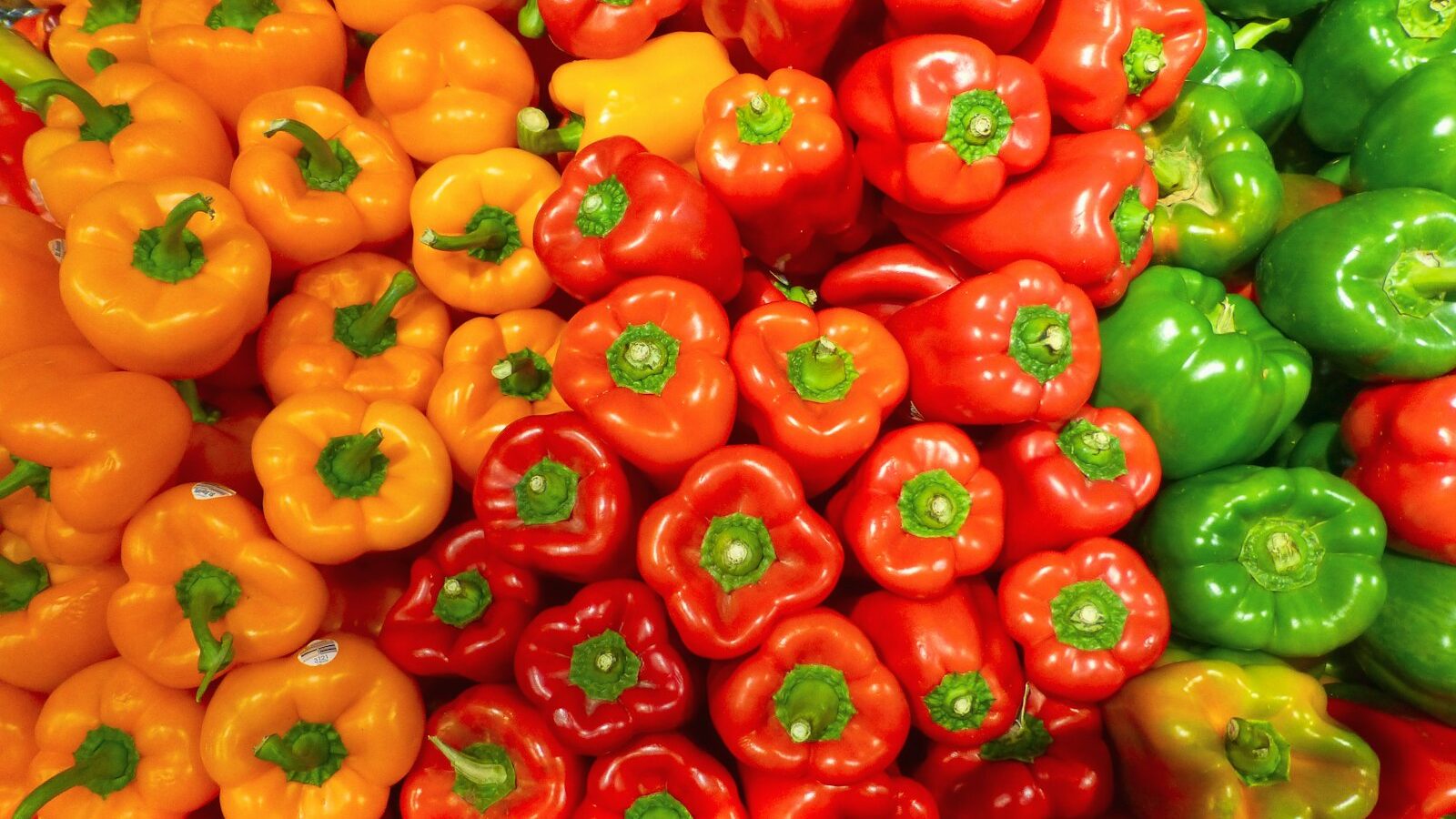
You have a healthy pepper plant loaded with fat green fruit, the calendar says late summer, and yet not a single pepper has turned red. It is one of the most common questions experienced gardeners hear, and the answer is almost always reassuring: nothing is actually wrong with your plant. Peppers turn green first and only color up later, and that color change is the last and slowest stage of their long development. In the vast majority of cases the holdup is one of three things: the peppers simply have not had enough time yet, the temperature is either too hot or too cool to drive ripening, or the variety you planted does not ripen to red at all. Less often it comes down to picking too early or running out of warm season before the fruit can finish. This guide walks through each likely cause, how to tell which one is affecting your garden, and exactly what to do about it.
Key Takeaways
- Peppers reach full green size first, then need roughly 2 to 4 more weeks on the plant to change color.
- Most pepper varieties take 60 to 90-plus days to mature to green and additional weeks to ripen fully.
- Ideal ripening temperatures are about 65F to 85F; ripening slows below 55F and stalls in extreme heat.
- Many peppers do not ripen red at all — they finish yellow, orange, chocolate-brown, or purple depending on variety.
- At season’s end you can pull whole plants and ripen mature green peppers indoors using the paper-bag method.
Cause 1: Not Enough Time or Picked Too Early
This is by far the most common reason peppers stay green. A green pepper is not an unripe accident — it is the normal first stage of a process that ends in red, yellow, orange, or another mature color. The fruit must first grow to its full size, which on its own takes most pepper varieties 60 to 90-plus days from transplant. Only once the pepper has reached full size does the plant begin converting the green chlorophyll into the red, orange, or yellow pigments of ripeness, and that color change typically takes another 2 to 4 weeks on the plant. So a pepper that looks big and glossy and green may still be a couple of weeks away from showing any color at all. Gardeners who expect red peppers a few weeks after the first fruit appears are simply running ahead of the plant’s own schedule.
How to diagnose it
Start with the calendar and the seed packet or plant tag. Note the days-to-maturity figure and remember that for most varieties that number refers to the green, edible stage — not the fully colored stage. Count forward from your transplant date. If you are inside or barely past that window, the fruit is almost certainly just not finished. Look at the peppers themselves: are they still swelling and growing, or have they stopped at full size with thick, firm walls? A pepper that has reached full size and held steady for a week or two is in the ripening phase and should start to color soon. If you have been harvesting peppers green the moment they reach a usable size, you are also simply picking before the color change ever begins — every pepper you pull green is one that never gets the chance to turn red.
How to fix it
The fix is mostly patience combined with restraint at harvest. Leave some peppers on the plant past the green stage and let them sit. Once a pepper reaches full size, give it those extra 2 to 4 weeks rather than picking it. It helps to think of green and red as two different harvests from the same plant: pick a few green for cooking and earmark others to stay on the vine and color up. Keep the plant well watered and lightly fed during this period so it has the energy to finish the fruit. One caution: leaving every pepper on the plant to ripen slows new fruit production, because a plant carrying ripening fruit puts less energy into setting new flowers. If you want both a steady green harvest and red peppers, dedicate part of the plant to each. For more on timing your harvests across the season, our notes on urban and container vegetable gardening are a useful companion.
Cause 2: Temperature Is Too Hot or Too Cool
Color change in peppers is driven by temperature, and the window is narrower than most people expect. The sweet spot for ripening is roughly 65F to 85F. Within that range the plant converts chlorophyll to ripe pigments efficiently and peppers color up on schedule. Push outside that range in either direction and the process slows or stops. In a cool spell, ripening drags; once temperatures drop below about 55F the color change nearly halts and the fruit just sits there green. At the other extreme, sustained heat above the mid-90s stresses the plant and can stall ripening just as effectively, sometimes causing fruit to soften or develop sunscald before it ever colors. This is why gardeners in cool, short-season climates and gardeners in scorching midsummer heat can both end up staring at green peppers for the same underlying reason: the fruit is outside its ripening comfort zone.
How to diagnose it
Check your recent weather and your season length. If your nights are dropping into the 50s or lower and your days are mild, cool temperatures are slowing things down — common in late season or in northern gardens. If instead you are in a stretch of relentless 95F-plus days, heat is the likely brake, especially if the peppers also look slightly soft or have pale, scalded patches. A useful tell: if fruit was coloring nicely earlier and then stopped when the weather turned, temperature is your culprit rather than time or variety. Gardeners in short-season regions should also ask whether they are simply running out of warm days — peppers set late in summer may never get the run of warm weather they need to finish before fall arrives.
How to fix it
You cannot change the weather, but you can buffer the plant and rescue the fruit. In heat, provide afternoon shade with 30 to 50 percent shade cloth, mulch heavily to keep the root zone cool and moisture steady, and water deeply in the early morning; once the heat wave breaks, ripening usually resumes. In cool weather, the most effective fix is to bring the ripening indoors. As the season ends and frost threatens, pull whole plants and hang them upside down in a garage, basement, or covered porch — the fruit will continue to ripen using the plant’s stored energy. For individual mature green peppers, the paper-bag method works well: place the peppers in a paper bag with a ripe apple or banana, which release ethylene gas that triggers color change, and check them every couple of days. Only fully sized, mature green peppers will ripen this way; small immature fruit will not. For gardeners in tight or cool spots, choosing early-maturing varieties from the start avoids the end-of-season scramble, and our overview of plant and flower care covers matching varieties to your conditions.
Cause 3: The Variety Does Not Ripen Red
Sometimes the peppers are not turning red for the simplest reason of all: they were never going to. Bell peppers are the classic example of the green-to-red progression, but red is only one of many ripe colors peppers come in. Plenty of varieties mature to yellow, orange, chocolate-brown, or even deep purple, and those peppers pass through a green stage on the way to their true ripe color. If you are waiting for red and your variety ripens orange, you will be waiting forever. On top of that, many peppers sold and grown as “green” are simply harvested at the green stage by design — green bell peppers in the grocery store are unripe red, yellow, or orange peppers picked early. A pepper that is firm, glossy, and full-sized but stubbornly green may be a green-harvest type doing exactly what it is supposed to, or a colored variety that has not reached its non-red final color yet.
How to diagnose it
Track down the variety name from your seed packet, plant tag, or where you bought the seedling, and look up what color it ripens to. If the tag says it is a yellow, orange, purple, or chocolate variety, then green is just the in-between stage and you should watch for that color rather than red. If you cannot identify the variety at all, leave one or two peppers on the plant well past full size and simply see what color they become — the plant will tell you. Tasting helps too: a fully ripe pepper of any color is sweeter and more developed than the same fruit picked green, so flavor confirms ripeness even when the color is not red.
How to fix it
There is nothing to fix here except your expectations and your variety choice. If you specifically want red peppers, buy varieties labeled to ripen red and confirm it on the tag before planting. If you already have a non-red variety, enjoy the color it does produce — orange and yellow ripe peppers are every bit as sweet and useful as red, and purple and chocolate types add real interest to the garden and the plate. Going forward, keep your plant tags or jot down what you planted so you know what to expect each season, and grow a mix of colors deliberately if you want a varied harvest.
Prevention: Get Peppers to Color Up Reliably
Most green-pepper frustration comes down to mismatched expectations and timing, both of which are easy to manage. Start by choosing varieties that ripen to the color you want and that mature early enough for your season length — this single decision prevents the majority of problems. Transplant on time so the plants have the full run of warm weather they need; peppers set late will struggle to finish before cool fall nights shut ripening down. Through the season, feed lightly and water consistently so the plant has the energy to carry fruit all the way to color rather than just to green size. Be deliberate at harvest: decide which peppers you will pick green for cooking and which you will leave on the plant the extra 2 to 4 weeks to ripen, rather than stripping every fruit at the green stage out of impatience. In hot climates plan for afternoon shade so midsummer heat does not stall the process, and in cool or short-season gardens be ready to pull whole plants and finish the ripening indoors when frost approaches. Peppers are patient, reliable plants once you understand their schedule, and a little planning means the difference between a season of green fruit and a basket of fully colored, sweeter peppers. For more on building productive beds and choosing the right plants, see our guide to plants and flowers.
Frequently Asked Questions
How long does it take for green peppers to turn red?
Once a pepper reaches its full green size, it typically needs another 2 to 4 weeks on the plant to change color. Since the plant takes 60 to 90-plus days just to grow the fruit to full size, the full process from transplant to red can run well over three months.
Why are my peppers staying green and not ripening?
The three usual causes are not enough time, temperatures outside the 65F to 85F ripening range, and a variety that does not ripen red. Confirm the days-to-maturity, check your recent weather, and look up what color your variety is supposed to turn.
What temperature do peppers need to turn red?
Peppers ripen best between about 65F and 85F. Below roughly 55F the color change nearly stops, and sustained heat above the mid-90s can stall ripening too. Once temperatures return to the ideal range, ripening usually resumes within a week or two.
Can I ripen green peppers off the plant?
Yes, if they are full-sized and mature. Place them in a paper bag with a ripe apple or banana, which give off ethylene gas that triggers color change, and check every couple of days. You can also pull whole plants at season’s end and let the fruit ripen as the plant slowly dies back.
Do all peppers turn red when ripe?
No. Red is only one ripe color. Many varieties mature to yellow, orange, chocolate-brown, or purple, all of which pass through a green stage first. Green bell peppers are usually just unripe colored peppers picked early. Check your variety’s tag to know which color to expect.