

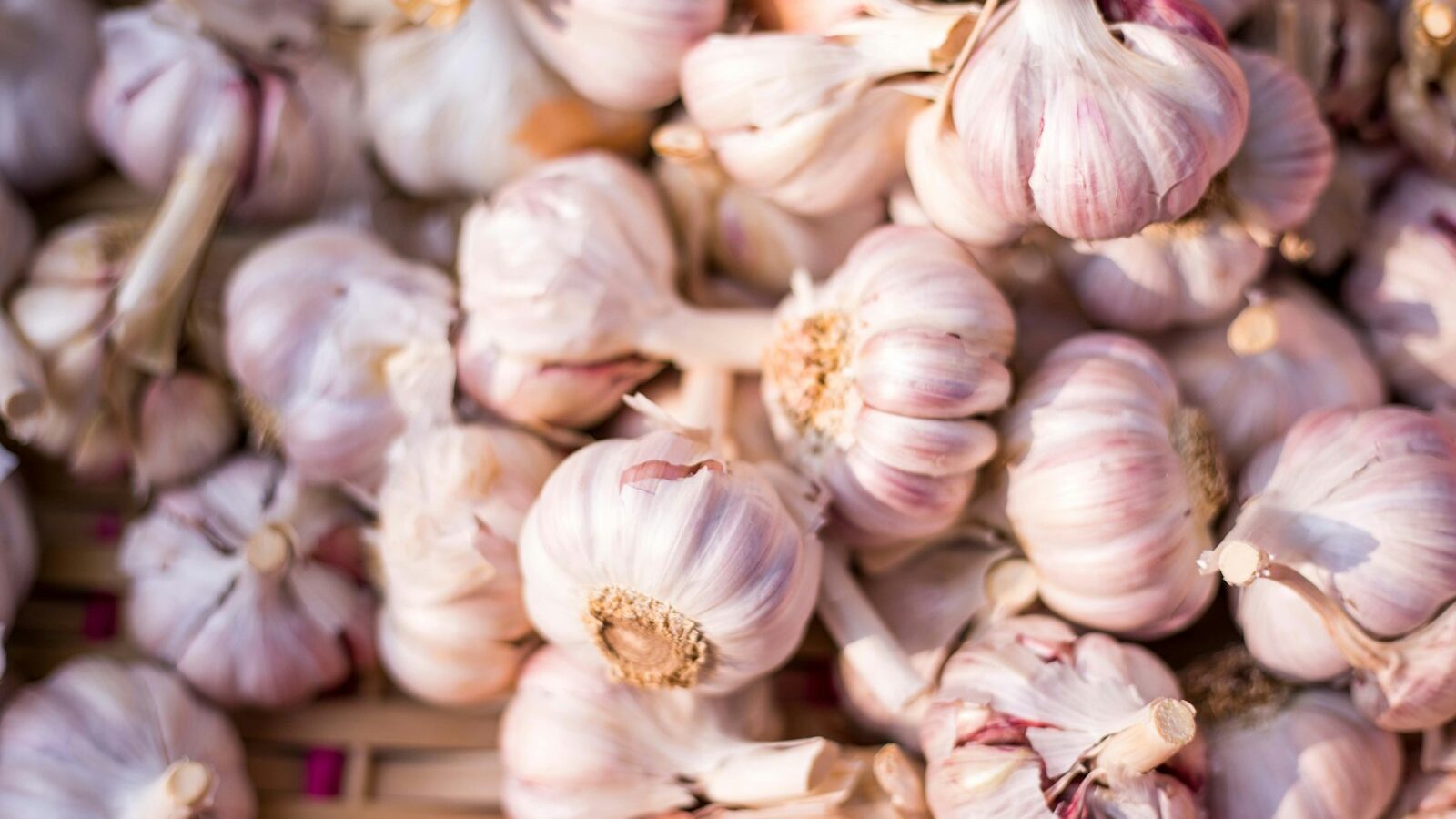
You spent the better part of a year babysitting a garlic bed — planting in fall, mulching against winter, weeding through spring — and then you dug up a row of bulbs barely bigger than a marble. It is one of the most deflating moments in the vegetable garden, partly because garlic asks for so much patience before it pays out. The frustrating truth is that small garlic almost never comes down to one mistake. It is usually the sum of a few small decisions made months earlier, most of which are easy to correct next season.
Part of our Vegetable Gardening & Raised Beds guide →
In this guide
This guide walks through every likely reason your garlic bulbs stayed small, from planting at the wrong time of year to crowding, under-feeding, leaving the scapes on, and starting with poor cloves. For each cause you will learn how to diagnose it from what you actually dug up, and exactly what to change so next year’s harvest fills your hand instead of your fingertips.
Key Takeaways
- Garlic needs a long cool growing season and a cold spell (vernalization) to size up — plant cloves in fall, 4–6 weeks before the ground freezes, not in spring.
- Crowding is a top cause of small bulbs: space cloves about 6 inches apart in rows 12 inches apart, and keep the bed weed-free.
- Garlic is a heavy nitrogen feeder during spring leaf growth — every leaf becomes a bulb wrapper, so under-fed plants make small bulbs.
- On hardneck garlic, snap off the scapes (flower stalks) so energy goes into the bulb, and harvest when about half the leaves have browned, usually late June to July.
- Big bulbs start with big cloves — plant the largest cloves from quality seed garlic, never small or grocery-store bulbs.
Cause 1: Planting at the Wrong Time of Year
If there is one mistake that produces small garlic more reliably than any other, it is planting in spring. Garlic is unusual among garden crops: it needs a long, cool growing period and an extended cold spell — a process called vernalization — to trigger the plant to divide a single clove into a full, multi-clove bulb. The standard approach is to plant cloves in fall, roughly 4 to 6 weeks before the ground freezes hard. That window lets the cloves push out roots and a small shoot before winter, sit through the cold for their chill requirement, then explode into leaf growth the moment spring arrives. By the time summer heat shuts the plant down, it has had eight or nine months to build a big bulb.
Spring-planted garlic skips most of that. It misses the cold trigger, gets a late start, and then runs straight into long days and heat with only a few months of growth behind it. The almost universal result is undersized bulbs — sometimes a single round (an unsplit bulb) rather than a proper segmented head.
Diagnose it
Think back to when the cloves went in the ground. If you planted in spring, that alone explains small bulbs and you can stop diagnosing. Another tell is the bulb itself: garlic that produced a solid, unsegmented round with no individual cloves usually did not get enough cold or enough growing time. Bulbs that are small and split into proper cloves point more toward the spacing or feeding causes below.
Fix it
Plant in fall. In most of the United States that means September through November depending on your zone — aim for about a month before your ground freezes, so cloves root in but do not put up much top growth before winter. Plant cloves pointy end up, about 2 inches deep (deeper, 3–4 inches, in cold-winter regions), and mulch with several inches of straw once the ground starts to chill. If you live where winters are too mild for natural vernalization, choose softneck types suited to warm climates, or pre-chill your seed cloves in the refrigerator for several weeks before a late-fall or very early-spring planting. Garlic is firmly a cool-season crop, and treating it like one is half the battle — the same logic that separates the warm-season and cool-season vegetables in the rest of your garden.
Cause 2: Crowding and Weed Competition
Garlic builds its bulb underground, and a bulb needs room. When cloves are planted too close together, each plant competes with its neighbors for water, nutrients, and light, and the bulbs simply cannot expand into the space they need. Weeds make this far worse. Garlic has thin, upright leaves that cast almost no shade, so weeds romp through a garlic bed unchecked, stealing nitrogen and moisture during the critical spring sizing period. A weedy garlic bed is one of the most common reasons for a disappointing harvest.
Diagnose it
Picture the bed in spring. Were the plants elbow to elbow, or was there a visible carpet of weeds between them? If your cloves went in closer than about 4 inches apart, or the bed was never properly weeded, crowding is a prime suspect — especially if the bulbs came up small but otherwise healthy and properly segmented. Bulbs that were all uniformly small across a tightly packed row are a classic competition signature.
Fix it
Give each clove space to size up: plant cloves about 6 inches apart, in rows roughly 12 inches apart. That spacing feels generous when you are pushing tiny cloves into the soil in fall, but it pays off in summer. Just as important, keep the bed scrupulously weed-free, especially from early spring through early summer when the bulb is forming. Mulch heavily with straw or shredded leaves after planting; it suppresses weeds, holds moisture, and moderates soil temperature all at once. When you do weed, pull by hand or hoe shallowly — garlic roots are close to the surface and resent disturbance.
Cause 3: Under-Feeding and Poor Soil
Garlic is a hungry crop, and it is hungriest for nitrogen during its spring growth surge. Here is the key insight most gardeners miss: every leaf the plant produces corresponds to a wrapper layer on the bulb. More healthy leaves in spring means more and larger cloves in summer. If the soil is poor or the plant is starved of nitrogen while it is building leaves, it cannot make a big bulb no matter what you do later. Thin, pale, or yellowing foliage in spring is the plant telling you it is running on empty.
Diagnose it
Recall how the leaves looked from green-up through May. Lush, dark green, vigorous foliage suggests feeding was adequate, so look elsewhere. Pale, yellow-tinged, or stunted spring leaves point straight at low fertility or nitrogen deficiency. Garlic grown in the same spot year after year, or in heavy, compacted, or poorly drained soil, also tends to disappoint — the roots simply cannot find what they need.
Fix it
Start with rich, well-drained, loose soil amended with plenty of compost or aged manure before fall planting. Then feed the nitrogen when it counts: as soon as the leaves resume growth in early spring, side-dress with a nitrogen source such as blood meal, feather meal, or a balanced organic fertilizer, and repeat every few weeks through mid-spring. The critical part is to taper off nitrogen by the time the plant approaches bulbing — usually around the longest days of the year. Late nitrogen pushes leaf growth at the expense of the bulb and can delay maturity. After bulbing begins, ease back on water and feeding and let the plant mature. For more on building fertility and feeding hungry crops, browse our broader plant care guides.
Cause 4: Leaving Scapes On or Harvesting at the Wrong Time
Two timing mistakes near the end of the season can shrink an otherwise promising crop. The first applies to hardneck garlic, which sends up a curling flower stalk called a scape in early summer. If you leave the scape to mature, the plant pours energy into producing a flower and seed pods (bulbils) instead of fattening the bulb underground. The second mistake is harvesting at the wrong moment: dig too early and the cloves have not finished sizing up; leave them too long and the bulbs over-mature, the wrapper layers break down, and the bulbs split apart in the ground and store poorly.
Diagnose it
Did you grow a hardneck variety and let the curly scapes flower? If so, that diverted energy is part of the answer. For harvest timing, look at what you pulled: bulbs with tight, intact papery wrappers but small size suggest you dug too early; bulbs that had burst their wrappers, with cloves splaying apart and exposed, mean you waited too long. Either way the usable bulb ends up smaller or less storable than it should be.
Fix it
On hardneck garlic, snap or cut off the scapes once they curl, while they are still tender — this redirects energy into the bulb and gives you a delicious bonus crop for the kitchen. Then harvest by reading the foliage: pull garlic when roughly the bottom half of the leaves have turned brown while the top half is still green, typically late June through July in much of the United States. Each green leaf is still a protective wrapper, so you want several intact, but you do not want to wait until the whole plant collapses. Stop watering a week or two before harvest, lift the bulbs gently with a fork rather than yanking the stems, and cure them in a dry, shaded, airy spot for a few weeks before trimming.
Cause 5: Planting Small Cloves or Grocery-Store Garlic
Garlic is grown from cloves, and clove size is the single best predictor of bulb size. A big, plump clove has more stored energy to launch a vigorous plant, and a vigorous plant makes a big bulb. Planting the small inner cloves, or worse, breaking up a head of grocery-store garlic, sets you up to fail. Supermarket garlic is often a softneck type bred for one climate (frequently warm), may be treated to suppress sprouting, and can carry diseases you do not want in your soil. None of that helps you grow a large bulb in your garden.
Diagnose it
Think about your seed source and which cloves you planted. If you saved the leftover small cloves to plant, or used a culinary bulb from the store, expect small results — the deck was stacked from the start. Consistently undersized bulbs year after year despite good spacing, feeding, and timing also hint that your seed stock has degraded or is poorly matched to your climate.
Fix it
Buy quality seed garlic from a reputable grower, and match the type to your climate — hardneck varieties for cold-winter regions, softneck varieties for milder areas. When you break a bulb apart for planting, use only the largest outer cloves and save the small inner ones for the kitchen. Plant the biggest cloves you have, and each year save your own best, biggest bulbs as next season’s seed; over a few seasons your stock will acclimate to your garden and the bulbs will trend larger. It is the same selection principle that prevents trouble across alliums, including the storage issues behind onions that split or bolt.
Prevention: Growing Big Bulbs Next Season
Large garlic is the product of a year of small good decisions, made in the right order. Build these habits into your routine and undersized bulbs become a thing of the past:
- Plant in fall. Get cloves in the ground 4–6 weeks before the ground freezes, about 2 inches deep and pointy end up, so they root in and get their winter chill.
- Give them room. Space cloves 6 inches apart in rows 12 inches apart, and keep the bed ruthlessly weeded through spring.
- Feed the leaves. Side-dress nitrogen through early and mid spring while leaves are growing, then taper off as bulbing begins.
- Remove hardneck scapes. Snap them off when they curl so energy goes to the bulb — and enjoy them in the kitchen.
- Harvest at the right moment. Lift bulbs when about half the leaves have browned, usually late June to July, then cure them properly.
- Start big to finish big. Plant only the largest cloves from quality seed garlic suited to your climate, and save your best bulbs for replanting.
The encouraging part is that none of these fixes are difficult or expensive — they are mostly about timing and patience. Get the fall planting, the spacing, the spring feeding, and the harvest window right, and the same garden that gave you marble-sized bulbs will reward you with heads big enough to be proud of. Garlic punishes shortcuts and rewards a full, unhurried cool season, so plan your bed with the calendar in mind and let the plant take its time.
Frequently Asked Questions
Why are my garlic bulbs so small?
The most common reasons are planting in spring instead of fall, crowding cloves too close together, weed competition, not feeding enough nitrogen during spring leaf growth, leaving hardneck scapes on, harvesting at the wrong time, or starting with small or grocery-store cloves. Usually it is a combination of two or three. Fixing the planting time, spacing, and feeding solves it for most gardeners.
When should I plant garlic for the biggest bulbs?
Plant in fall, roughly 4 to 6 weeks before your ground freezes hard — typically September through November depending on your zone. This lets cloves root in, get the winter cold they need to divide into a full bulb, and start growing early in spring for a long season. Spring-planted garlic almost always stays small.
How far apart should I space garlic cloves?
Space cloves about 6 inches apart, in rows roughly 12 inches apart, and plant them about 2 inches deep with the pointy end up. Crowded cloves compete for nutrients, water, and space and produce small bulbs. Generous spacing plus a weed-free bed is one of the biggest levers for bulb size.
Do I need to cut off garlic scapes?
For hardneck garlic, yes. The scape is a flower stalk that curls up in early summer, and if you leave it the plant spends energy on flowering instead of fattening the bulb. Snap or cut it off once it curls and your bulbs will be noticeably larger. Softneck varieties usually do not produce scapes.
How do I know when to harvest garlic?
Harvest when about half the leaves have turned brown while the upper half are still green, usually late June through July in most of the United States. Each green leaf is a wrapper layer protecting the bulb. Dig too early and bulbs are small; wait too long and they over-mature and split in the ground, storing poorly.