

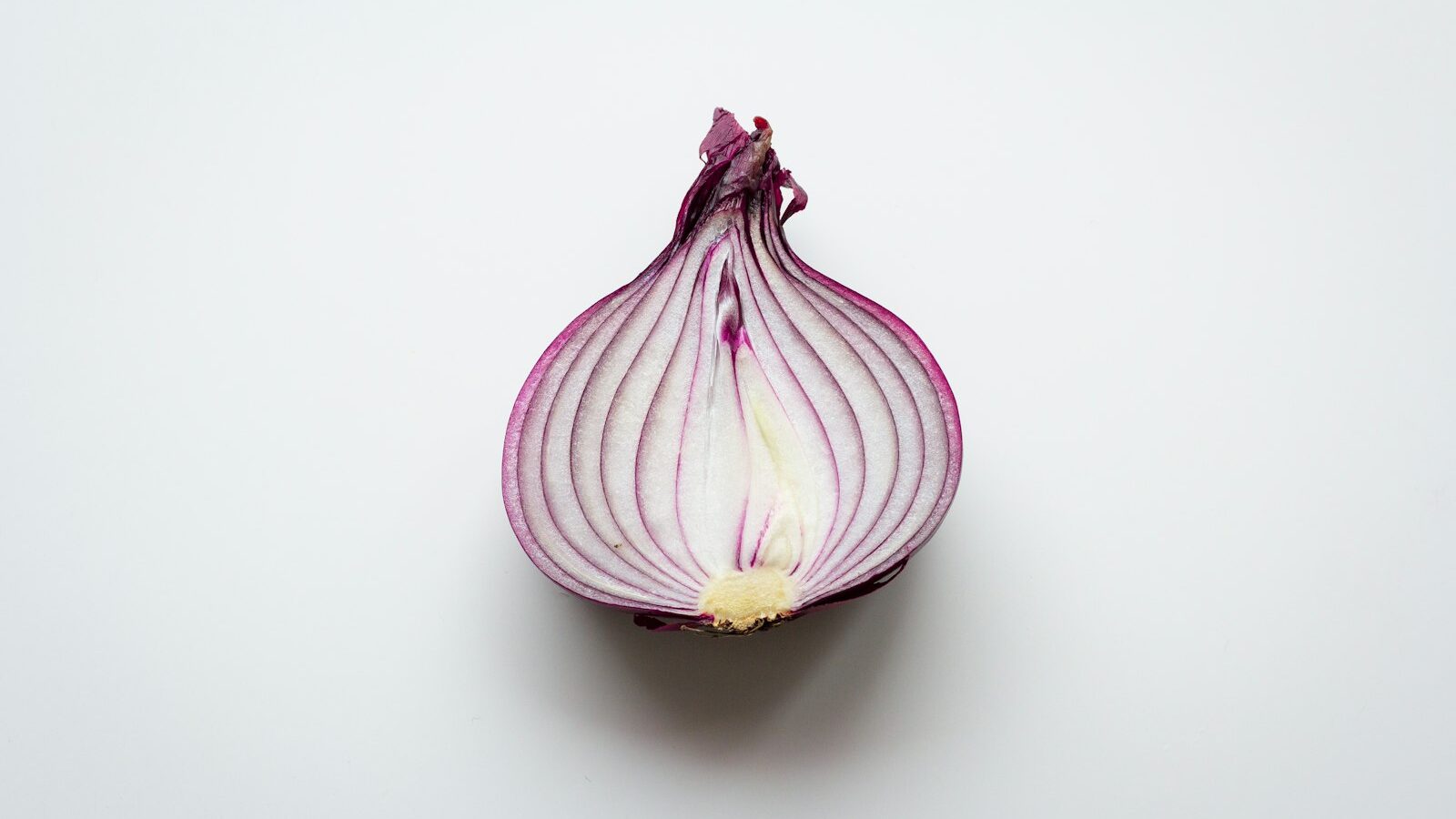
You pull what you expect to be a fat single onion at the end of the season and instead find two or three smaller bulbs fused together at the base, like a clump of shallots that nobody asked for. This is splitting, also called doubling, and it is one of the most frustrating things to discover at harvest because there is nothing you can do about it once it has happened. The plant has already decided to form multiple growing points instead of pouring all its energy into one large bulb, and the result is a handful of small, awkwardly shaped onions where you wanted one big keeper.
The good news is that split onions are still perfectly edible — they taste exactly like a normal onion. The bad news is that they are smaller, harder to peel and slice, and they store poorly because the join at the base traps moisture and invites rot. This guide walks through every likely cause of onion splitting, from the number-one culprit of inconsistent watering through to overly rich soil, oversized sets, and planting stress. For each cause you will learn how to diagnose it in your own beds and exactly what to change next season to grow clean, single bulbs.
Key Takeaways
- Splitting (doubling) means an onion forms two or more bulbs joined at the base instead of one large single bulb — the bulbs are edible but small and store badly.
- Inconsistent watering is the leading cause: a dry spell followed by heavy rain or watering shocks the plant into starting a second growing point.
- Overly rich soil and excess nitrogen push lush tops and multiple growing points rather than one fat bulb.
- Large sets — anything over about 3/4 inch across — split and bolt far more often than small sets, seed, or transplants.
- Steady even moisture of about 1 inch per week, mulch, restrained feeding, and small planting stock prevent almost all splitting.
First, Know What Splitting Actually Is
An onion is a single modified bud — the bulb is really a tight stack of swollen leaf bases around one central growing point. When everything goes to plan, that one growing point swells into one round bulb. Splitting happens when the plant initiates a second (or third) growing point partway through the season. Instead of one bud enlarging, two or more enlarge side by side, sharing the same root plate at the bottom. They press against each other as they grow, which is why split bulbs often look flattened on their touching faces.
This is different from bolting, where the onion sends up a flower stalk and forms a hard woody core — though the two problems share many of the same triggers, because both are the plant reacting to stress by changing course. It is also different from how multiplier onions, shallots, and potato onions behave; those varieties are bred to divide and form clumps, and dividing is exactly what you want from them. The trouble we are solving here is a standard bulb onion that was supposed to stay single and did not.
Almost every cause of unwanted splitting comes back to one theme: something interrupted the plant’s smooth, steady growth and prompted it to start over with a new growing point. Keep that idea in mind as you read the causes below — fix the interruptions and you fix the splitting.
Cause 1: Inconsistent Watering
This is the single most common reason onions double, and it is worth understanding well because it is also the easiest to fix. Onions have shallow, sparse root systems and almost no ability to buffer themselves against drought. When the soil dries out hard during a dry spell, growth on the main bud slows or stalls. Then, when heavy rain arrives or you finally give the bed a deep soak, the plant surges back into growth — and that surge often triggers a fresh growing point rather than resuming the original one. The result is two bulbs where there should have been one.
Diagnose it
Think back over the growing season. Did your onions go through a stretch of dry weather — or a vacation when nobody watered — followed by a return of rain or irrigation? Did you water heavily and erratically, soaking the bed one week and forgetting it the next? If splitting shows up across many plants in the same bed, especially in a season with swinging weather, irregular moisture is almost certainly the driver. Container-grown and raised-bed onions are the most frequent victims because they dry out fastest. Push a finger 2 inches into the soil near a plant during the growing season: if it is repeatedly bone-dry on some checks and waterlogged on others, you have found your problem.
Fix it
Aim for steady, even moisture of about 1 inch of water per week, including rainfall, delivered consistently rather than in feast-or-famine swings. The goal is to never let the bed dry out hard and never to drown it. The two tools that make this almost automatic are mulch and drip irrigation. Lay 2 to 3 inches of straw, shredded leaves, or grass clippings between the rows to slow evaporation, keep the soil temperature even, and buffer the moisture so a missed watering matters far less. A soaker hose or drip line on a simple timer takes the guesswork out entirely and keeps water at the roots where onions need it. One important detail at the end of the season: as the tops begin to flop and the bulbs mature, taper off watering so the necks can dry and the onions cure properly for storage.
Cause 2: Overly Rich Soil and Excess Nitrogen
Onions are moderate feeders, not heavy ones, and gardeners routinely overfeed them out of good intentions. Too much nitrogen — from fresh manure, a generous helping of high-nitrogen fertilizer, or a bed amended for a hungry crop like corn the year before — pushes the plant into vigorous leafy growth. That sounds good, since onion size is tied to leaf number, but excess nitrogen also encourages the plant to set up multiple growing points and to keep growing soft, lush tissue late into the season instead of consolidating into one firm bulb. The same overfeeding that makes onions split also gives them thick necks that refuse to dry and store badly.
Diagnose it
Look at the tops. If your onion plants threw up tall, dark green, exuberant foliage all season — far lusher than the neighbor’s — yet delivered split or smallish bulbs with fat soft necks, overfeeding is the likely cause. Recall what went into the bed: did you dig in fresh manure, side-dress repeatedly, or plant into ground that was heavily fertilized for a previous crop? Beds that grow magnificent leaves but disappointing bulbs are almost always too rich in nitrogen, the same pattern that frustrates gardeners growing undersized garlic, as covered in our guide to why garlic bulbs turn out small.
Fix it
Feed onions early in the season when they are building leaves, then ease off the nitrogen by midsummer so the plant can switch from growing tops to swelling a single bulb. A practical rhythm is to work a balanced fertilizer into the bed at planting, side-dress lightly with nitrogen a few times during the first half of the season as the leaves develop, and then stop feeding nitrogen once bulbing begins — typically when you notice the bases starting to swell. Avoid fresh manure entirely; if you use manure, make sure it is well composted and applied the season before. A balanced soil with steady moderate fertility, rather than a nitrogen-loaded one, grows the biggest single bulbs. For broader guidance on matching feeding to each crop, see our general plant care and growing guides.
Cause 3: Planting Sets That Are Too Large
Onion sets — the little dormant baby bulbs sold in mesh bags — are the most popular way to start onions because they are foolproof to plant. But set size matters enormously, and most gardeners reach for the biggest ones in the bag thinking bigger is better. The opposite is true. A set is essentially a one-year-old onion that has been held back; the larger it is, the further along its internal clock has run, and large sets are strongly predisposed to two problems: bolting (running to flower) and splitting. A big set already carries the makings of multiple growing points inside it, and once planted it readily divides instead of forming one clean bulb.
Diagnose it
Cast your mind back to planting day. Did you plant from sets, and were they on the large side — say bigger than a dime, with several measuring more than 3/4 inch across? If your splitters and bolters trace back to the biggest sets while smaller sets in the same row grew clean single bulbs, set size is your answer. It is a remarkably consistent pattern once you start watching for it: the chunky sets double and flower, the pea-to-dime-sized sets behave.
Fix it
When buying or sorting sets, choose ones under about 3/4 inch in diameter — roughly dime-sized or smaller is ideal. If a bag is mixed, plant the small and medium sets for storage bulbs and use the largest sets as green onions or scallions, harvested young before they ever get the chance to split or bolt. Better still, sidestep the issue by starting onions from seed or transplants instead of sets. Seed-grown onions have no built-up internal clock pushing them to divide or flower, so they bolt and split far less, and they often size up larger and store longer. Starting seed indoors 8 to 10 weeks before your last frost, or buying bare-root transplants, is the route serious onion growers favor for exactly these reasons.
Cause 4: Transplant Stress, Spacing, and Timing
The fourth bundle of causes is mechanical and seasonal stress around how and when the onions go in. Transplanting roughly, planting too deep, crowding plants together, or getting the timing wrong for your latitude all interrupt smooth growth and can nudge a plant toward multiple growing points. Onions are sensitive to disturbance at the root plate, and they are also exquisitely tuned to day length, which makes timing and variety choice matter more than for most vegetables.
Diagnose it
Were your onions packed tightly together, or planted deep with soil heaped over the neck? Crowded plants compete and stress each other, and bulbs buried too deep struggle to expand cleanly. Consider timing too: planting much later than ideal compresses the leaf-building window, so the plant rushes and is more likely to misfire into a split. And check that you grew the right type for your region — a long-day variety grown too far south, or a short-day variety grown too far north, never bulbs properly and is prone to all sorts of stress responses, splitting among them.
Fix it
Space onions 4 to 6 inches apart in rows about 12 inches apart, which gives each bulb room to swell into a full single onion without fighting its neighbors. Plant sets and transplants shallowly — just deep enough to stand up, roughly 1 inch, with the neck above the soil line — rather than burying them. Handle transplants gently to spare the roots, and get them in the ground at the right time: onions want a long, cool, steady stretch of leaf growth before bulbing begins, so plant as early as your soil can be worked in spring (or in fall, in mild-winter regions). Most importantly, match the variety to your latitude: grow short-day onions in the southern U.S. (roughly below the 35th parallel), long-day onions in the North, and day-neutral types in the middle. Getting day length right is fundamental to onions, and it follows the same warm-versus-cool logic laid out in our overview of warm-season versus cool-season vegetables.
Prevention: Growing Clean Single Bulbs
Splitting cannot be reversed once it happens, so prevention is the whole game. The encouraging part is that the same handful of habits that prevent doubling also prevent bolting and give you bigger, longer-storing onions across the board. Build these in from planting day:
- Water evenly. Hold the soil at steady moisture, about 1 inch per week, and never let it swing between bone-dry and soaked. Mulch and drip irrigation make this nearly effortless.
- Feed with restraint. Give moderate nitrogen while leaves are building early in the season, then ease off as bulbing starts. Skip fresh manure and avoid overly rich beds.
- Plant small stock. Choose sets under 3/4 inch, or better yet start from seed or transplants, which split and bolt far less.
- Space and plant correctly. Give each plant 4 to 6 inches, set them shallow with the neck exposed, and handle roots gently.
- Time it and match the day length. Plant early for a long cool growing window, and grow short-day, long-day, or day-neutral varieties suited to your latitude.
- Cure for storage. Taper watering as tops flop, then dry and cure the harvested bulbs — and use any split onions first, since they keep poorly.
Remember the underlying principle: onions split when steady growth is interrupted and the plant restarts with a new growing point. Keep moisture, feeding, plant size, and timing consistent, and you remove the interruptions that cause doubling in the first place. Do that and most of your crop will come up as clean, round, single bulbs that store right through the winter — and the occasional split one is still a perfectly good onion for tonight’s dinner.
Frequently Asked Questions
Are split or doubled onions still safe to eat?
Yes, completely. A split onion tastes exactly like a normal one — it is simply two or more bulbs joined at the base instead of one. The only downsides are practical: the bulbs are smaller, more fiddly to peel and slice, and they store poorly because the join traps moisture and can rot. Use your split onions first and save the clean single bulbs for storage.
What is the number-one cause of onions splitting?
Inconsistent watering. Onions have shallow roots and little drought tolerance, so a dry spell followed by heavy rain or watering shocks the plant into starting a second growing point, which becomes a second bulb. Keeping the soil at steady, even moisture — around 1 inch per week, helped by mulch and drip irrigation — prevents most splitting.
Do bigger onion sets grow bigger onions?
No — it is a common but costly myth. Large sets, especially those over about 3/4 inch across, are far more likely to split and to bolt to flower, both of which ruin the bulb. Choose small sets (dime-sized or smaller) for storage onions, use the biggest sets as scallions, or start from seed or transplants for the cleanest single bulbs.
Can too much fertilizer make onions split?
Yes. Excess nitrogen — from fresh manure, heavy fertilizing, or a richly amended bed — pushes lush leafy growth and encourages multiple growing points instead of one firm bulb. Feed moderate nitrogen while the leaves build early on, then ease off as bulbing begins, and avoid fresh manure entirely.
How far apart should I plant onions to avoid splitting?
Space bulb onions 4 to 6 inches apart in rows about 12 inches apart. That gives each plant room to swell into a full single bulb without competing with its neighbors. Plant sets and transplants shallowly, about 1 inch deep with the neck above the soil, rather than burying them, which also helps clean bulb formation.