

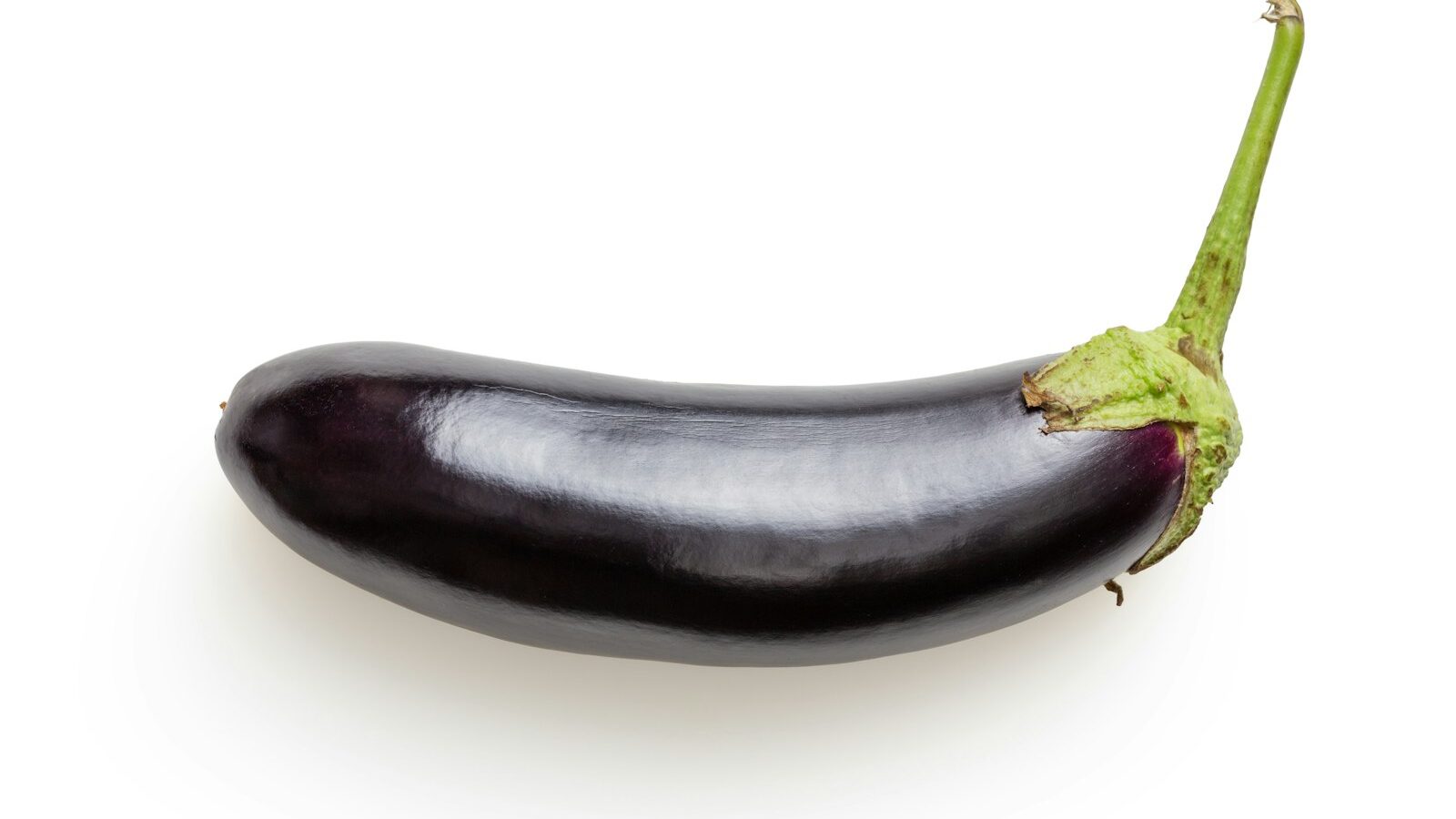
You grow a beautiful eggplant, slice into it expecting a mild, creamy vegetable, and instead get a mouthful of harsh, acrid bitterness that no amount of olive oil can hide. It is one of the most common disappointments in the summer garden, and it is almost always avoidable. Bitterness in eggplant comes down to a handful of compounds the plant produces under stress and as the fruit ages, and in nearly every case the cause traces back to one of three things: fruit left on the plant too long until it over-matures, water stress from inconsistent or insufficient watering, or heat stress during a hot spell. Variety plays a supporting role too, since older heirloom types run more bitter than modern hybrids. The good news is that bitterness is highly preventable once you understand what triggers it, and even an already-bitter fruit can usually be salvaged at the cutting board. This guide walks through each cause, how to recognize it in your own garden, and exactly what to do about it.
Key Takeaways
- Over-mature fruit is the top cause of bitterness. Harvest eggplant young and glossy, smaller than supermarket size.
- Shiny skin that springs back when pressed means ripe; dull skin and hard brown seeds mean overripe and bitter.
- Water stress from inconsistent or scant watering concentrates bitter compounds. Aim for 1 to 2 inches per week.
- Heat above roughly 90F stresses the plant and pushes bitterness; shade and mulch buffer the worst of it.
- Already-bitter fruit can be rescued by salting (degorging): slice, salt for 30 minutes, rinse, and pat dry.
Cause 1: Over-Mature Fruit Harvested Too Late
This is by far the most common reason a homegrown eggplant turns bitter, and it is the one gardeners get wrong most often. We are conditioned by the grocery store to think of eggplant as a large, heavy fruit, so we leave ours on the plant waiting for it to swell to that size. By the time it gets there, it has passed its prime. As eggplant matures, the seeds inside harden and darken, and the flesh accumulates the bitter compounds and toughens. The fruit also becomes spongy and absorbs more oil when cooked. An eggplant is at its sweetest and most tender well before it reaches full botanical maturity, which is why commercial size is a poor target for the home garden.
How to diagnose it
The skin tells you almost everything. A ripe, ready-to-pick eggplant has skin that is glossy and shiny, with a deep saturated color. When you press the side gently with your thumb, the flesh gives slightly and then springs back, leaving no lasting dent. That is the window you want. An over-mature fruit, by contrast, has lost its shine — the skin looks dull, matte, sometimes faintly bronzed or yellowing — and when you press it the dent stays put because the flesh has gone spongy. The clincher is inside: cut one open and look at the seeds. Plump pale or barely-visible seeds mean the fruit was picked at the right time. Hard, brown, fully developed seeds confirm the fruit was over-mature, and that fruit will taste bitter. If you have been waiting for fruit to reach supermarket size, that delay itself is the diagnosis.
How to fix it
Harvest earlier — much earlier than feels natural. Pick eggplant young and glossy, at a size noticeably smaller than what you see in the store. For most standard varieties that means cutting them when they are roughly four to six inches long, while the skin is still mirror-bright. Use pruners or a sharp knife to cut the stem rather than pulling, since the stems are tough and pulling can damage the plant. Check your plants every day or two during peak season, because eggplant goes from perfect to overripe quickly in warm weather. Frequent harvesting also signals the plant to keep producing, so you get more fruit overall. For any fruit you have already let go too long, do not throw it out — the salting trick described in the prevention section will pull much of the bitterness out and make it perfectly usable. Going forward, train yourself to pick on shine and spring-back rather than on size, and you will eliminate the single biggest source of bitter eggplant. If you want a deeper primer on timing your vegetable harvests, our notes on plant and flower care cover ripeness cues across a range of crops.
Cause 2: Water Stress and Inconsistent Watering
Eggplant is a thirsty, heat-loving plant with a relatively shallow root system, and it punishes you with bitterness when it does not get steady moisture. When the plant goes through drought stress — whether from underwatering, a missed week, or soil that drains too fast — it responds by concentrating bitter compounds in the fruit as a defense response. The flesh also turns tougher and more fibrous. Just as damaging is inconsistent watering, where the soil swings between bone dry and soaked. That feast-or-famine cycle stresses the plant repeatedly, and stressed eggplant is bitter eggplant. This is one of the most overlooked causes because the plant can look perfectly healthy above ground while the fruit quietly turns harsh.
How to diagnose it
Think honestly about your watering routine. Have you been watering on a regular schedule, or only when you happen to remember? Did the plant go through a dry spell, a vacation, or a stretch of hot windy days when the soil dried out fast? Push a finger two inches into the soil near the base of the plant; if it is dry that deep, the plant is not getting enough. Wilting in the heat of the afternoon that does not recover by evening is a clear sign of drought stress. Fruit that is bitter and also tougher or more fibrous than expected points to water problems rather than over-maturity, especially if you have been harvesting at the right glossy stage and still getting bitterness. Container-grown eggplant is especially prone, because pots dry out far faster than garden beds.
How to fix it
Give the plant consistent, deep watering — aim for roughly one to two inches per week, more in hot or windy weather, delivered on a steady schedule rather than in erratic bursts. Deep, less frequent watering is better than a daily light sprinkle, because it encourages roots to grow down where soil moisture is more stable. Water at the base in the early morning so the plant is fully hydrated before the heat of the day. The single most effective change you can make is to mulch heavily around the plant with straw, shredded leaves, or compost; a two to three inch layer dramatically slows evaporation, keeps soil moisture even, and moderates the temperature swings in the root zone. For container plants, check moisture daily in summer and consider a larger pot or a self-watering container so the soil never fully dries out. Once the plant is on a steady moisture regime, new fruit will come in noticeably milder. If you are growing in pots or a small space, our guide to urban and container gardening has practical tips for keeping containers evenly watered through a hot summer.
Cause 3: Heat Stress
Eggplant loves warmth — it is a member of the nightshade family that thrives in heat far better than tomatoes or peppers — but there is a ceiling. When daytime temperatures push above roughly 90F for an extended stretch, the plant moves into survival mode. Photosynthesis slows, the plant pulls back, and the fruit it produces tends to be more bitter and tougher than fruit set in moderate weather. Heat stress also compounds water stress, because the hotter it gets the faster the soil dries and the more moisture the plant transpires, so the two problems feed each other during a heat wave. Gardeners in the South and Southwest, and anyone caught in a midsummer hot spell, see this pattern most clearly.
How to diagnose it
Check your recent weather. If you have had a run of days above 90F and your eggplant has turned bitter despite being picked at the glossy stage and watered consistently, heat is the likely driver. Look for other heat-stress signals on the plant: flowers dropping without setting fruit, leaves curling or looking scorched at the edges, and afternoon wilting even when the soil is moist. Bitterness that shows up suddenly during a hot spell and then eases when the weather cools is the signature of heat stress rather than a chronic problem. Because heat and drought overlap, rule out watering first — but if the soil is consistently moist and the fruit is still bitter during a heat wave, temperature is the remaining culprit.
How to fix it
You cannot lower the temperature, but you can buffer the plant through the worst of it. Drape 30 to 50 percent shade cloth over a simple frame during the hottest part of the afternoon to knock several degrees off the leaf and fruit temperature. Mulch heavily to keep the root zone cooler and moisture steady, and water deeply in the early morning so the plant faces the heat fully hydrated. Keep harvesting promptly during hot weather, since fruit over-matures even faster in the heat and you do not want over-maturity stacking on top of heat stress. Most importantly, be patient: once the heat wave breaks and temperatures settle back into the 70s and 80s, the fruit that sets afterward comes in milder on its own. In reliably hot climates, planning for afternoon shade from the start and choosing heat-tolerant varieties prevents most midsummer bitterness before it begins.
Cause 4: Variety Choice
Not all eggplant is created equal when it comes to bitterness. Older heirloom and traditional varieties were bred in an era when cooks expected to salt and degorge eggplant as a matter of course, and they often carry more of the bitter compounds even when grown and harvested perfectly. Modern hybrids, by contrast, have been specifically bred to be low in bitterness, with thinner skins and milder, creamier flesh. Many of the slender Asian and Japanese types, as well as the small Italian and modern globe hybrids, are naturally mild. If you are doing everything right — harvesting young and glossy, watering consistently, buffering against heat — and the fruit still leans bitter, the variety itself may simply be a bitter one.
The fix here is for next season: choose modern low-bitter hybrids when you select seeds or transplants. Slender Asian varieties and bred-for-mildness globe types reward you with fruit you may not even need to salt. There is nothing wrong with growing an heirloom for its looks or flavor profile, but go in knowing it will demand careful harvest timing and probably a salting step at the cutting board. Matching the variety to your expectations saves a lot of disappointment.
Prevention: Mild, Tender Eggplant Every Time
Most bitterness is preventable with a few habits. First and most important, harvest young: pick on shine and spring-back, not on size, and cut fruit when it is smaller than supermarket size with skin that is glossy and gives slightly before bouncing back. Check plants every day or two so nothing slips past its prime into dull-skinned, brown-seeded over-maturity. Second, water consistently — one to two inches per week on a steady schedule, deep rather than shallow, and mulch heavily to even out moisture and keep the root zone cool. Third, buffer against heat with afternoon shade cloth and steady moisture during hot spells, and harvest faster when it is hot. Finally, choose modern low-bitter hybrids so you start from a mild baseline.
For any fruit that still comes in bitter, the kitchen rescue is the classic salting or degorging trick. Slice or cube the eggplant, lay the pieces out and sprinkle them generously with salt, then let them sit for about 30 minutes. The salt draws out moisture along with a good share of the bitter compounds — you will see beads of brownish liquid form on the surface. Rinse the salt off thoroughly under cool water and pat the pieces dry with a towel before cooking. This also firms up the flesh so it absorbs less oil when fried or roasted, a useful bonus. Between picking at the right glossy stage, keeping water steady, shading through heat, and salting when needed, you can put bitter eggplant behind you for good. For more on building a productive, low-stress vegetable patch, see our broader notes on plant and flower care.
Frequently Asked Questions
How do I know when an eggplant is ripe and not bitter?
Look for glossy, shiny skin in a deep saturated color, and press the side gently — ripe fruit gives slightly and springs back. Dull, matte skin and a dent that stays put mean it is over-mature. Cut one open: plump pale seeds are good, hard brown seeds mean it will be bitter.
Does leaving eggplant on the plant too long make it bitter?
Yes. Over-maturity is the most common cause of bitterness. As eggplant ages the seeds harden and brown, the flesh toughens, and bitter compounds build up. Harvest young and glossy, at a size smaller than supermarket fruit, and check plants every day or two during peak season.
Can underwatering make eggplant bitter?
Yes. Drought stress and inconsistent watering both concentrate bitter compounds and toughen the flesh. Water deeply and consistently, aiming for one to two inches per week, and mulch heavily to keep soil moisture even. Container plants are especially prone because pots dry out fast.
How do you remove bitterness from eggplant after harvesting?
Use the salting or degorging trick. Slice or cube the eggplant, salt the pieces generously, and let them sit for about 30 minutes so the salt draws out moisture and bitterness. Rinse thoroughly and pat dry before cooking. This also helps the flesh absorb less oil.
Are some eggplant varieties less bitter than others?
Yes. Older heirloom types tend to run more bitter, while modern hybrids are bred to be low in bitterness with thinner skins and milder flesh. Slender Asian and Japanese varieties and modern globe hybrids are reliably mild and often need no salting at all.