

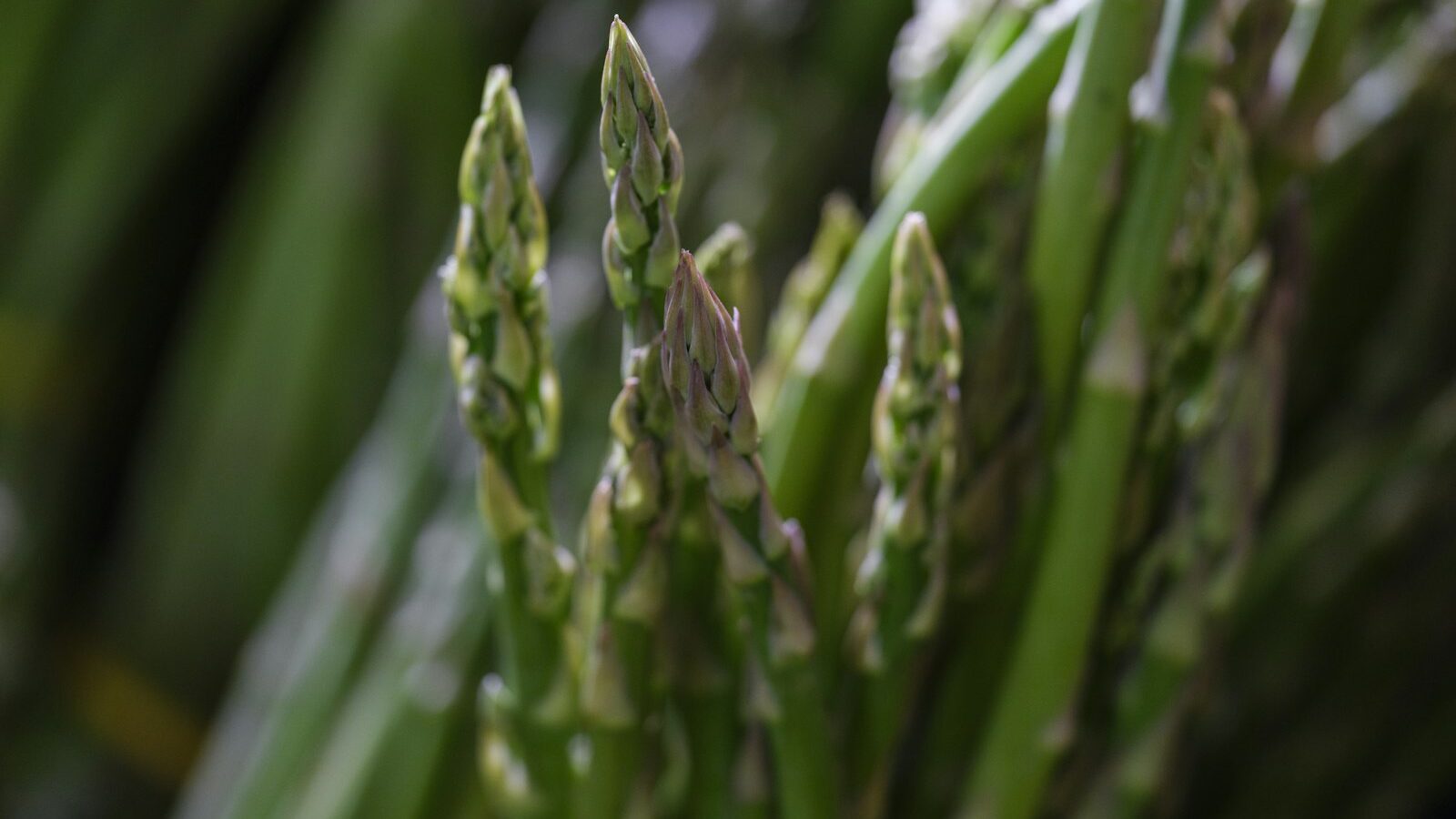
Few things deflate a vegetable gardener faster than walking out to the asparagus bed in spring and finding a forest of skinny, pencil-thin spears where you hoped for thick, succulent stalks. Thin asparagus spears are one of the most common complaints about this perennial crop, and the good news is that the problem is almost always fixable once you understand what spear diameter actually tells you. The thickness of an asparagus spear is a direct reflection of the vigor of the underground crown and the energy reserves stored in its fleshy roots. A robust, well-fed, mature crown pushes up fat spears; a young, exhausted, crowded, or stressed crown can only manage thin ones. This guide walks through the five most common reasons your spears are thin, how to diagnose each, and exactly what to do to bring back the thick spears you are after.
Key Takeaways
- Spear diameter reflects crown vigor and stored root energy, so thin spears almost always point to an energy or maturity problem below ground.
- Young beds naturally produce thin spears for the first two to three years; resist harvesting until the crowns are established.
- Over-harvesting past six to eight weeks starves the crown, so stop cutting by late June and let the ferns grow to recharge the roots.
- Asparagus is a heavy feeder that needs steady nitrogen, phosphorus, and rich organic matter to fuel thick spear production.
- Overcrowding, aging beds, drought, and weed competition all sap vigor, so spacing, moisture, and weed control are essential for fat spears.
Diagnose by Spear Size, Bed Age, and Timing
Before you change anything, take a few minutes to read what the bed is telling you. Start with the diameter of the spears themselves: anything thinner than a standard pencil (roughly a quarter inch) is a spear you should not be harvesting, because the crown does not yet have the reserves to support a full-sized stalk. Next, note the age of the planting. A bed in its first three years behaves very differently from one that is eight years old, which again behaves differently from a tired bed pushing fifteen years. Then look at timing: are the spears thin from the very first cutting in early spring, or do they only get thin and spindly toward the end of a long harvest window? Spears that start fat and progressively thin out over the season usually signal harvest exhaustion, while spears that are thin from day one point to a young crown, poor fertility, or environmental stress. Finally, scan for competition and stress signals, such as weeds crowding the row, dry crumbly soil, or shade creeping in from nearby trees and shrubs. Hold these observations in mind as you work through the causes below.
Cause 1: Young or Immature Crowns
The single most common reason for thin spears is simply that the bed is too young. Asparagus is a long-lived perennial that needs to build a large, branching root system before it can support thick spears, and that takes two to three full growing seasons after planting.
Diagnose: If you planted one-year-old crowns within the last one to three years, thin spears are completely normal and expected, not a sign that anything is wrong. A first- or second-year bed should produce only a handful of slender spears, and even a third-year bed will give you a mix of medium and thin stalks as the crowns continue to bulk up. If your bed is this young and the spears are skinny, you have a timing situation, not a problem to panic over. Dig a small test hole at the edge of a crown if you are curious; young crowns have only a few thin storage roots, while mature crowns develop a dense mass of finger-thick roots.
Fix: Practice patience and let the plants establish. Do not harvest at all in years one and two after planting crowns; allow every spear to grow into a tall, ferny stalk so it can photosynthesize and pump energy down into the developing roots. In year three, take a light harvest of only the thickest spears for two to three weeks, then stop and let the rest fern out. By year four the bed should be mature enough to support a full six- to eight-week harvest of thick spears. Each year you allow the ferns to grow, you are directly investing in fatter spears for the seasons to come. You can learn more about establishing perennial edibles in our broader plants and flowers guides.
Cause 2: Over-Harvesting and Not Letting Ferns Grow
Even a healthy, mature bed will produce thin spears if you harvest too aggressively or for too long. Every spear you cut is energy the crown spent and cannot reinvest, so harvesting is essentially a withdrawal from the plant’s savings account.
Diagnose: Watch how the spears behave over the course of the harvest window. If the first spears of the season come up fat and full-sized but the later spears get progressively thinner and more numerous, that tapering is the classic sign of a crown running out of stored energy. This happens when you keep cutting week after week without ever letting the ferns develop. The crown keeps sending up spears because that is what it does in spring, but with no green growth to refuel the roots, each new spear is thinner than the last. If you find yourself still cutting spears in July and they are all skewer-thin, over-harvesting is your culprit.
Fix: Set a firm harvest cutoff and honor it. For an established bed, harvest for six to eight weeks and then stop completely, typically by mid- to late June in most of the United States (USDA zones 4 through 8). The simplest field rule is to stop cutting once the majority of new spears emerge thinner than a pencil; that thinning is the crown signaling it is time to recharge. After your cutoff date, let every spear grow into a tall fern and leave that foliage standing all summer and fall. The ferns photosynthesize for months, rebuilding the root reserves that produce next spring’s thick spears. Only cut the ferns down to the ground after they have yellowed and died back in late fall or early the following spring.
Cause 3: Poor Fertility and Lack of Feeding
Asparagus is a notoriously heavy feeder, and a bed that is starved for nutrients simply cannot manufacture the energy reserves needed for thick spears. Many gardeners plant asparagus, mulch it once, and then never feed it again for years, which is a recipe for steadily shrinking spears.
Diagnose: Look at the overall health of the summer ferns. Pale, yellowish, or sparse foliage and short fern growth suggest a nutrient deficit, particularly nitrogen. Spears that are uniformly thin across a mature, properly harvested bed, with no obvious crowding or drought, point strongly to a fertility problem. A simple soil test is the most reliable diagnostic; asparagus prefers a near-neutral pH of about 6.5 to 7.5, and acidic soil below 6.0 locks up nutrients and weakens crowns. Test for phosphorus and potassium as well, since both are important for root and spear development.
Fix: Feed the bed twice a year. In early spring, before or just as spears begin to emerge, topdress the bed with a one- to two-inch layer of finished compost or well-rotted manure and apply a balanced granular fertilizer such as a 10-10-10. Then feed again right after the harvest cutoff, when the ferns are growing, to fuel the root-recharging phase; a nitrogen-forward feeding at this point pays off in next year’s spear size. If your soil test shows low pH, add lime in fall to bring it into the ideal range. Maintaining a steady supply of nitrogen, phosphorus, and organic matter is one of the most direct levers you have for thickening up thin spears over a season or two. For guidance on building rich, fertile beds, see our notes on improving garden soil health.
Cause 4: Overcrowding and Aging Beds
Asparagus crowns compete fiercely with each other for water and nutrients, and beds that were planted too densely, or that have simply gotten old, will produce thinner and thinner spears over time as the crowns crowd and decline.
Diagnose: Consider both the spacing and the age of your planting. Crowns set closer than about a foot apart will eventually grow into one another, dividing the available resources and shrinking every spear. Separately, asparagus beds have a productive lifespan; a bed will typically peak in years five through ten and then begin a slow decline. Once a bed reaches ten to fifteen years or more, you may notice a steady drop in spear thickness and yield even with excellent feeding and harvest management. A bed that produces a dense mass of thin spears every year, regardless of how you care for it, is often an old or overcrowded bed reaching the end of its run.
Fix: When establishing a new bed, space crowns twelve to eighteen inches apart in rows three to four feet apart so each plant has room to develop a large root system. For an existing bed that is overcrowded but still relatively young, you can carefully dig and thin some crowns in early spring while they are dormant, replanting the strongest at proper spacing. For a bed that is genuinely old and declining, the most effective fix is to start fresh: prepare a new bed in a different spot with deeply worked, compost-enriched soil, plant new disease-resistant crowns, and let the old bed serve its final years while the new one establishes. A well-sited new bed will reward you with thick spears for fifteen to twenty years or more.
Cause 5: Stress from Drought, Weeds, and Shade
Environmental stress quietly drains crown vigor, and the result shows up the following spring as thinner spears. Asparagus is tough, but it performs at its best only when its basic needs for sun, water, and a weed-free root zone are met.
Diagnose: Walk the bed and look for the three classic stressors. First, check sun exposure; asparagus demands full sun, meaning at least six to eight hours of direct light, and a bed that has become shaded by maturing trees, a new fence, or a structure will weaken and produce thin spears. Second, assess moisture; if the soil dries out during the summer fern-growing period, the crown cannot build reserves, so crumbly, dust-dry soil in July and August is a warning sign. Third, scan for weeds, which compete directly with asparagus for water and nutrients and are a leading cause of declining vigor in home beds. Any combination of shade, drought stress, or heavy weed pressure can shrink your spears.
Fix: Address each stressor in turn. If shade is the issue, prune back encroaching branches or, in severe cases, relocate the bed to a sunnier site. Provide consistent moisture, especially during the summer when the ferns are working hardest; aim for about one to one and a half inches of water per week through the growing season, supplementing rainfall as needed. Keep the bed scrupulously weed-free by hand-weeding shallowly so you do not damage crowns, and apply a generous layer of organic mulch such as straw or shredded leaves to suppress weeds and conserve moisture at the same time. Reducing stress lets the crown channel its full energy into thick spears.
A Long-Term Routine for Thick, Vigorous Spears
Thickening up thin asparagus is rarely a one-time fix; it is the payoff of a consistent annual routine that keeps the crowns vigorous and their reserves full. Build this rhythm into your gardening calendar and your spears will get fatter year after year. In early spring, before spears emerge, clear away the old dead ferns, weed the bed thoroughly, topdress with compost, and apply a balanced fertilizer. During the harvest window, cut only spears thicker than a pencil, snapping or cutting them at ground level, and stop cleanly after six to eight weeks. Immediately after your cutoff, feed the bed again to power the fern phase, then leave the ferns completely undisturbed through summer and fall so they can photosynthesize and recharge the roots.
Through the summer, water deeply during dry spells, maintain a weed-free mulched bed, and watch for pests such as the asparagus beetle that can defoliate ferns and undercut next year’s vigor. Let any spears that emerge after your harvest cutoff fern out rather than cutting them. In late fall, after the ferns have yellowed and died back, cut them to the ground and remove the debris to reduce overwintering pests and disease. Every few years, check your spacing and soil pH, and plan ahead for eventually replacing an aging bed before it fully declines. This steady cycle of feeding, disciplined harvesting, and protecting the ferns is the real secret to thick spears, and you can fold it into a broader seasonal plan alongside your other vegetable gardening tasks.
Frequently Asked Questions
Should I cut thin asparagus spears or leave them?
Leave them. Spears thinner than a pencil signal that the crown lacks the reserves to support a full stalk, so cutting them only drains the plant further. Let thin spears grow into ferns instead; the foliage will photosynthesize and rebuild root energy, which produces thicker spears in following seasons.
Will thin asparagus spears ever get thicker on their own?
Often yes, if the underlying cause is youth or temporary stress. A young bed naturally thickens as the crowns mature over two to three years. For established beds, correcting fertility, harvest timing, crowding, and moisture problems will usually thicken the spears within one to two seasons as the crowns rebuild their reserves.
How long should I harvest asparagus each spring?
Harvest for about six to eight weeks on an established bed, then stop completely, usually by mid- to late June in most US zones. A practical rule is to stop cutting once most emerging spears come up thinner than a pencil, since that thinning means the crown needs to recharge through fern growth.
What fertilizer makes asparagus spears thicker?
Asparagus is a heavy feeder that responds well to nitrogen, phosphorus, and rich organic matter. Topdress with compost and a balanced granular fertilizer like 10-10-10 in early spring, then feed again right after the harvest cutoff to fuel fern growth. Keep soil pH near 6.5 to 7.5 so nutrients stay available.
Are thin asparagus spears still good to eat?
Absolutely. Thin spears are perfectly edible and many cooks prefer their tenderness for quick saute or roasting. The concern with thin spears is what they reveal about crown health, not their flavor. That said, leaving thin spears to fern out instead of eating them is the better long-term choice for a struggling bed.