

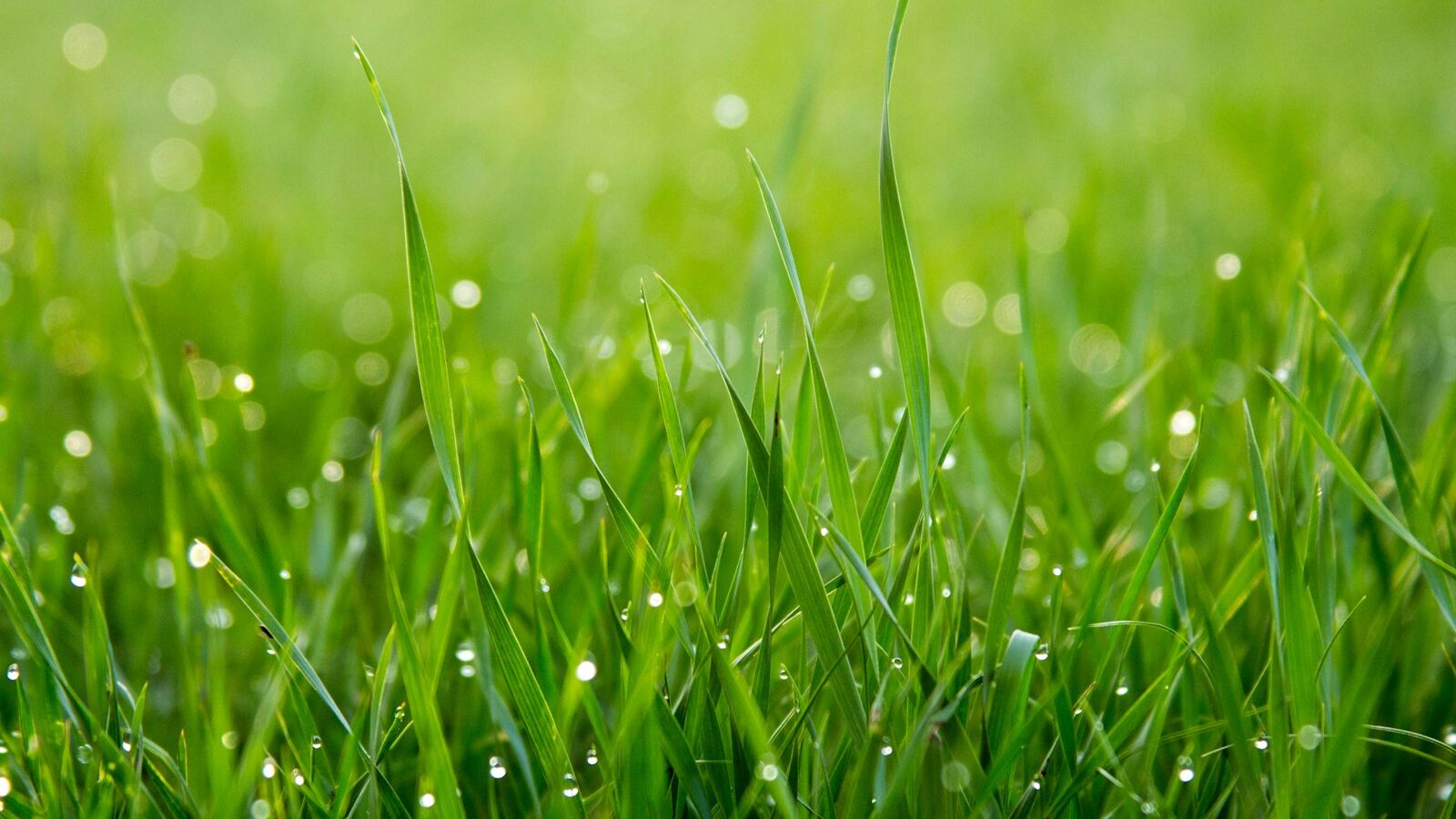
Tall fescue is one of the most forgiving lawn grasses in America, which is exactly why it has taken over yards across the cool-season North and the tricky transition zone. It stays green when the weather turns dry, tolerates more shade than most grasses, and shrugs off foot traffic that would shred a delicate bluegrass lawn. This guide covers everything you need to grow a thick, healthy tall fescue lawn, from mowing height and watering to fall fertilizing, annual overseeding, and beating the brown patch that shows up in humid summers.
Part of our Lawn Care guide →
In this guide
Tall fescue quick facts
- Type: cool-season (great for transition zone)
- Sun: full sun to part shade
- Mow: 3-4 in (keep it tall)
- Best zones: 4-7 + transition
- Bunch grass: overseed yearly to fill in
As an Amazon Associate we earn from qualifying purchases.
Where tall fescue grows best
Tall fescue is a cool-season grass, meaning it does most of its growing in the milder weather of spring and fall and naturally slows down in the heat of midsummer. What sets it apart from other cool-season grasses like Kentucky bluegrass and perennial ryegrass is its deep root system, which can reach two to three feet down into the soil. Those deep roots let it pull moisture from far below the surface, giving it far better heat and drought tolerance than its cool-season cousins.
This combination of cool-season genetics and heat tolerance makes tall fescue the go-to grass for the transition zone, that band running roughly through Tennessee, Kentucky, Virginia, the Carolinas, Arkansas, and the lower Midwest where it is too hot for bluegrass to thrive and too cold for warm-season grasses like bermuda to stay green year-round.
Best zones and regions
- USDA zones 4-7: the sweet spot for tall fescue, including the upper South, mid-Atlantic, and lower Midwest.
- The transition zone: tall fescue is often the single best lawn choice here, where few other grasses succeed year-round.
- Cooler northern areas: it performs well but may need overseeding after harsh winters.
- Deep South / hot coastal areas: usually too hot and humid long-term; a warm-season grass like bermuda grass care may be a better fit.
Mowing: keep it tall
The single most important thing you can do for a tall fescue lawn is to mow it high. Cutting tall fescue to 3 to 4 inches encourages those deep roots, shades the soil to keep it cooler and slow weed germination, and helps the grass survive summer heat and drought. Scalping tall fescue short is one of the fastest ways to weaken it, invite crabgrass, and open the door to disease.
Mowing best practices
- Keep your mowing height at 3 to 4 inches, leaning toward 4 inches during summer heat.
- Never remove more than one-third of the blade in a single mowing, which is the “one-third rule.”
- Mow with a sharp blade. A dull blade tears the grass, leaving ragged tips that brown and invite disease.
- Leave the clippings on the lawn (grasscycling). They break down quickly and return free nitrogen to the soil.
- Vary your mowing direction each time to prevent ruts and keep the grass standing upright.
Watering tall fescue
Thanks to its deep roots, established tall fescue is more drought-tolerant than most cool-season lawns, but it still looks and grows best with consistent moisture. The goal is to water deeply and infrequently. This trains the roots to grow downward in search of water rather than staying shallow at the surface, which makes the lawn far more resilient during dry spells.
- Aim for about 1 to 1.5 inches of water per week, including rainfall, during the growing season.
- Water deeply once or twice a week rather than a little every day.
- Water early in the morning so blades dry quickly, which helps prevent fungal disease.
- During extreme summer heat, tall fescue may go semi-dormant and brown slightly. It will green back up; you can water just enough to keep the crowns alive (about 0.5 inch every two weeks).
- New seed needs different treatment: keep the top inch of soil consistently moist with light, frequent watering until the seedlings establish.
Free, no-obligation quote · Connect with a local pro
Fertilizing schedule (fall focus)
Tall fescue should be fertilized primarily in the fall, when the grass is actively growing and storing energy for winter and the following spring. Heavy spring and summer feeding pushes lush top growth right when the plant is most vulnerable to heat and disease, so resist the urge to load up on nitrogen early in the year. A good, slow-release lawn fertilizer applied at the right times will keep the lawn dense without forcing stressful growth surges.
A simple annual feeding plan
- Early fall (September): the most important feeding of the year. Apply a balanced, slow-release fertilizer to fuel root growth and recovery.
- Late fall (late October to November): a second feeding before the ground freezes builds carbohydrate reserves for a fast spring green-up.
- Spring (optional, light): a light feeding once the grass greens up is fine, but keep it modest. Avoid heavy nitrogen.
- Summer: do not fertilize. Feeding in summer heat stresses the lawn and feeds disease like brown patch.
For products, look for a quality slow-release lawn fertilizer and apply at the labeled rate based on a soil test if you have one. For exact timing and amounts in your region, see our full lawn fertilizer schedule.
Annual overseeding: why it matters
Here is a key fact that surprises many homeowners: tall fescue is a bunch grass. Unlike bermuda or Kentucky bluegrass, it does not spread sideways through rhizomes or stolons to fill in bare spots on its own. Each plant grows in a clump, expanding only slightly at the base. When you lose grass to summer heat, disease, traffic, or pets, those gaps will not knit closed by themselves. The fix is to overseed every fall.
How to overseed tall fescue
- Timing: early fall is ideal, when soil is still warm but air is cooling. Spring is a backup option but less reliable.
- Prep: mow low, rake out debris, and loosen or aerate compacted soil so seed contacts bare soil.
- Seed: use a quality turf-type tall fescue grass seed blend, spread at the labeled overseeding rate.
- Water: keep the surface consistently moist until the new seedlings are established (usually two to three weeks).
- Hold off on weed control: do not apply pre-emergent herbicide near overseeding time; it will stop your new grass seed from germinating too.
Overseeding every year is the secret to a tall fescue lawn that stays thick instead of slowly thinning out. For a full walkthrough, read our guide on how to overseed a lawn.
Heat, drought, and shade tolerance
Tall fescue earns its reputation as a tough, adaptable grass. Among cool-season options, it offers the best combination of heat tolerance, drought tolerance, and shade tolerance, which is why it works so well in the demanding transition zone where conditions swing from hot summers to cold winters.
- Heat: better than bluegrass or ryegrass, but it will still slow down and may brown in extreme, prolonged heat. Mowing high helps it cope.
- Drought: excellent for a cool-season grass thanks to deep roots; it can go semi-dormant and bounce back when rain returns.
- Shade: handles moderate or partial shade better than most lawn grasses, making it a good choice for yards with scattered trees. It still needs roughly four hours of sun a day to stay dense.
- Traffic: very durable, which makes it popular for family yards, play areas, and athletic fields.
Free, no-obligation quote · Connect with a local pro
Common problems: brown patch and more
The most common disease problem for tall fescue is brown patch, a fungal disease that thrives in hot, humid summer weather, especially when nights stay warm and the grass stays wet overnight. It shows up as circular brown or tan patches, sometimes with a darker “smoke ring” edge in the morning dew. Brown patch is largely preventable with good cultural practices.
Preventing and treating brown patch
- Water in the early morning, never in the evening, so the grass does not stay wet all night.
- Avoid nitrogen fertilizer in late spring and summer, which fuels the disease.
- Mow high and keep your blade sharp to reduce plant stress.
- Improve air circulation and drainage, and reduce thatch buildup.
- For active outbreaks, a brown patch fungicide applied per the label can stop the spread.
Other issues to watch for include crabgrass and other weeds in thin areas (the best defense is a thick lawn and proper mowing height), grub damage, and thinning from compaction, which annual aeration and overseeding will address.
Fine fescue vs tall fescue
The word “fescue” covers two very different groups of grasses, and confusing them leads to disappointment. Tall fescue is a coarse-bladed, sun-loving, traffic-tolerant grass meant to be a primary lawn turf. Fine fescue is a separate category (including creeping red, chewings, hard, and sheep fescue) with thin, needle-like blades prized for its outstanding shade tolerance and low maintenance.
- Tall fescue: coarse blades, deep roots, great in sun and heat, durable, the better all-around lawn grass for most yards.
- Fine fescue: very fine blades, the best shade and low-input tolerance, but weaker under heavy traffic and hot, full sun.
- Common mix: many premium seed blends combine turf-type tall fescue for the open lawn with fine fescue to help the shadier edges, giving you the best of both.
For more on building a complete, low-maintenance yard, see our pillar outdoor living guide.
Frequently asked questions
How tall should I mow tall fescue?
Keep tall fescue at 3 to 4 inches, leaning toward 4 inches in summer. Mowing high encourages deep roots, shades out weeds, and helps the lawn survive heat and drought. Never cut off more than one-third of the blade at once.
Does tall fescue spread and fill in bare spots?
No. Tall fescue is a bunch grass that grows in clumps and does not spread sideways to fill gaps the way bermuda or bluegrass does. To keep it thick, overseed every fall to fill thin areas.
When should I fertilize tall fescue?
Focus on fall. Apply a slow-release fertilizer in early fall (September) and again in late fall before the ground freezes. A light spring feeding is optional, but avoid heavy nitrogen and never fertilize in summer heat.
Why does my tall fescue get brown circular patches in summer?
That is most likely brown patch, a fungal disease that thrives in hot, humid weather and overnight moisture. Water only in the morning, skip summer nitrogen, mow high with a sharp blade, and use a brown patch fungicide for active outbreaks.
What is the difference between fine fescue and tall fescue?
Tall fescue has coarse blades, deep roots, and handles sun, heat, and traffic well, making it a primary lawn grass. Fine fescue has thin, needle-like blades with excellent shade tolerance but less durability in heavy traffic and full sun.
Want a pro to handle your lawn?
Compare free, no-obligation quotes from vetted local lawn care pros near you.