

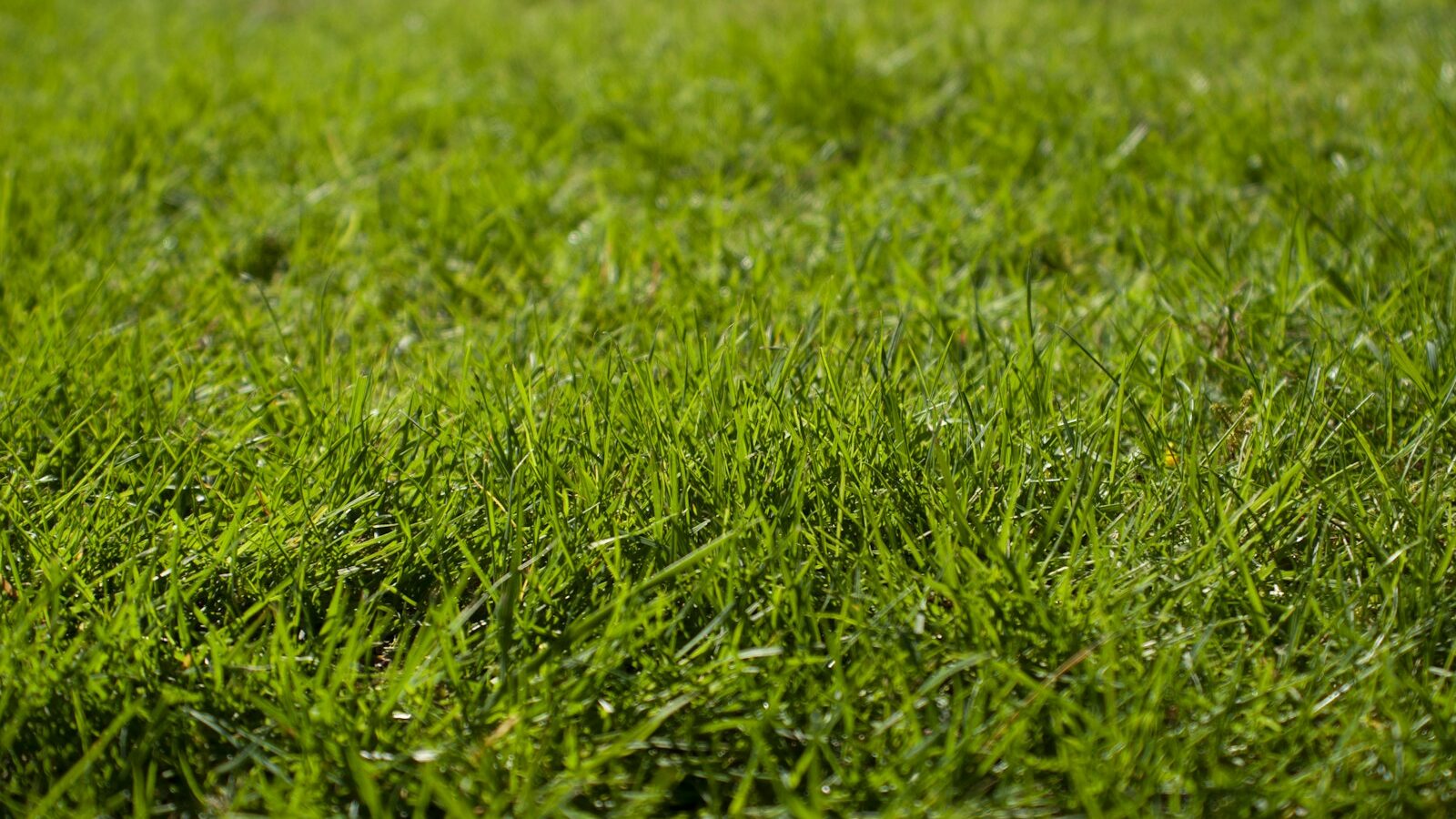
If you want one durable, low-fuss lawn that holds up through hot, dry summers, plant turf-type tall fescue. If you need green grass fast, the toughest possible wear surface, or a winter overseed for a dormant warm-season lawn, reach for perennial ryegrass. Both are cool-season bunch grasses that thrive in the same general climate, but they earn their keep in very different ways. Tall fescue is the deep-rooted survivor that anchors lawns across the transition zone and the cooler North. Perennial ryegrass is the fast, fine-textured sprinter that germinates in under a week and takes a beating from foot traffic. Below I break down exactly how they compare and when to choose each, based on how these grasses actually perform in real yards.
Key Takeaways
- Both are cool-season bunch (clumping) grasses with no aggressive spread, so bare spots must be reseeded rather than filled in by runners.
- Tall fescue wins on heat and drought tolerance thanks to roots that reach 2 to 3 feet deep, making it the go-to for the transition zone.
- Perennial ryegrass wins on germination speed (5 to 7 days) and wear tolerance, which is why it dominates sports turf and seed mixes.
- Perennial ryegrass is the standard choice for winter overseeding dormant Bermuda and other warm-season lawns in the South.
- They mix well: ryegrass is often kept to 10 to 20 percent of a tall fescue blend to provide quick nurse cover while the fescue establishes.
Quick Comparison Table
| Trait | Tall Fescue | Perennial Ryegrass |
|---|---|---|
| Type | Cool-season bunch grass; turf-type tall fescue (TTTF) is the modern lawn standard | Cool-season bunch grass; very fine-bladed |
| Germination speed | 7 to 14 days | 5 to 7 days (fastest common turfgrass) |
| Heat & drought tolerance | Excellent; deep roots to 2 to 3 feet | Poor in extreme heat and drought; shallow roots |
| Cold tolerance | Good; reliable through most of the North | Fair; thins or winterkills in harsh, exposed winters |
| Traffic & wear | Good | Excellent; top choice for athletic fields |
| Shade tolerance | Moderate (better than ryegrass) | Low to moderate |
| Seeding rate (new lawn) | ~6 to 8 lb per 1,000 sq ft | ~6 to 9 lb per 1,000 sq ft |
| Mowing height | 2.5 to 4 inches | 1.5 to 2.5 inches (tolerates up to ~3) |
| Common diseases | Brown patch in humid summers | Gray leaf spot, red thread |
| Best uses | Durable all-purpose lawns, transition zone, full-sun yards | Quick cover, overseeding, sports turf, seed-mix component |
Tall Fescue: The Deep-Rooted Transition Zone Champion
Tall fescue, and specifically modern turf-type tall fescue (TTTF), is the most reliable cool-season lawn grass for the broad swath of the country that gets too hot for Kentucky bluegrass but too cold for year-round Bermuda. That belt running roughly from the mid-Atlantic through the Ohio Valley and into the southern Plains is the transition zone, and tall fescue is its workhorse. The reason comes down to roots. Where bluegrass and ryegrass run shallow, established tall fescue drives roots 2 to 3 feet into the soil, pulling moisture from deep down when the top few inches bake dry. That is why a fescue lawn often stays green well into a drought after the neighbors have gone brown.
Older “K-31” forage-type fescue is coarse and clumpy and gives the grass a bad reputation. The turf-type cultivars bred over the last few decades are a different animal: finer blades, denser growth, deeper green, and a much more uniform look. When you buy tall fescue seed today, you want a turf-type blend of two or more named cultivars, not pasture seed.
Growth Habit and Filling In
Tall fescue is a bunch grass, meaning each plant grows in a tight clump and expands only by producing new tillers at its base rather than by sending out runners. Some newer “rhizomatous tall fescue” (RTF) types spread slightly via short underground rhizomes and can knit minor damage back together, but the effect is modest. The practical takeaway: tall fescue does not self-repair large bare patches the way a spreading grass like Bermuda or bluegrass does. You fix thin spots by overseeding, not by waiting for the lawn to creep in. Seed at a higher rate up front to get a dense, uniform stand.
Seeding, Mowing, and Watering
Early fall is the best time to seed tall fescue, with late summer through mid-fall (roughly late August through October in most cool-season areas) being the sweet spot. Soil is still warm enough for fast germination, nights are cooling, and weed pressure is dropping. Spring is a workable second choice, but summer is the worst because heat and weeds fight a young stand. Seed a brand-new lawn at about 6 to 8 lb per 1,000 sq ft; when overseeding an existing thin lawn, use roughly half that. Expect germination in 7 to 14 days. For help establishing from bare ground, see our guide on how to seed a new lawn.
Mow tall fescue tall, between 2.5 and 4 inches, and lean toward the high end in summer. Taller blades shade the soil, keep roots cool, and out-compete crabgrass. Watering deeply and infrequently, about 1 to 1.5 inches per week including rainfall delivered in one or two soakings, trains those deep roots and is the whole point of choosing fescue. Tall fescue does compete poorly on hard, compacted ground, so if your soil is dense and water pools, address it; here is how to fix compacted soil before you seed.
The Main Disease to Watch
The chief disease problem for tall fescue is brown patch, a fungal disease that flares in hot, humid summer weather, especially with warm nights and lawns that stay wet overnight. You see roughly circular tan patches that can expand fast. The defenses are cultural: water early in the morning so blades dry by evening, avoid heavy nitrogen in summer, mow at the recommended height, and keep good airflow. In high-humidity regions, brown patch is the price of admission for fescue, but a healthy, properly managed lawn shrugs most of it off and recovers.
Perennial Ryegrass: The Fast, Tough Sprinter
Perennial ryegrass is the speed demon of cool-season turf. It germinates in 5 to 7 days, faster than almost anything else you can sow, and it establishes a fine-textured, glossy, dark-green surface in a hurry. It also has outstanding wear tolerance, which is why you find it on soccer pitches, golf course tees, and parks where the ground takes constant abuse. If you have kids, dogs, and a lawn that gets pounded every weekend, ryegrass holds up.
Those strengths come with a real catch: perennial ryegrass has shallow roots and limited tolerance for climate extremes. It struggles through prolonged summer heat and drought, and it can thin out or winterkill in harsh, exposed northern winters. That is why pure ryegrass lawns are less common than ryegrass used as part of a blend or for a specific seasonal job. Like tall fescue, it is a bunch grass with no real spreading ability, so it does not self-repair bare ground.
Seeding and Mowing
Seed perennial ryegrass at roughly 6 to 9 lb per 1,000 sq ft for a new stand, again favoring early fall in cool-season regions for the same reasons that benefit fescue. Because it comes up so quickly, ryegrass is forgiving when you need cover before the rain or before traffic resumes. Mow it shorter than fescue, generally 1.5 to 2.5 inches, though it tolerates up to about 3 inches. It responds well to regular feeding and consistent moisture; it does not have the deep-root drought reserves that let fescue coast through dry spells.
Winter Overseeding in the South
Perennial ryegrass has one signature role that tall fescue does not fill: winter overseeding of dormant warm-season lawns. In the South, Bermuda, zoysia, and similar grasses go brown and dormant once cool weather arrives. Homeowners and especially golf courses sow perennial ryegrass over the dormant turf in fall, typically when soil temperatures drop into the mid-70s Fahrenheit (often September into October depending on latitude). The fast-germinating ryegrass greens up the lawn through winter, then naturally fades out in late spring as heat returns and the warm-season grass wakes up and reclaims the surface. Tall fescue is too persistent and clumpy to use this way, which is exactly why ryegrass owns the niche.
Diseases to Watch
Perennial ryegrass is most troubled by gray leaf spot, a fungus that can hit hard in hot, humid late-summer weather and is particularly damaging to ryegrass stands, and by red thread, which shows up as pinkish-red threads on the blades in cool, wet, low-nitrogen conditions. Red thread is largely cosmetic and usually fades once you correct fertility and the weather dries; gray leaf spot is more serious and is one reason ryegrass is not favored as a standalone lawn in the hottest, most humid zones.
Which Should You Choose, and Can You Mix Them?
For most homeowners building a long-term, full-sun to partly shaded lawn in the transition zone or cooler North, turf-type tall fescue is the smarter foundation. It gives you drought resilience, heat tolerance, and a dense uniform stand with less summer babysitting. Choose perennial ryegrass when your priority is immediate green cover, maximum wear tolerance for a heavily used play or sports area, or a winter overseed on a dormant warm-season lawn in the South.
The good news is you rarely have to pick just one. The two pair extremely well, and many premium “tall fescue” lawn mixes already include a small slice of perennial ryegrass, usually capped at 10 to 20 percent by weight. The ryegrass acts as a nurse grass: it pops up in under a week, holds the soil, and provides instant green while the slower tall fescue takes 7 to 14 days to germinate and then several more weeks to fill in. Keeping ryegrass to that 20 percent ceiling matters, because too much fast-establishing ryegrass crowds out the fescue seedlings and you end up with a less drought-tolerant lawn. If you want the durability of fescue with a faster, cleaner establishment, a 80 to 90 percent fescue plus 10 to 20 percent ryegrass blend is hard to beat. For more lawn and yard projects, browse our outdoor living hub.
Bottom line: tall fescue is the lawn you live with for years; perennial ryegrass is the grass you reach for when speed, wear, or a winter green-up is the job at hand. Match the grass to the goal and your climate zone, and either one will perform.
Frequently Asked Questions
Is tall fescue better than perennial ryegrass for a home lawn?
For most permanent home lawns, yes. Turf-type tall fescue offers far better heat and drought tolerance thanks to roots reaching 2 to 3 feet deep, so it needs less summer attention. Perennial ryegrass is better only when you need very fast germination, maximum wear tolerance, or a winter overseed on a dormant warm-season lawn.
Can you mix tall fescue and perennial ryegrass?
Yes, and it is common. Keep perennial ryegrass to about 10 to 20 percent of the blend so it acts as a quick nurse grass for cover while the slower tall fescue establishes. More than that and the fast ryegrass can crowd out the more drought-tolerant fescue.
How fast does each grass germinate?
Perennial ryegrass germinates fastest, usually in 5 to 7 days. Tall fescue takes 7 to 14 days. That speed gap is exactly why ryegrass is used for quick cover and as a nurse grass in fescue mixes.
What is the best time to seed these grasses?
Early fall is ideal for both in cool-season regions, roughly late summer through mid-fall, when soil is still warm but air is cooling and weed pressure is dropping. Spring is a fair second choice. For winter overseeding of dormant Bermuda in the South, sow perennial ryegrass in fall as soil temperatures fall into the mid-70s Fahrenheit.
How short should I mow tall fescue and perennial ryegrass?
Mow tall fescue tall, 2.5 to 4 inches, favoring the high end in summer to shade roots and resist crabgrass. Mow perennial ryegrass shorter, about 1.5 to 2.5 inches, though it tolerates up to roughly 3 inches.