

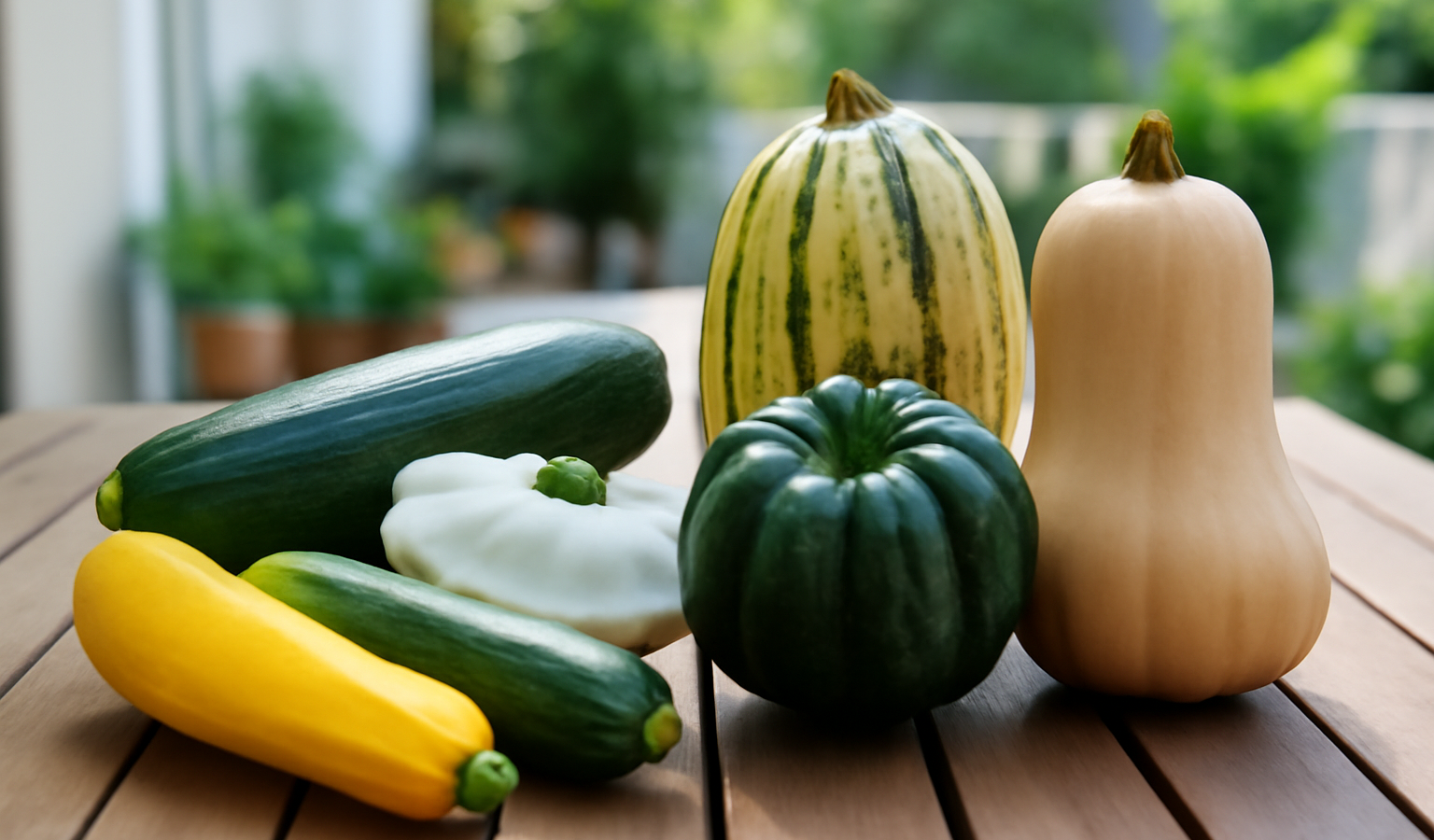
The names are misleading, because both summer and winter squash are grown through the warm months — the difference is when you pick them and how long they keep. Summer squash, like zucchini and yellow crookneck, is harvested young and immature with soft, edible skin, and you eat it within days because it does not store. Winter squash, like butternut, acorn, and spaghetti squash, is left on the vine until fully mature with a hard rind, then cured and stored for weeks or months through the winter — hence the name. That single distinction ripples through everything: summer squash matures in 50 days and overwhelms you with daily zucchini, while winter squash needs 80 to 110 days and a long, warm season to ripen. Summer types eat tender and watery; winter types eat dense and sweet. This guide walks through how the two differ in harvest, skin, flavor, storage, and growing time, then gives you the specific planting, spacing, curing, and pest-management advice each needs so you get a productive summer harvest and a pantry full of winter keepers.
Key Takeaways
- Summer squash is picked young with soft edible skin and eaten fresh; winter squash is picked mature with a hard rind and stored.
- Summer squash matures in about 50 days; winter squash needs 80–110 days of warm weather.
- Harvest summer squash often and small to keep plants producing; let winter squash fully ripen on the vine.
- Cure winter squash in warmth for 1–2 weeks before storing for months.
- Both are warm-season crops needing full sun, rich soil, and consistent water.
- Squash vine borer and powdery mildew are the main pests of both groups.
Quick Comparison: Summer vs Winter Squash
| Trait | Summer Squash | Winter Squash |
|---|---|---|
| Harvested when | Young and immature | Fully mature |
| Skin | Soft, thin, edible | Hard, thick rind |
| Days to maturity | ~50 days | 80–110 days |
| Storage life | Days (refrigerate) | Weeks to months (cured) |
| Texture & flavor | Tender, mild, watery | Dense, sweet, nutty |
| Examples | Zucchini, yellow crookneck, pattypan | Butternut, acorn, spaghetti, kabocha |
| Plant habit | Often bush | Often long vines |
Summer Squash: Fast, Tender, and Prolific
Summer squash is the instant-gratification crop. Zucchini, yellow squash, and pattypan grow as compact, mostly bush-type plants that start producing in about 50 days and then refuse to stop. You harvest the fruits young and immature, when the skin is still thin and soft enough to eat and the flesh is tender. A zucchini is best picked at six to eight inches; left longer it swells into a watery, seedy club with tough skin. The plants are famously productive — a couple of zucchini plants can bury a family — and the key to keeping them productive is frequent harvesting. Every fruit you let mature tells the plant to slow down, so pick every day or two at peak season.
Plant summer squash after the last frost in full sun and rich, compost-amended soil, spacing plants two to three feet apart. They are heavy feeders and thirsty, so water deeply and consistently — uneven moisture causes the dreaded blossom-end rot. Because they crop so fast, a single planting often carries you through summer, though a second sowing in midsummer can refresh production after the first plants tire or succumb to mildew. The one thing summer squash will not do is store: harvest, refrigerate, and eat within a few days, or preserve the surplus by freezing, pickling, or grating it for the freezer. If your fruits rot before ripening, our guide on zucchini rotting on the vine covers the causes.
Winter Squash: Slow, Dense, and Storable
Winter squash plays a longer game. Butternut, acorn, spaghetti, delicata, and kabocha types are left on the vine to mature fully, developing a hard, protective rind and dense, sweet flesh. That maturity is what lets them store for weeks or months — properly cured butternut can keep until spring. The cost is time: winter squash needs 80 to 110 days of warm weather to ripen, and most types sprawl on long, vigorous vines that demand real space, often six to twelve feet per plant unless you trellis the smaller-fruited varieties.
Sow winter squash after the last frost so it has the entire warm season to finish; in short-season climates start seeds indoors two to three weeks early or choose faster varieties. Plant in rich soil with plenty of compost, space generously, and feed and water through the season — but ease off water as the fruits approach maturity to concentrate sugars and harden the rind. Harvest when the rind is hard enough to resist a thumbnail, the color has deepened, and the stem has begun to dry and cork; leave a couple of inches of stem attached to prevent rot in storage. Pick before the first hard frost. The step beginners skip is curing: hold harvested squash at around 80°F for one to two weeks to toughen the skin and heal small wounds, then store in a cool, dry, well-ventilated spot around 50 to 55°F. Cured and stored well, winter squash becomes a reliable pantry staple long after the garden has gone to sleep — pair it with our overwintering vegetables guide for a fuller winter larder.
Choosing Varieties for Your Season and Space
Within each group, variety choice matters as much as the summer-versus-winter decision. Among summer squash, zucchini is the classic dark-green workhorse, but yellow crookneck and straightneck bring a buttery flavor, and pattypan (scallop) squash offers a firmer texture and a pretty saucer shape for grilling. Newer compact and bush-habit zucchinis are bred for containers and small beds, a real help if space is tight. If powdery mildew always wrecks your plants in late summer, look specifically for mildew-resistant or tolerant cultivars, which can add weeks of productivity at season’s end.
Winter squash variety choice should start with your season length and storage goals. Acorn and delicata mature relatively fast (around 80 to 90 days) and suit shorter seasons, but delicata stores only a couple of months. Butternut and kabocha take longer and need more heat, yet they are among the best keepers — butternut famously stores for months and even improves in sweetness during the first weeks of storage. Spaghetti squash is the oddball, its flesh separating into strands when cooked. If you garden in a small space, bush or semi-bush winter varieties and trellis-friendly small-fruited types let you grow keepers without surrendering the whole plot to sprawling vines. Reading the days-to-maturity on the packet against your frost dates is the single most important step in not running out of season before the fruit hardens.
Shared Growing Needs and Common Pests
Because both belong to the same genus, summer and winter squash share most of their care. Both are warm-season crops that need full sun, fertile soil enriched with compost, and consistent moisture — water at the base to keep leaves dry and slow disease. Both are heavy feeders that respond to a balanced feeding mid-season. And both face the same two main enemies. Squash vine borer is the most destructive: the larvae tunnel into stems and collapse whole plants seemingly overnight. Watch for sawdust-like frass at the stem base, and protect plants with row covers early in the season (removing them at flowering for pollination), or bury portions of vine to root and back up the plant.
Powdery mildew, a white dusty coating on the leaves, hits both groups in late summer’s humidity. Space plants for airflow, water at the base, and choose resistant varieties to slow it. Squash bugs and poor pollination — common in cucurbits — round out the usual troubles; hand-pollinating with a small brush can rescue fruit set when bees are scarce. Manage these consistently and both your summer and winter squash will carry their full crop. For more on the family, browse our plants and flowers guides.
The Verdict: Grow Both for a Full Season
Summer and winter squash are not really rivals — they cover different parts of the year and the pantry. Summer squash gives you fast, abundant, tender fruit to eat fresh through the warm months, perfect if you want quick returns and do not mind a glut of zucchini. Winter squash asks for patience and space but pays you back with dense, sweet keepers that feed you long into winter, perfect if you value storage and want garden food on the table in January. Most gardens with room should grow both: a couple of summer squash plants for the daily harvest and a patch or trellis of winter squash for the long haul. Match each to its harvest rules — pick summer squash young and often, let winter squash fully ripen and then cure it — and a single warm season delivers fresh eating now and a stocked pantry later.
Frequently Asked Questions
What is the main difference between summer and winter squash?
Summer squash is harvested young with soft edible skin and eaten fresh within days, while winter squash is left to fully mature, develops a hard rind, and is cured and stored for weeks or months.
How long does winter squash take to grow?
Winter squash needs 80 to 110 days of warm weather to ripen fully, far longer than summer squash’s roughly 50 days, so start it early or choose fast varieties in short-season climates.
How do I cure winter squash for storage?
After harvesting with a couple of inches of stem attached, hold the squash at about 80°F for one to two weeks to harden the rind, then store at 50–55°F in a dry, ventilated space.
Why won’t my summer squash keep producing?
You are probably not picking often enough. Each fruit left to mature signals the plant to slow down, so harvest zucchini and yellow squash young, every day or two, to keep them prolific.
What pests affect both summer and winter squash?
Squash vine borer, squash bugs, and powdery mildew affect both. Use row covers early, remove them at flowering for pollination, water at the base, and choose mildew-resistant varieties.