

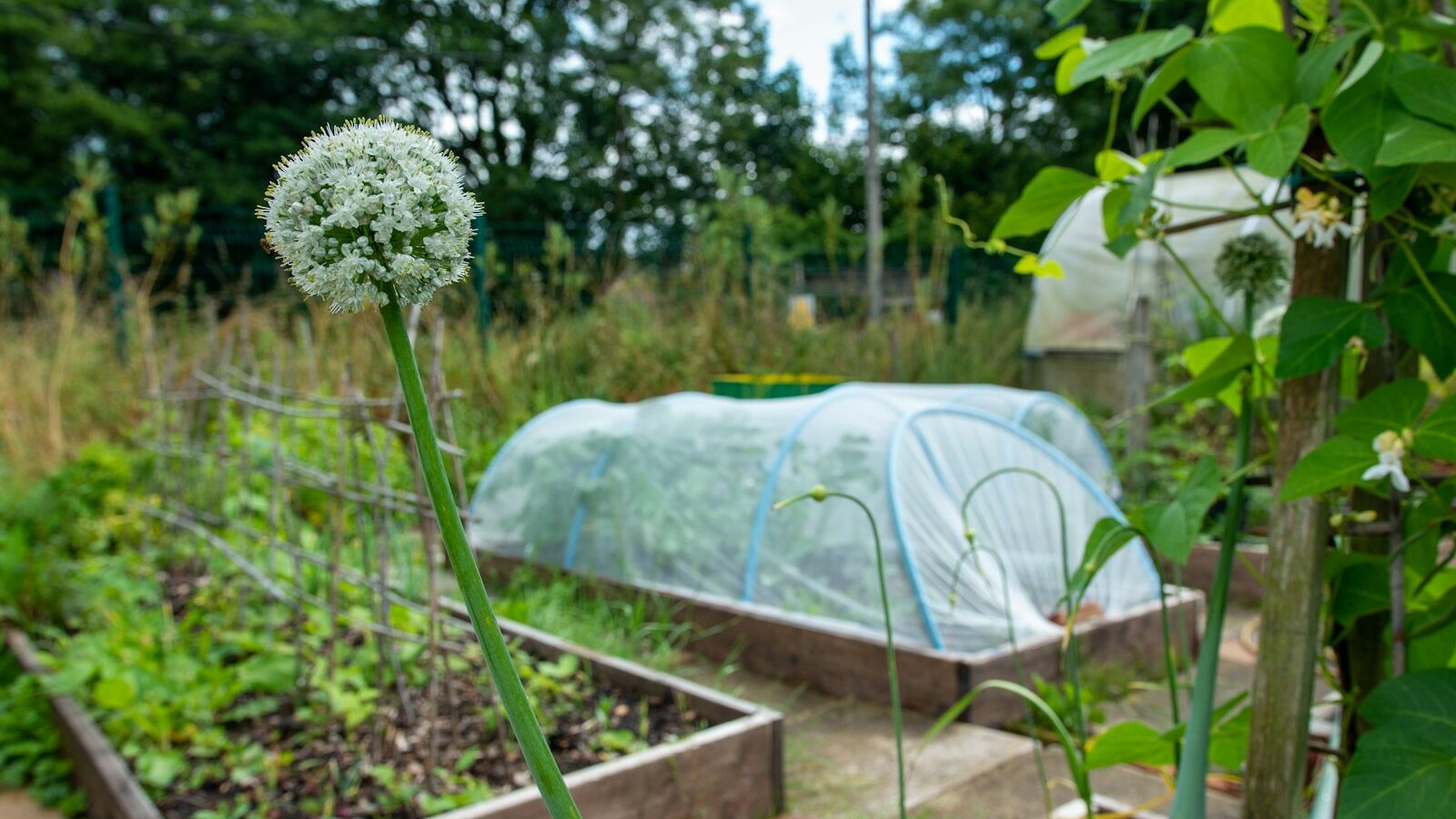
Square foot gardening turns a small raised bed into a high-yield, low-fuss vegetable plot by dividing it into a tidy grid of one-foot squares. Invented by engineer Mel Bartholomew in the 1980s, the method strips away the guesswork of traditional row gardening and replaces it with a simple system anyone can follow. If you have a sunny corner, a few hours one weekend, and the will to eat your own tomatoes, this beginner’s guide will get you growing.
Key takeaways
- Divide a raised bed into 1-ft squares with a grid
- Plant 1, 4, 9 or 16 per square by plant size
- Use a light, rich soil mix
- Less weeding & watering than rows
- Great for small spaces & beginners
What is square foot gardening?
Square foot gardening (often shortened to SFG) is a method of intensive planting in compact, clearly divided raised beds. Instead of sowing long rows separated by wide walking paths, you build a shallow box, fill it with a rich soilless mix, and lay a physical grid on top that splits the surface into individual one-foot squares. Each square becomes its own mini garden, planted with a set number of one crop based on how much space that plant needs to mature.
Mel Bartholomew, a retired engineer, developed the system after watching neighbors struggle with sprawling, weed-choked row gardens. His insight was that conventional rows waste enormous amounts of space and effort. A typical home row garden might dedicate 80 percent of its footprint to paths and over-sown seedlings that later get thinned out and thrown away. Square foot gardening flips that ratio: nearly every inch grows food, and you plant only what you’ll actually keep. The result is a denser, more productive garden in a fraction of the area, with far less watering, weeding, and digging. It pairs naturally with the broader principles in our urban gardening guide, which is built around making the most of limited space.
Building a 4×4 grid bed
The classic square foot garden is a 4-foot by 4-foot box, giving you 16 squares. Four feet is the magic number because you can comfortably reach the center from any side without stepping on the soil, which keeps it loose and uncompacted. If a bed will sit against a wall or fence where you can only reach from one side, make it 4 feet wide by 2 feet deep instead so nothing is out of arm’s reach.
For most vegetables, a frame 6 to 8 inches deep is enough, since you’ll fill it with a fresh, fertile mix rather than relying on native soil. Untreated cedar, Douglas fir, or composite boards all work well; avoid pressure-treated lumber that may leach chemicals into food crops. Screw or bracket the four sides together, level the spot, and if you’re placing the bed over grass or weeds, lay down cardboard or landscape fabric first to smother what’s underneath. For a full walkthrough of frame construction, drainage, and siting, see our companion piece on how to build a raised garden bed.
The detail that makes SFG work is the grid itself. Once the bed is filled, lay a permanent physical grid across the top that divides it into sixteen 12-inch squares. Thin wooden lattice strips, vinyl blind slats, or even taut string stapled to the frame all do the job. The grid is not optional decoration: it is the visual discipline that keeps you planting the right number per square, rotating crops, and harvesting in an orderly way. Without it, most beginners drift back into overcrowded chaos.
The soil mix that makes it work
Bartholomew’s signature contribution was a soilless growing medium he called “Mel’s Mix.” It is a light, fluffy, moisture-retentive blend made from three ingredients in equal parts by volume:
- 1/3 compost — ideally a blend of five or more different compost sources for a broad range of nutrients. This is the engine of fertility.
- 1/3 peat moss or coconut coir — holds moisture and keeps the mix airy. Coco coir is the more sustainable, renewable choice and rehydrates more easily than peat.
- 1/3 coarse vermiculite — improves drainage and water retention at the same time, and keeps the blend from compacting.
The beauty of starting with a clean, purpose-built mix is that you skip the soil problems that derail so many new gardeners: heavy clay, rocks, poor drainage, dormant weed seeds, and unknown contaminants. Mix the three components on a tarp until uniform, moisten as you go, and fill your bed. Top off with an inch of fresh compost each season and you rarely need synthetic fertilizers. If you ever do build directly over decent native soil, the mix sits on top and roots can grow down once they reach it.
Planting density: 1, 4, 9, or 16 per square
This is the heart of the method. Instead of reading confusing seed-packet spacing for rows, you simply decide how many plants fit in one square based on the plant’s mature size. There are four standard densities, and almost every common vegetable falls into one of them.
| Per square | Spacing | Examples |
|---|---|---|
| 1 plant | 12 in apart (one per square) | Tomato, pepper, eggplant, broccoli, cabbage, cauliflower, kale |
| 4 plants | 6 in apart | Lettuce, Swiss chard, marigold, parsley, basil, bush beans (loosely) |
| 9 plants | 4 in apart | Bush beans, spinach, beets, turnips, bush peas |
| 16 plants | 3 in apart | Carrots, radishes, onions, scallions, garlic |
To space them evenly, picture dividing the square into halves, thirds, or quarters and poke holes at the intersections. For nine plants, make a 3×3 grid of holes; for sixteen, a 4×4 grid. Larger sprawling or climbing crops break the rules slightly: a single tomato, cucumber, or pole bean takes a full square but is trained upward on a trellis at the north edge of the bed so it doesn’t shade everything else. A single zucchini or winter squash plant may need two squares to itself.
If you’re brand new to growing vegetables and want a gentler on-ramp before committing to a full plan, our guide on how to start a vegetable garden covers seeds versus transplants, timing, and the easiest beginner crops.
Watering, succession planting, and care
Watering. Because the bed is small and contained, the most reliable method is to water by hand at the base of plants, ideally with sun-warmed water from a bucket or rain barrel. The light mix drains freely, so check moisture often in hot weather; an inch or two below the surface should stay damp but not soggy. A simple drip line or soaker hose makes this effortless if you’d rather automate. The dense planting canopy shades the soil surface, which dramatically cuts evaporation compared with bare row gardens.
Succession planting. The single-square layout makes continuous harvests easy. The moment a square is harvested, you scoop in a trowel of fresh compost, replant, and keep production rolling all season. Sow a square of radishes (which mature in three to four weeks) every couple of weeks for a steady supply rather than a glut. Follow cool-season spinach or lettuce with warm-season beans once the weather turns. Because each square is independent, you never have to clear and replant the whole bed at once.
Companion pairings. Tight spacing means neighbors interact, so it pays to place friendly crops side by side and keep antagonists apart. Basil near tomatoes, carrots near onions, and a few marigolds tucked among the vegetables all help with flavor and pest control. Our companion planting guide has the full chart of who grows well together.
Pros and cons vs row gardening
Advantages. Square foot gardening shines for beginners and anyone with limited space. You weed far less because the dense canopy and weed-free starting mix leave little bare ground for weeds to colonize. You water less because there are no wasted paths to irrigate. There’s no tilling, no soil compaction, and no thinning out half your seedlings. The grid makes planning, crop rotation, and teaching kids almost foolproof, and a single 4×4 bed can supply a surprising amount of salad and herbs for one or two people.
Trade-offs. The up-front cost and labor of building beds and buying mix is higher than simply digging a row in the ground. Mel’s Mix, with its compost and vermiculite, isn’t cheap to fill a large bed. Sprawling crops like full-size pumpkins, sweet corn, or melons are awkward in tiny squares and are better suited to open rows or hills. And because the beds are shallow and small, they dry out faster in extreme heat than deep, in-ground plantings. For large-scale staple growing where land is plentiful, traditional rows can still be more economical. For most home gardeners with a backyard, balcony, or small lot, the balance tips firmly toward SFG.
A sample 4×4 plan
Here is a balanced beginner layout for a single 4×4 bed (16 squares) that mixes everyday salad crops, a few staples, and some pollinator-friendly flowers. Orient the bed so the tall trellised crops sit along the north side, where they won’t shade the shorter plants.
- North row (trellised): 1 tomato, 1 cucumber, 1 pole bean square, 1 pepper
- Second row: 1 broccoli, 4 lettuce, 4 Swiss chard, 4 basil
- Third row: 9 spinach, 9 bush beans, 16 carrots, 9 beets
- South row: 16 radishes, 16 onions, 4 parsley, 4 marigolds
This single bed gives you salad greens, herbs, root vegetables, beans, and a flush of tomatoes and peppers all summer, plus flowers to draw in pollinators and beneficial insects. As each fast crop finishes, replant the square and keep the harvest going.
Frequently asked questions
How deep should a square foot garden bed be?
Six to eight inches of growing mix is enough for most vegetables, including tomatoes and peppers. If you want to grow longer root crops like full-size carrots or potatoes, aim for ten to twelve inches of depth.
Can I use regular garden soil instead of Mel’s Mix?
You can, but the method works best with the light, weed-free soilless blend of compost, peat or coir, and vermiculite. Heavy native soil compacts, drains poorly, and often brings in weed seeds, which undermines the low-maintenance benefits of the system.
How many plants can I grow in one 4×4 bed?
It depends on the crops, but a 16-square bed can hold anywhere from 16 large plants (one per square) to well over 100 small ones if you fill squares with carrots, radishes, or onions at 16 per square. A typical mixed plan yields dozens of plants at once.
Do I really need the grid on top?
Yes. The physical grid is what keeps spacing accurate, prevents overcrowding, and makes succession planting and crop rotation easy to track. Beds without a grid almost always revert to a tangled, overplanted mess.
Is square foot gardening good for beginners?
It’s one of the best methods for beginners. The clear structure, small scale, rich starting soil, and minimal weeding remove most of the common reasons new gardeners give up, while still producing a generous harvest.