

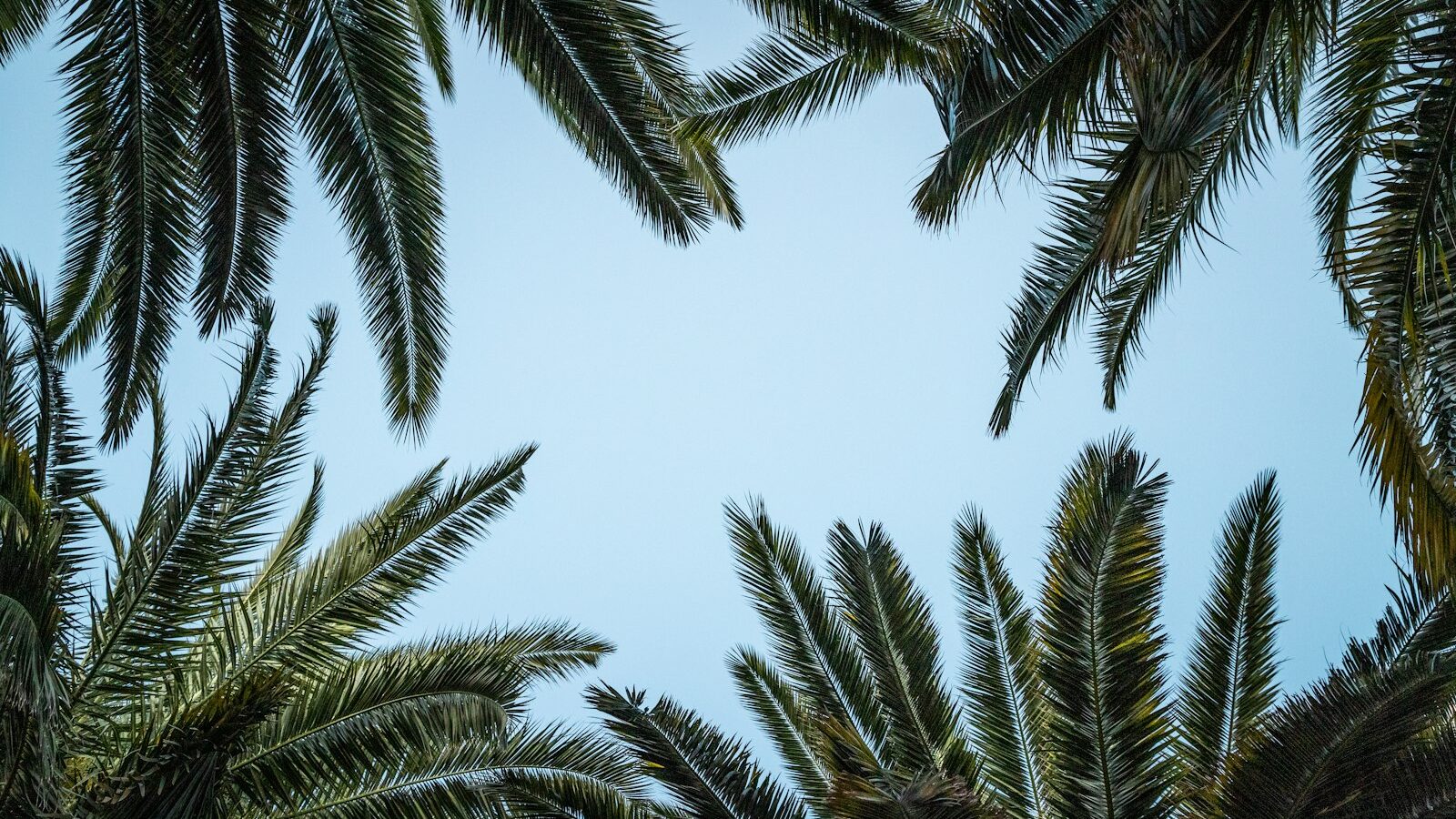
Palms are the signature plant of any tropical Singapore garden, lending instant resort character to landed properties, courtyards and balconies alike. With the right species you can frame a driveway, screen a boundary, soften a pool deck or fill a feature pot, all while coping happily with our heat, humidity and monsoon downpours. This guide covers ten of the best landscaping palms for local gardens, plus practical advice on choosing by space, screening, container growing and routine maintenance.
Key takeaways
- Match the palm to your space first: clumping palms suit screening and pots, while tall solitary palms work as feature specimens.
- Most landscaping palms enjoy full sun, but lady palm and MacArthur palm tolerate the shade found along side walls and beneath eaves.
- Clumping palms such as areca, MacArthur and Rhapis make the best living screens for privacy and boundary lines.
- Container palms need a free-draining mix, regular watering and occasional feeding to thrive in pots on patios and balconies.
- Routine trimming of dead fronds and spent flower stalks keeps palms tidy, healthy and safe in our windy, wet climate.
Clumping palms for screening & privacy
Clumping palms send up multiple slender stems from the base, forming dense, feathery columns that knit together into a natural privacy screen. They are the go-to choice along boundary walls, fence lines and between neighbouring landed homes, and they recover quickly if you remove older canes. If a green barrier is your main aim, pair these with our guide to hedge & screening plants for a layered, year-round effect.
Areca / Golden Cane Palm (Dypsis lutescens)
The areca, or golden cane palm, is Singapore’s most popular screening palm, forming dense clumps three to six metres tall with golden-tinged stems and arching fronds. It loves full sun to light shade and asks only for steady moisture and the occasional removal of crowded or yellowing canes. Plant in a row for a fast, soft privacy screen, or grow a single clump in a large pot to anchor a patio corner.
MacArthur Palm (Ptychosperma macarthurii)
A robust local favourite, the MacArthur palm clumps to around four to eight metres with slim green trunks and a tropical, jungle-like canopy. It is wonderfully adaptable, thriving in full sun yet tolerating the shade along side passages and beneath taller trees. Use it as a low-fuss screen or grouped feature; simply trim spent fronds and remove the bright red fruit clusters if you want a cleaner look.
Lady Palm (Rhapis excelsa)
The lady palm is a compact clumping fan palm reaching two to three metres, with bamboo-like canes and glossy, finger-shaped leaves. It is one of the few palms that genuinely prefers shade to part shade, making it ideal for shaded courtyards, north-facing walls and as an elegant indoor or balcony container plant. Slow-growing and tidy, it needs little more than even moisture and the removal of any tatty older canes.
Fishtail Palm (Caryota mitis)
Named for its distinctive jagged, fish-tail-shaped leaflets, the clustering fishtail palm grows to around four to seven metres and brings unmistakable texture to a planting scheme. It enjoys full sun to part shade and consistently moist, rich soil, performing beautifully as a screen or textural feature. Note that individual stems die after flowering and fruiting, so periodically cut out spent canes to keep the clump vigorous; wear gloves, as the fruit can irritate skin.
Feature & specimen palms for landed gardens
Solitary, single-trunked palms make striking focal points: a pair flanking a gate, a row down a driveway, or one well-placed specimen rising above a planting bed. These tend to want full sun and room to spread their crowns, so they shine in landed gardens rather than tight balconies. For ideas on weaving them into a wider scheme, see our notes on tropical garden design.
Foxtail Palm (Wodyetia bifurcata)
The foxtail palm is a graceful solitary species growing eight to twelve metres tall, prized for its plume-like fronds that bristle out like a fox’s tail. It thrives in full sun and well-drained soil, and is reassuringly low-maintenance once established, tolerating both drought and our heavy rains. Use it as a driveway avenue, a poolside specimen or a clean-lined feature where you want height without a wide footprint.
Sealing Wax / Lipstick Palm (Cyrtostachys renda)
Few palms are as showy as the sealing wax palm, whose brilliant scarlet crownshafts and leaf bases give it the alternative name of lipstick palm. It clumps slowly to around four to eight metres and demands full sun and constantly moist, even waterlogged, soil, making it superb beside ponds and water features. Give it warmth, water and patience; it dislikes drying out and any cold, drying wind.
Fan Palm (Licuala grandis)
The ruffled fan palm is grown purely for its dramatic, pleated circular leaves that look hand-cut from glossy green paper. A slow, compact species rarely exceeding two to three metres, it prefers part shade and sheltered, humid spots away from harsh midday sun and strong wind. It is a wonderful understorey feature or large container plant; simply keep it moist and out of drying draughts.
Traveller’s Palm (Ravenala madagascariensis)
Strictly a relative of the banana rather than a true palm, the traveller’s palm is an iconic landscape statement, fanning its enormous paddle-shaped leaves into a flat, peacock-tail shape up to ten metres tall. It needs full sun and plenty of space, as the crown spreads widely and the root system is vigorous. Plant it as a bold backdrop or entrance feature well away from walls and drains, and strip off torn or browning leaves to keep the fan crisp.
Compact & container palms for pots & balconies
Not every garden is a sprawling lawn; many Singapore homes work with patios, balconies and paved courtyards. The palms below stay manageable in size and adapt well to large pots, letting you enjoy tropical greenery in tight spaces. Combine them with the right potting approach and feeding routine and they will reward you for years, as covered in our best plants for Singapore gardens guide.
Bottle Palm (Hyophorbe lagenicaulis)
The bottle palm is a charming, slow-growing solitary species, instantly recognisable by its swollen, bottle-shaped trunk and short crown of arching fronds. Reaching only two to three metres, it loves full sun and free-draining soil and is famously drought-tolerant once settled. Its modest size and sculptural form make it a perfect container specimen for a sunny patio, balcony or front-step display.
Pygmy Date Palm (Phoenix roebelenii)
The pygmy date palm is a dainty, single or multi-stemmed palm growing two to three metres, with soft, feathery fronds that give a graceful fountain effect. It enjoys full sun to part shade and well-drained soil, and is one of the most reliable palms for large pots and entrance planters. Wear gloves when handling it, as there are sharp spines near the leaf bases, and trim lower fronds to reveal the slender trunk.
Choosing, planting & maintaining your palms
Start by being honest about your space and light. Measure the planting area and look up: overhead eaves, power lines and neighbouring trees all dictate how tall a palm you can sensibly grow. Tall solitary palms such as foxtail and traveller’s palm need open ground and full sun, while clumping species such as areca, MacArthur and Rhapis flex between sun and shade and suit narrow boundaries. For shaded courtyards, lean on lady palm and fan palm; for hot, exposed driveways, bottle palm, foxtail and pygmy date palm cope easily.
For screening, plant clumping palms at spacings that let the canopies just touch as they mature, usually one to two metres apart depending on species, so they form a continuous green wall without overcrowding. When planting in the ground, dig a generous hole, loosen the surrounding soil for drainage, and water in well; our heavy clay benefits from added compost or coarse sand to stop waterlogging around the roots. A layer of mulch helps lock in moisture and suppress weeds; if you would rather not handle the heavy work yourself, our planting service can prepare beds, supply healthy stock and plant everything correctly.
Container palms have slightly different needs. Choose a pot at least one and a half times the width of the root ball, use a free-draining tropical potting mix, and ensure the base has ample drainage holes so roots never sit in stagnant water. Water more frequently than ground-planted palms, as pots dry out fast in our heat, and feed every couple of months with a balanced slow-release fertiliser. Repot or top-dress every two to three years once roots fill the container.
Maintenance is mostly about tidy, sensible trimming. Remove only fully brown, dead or broken fronds, cutting close to the trunk but never gouging into it, and resist the urge to over-prune green leaves, which weakens the palm. Cut out spent flower and fruit stalks to keep things neat and to reduce self-seeding, and on clumping palms remove the oldest or dead canes at ground level to refresh the clump. After heavy monsoon storms, check for loose or hanging fronds that could fall, and feed two or three times a year to keep fronds lush and green; yellowing often signals a need for magnesium or potassium in our leached tropical soils.
Want help planting palms or a tropical garden in Singapore?
Get matched with vetted local planting & landscaping pros island-wide. Free, no obligation.
Frequently asked questions
Which palm is best for screening between neighbouring landed homes?
Clumping palms make the best living screens. The areca (golden cane) palm is the most popular choice for its dense, fast-growing habit, while MacArthur palm and lady palm also form excellent green barriers. Plant them roughly one to two metres apart so the canopies merge into a continuous screen.
Can I grow palms in pots on an HDB or condo balcony?
Yes. Compact species such as the bottle palm, pygmy date palm and lady palm thrive in large, free-draining containers. Use a tropical potting mix, water regularly as pots dry out quickly in our heat, and feed every couple of months. Check your light: bottle and pygmy date palms want sun, while lady palm is happy in shade.
How often should I trim my palms?
Most palms only need trimming a few times a year. Remove fully brown or broken fronds and spent fruit stalks, cutting close to but not into the trunk. Avoid cutting healthy green fronds, as over-pruning weakens the palm. After monsoon storms, check for and remove any loose or hanging fronds.
Which palms tolerate shade in a Singapore garden?
The lady palm (Rhapis) and ruffled fan palm (Licuala) are the standout shade-tolerant choices, ideal for shaded courtyards and side passages. MacArthur palm also copes well with part shade, making it versatile for spots that get only a few hours of direct sun.
Why are my palm fronds turning yellow?
Yellowing in our climate is usually a nutrient issue, most often a magnesium or potassium deficiency caused by heavy rain leaching the soil, or it can signal poor drainage and waterlogged roots. Feed with a palm-specific fertiliser two or three times a year and ensure water drains freely away from the root zone.