

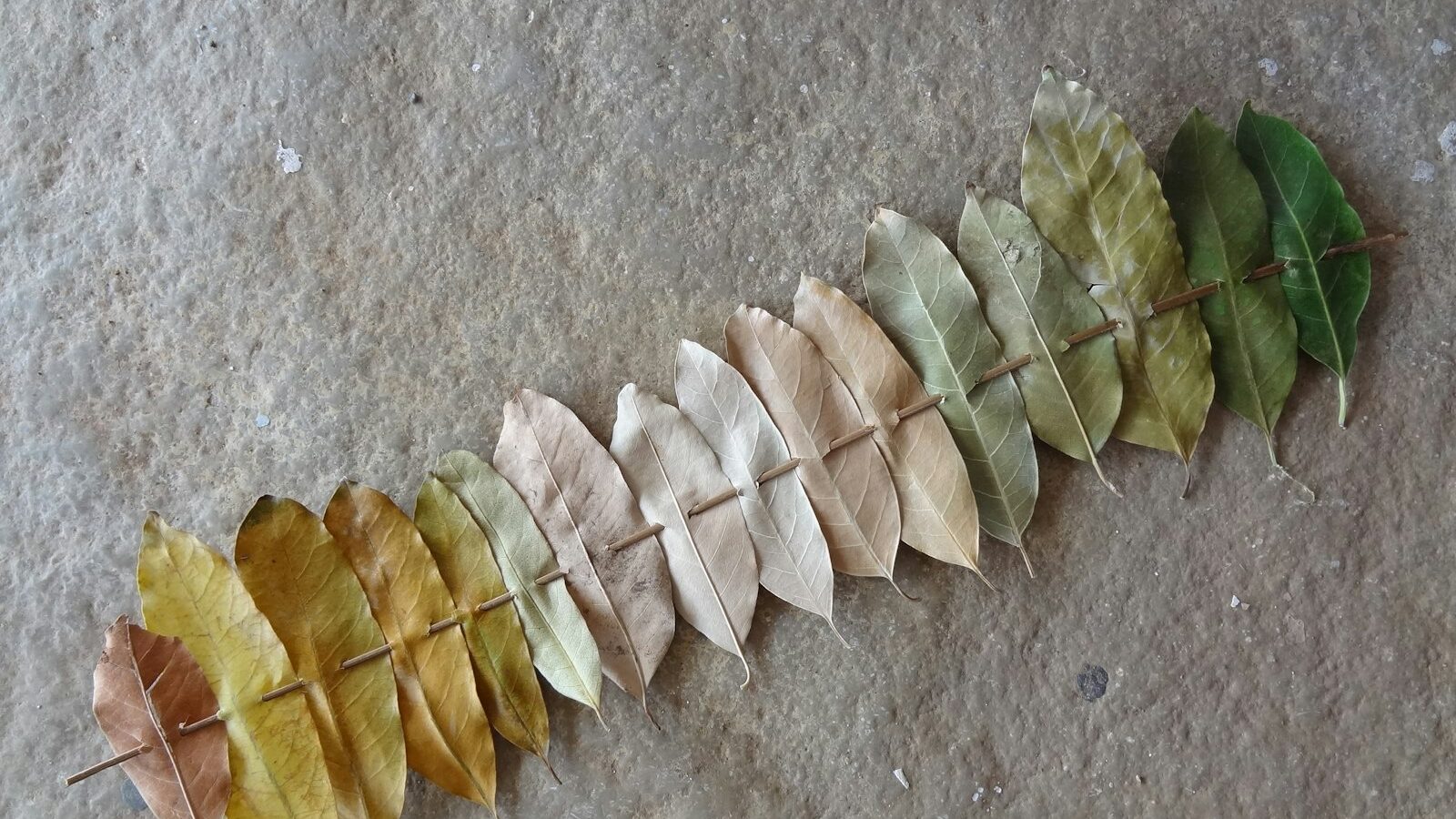
Leaf mold is the easiest, cheapest soil amendment you will ever make, and the only real ingredient is patience. It is not compost in the usual sense. Compost is driven by bacteria that run hot and fast on a balanced mix of greens and browns. Leaf mold is driven almost entirely by cold-loving fungi that slowly break down fallen leaves into a dark, crumbly, sweet-smelling material that looks and feels like the floor of an old forest. You do not feed it, you do not balance it, and you barely tend it. You pile up leaves, keep them damp, and walk away for a year or two. The result is a spongy humus that holds water like nothing else and transforms heavy clay and dusty sand alike.
Key Takeaways
- Leaf mold is made by fungi, not bacteria, so it works cold and slow with no green material needed.
- Shredding leaves with a mower cuts the timeline from 18–24 months down to 6–12 months.
- Keep the pile as damp as a wrung-out sponge at all times; dry leaves simply do not break down.
- Oak, beech, and holly leaves take longest; maple, ash, and fruit-tree leaves rot fastest.
- Finished leaf mold holds up to 500% of its weight in water and is an outstanding mulch, seed-starting base, and clay-buster.
What Leaf Mold Is and Why It Is Different From Compost
When you build a hot compost pile, you are recruiting bacteria. They consume a roughly 25- or 30-to-1 ratio of carbon to nitrogen (C:N), and they generate heat as they work, often pushing a well-built pile to 130–160°F. Fallen autumn leaves are almost pure carbon, with a C:N ratio anywhere from 40:1 to 80:1 depending on species. There is hardly any nitrogen for bacteria to feed on, which is exactly why a pile of leaves on its own will never heat up. Instead, a different crew shows up: fungi. Fungi are perfectly happy chewing through high-carbon material, and unlike bacteria they keep working at near-freezing temperatures. That is the whole secret of leaf mold. You are not trying to force a fast, hot bacterial cook; you are hosting a slow, cool fungal decay.
This distinction matters because it tells you what to do and, more importantly, what not to do. You do not need to add greens, blood meal, or manure to a leaf-mold pile. Adding them just turns the project into ordinary compost. You do not need to chase a temperature reading. And you do not need to turn it weekly to keep it aerobic. The trade-off is time: where finished compost can be ready in a couple of months, leaf mold takes anywhere from six months to two years.
The Three Core Variables: Surface Area, Moisture, and Air
Surface area (shredding)
Fungi attack the cut edges and surfaces of a leaf. A whole, intact leaf has very little exposed edge, and waxy-cuticled leaves like oak and holly shed water and resist colonization. The single biggest accelerator you control is shredding. Running leaves over with a lawn mower (ideally a mulching mower, or one fitted with a bag) before piling them can cut the timeline roughly in half. A pile of shredded leaves can finish in 6–12 months where the same leaves left whole would take 18–24. If you do not have a mower, a string trimmer in a clean trash can works, or a dedicated leaf shredder if you process large volumes every year.
Moisture
This is where most failed piles go wrong. Dry leaves do not decompose; they just sit there, sometimes for years. Your pile needs to stay consistently as damp as a wrung-out sponge, around 50–60% moisture. When you build the pile, wet it down layer by layer with a hose. In dry climates or under the eaves of a building, check it monthly and add water during dry spells. The flip side is that a soggy, anaerobic, water-logged heap will go slimy and sour, so the pile should drain freely and never sit in standing water.
Air
Fungi are aerobic, so the pile needs some oxygen, but far less fuss than a compost heap. You do not need to turn leaf mold to keep it alive. That said, turning the pile once or twice over its life, fluffing it and bringing the dry outer leaves into the damp middle, will speed things along and even out the decay. Think of turning as optional acceleration, not maintenance.
Three Methods, From Simplest to Fastest
Method 1: The wire-cage pile
Make a cylinder of hardware cloth or chicken wire about 3–4 feet across and 3–4 feet tall, supported by a few stakes. Fill it with leaves, wetting as you go, and tamp them down. A cage this size holds enough mass to keep the interior humid and lets the pile shed rain while still breathing through the sides. This is the classic approach and ideal if you have the leaves to fill it. Top it up as more leaves fall; the pile will sink dramatically over the first month as the leaves settle and begin to break down.
Method 2: The leaf-mold bag
For small yards, stuff shredded, dampened leaves into a heavy-duty plastic trash bag or a large woven feed sack. Tie it loosely, then punch a dozen holes in the sides and bottom with a fork for drainage and air. Stash it out of sight behind a shed. Check it every couple of months; if it feels dry, open it and add water. Black bags placed in a sunny spot warm up faster and can finish more quickly. The downside is that bags are more prone to going anaerobic, so the air holes and a moisture check matter.
Method 3: The accelerated bin
To get finished mold in under a year, combine every accelerator: shred the leaves first, build the pile at least 3x3x3 feet so it retains moisture and a little internal warmth, soak it thoroughly, and turn it two or three times across the season. Some gardeners sprinkle a few shovelfuls of finished compost or garden soil through the layers to inoculate the pile with fungal spores, which gives the colonization a head start. This is as fast as leaf mold gets without crossing the line into hot composting.
Which Leaves Work Best
Almost any deciduous leaf will eventually become leaf mold, but they are not equal. Fast rotters with thin tissue and lower C:N include maple, ash, birch, fruit trees, willow, and poplar; these can finish in a single year even left whole. Slow rotters are the tough, waxy, or tannin-rich leaves: oak, beech, sweet chestnut, holly, and magnolia. Oak and beech in particular can take two full years because their high tannin content suppresses microbial activity. If you have a lot of oak, shredding is not optional, it is essential. Avoid using leaves from walnut trees in large quantities, as they contain juglone, a compound that can inhibit sensitive plants; well-aged walnut leaf mold is generally fine, but keep it out of beds with tomatoes and other susceptible crops if you are unsure.
Keep diseased leaves out of the pile if you can identify them, since the cool fungal process will not reliably kill pathogens the way a hot compost pile can. Pine needles and evergreen leaves break down very slowly and acidify the mix; a small fraction is fine, but do not build a pile mostly from them.
How to Tell When It Is Done, and How to Use It
Leaf mold comes in two useful stages. After roughly 6–12 months it becomes “rough” leaf mold: the leaves have lost their structure, the pile is dark and crumbly but still shows some leaf fragments. After 18–24 months it becomes “fine” leaf mold: a dark brown, almost black, sweet-earth-smelling crumb with no recognizable leaves left. Both are useful.
Use rough leaf mold as a mulch around shrubs, perennials, and trees, where it suppresses weeds and locks in moisture, or dig it into beds as a clay-busting, structure-building amendment. Use fine leaf mold as a base for homemade seed-starting and potting mixes, where its water-holding capacity is unmatched, or sieve it for a luxurious top-dressing on lawns and containers. Leaf mold is not a fertilizer; its nutrient content is low. What it delivers is structure, moisture retention, and a thriving habitat for soil fungi and beneficial life, which is exactly what tired, compacted, or sandy soils crave. If you want to combine those benefits with the faster nutrient punch of a traditional heap, pair it with the techniques in our guide to making compost faster, and use both across your outdoor living beds.
Common Problems and Fixes
If the pile is bone dry and unchanged after months, it never had enough water; soak it thoroughly and keep it covered loosely to slow evaporation. If it smells sour or looks slimy and matted, it is too wet and airless; fork it open, let it drain, and mix in some dry leaves. If it is simply taking forever, you almost certainly skipped shredding or are working with oak and beech, in which case turning and a compost inoculant will help. And if voles or other critters nest in it over winter, a cage with smaller mesh or a quick turn in spring resolves it.
Frequently Asked Questions
How long does leaf mold take to make?
Whole leaves left in a pile take 18–24 months to become fine leaf mold. Shredding them first, keeping them consistently damp, and turning the pile a couple of times can bring rough, usable mold in 6–12 months. Oak and beech leaves are the slowest and may need the full two years.
Do I need to add anything to make leaf mold?
No. Leaf mold is a fungal process that needs only leaves, moisture, and time. You do not add greens, manure, or fertilizer, because doing so turns it into ordinary bacterial compost. The one optional addition is a few shovelfuls of finished compost or soil to introduce fungal spores and speed colonization.
Can I make leaf mold in a plastic bag?
Yes, and it is the best method for small yards. Fill a heavy trash bag with shredded, dampened leaves, tie it loosely, and punch a dozen drainage and air holes. Check the moisture every couple of months. Black bags in a sunny spot warm up and finish faster than a shaded pile.
Is leaf mold the same as compost?
No. Compost is a fast, hot, bacterial breakdown of balanced greens and browns and is nutrient-rich. Leaf mold is a slow, cool, fungal breakdown of high-carbon leaves and is low in nutrients but excellent for soil structure and water retention. They serve different purposes and complement each other well.
Which leaves should I avoid using for leaf mold?
Avoid large quantities of walnut leaves, which contain growth-inhibiting juglone, and skip any leaves you know are diseased, since the cool process will not kill pathogens. Pine needles and evergreen leaves rot very slowly and acidify the mix, so use only a small fraction of them.