

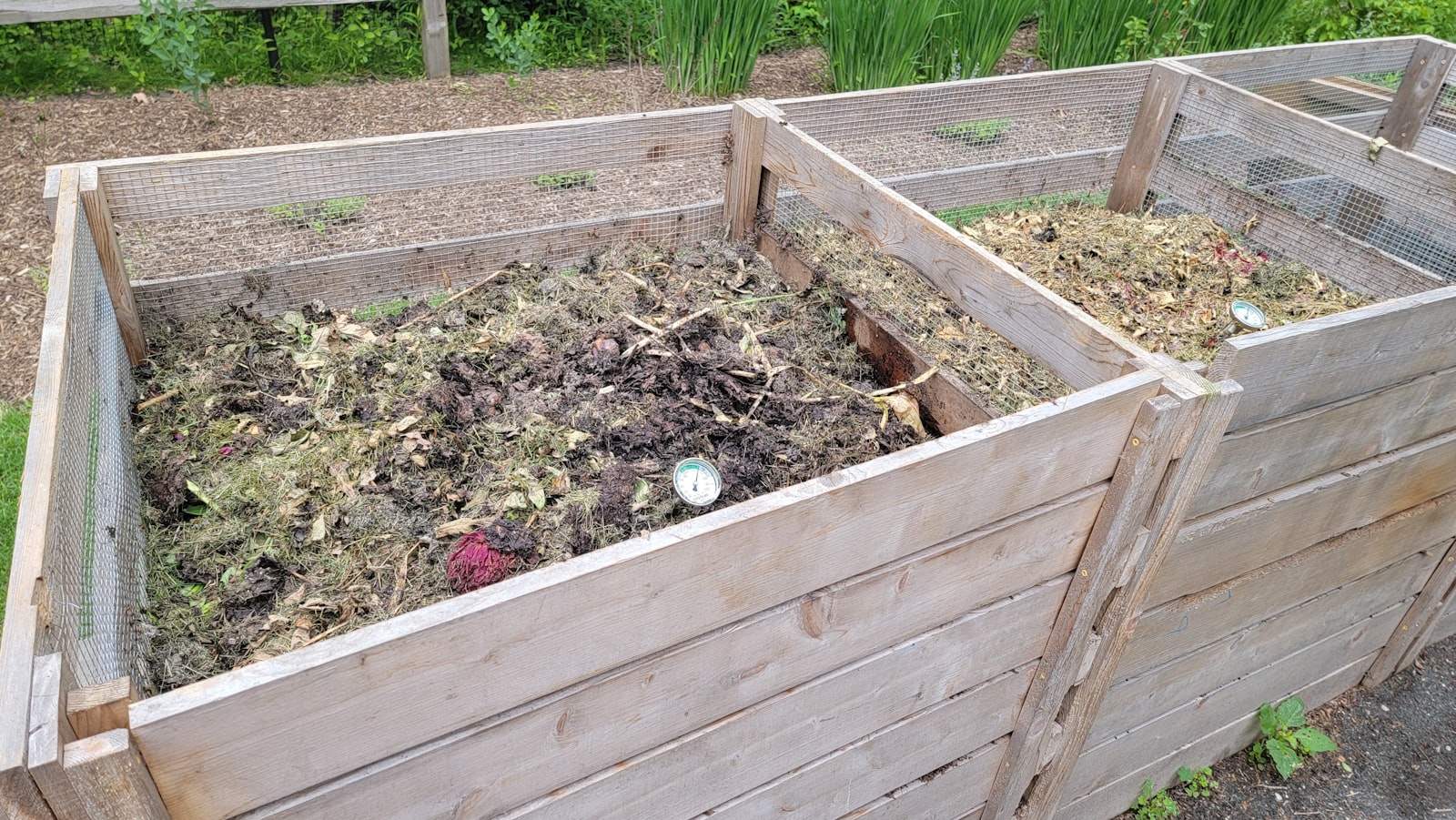
A neglected compost pile can take a full year to break down. A well-managed one can give you finished, crumbly compost in as little as three to six weeks. The difference is not luck or a magic additive, it is control of five variables: the balance of carbon to nitrogen, moisture, particle size, the size of the pile itself, and how often you turn it. Get those right and the pile heats up like an engine, hitting 130–160°F as billions of thermophilic bacteria multiply and consume your kitchen and yard waste. This guide walks through each lever so you can stop waiting on a cold, slow heap and start running a hot, fast one.
Part of our Composting & Soil guide →
In this guide
Key Takeaways
- Aim for a carbon-to-nitrogen ratio near 25–30:1, roughly 2–3 parts browns to 1 part greens by volume.
- Build the pile at least 3x3x3 feet so it retains the heat thermophilic bacteria need to reach 130–160°F.
- Keep moisture at wrung-out-sponge level (50–60%); too dry stalls, too wet goes anaerobic and smelly.
- Chop or shred materials small to expose surface area, the single easiest way to speed decomposition.
- Turning every 3–5 days re-oxygenates the pile and can produce finished compost in 4–6 weeks.
Variable 1: The Carbon-to-Nitrogen (C:N) Ratio
This is the heart of fast composting. The bacteria that drive a hot pile need carbon for energy and nitrogen to build proteins, and they work best when the food they eat sits around 25–30 parts carbon to 1 part nitrogen. Carbon comes from “browns”: dry leaves, straw, cardboard, shredded paper, sawdust, wood chips. Nitrogen comes from “greens”: grass clippings, vegetable scraps, coffee grounds, manure, fresh plant trimmings. Despite the names, it is not about color, it is about chemistry. Coffee grounds are brown but count as a green; dry leaves are the classic brown.
Because browns are far more carbon-dense than greens are nitrogen-dense, the practical rule of thumb is roughly 2 to 3 parts browns to 1 part greens by volume. Too much carbon (all leaves, no greens) and the pile sits cold and inert because the bacteria starve for nitrogen, exactly the slow situation that makes leaf mold take two years. Too much nitrogen (all grass clippings, no browns) and the pile goes slimy, anaerobic, and reeks of ammonia as excess nitrogen off-gasses. If your pile smells like ammonia, add browns. If it will not heat up and is full of brown material, add greens.
- High-nitrogen greens (rough C:N): grass clippings ~20:1, vegetable scraps ~15:1, coffee grounds ~20:1, fresh manure ~15:1.
- High-carbon browns (rough C:N): dry leaves ~50:1, straw ~80:1, cardboard ~350:1, sawdust ~500:1.
Variable 2: Pile Size and Heat Retention
A fast pile is a hot pile, and heat is a function of mass. Below about 3x3x3 feet (one cubic yard), a pile loses heat to the surrounding air faster than the bacteria can generate it, so it never reaches thermophilic temperatures. That cubic-yard minimum is the magic number: enough mass to insulate its own core while still letting you turn it. Going much larger than 5x5x5 feet starts to choke off air to the center, so very big piles need more frequent turning or built-in aeration. If you build the pile correctly, you should be able to slide a compost thermometer into the middle within a day or two and watch it climb past 120°F, then peak around 140–160°F. That heat is doing double duty: it speeds decomposition and it kills most weed seeds and pathogens.
Variable 3: Moisture
Bacteria live in the film of water coating each particle, so a pile that is too dry simply stops working. The target is 50–60% moisture, which feels like a wrung-out sponge: damp to the touch, but you cannot squeeze out a stream of water. As you build the pile, wet each layer of browns, which tend to be dry and to repel water at first. In a hot pile, the heat drives off moisture quickly, so check and re-wet at every turn during dry weather. The opposite failure, a soggy pile, drives out air and turns the process anaerobic; the tell-tale signs are a sour or rotten-egg smell and a slimy texture. Fix it by adding dry browns and turning to introduce air.
Variable 4: Particle Size
Decomposition happens on the surface of materials, so the more surface area you expose, the faster microbes can work. A whole cabbage stalk might take months; the same stalk chopped into one-inch pieces breaks down in days. Run dry leaves over with a mower, snap or chop woody prunings, tear cardboard into small pieces, and cut up large kitchen scraps. Shredding is arguably the second most powerful accelerator after the C:N ratio, and it costs you only a few minutes of prep. Do not over-pulverize everything to dust, though; a pile of pure fine particles compacts and loses air. A mix of mostly small pieces with some coarser, chunkier material keeps the structure open.
Variable 5: Turning and Aeration
Thermophilic bacteria are aerobic; they burn through the oxygen in the pile within a few days, and as oxygen drops, the pile cools and slows. Turning the pile with a fork, moving the cooler outer material into the hot center and fluffing everything to reintroduce air, is what keeps a fast pile fast. The classic schedule for the speediest compost is to turn every three to five days. Each turn typically triggers a fresh heat spike as the bacteria get a new supply of oxygen and fresh material to attack. After several cycles, the pile stops reheating after a turn, which is your signal that the active phase is finishing.
If turning a heavy pile every few days is more labor than you want, you can build passive aeration in: lay a base of coarse branches for airflow underneath, or push a few perforated pipes vertically into the pile. These reduce how often you must turn, though hand-turning is still the fastest route to finished compost.
Putting It Together: A 4–6 Week Hot Compost Recipe
Here is a workable plan that ties all five variables together. Gather your materials first so you can build the whole pile in one go, which is key, hot composting works best as a single large batch rather than something you add to daily.
- Collect roughly 2–3 parts browns to 1 part greens by volume, enough to build at least a full cubic yard.
- Shred or chop everything: mow the leaves, tear the cardboard, chop the kitchen and garden waste.
- Build the pile in layers, alternating browns and greens, watering each brown layer to wrung-out-sponge dampness.
- Within 24–48 hours, check the core temperature; it should be climbing toward 130–160°F.
- Turn the pile every 3–5 days, moving outside to inside, re-wetting as needed each time.
- After 4–6 weeks the pile stops reheating, shrinks by half or more, and smells of sweet earth. Let it cure for a couple of weeks, then use it.
Finished compost is dark, crumbly, and smells like a forest floor, with no recognizable food scraps left. Spread it as a soil amendment, top-dress beds and containers, or brew it into compost tea. For more ways to build healthy soil and beds across your yard, browse the outdoor living hub.
Frequently Asked Questions
What is the fastest way to make compost?
Build a single batch of at least one cubic yard with a 2–3:1 ratio of shredded browns to greens, wet it to wrung-out-sponge dampness, and turn it every 3–5 days. This hot-composting method reaches 130–160°F and can produce finished compost in 4–6 weeks instead of a year.
Why won’t my compost pile heat up?
The two usual causes are too little nitrogen and too small a pile. Add greens like grass clippings, vegetable scraps, or manure to fix the C:N balance, and make sure the pile is at least 3x3x3 feet so it can retain heat. A pile that is too dry will also stay cold, so check the moisture too.
How often should I turn my compost?
For the fastest results, turn every 3–5 days, which re-oxygenates the pile and triggers a fresh heat spike each time. If you turn less often, the pile still composts but more slowly. When a turn no longer causes the pile to reheat, the active phase is finished.
What does a good carbon-to-nitrogen ratio look like in practice?
Aim for an overall C:N near 25–30:1, which in practice means roughly 2–3 parts browns (dry leaves, straw, cardboard) to 1 part greens (grass, scraps, coffee grounds) by volume. If the pile smells of ammonia, add browns; if it stays cold and woody, add greens.
Can I add anything to speed up composting?
You do not need a commercial “compost accelerator.” The real accelerators are free: shredding materials for surface area, balancing the C:N ratio, keeping the pile damp, and turning often. A few shovelfuls of finished compost or rich garden soil will introduce microbes and give a new pile a head start.