

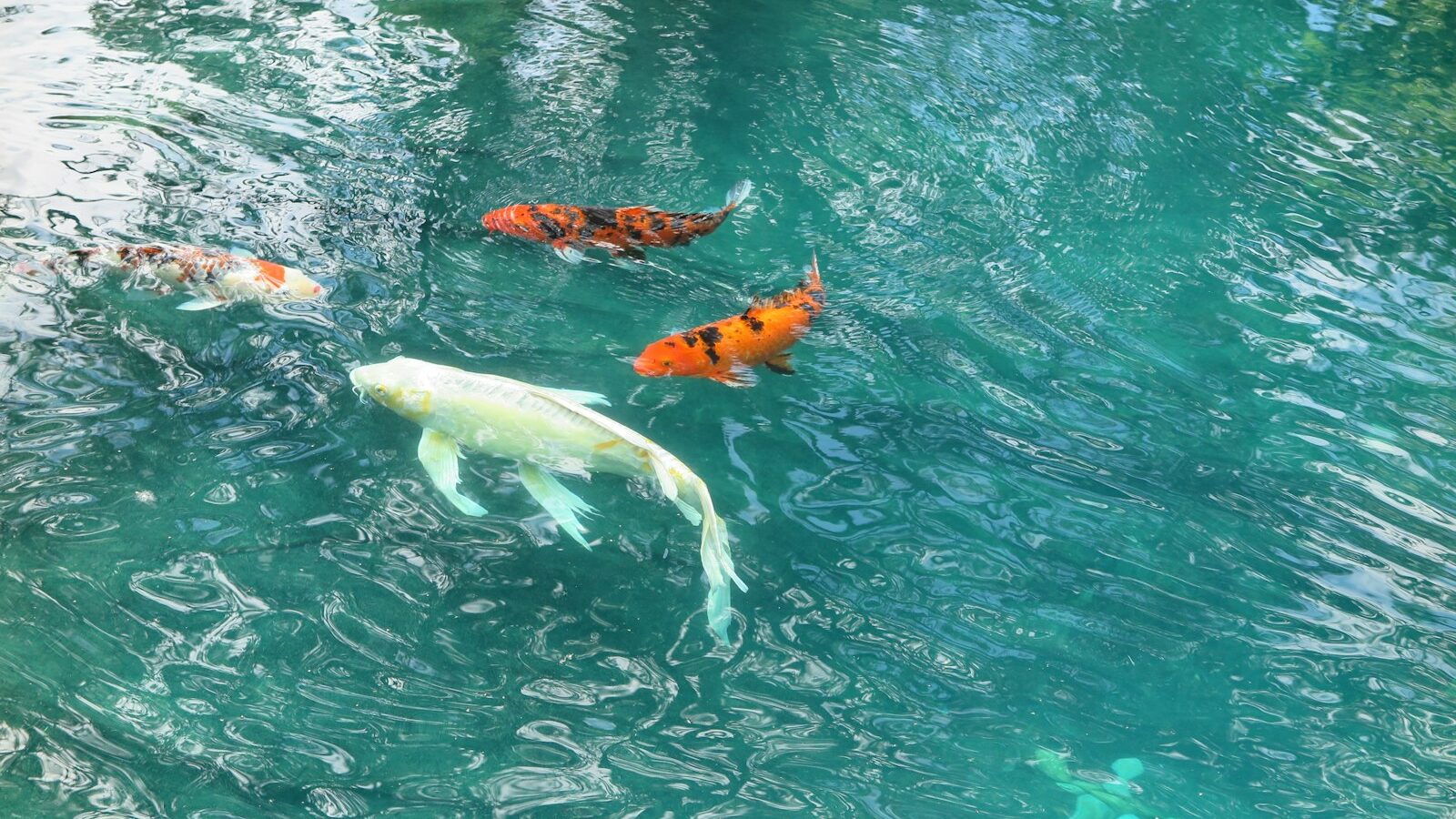
Few things are more frustrating than building a beautiful backyard pond, only to watch it turn pea-soup green or murky brown within weeks. The good news: clear water is almost always a sign of a balanced ecosystem, and you can get there naturally without dumping harsh chemicals every weekend. This guide explains exactly why pond water loses clarity and walks you through the proven, low-maintenance fixes that keep it clean for good.
Key takeaways
- Green water = algae from excess nutrients + sun
- Plants & beneficial bacteria starve algae
- A UV clarifier clears green water fast
- Don’t overstock or overfeed fish
- Right-sized filtration is the foundation
As an Amazon Associate we earn from qualifying purchases.
Why pond water goes green or murky
A pond is a living system, and cloudy or colored water is its way of telling you something is out of balance. In nearly every case, the root cause is excess nutrients, specifically nitrogen and phosphorus, that feed algae and bacteria faster than your pond can process them. Sunlight provides the energy, and warm summer temperatures speed everything up.
Here are the most common sources of that nutrient overload:
- Algae blooms from a combination of bright sun and dissolved nutrients.
- Overstocking fish, which adds more waste than the pond can handle.
- Overfeeding, since uneaten food rots and releases nutrients directly into the water.
- Organic debris such as fallen leaves, grass clippings, and dead plant matter breaking down on the bottom.
- Poor or undersized filtration that can’t keep pace with the bioload.
- Runoff and fertilizer from nearby lawns and garden beds washing in after rain.
Once you understand that water clarity is downstream of nutrient balance, the fixes below make a lot more sense. If you are still in the planning stages, our pillar guide on how to build a backyard pond covers sizing and placement decisions that prevent many of these problems before they start.
Green water vs. cloudy or brown water
Before you treat anything, identify which problem you actually have. The two main types look different and call for different fixes.
Green water (free-floating algae)
If your water looks like green paint and you can’t see more than an inch or two down, you have a suspended algae bloom. These are microscopic single-celled algae floating throughout the water column. They thrive on sunlight and dissolved nutrients, and they multiply explosively in late spring and summer. Green water is harmless to fish in most cases but unsightly, and it is the problem a UV clarifier solves almost instantly.
Cloudy or brown water
Gray, white, or milky cloudiness usually means suspended particles, a bacterial bloom, or stirred-up debris, often seen in new ponds or after cleaning. Brown or tea-colored water typically comes from stirred-up sediment, decaying leaves releasing tannins, or fish digging at the bottom. Unlike green water, cloudiness rarely responds to UV light. Instead it needs better mechanical filtration, beneficial bacteria, and time to settle. For a deeper dive on the algae side specifically, see our guide on how to get rid of pond algae.
Start with right-sized filtration and circulation
Filtration is the foundation of clear water, and it is the single most common thing hobbyists get wrong. An undersized filter or weak pump simply can’t keep up, no matter what else you do.
- Circulate the whole volume hourly. Your pump should move at least the entire pond volume once per hour. For a 1,000-gallon pond, that means a pump rated for at least 1,000 gallons per hour.
- Combine mechanical and biological filtration. Mechanical media (pads, brushes) trap debris; biological media (bio-balls, ceramic rings) house the bacteria that break down waste.
- Size up for fish. Heavily stocked or koi ponds need a filter rated well above the pond’s gallons, since fish dramatically increase the bioload.
- Keep water moving. Stagnant areas grow algae and go anaerobic. A waterfall, fountain, or aerator improves oxygen and circulation.
If you are shopping, our roundup of the best pond filters compares pressurized, gravity, and all-in-one units by pond size. Many pond keepers also choose a combo unit that bundles a filter with a built-in pond UV clarifier, which handles both filtration and green water in one box.
Free, no-obligation quote · Connect with a local pro
Add plants to shade water and starve algae
Plants are your most powerful natural ally. They compete with algae for the exact same nutrients, and floating or surface plants shade the water, cutting off the sunlight algae need to bloom.
Aim for 40 to 60 percent surface coverage
Covering roughly half your pond’s surface with plants dramatically reduces algae by limiting light and absorbing nutrients. Use a mix of plant types for the best effect:
- Floating plants like water lettuce, water hyacinth, and frogbit shade the surface and soak up nutrients fast (check local regulations, as some are invasive in warmer states).
- Surface plants such as water lilies and lotus provide shade and beauty while keeping water cooler.
- Submerged oxygenators like hornwort and anacharis grow underwater and pull nutrients straight from the water column.
- Marginal plants around the edges, including iris, rush, and pickerel, act as natural filters for incoming runoff.
Plants take a few weeks to establish, so they are a long-term solution rather than an instant fix. But once they fill in, they keep nutrient levels low enough that algae simply can’t get a foothold.
Use beneficial bacteria and barley straw
Two natural treatments round out your nutrient-control toolkit, and both are safe for fish, plants, and wildlife.
Beneficial bacteria
Beneficial bacteria break down fish waste, uneaten food, and decaying debris, converting them into less harmful compounds and reducing the nutrient supply that feeds algae. They also help clear the sludge that builds up on the pond floor. Dose regularly during the warm season, especially after cleaning or a water change, when your established bacterial colonies may be depleted. A quality beneficial bacteria product is one of the cheapest, most effective tools for long-term clarity.
Barley straw
As barley straw slowly decomposes, it releases compounds that inhibit new algae growth. It is gentle, natural, and works best as a preventative measure rather than a cure for an existing bloom. You can float a mesh bale or use a concentrated barley straw extract for faster results. Add it in early spring before algae season kicks off, and remember it suppresses new growth rather than killing what is already there.
Install a UV clarifier for green water
If you have a stubborn green-water bloom and want fast results, a UV clarifier is the most reliable solution. Water passes through a chamber where ultraviolet light clumps the free-floating algae cells together so your filter can trap them. Most ponds clear up within a few days to a couple of weeks.
- Match the wattage to your pond. Roughly 5 to 10 watts per 1,000 gallons is a common starting point; oversize slightly for sunny ponds.
- Install it after the filter. The UV unit works best on already-filtered water so debris doesn’t shadow the algae from the light.
- Replace the bulb annually. UV output fades long before the bulb stops glowing, so swap it each season.
- It targets green water only. A clarifier does nothing for string algae or cloudy/brown water, so diagnose first.
A UV clarifier treats the symptom fast, but you still need plants, bacteria, and good filtration to fix the underlying nutrient problem. Otherwise the bloom returns the moment the bulb wears out.
Free, no-obligation quote · Connect with a local pro
Reduce fish load, feeding, and debris
The most overlooked clarity fixes cost nothing. They simply involve reducing the nutrients going into the pond in the first place.
Don’t overstock
A good rule of thumb is no more than 1 inch of fish per 10 gallons of water, and koi need far more room than that. Overstocked ponds produce more waste than any filter or bacteria can keep up with, and green or cloudy water is often the first warning sign.
Feed less than you think
Feed only what your fish can finish in two to three minutes, once a day or less. Uneaten food sinks, rots, and becomes pure algae fuel. In a well-planted pond, fish forage naturally and need very little supplemental feeding at all.
Remove debris and avoid too much tap water
Skim leaves before they sink, net the pond in fall, and clear sludge from the bottom each season. And go easy on the garden hose: tap water is often loaded with nutrients and minerals, and large top-ups can trigger a fresh algae bloom while also stressing fish with chlorine. Top up in small amounts, dechlorinate, and fix evaporation issues at the source. For a full seasonal routine, follow our pond maintenance guide.
Frequently asked questions
How long does it take to clear green pond water naturally?
With a UV clarifier, expect noticeable improvement in 3 to 7 days and full clarity within two weeks. Using only plants and beneficial bacteria, it can take three to six weeks as the ecosystem balances, so combine methods for the fastest, most lasting results.
Is green pond water harmful to fish?
Usually not. Suspended algae is generally harmless and even provides some food and shade. The bigger risk is a sudden algae die-off, which can crash oxygen levels overnight, so address blooms gradually rather than killing all the algae at once.
Why is my pond water cloudy but not green?
Cloudy gray or white water is typically a bacterial bloom or suspended particles, common in new ponds or after cleaning. Brown water usually means stirred-up sediment or tannins from leaves. These respond to mechanical filtration, beneficial bacteria, and time, not to UV light.
Will a UV clarifier fix all my algae problems?
No. A UV clarifier only kills free-floating green-water algae. It does nothing for string algae clinging to rocks or for cloudy and brown water. You still need plants, good filtration, and reduced nutrients to keep the pond clear long-term.
Can I keep pond water clear without any chemicals?
Yes. A balanced ecosystem with 40 to 60 percent plant coverage, right-sized filtration, beneficial bacteria, sensible fish stocking, and minimal feeding will stay clear naturally. A UV clarifier is an electrical device, not a chemical, and pairs well with this fully natural approach.
Featured project by Gensou Aquascaping
Want a pro to fix your pond?
Compare free, no-obligation quotes from vetted local pond pros near you.