

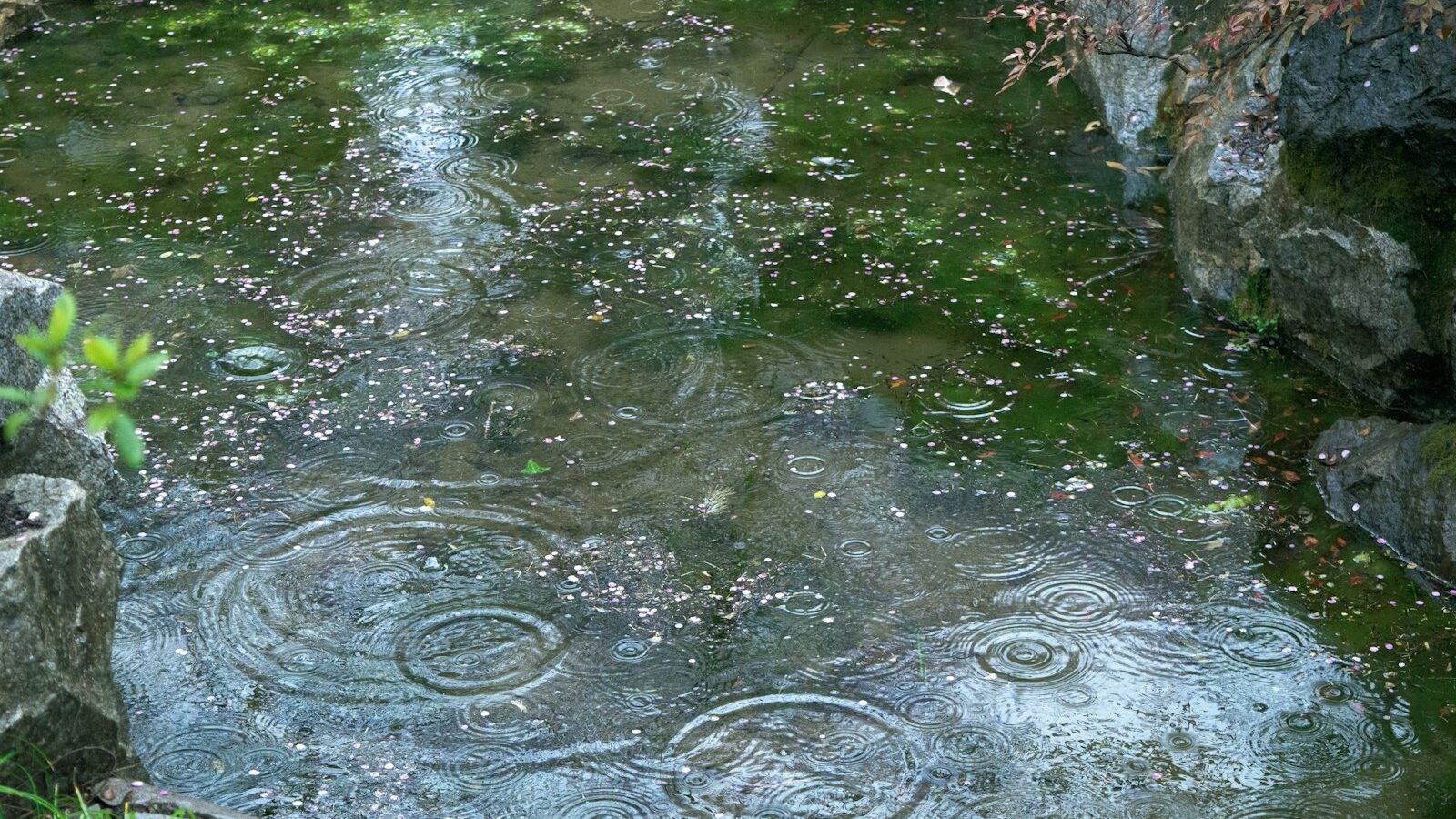
If your once-clear pond has turned into pea soup or grown a beard of stringy green slime, you are dealing with algae, and the good news is that it is almost always fixable. Algae is not a disease so much as a symptom of too many nutrients and too much light. In this guide you will learn how to get rid of pond algae the right way, by correcting the underlying balance instead of reaching for harsh quick fixes.
Some links in this article are affiliate links. As an Amazon Associate we earn from qualifying purchases, at no extra cost to you.
Key takeaways
- Algae thrives on excess nutrients and sunlight, so lasting control means reducing both, not just killing what you can see.
- Green water (free-floating algae) responds best to a UV clarifier and shade, while string algae is removed by hand and starved out with plants.
- Avoid harsh chemical algaecides and full pond drains, which damage your ecosystem and almost always lead to a worse rebound bloom.
Why Pond Algae Blooms in the First Place
Algae are simple aquatic plants, and like all plants they need just two things to explode in growth: nutrients and light. When both are abundant, algae outcompete everything else. Understanding these two drivers is the key to every fix that follows.
The main nutrient sources in a typical backyard pond are uneaten fish food, fish waste, decaying leaves, lawn fertilizer runoff, and grass clippings. These break down into nitrogen and phosphorus, which are exactly what algae feed on. Add a sunny location with no shade, and you have created ideal algae conditions.
This is why new ponds and recently cleaned ponds so often go green. Without established plants and beneficial bacteria to compete for nutrients, algae get a head start. The fix is rarely to attack the algae directly. Instead, you starve it of nutrients and shade it out.
The Two Types of Pond Algae
Green water (free-floating algae)
Green water is caused by microscopic single-celled algae suspended throughout the water. It turns the whole pond a cloudy green and can appear seemingly overnight in warm, sunny weather. You usually cannot net it out because the cells are too small. This type responds best to a UV clarifier, shade, and nutrient reduction.
String algae (filamentous algae)
String algae, also called blanketweed or hair algae, forms long green strands that cling to rocks, waterfalls, and plant baskets. It can build into thick mats. Unlike green water, you can physically remove string algae by hand or with a brush, and a UV clarifier will not affect it because it is attached rather than free-floating.
How to Get Rid of Pond Algae: Step by Step
Work through these steps in order. Most ponds need a combination of several, not just one, to reach lasting clarity.
1. Add shade with floating plants
Reducing direct sunlight is one of the fastest ways to slow algae. Aim to cover roughly 40 to 60 percent of the surface with floating-leaf plants. Water lilies are ideal because their pads shade the water while their roots also draw up nutrients. Floating plants like water hyacinth or water lettuce work well in warm climates too.
2. Plant oxygenators and marginals
Submerged oxygenating plants such as hornwort, anacharis, and elodea compete directly with algae for the same dissolved nutrients. Marginal plants around the edges, like iris, rush, and pickerelweed, do the same. The more your pond is planted, the less food is left over for algae.
3. Reduce feeding and fish load
Overfeeding is the single most common cause of green water. Feed only what your fish can finish in two to three minutes, and skip feeding entirely when water is cold and fish are inactive. If you have crowded a small pond with too many fish, their waste alone may overwhelm the system. As a general guideline, keep stocking modest, especially in ponds without strong filtration.
4. Remove debris and muck
Decaying organic matter at the bottom is a constant nutrient factory. Net out fallen leaves before they sink, trim dying plant foliage, and use a pond vacuum or net to clear sludge from the floor. Catching leaves in autumn with a pond net prevents a huge nutrient load the following spring.
5. Install a UV clarifier for green water
For stubborn green water, a UV clarifier is the most reliable tool. Water is pumped past an ultraviolet bulb, which clumps the free-floating algae cells together so your filter can trap them. Sized correctly for your pond volume and flow rate, it can clear pea-soup water within days. Note that it only treats green water, not attached string algae.

UV clarifier
For persistent green water, a correctly sized UV clarifier clears free-floating algae fast.
6. Try barley straw for gentle, ongoing control
Barley straw is a slow, natural option. As it breaks down it releases compounds that inhibit new algae growth. It will not clear an existing bloom overnight, but added in spring it helps prevent one. Use it as a preventive measure alongside the steps above, not as an emergency cure.
7. Do partial water changes
Swapping out 10 to 20 percent of the water dilutes the nutrients feeding the algae. Do this gradually rather than all at once, and if you use tap water, let it sit or use a dechlorinator to protect fish and beneficial bacteria. Regular small changes are far safer than one large one.
What NOT to Do
- Do not reach for harsh chemical algaecides first. They kill algae quickly, but the mass of dying algae then rots, spikes nutrients, and often triggers a bigger bloom while stressing fish.
- Do not fully drain and scrub the pond. This wipes out the beneficial bacteria and plant balance you need, leaving a sterile pond that turns green again within weeks.
- Do not over-treat. Dumping in multiple products at once can crash your oxygen levels and harm fish. Make one change at a time and give it a week or two.
How to Prevent Algae Long Term
The healthiest ponds rarely fight algae because they are balanced from the start. Keep these habits going:
- Maintain generous plant coverage, especially shade-giving lilies and nutrient-hungry oxygenators.
- Feed fish sparingly and stock conservatively for your pond volume.
- Remove leaves and debris promptly, and net the pond in autumn.
- Keep filtration and a properly sized pump running so water stays moving and oxygenated. If you are choosing equipment, see our guide to the best pond pumps.
- Test occasionally and address nutrient sources like fertilizer runoff from nearby lawns.
If you are planning a new pond from scratch, building it with the right depth, planting, and circulation in mind prevents most algae problems before they begin. Our walkthrough on how to build a backyard pond covers those design fundamentals, and you can find more guides in our water gardens & ponds section.
Frequently asked questions
Why does my pond keep turning green?
Recurring green water means nutrients and light are still in excess. The usual culprits are overfeeding, too many fish, decaying debris, or not enough shade and plants. Until you reduce those nutrient sources and add coverage, the algae will keep coming back no matter how often you treat it.
How long does it take to clear pond algae?
A UV clarifier can clear green water in a few days to two weeks. Nutrient and plant-based fixes work more gradually over several weeks, but they produce the most stable, long-lasting clarity.
Is pond algae harmful to fish?
Most algae is harmless and even provides food and oxygen during the day. The risk comes at night or during a sudden die-off, when decaying algae consumes oxygen. Keeping the pond aerated and not letting blooms get extreme protects your fish.
Will adding more fish help control algae?
No. More fish means more waste and more nutrients, which feeds algae rather than reducing it. Plants and nutrient control are what bring lasting balance, not additional livestock.
Does a small amount of algae mean my pond is unhealthy?
Not at all. A thin film of algae on rocks and liner is normal and even beneficial. The goal is balance, not a sterile pond, so do not panic over a little green.