

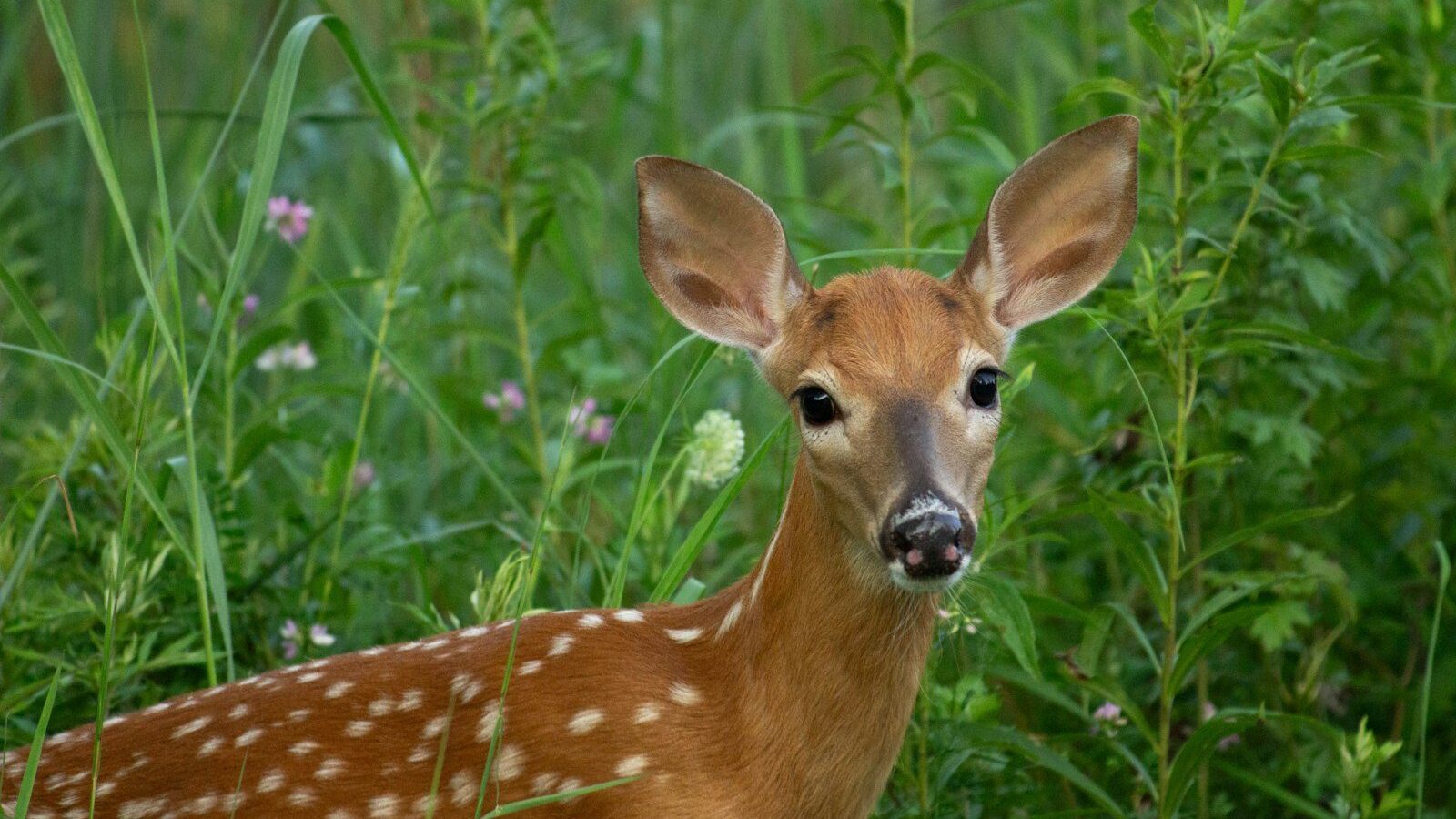
No shrub is truly deer-proof, but plenty are deer-resistant: deer usually pass them by because the leaves are aromatic, fuzzy, spiny, leathery or toxic. The most reliable choices include boxwood, Japanese pieris, barberry alternatives like spirea and potentilla, aromatic shrubs such as lavender and Russian sage, and tough evergreens like juniper, spruce and Japanese plum yew. What deer avoid in one region can be browsed in another, and hungry deer in a hard winter will eat almost anything, so the best strategy is to plant mostly resistant species and protect young plants for the first couple of years. Below are deer-resistant shrubs and bushes sorted by evergreen versus flowering, sun versus shade, with USDA zones and mature sizes, plus the plants deer love that you should avoid.
Part of our Pest Control guide →
Key Takeaways
- Deer tend to avoid plants with strong scents, fuzzy or leathery leaves, spines, or toxic sap.
- Boxwood, pieris, juniper, spruce, Japanese plum yew and inkberry holly are among the most dependable deer-resistant evergreens.
- For flowers, look to spirea, potentilla, butterfly bush, abelia, bluebeard, Russian sage, lavender and many viburnums.
- Avoid arborvitae, yew, hostas, azaleas, rhododendrons and hydrangeas where deer pressure is high; they are deer favorites.
- Protect new plantings with fencing or repellents for the first one to two seasons, even for resistant species.
Why Deer Avoid Some Shrubs
Deer are browsers with sensitive noses and tongues. They prefer tender, smooth, nitrogen-rich foliage and avoid plants that taste bitter, smell strongly, or feel unpleasant. Aromatic oils (lavender, rosemary, Russian sage, bayberry), fuzzy or hairy leaves (potentilla, some viburnums), leathery or spiny leaves (holly, mahonia), and toxic compounds (boxwood, pieris, daphne) all deter browsing. Resistance varies by region, local herd size, and season. Rutgers Cooperative Extension and many state extension services publish deer-resistance ratings; check yours for local experience.
Deer-Resistant Evergreen Shrubs
| Shrub | USDA zones | Mature size | Light |
|---|---|---|---|
| Boxwood (Buxus) | 5 to 9 | 2 to 8 ft, variety dependent | Sun to part shade |
| Japanese pieris | 5 to 8 | 4 to 10 ft | Part shade |
| Japanese plum yew (Cephalotaxus) | 6 to 9 | 2 to 10 ft | Part to full shade |
| Inkberry holly (Ilex glabra) | 4 to 9 | 3 to 8 ft | Sun to part shade |
| Juniper (shrub and spreading types) | 3 to 9 | 1 to 10 ft | Full sun |
| Dwarf spruce (Picea glauca ‘Conica’ and others) | 2 to 7 | 3 to 10 ft | Full sun |
| Leatherleaf mahonia and Oregon grape | 5 to 9 | 3 to 8 ft | Part to full shade |
| Rosemary | 7 to 10 | 2 to 6 ft | Full sun |
Boxwood
Boxwood is the classic deer-resistant evergreen for hedges, edging and foundation plantings. Its leaves contain alkaloids that deer avoid. It tolerates shearing and grows in sun to part shade. Where boxwood blight or box tree moth is a problem, choose resistant cultivars such as ‘NewGen Independence’ or ‘Green Velvet’ and keep good airflow. Our boxwood growing guide covers planting and pruning.
Japanese plum yew
If you love the look of yew but deer devour yours, plum yew is the swap. It has soft, needle-like foliage, handles shade and heat better than true yews, and is rarely browsed. Upright forms like ‘Fastigiata’ make narrow accents; spreading forms like ‘Duke Gardens’ cover ground under trees.
Pieris and inkberry
Japanese pieris offers glossy leaves, red new growth and drooping clusters of white or pink flowers in early spring, and its toxic foliage keeps deer away. It wants acidic, well-drained soil and part shade. Inkberry holly is a native evergreen that serves as a deer-resistant boxwood substitute in wet or acidic soils; compact cultivars like ‘Shamrock’ and ‘Gem Box’ stay under 4 feet.
Junipers and spruces
Prickly, resinous conifers are generally left alone. Spreading junipers like ‘Blue Rug’ cover sunny slopes, while upright types screen. Dwarf Alberta spruce and globe blue spruce provide year-round structure. Arborvitae, by contrast, is a deer favorite and gets stripped bare in many suburbs; choose junipers, spruces or ‘Green Giant’ arborvitae, which is reported to be less palatable than eastern arborvitae, though not immune.
Deer-Resistant Flowering Shrubs
| Shrub | USDA zones | Bloom time | Light |
|---|---|---|---|
| Spirea | 3 to 8 | Late spring to summer | Full sun |
| Potentilla | 2 to 7 | June to frost | Full sun |
| Butterfly bush (sterile cultivars) | 5 to 9 | Summer to fall | Full sun |
| Bluebeard (Caryopteris) | 5 to 9 | Late summer | Full sun |
| Russian sage (Perovskia) | 4 to 9 | Summer | Full sun |
| Lavender | 5 to 9 | Early summer | Full sun |
| Glossy abelia | 6 to 9 | Summer to fall | Sun to part shade |
| Viburnum (many species) | 3 to 8 | Spring | Sun to part shade |
| Bottlebrush buckeye | 4 to 8 | Early summer | Part shade |
| Daphne | 4 to 9 | Late winter to spring | Part shade |
For full sun
Spirea is one of the most dependable deer-resistant flowering shrubs, with pink or white blooms and compact habits; ‘Double Play’ and ‘Little Princess’ stay 2 to 3 feet. Potentilla blooms almost all summer in yellow, white, pink or orange and thrives in cold, dry sites. Russian sage, lavender and bluebeard are aromatic and draw pollinators. Choose seedless or sterile butterfly bush cultivars such as the Lo and Behold series, since the species can self-seed invasively in some regions.
For part shade
Many viburnums, especially those with fuzzy or leathery leaves such as arrowwood, doublefile and leatherleaf viburnum, are rated deer-resistant and offer spring flowers, berries for birds and fall color. Bottlebrush buckeye, a native, forms colonies with tall white flower spikes in midsummer. Fragrant daphne blooms in late winter and is highly toxic to deer, though it can be short-lived and needs perfect drainage. Oakleaf hydrangea is sometimes listed as less palatable than bigleaf hydrangea, but deer still browse it in many areas.
Native and wildlife-friendly options
Northern bayberry, American beautyberry (mostly ignored once established), sweetfern, spicebush and summersweet (Clethra) are native shrubs with good deer resistance in many regions. They also support pollinators and birds, which makes them a strong choice for naturalistic plantings.
Low Shrubs for Edging and Borders
Front-of-border spots are where deer browse most, because they are easy to reach from lawns and paths. For plants under 3 feet, rely on dwarf boxwood such as ‘Green Mound’ or ‘Sprinter’, ‘Gem Box’ inkberry, ‘Little Princess’ spirea, compact potentilla, dwarf lavender like ‘Hidcote’, ‘Blue Star’ juniper and dwarf Russian sage such as ‘Little Spire’. Plant them in drifts of three to five, spaced at about two-thirds of their mature width, so they knit into a continuous low hedge within two or three seasons.
Regional Picks
Deer resistance and hardiness both depend on where you garden, so narrow the list by region before you shop.
- Northeast and upper Midwest (zones 3 to 6): spirea, potentilla, dwarf spruce, juniper, inkberry, arrowwood viburnum, bayberry and boxwood in sheltered spots. Deer pressure here is often severe, so plan on protecting anything new.
- Mid-Atlantic and Ohio Valley (zones 6 to 7): Japanese plum yew, pieris, leatherleaf mahonia, abelia, bluebeard, daphne and bottlebrush buckeye all do well.
- Southeast (zones 7 to 9): plum yew, abelia, rosemary, American beautyberry, wax myrtle and Florida anise are common deer-tolerant choices for heat and humidity.
- Texas and the Southwest (zones 7 to 10): rosemary, Texas sage (Leucophyllum), agarita, lavender in well-drained soil, and junipers handle heat, drought and browsing.
- Pacific Northwest and Northern California (zones 7 to 9): Oregon grape, pieris, rosemary, manzanita, ceanothus in many areas, and evergreen huckleberry are widely planted in deer country.
Is It Really Deer Damage?
Before you replant, confirm the culprit. Deer have no upper front teeth, so they tear rather than clip, leaving ragged, torn stem ends, usually between about 2 and 6 feet off the ground. Rabbits leave clean, angled 45-degree cuts low to the ground, typically below 2 feet. Look for hoof prints, droppings in pellet piles, and bark scraped from young trunks in fall where bucks have rubbed. If the damage is low and neatly clipped, a short chicken-wire fence will stop rabbits and a deer-resistant shrub list will not help.
Shrubs Deer Love (Avoid These)
- Eastern arborvitae (Thuja occidentalis)
- Yew (Taxus)
- Azaleas and most rhododendrons
- Bigleaf and panicle hydrangeas
- Roses, except some rugosa types
- Euonymus, including burning bush
- Hostas and daylilies in mixed beds
- Fruit trees and shrubs like blueberries
If you already have these plants, protect them with fencing or repellents rather than ripping them out. Our guide on how to keep deer out of your garden covers practical options.
Planting Tips for Deer Country
- Protect new plants: even resistant shrubs taste good when freshly planted and full of nursery fertilizer. Cage them with wire or apply repellent for the first one to two growing seasons.
- Plant resistant shrubs at the perimeter: use prickly, aromatic or toxic shrubs as a barrier along property edges and plant more vulnerable plants closer to the house.
- Group plantings: dense masses of deer-resistant shrubs are less inviting than scattered specimens.
- Avoid fertilizing heavily: lush, nitrogen-rich growth is more attractive to deer.
- Rotate repellents: deer adapt to one scent. Alternate between odor-based and taste-based products every few weeks; see our picks for the best deer repellents.
- Fence when pressure is severe: an 8-foot fence is the only reliable exclusion. Double fences or angled fences can work at lower heights.
Design Ideas Using Deer-Resistant Shrubs
For a foundation planting in full sun, combine boxwood or inkberry as a low evergreen base with spirea and potentilla for summer color, and Russian sage or lavender at the corners. For a shady side yard, use Japanese plum yew and mahonia for evergreen structure, with pieris and viburnum for spring flowers. For a sunny slope, plant spreading junipers with clumps of bluebeard and ornamental grasses. Add deer-resistant perennials such as catmint, salvia, yarrow and ornamental onions to fill gaps. Our flowers and perennials hub has more deer-tolerant planting combinations.
When to Plant
Plant shrubs in early fall or spring. Fall planting, about six weeks before the ground freezes, lets roots grow in cool, moist soil and gives shrubs a head start the next spring. Water deeply once or twice a week for the first season and spread 2 to 3 inches of mulch, keeping it a few inches from stems. Fall is also when deer are most active and bucks rub antlers on young trunks, so protect new shrubs with cages through winter.
Frequently Asked Questions
What evergreen shrub will deer not eat?
Boxwood, Japanese pieris, Japanese plum yew, juniper, spruce and mahonia are among the most reliably deer-resistant evergreens. Avoid arborvitae and yew where deer are common.
Are hydrangeas deer resistant?
Generally no. Bigleaf and panicle hydrangeas are frequently browsed. Oakleaf hydrangea is sometimes less damaged, but protection is still wise in high-pressure areas.
What flowering shrubs do deer avoid?
Spirea, potentilla, butterfly bush, bluebeard, Russian sage, lavender, abelia, daphne and many viburnums are commonly rated deer-resistant.
Is there a fast-growing deer-resistant privacy shrub?
Upright junipers, ‘Green Giant’ arborvitae (less browsed than eastern arborvitae), inkberry holly and tall viburnums are good options, though young plants still need protection.
Do deer eat boxwood?
Rarely. Boxwood contains bitter, toxic alkaloids, so deer usually avoid it even when food is scarce.