

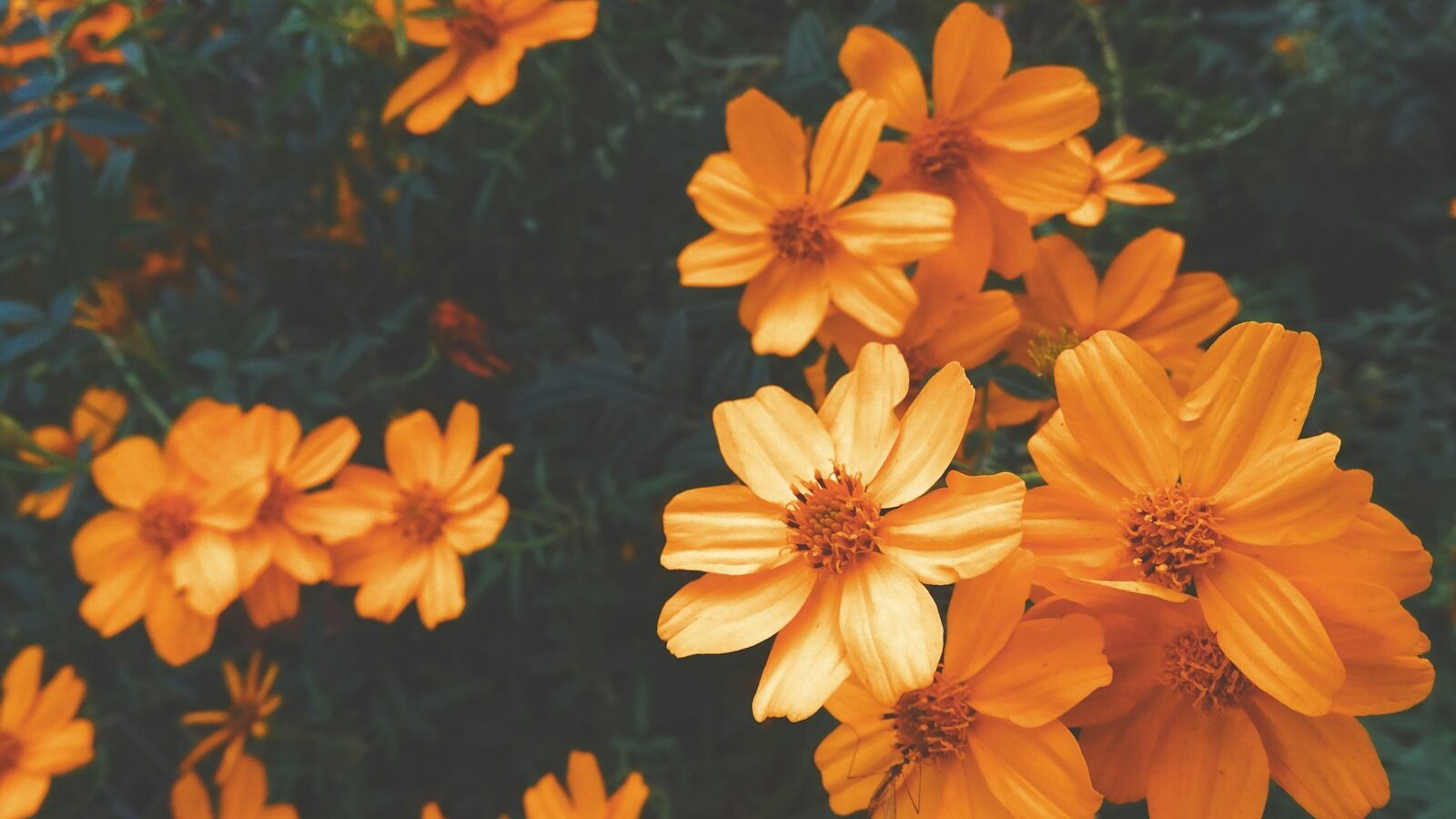
Few colors energize a garden quite like orange. It bridges the warmth of red and the cheer of yellow, drawing the eye, the bees, and the butterflies all at once. Whether you want a single fiery accent or an entire sunset-toned border, the 25 orange-flowering plants below span annuals, perennials, bulbs, and shrubs to suit almost any climate or skill level. Each entry includes a quick care snippet covering light, bloom time, USDA hardiness zones, and mature height so you can plan with confidence.
Key takeaways
- Orange flowers pair beautifully with blue, purple, and deep green foliage for high-contrast, pollinator-friendly borders.
- Most orange bloomers crave full sun and well-drained soil, making them ideal for hot, sunny spots where other plants struggle.
- Mixing annuals, perennials, and bulbs gives you orange color from early spring crocosmia through fall chrysanthemums.
- Many entries here, such as butterfly weed and lantana, are magnets for monarchs, swallowtails, and hummingbirds.
- Always match a plant to your USDA zone and light conditions before buying to keep care low and success high.
Easy orange annuals for instant color
Annuals deliver a fast, season-long punch of orange and are perfect for beds, borders, and containers. They are also a low-commitment way to experiment with color before investing in permanent plantings.
Marigold (Tagetes spp.)
The classic orange workhorse, marigolds bloom nonstop from late spring until frost in full sun. Grown as an annual in all zones, they reach 6 to 36 inches depending on the variety and tolerate heat and poor soil with ease. Deadhead regularly to keep the cheerful pom-poms coming.
Zinnia (Zinnia elegans)
Zinnias offer some of the boldest orange tones available, blooming from early summer to frost in full sun. Treated as an annual everywhere, they grow 1 to 4 feet tall and make superb cut flowers. Give them good airflow to prevent powdery mildew.
Calendula (Calendula officinalis)
Also called pot marigold, calendula produces edible, daisy-like blooms in warm apricot and orange from spring through fall. Hardy in zones 2 to 11 as a cool-season annual, it stays a tidy 12 to 24 inches in full sun to part shade. It often self-sows for a return appearance next year.
Nasturtium (Tropaeolum majus)
Nasturtiums trail and climb with edible orange flowers and round, lily-pad leaves all summer long. Grown as an annual in zones 2 to 11, they thrive in full sun and lean soil, reaching 1 foot when mounding or 6 feet when climbing. Skip the fertilizer for more blooms and fewer leaves.
California Poppy (Eschscholzia californica)
This silky, cup-shaped wildflower glows brilliant orange across spring and early summer. Hardy in zones 6 to 10 but grown as an annual elsewhere, it reaches 12 to 18 inches in full sun and dry, sandy soil. Sow seed directly where you want it, as it dislikes transplanting.
Gazania (Gazania rigens)
Often called the treasure flower, gazania opens dazzling orange daisies in sunshine and closes them at night. Grown as an annual in cool climates and a perennial in zones 9 to 11, it forms low mats 6 to 10 inches tall in full sun. It shrugs off drought, heat, and salty coastal conditions.
Pot Begonia (Begonia x semperflorens)
Begonias bring orange to shadier spots, blooming continuously from spring to frost with waxy leaves and tidy flowers. Grown as an annual in most zones (perennial in 9 to 11), they reach 6 to 12 inches in part to full shade. Keep soil evenly moist but never soggy.
Cosmos (Cosmos sulphureus)
Sulphur cosmos delivers airy, bright-orange daisies on tall, feathery stems all summer. Grown as an annual in zones 2 to 11, it reaches 2 to 4 feet in full sun and lean, well-drained soil. It self-sows freely and is loved by bees and butterflies.
Mexican Sunflower (Tithonia rotundifolia)
A towering pollinator magnet, Tithonia produces vivid orange, dahlia-like blooms from midsummer to frost. Grown as an annual in zones 2 to 11, it can reach 4 to 6 feet in full sun and heat. Give it room and stake taller plants in windy spots.
Long-lived orange perennials and shrubs
Perennials and shrubs return year after year, building the dependable backbone of an orange-themed garden. Plant them once, and they reward you with seasons of color and habitat value.
Butterfly Weed (Asclepias tuberosa)
A native milkweed and monarch host plant, butterfly weed bursts with flat clusters of bright orange flowers in early to midsummer. Hardy in zones 3 to 9, it grows 1 to 2 feet tall in full sun and dry soil. Its deep taproot resents disturbance, so plant it where it can stay.
Geum (Geum coccineum)
Geum, or avens, sends up dainty orange blooms on wiry stems above neat rosettes in late spring and early summer. Hardy in zones 4 to 7, it reaches 12 to 24 inches in full sun to part shade with consistent moisture. Deadhead to extend the flowering season.
Helenium (Helenium autumnale)
Also called sneezeweed, helenium lights up the late-summer and fall border with warm orange, daisy-like petals around a domed center. Hardy in zones 3 to 8, it stands 2 to 5 feet tall in full sun and moist soil. Pinch in early summer for bushier, sturdier plants.
Crocosmia (Crocosmia ‘Lucifer’ and others)
Crocosmia shoots up arching sprays of fiery orange tubular flowers in midsummer that hummingbirds adore. Hardy in zones 5 to 9, it grows 2 to 4 feet from corms in full sun and well-drained soil. Plant in clumps for the most dramatic effect.
Chrysanthemum (Chrysanthemum x morifolium)
Garden mums close out the season with mounds of orange blooms from late summer through fall. Hardy in zones 5 to 9, they reach 1 to 3 feet in full sun. Pinch back through early summer and water consistently for a fuller fall display.
Lantana (Lantana camara)
Lantana forms heat-proof clusters that often blend orange, yellow, and pink in a single flower head from spring to frost. A perennial in zones 9 to 11 and an annual elsewhere, it reaches 1 to 6 feet in full sun. It is exceptionally drought-tolerant once established and beloved by butterflies.
Gerbera Daisy (Gerbera jamesonii)
Gerbera daisies produce large, vivid orange blooms on single stems, prized in gardens and vases alike. A tender perennial in zones 8 to 11 and an annual in cooler areas, it grows 10 to 18 inches in full sun to part shade. Provide rich, well-drained soil and avoid crown rot by watering at the base.
Blanket Flower (Gaillardia x grandiflora)
Blanket flower wears bold orange-and-red daisies all summer into fall and thrives on neglect. Hardy in zones 3 to 10, it grows 1 to 3 feet in full sun and dry, lean soil. Deadhead for a longer show, and let some seed heads stand for the goldfinches.
Trumpet Vine (Campsis radicans)
This vigorous climber drips with trumpet-shaped orange flowers all summer, irresistible to hummingbirds. Hardy in zones 4 to 9, it can scramble 25 to 40 feet in full sun. Give it a sturdy support and prune hard to keep its enthusiasm in check.
Kniphofia (Kniphofia uvaria)
Aptly nicknamed red-hot poker, kniphofia raises torch-like spikes tipped in glowing orange from early to midsummer. Hardy in zones 5 to 9, it reaches 2 to 4 feet in full sun and sharply drained soil. Cut spent spikes to encourage repeat blooming.
Show-stopping orange bulbs and tubers
Bulbs and tubers offer some of the most dramatic orange flowers in the garden, from towering cannas to spotted tiger lilies. Many can be lifted and stored over winter in colder regions.
Dahlia (Dahlia spp.)
Dahlias deliver intricate orange blooms from midsummer until frost, ranging from petite pompons to dinner-plate giants. Tubers are hardy in zones 8 to 11 and lifted for winter elsewhere, growing 1 to 6 feet in full sun. Stake tall varieties and deadhead often for continuous flowers.
Canna (Canna x generalis)
Cannas bring a tropical look with bold orange flowers and broad, paddle-shaped leaves all summer. Hardy in zones 7 to 10 and lifted in colder zones, they tower 3 to 6 feet in full sun and rich, moist soil. They thrive in heat and even at pond edges.
Tiger Lily (Lilium lancifolium)
Tiger lily flaunts recurved, freckled orange petals on tall stems in mid to late summer. Hardy in zones 3 to 9, it reaches 3 to 4 feet in full sun to part shade with well-drained soil. The dark spots and reflexed form make it instantly recognizable.
Crocus (Crocus flavus and orange hybrids)
For the earliest orange of the year, warm-toned crocus push up cup-shaped blooms in late winter and early spring. Hardy in zones 3 to 8, these tiny bulbs reach just 3 to 6 inches in full sun to part shade. Plant them in drifts under deciduous trees for a naturalized carpet.
Daylily (Hemerocallis ‘Orange’ varieties)
Reliable and tough, orange daylilies open fresh trumpet-shaped flowers each day across early to midsummer. Hardy in zones 3 to 9, they grow 1 to 4 feet in full sun to part shade and tolerate almost any soil. Divide crowded clumps every few years to keep blooming strong.
Tulip (Tulipa ‘Orange Emperor’ and others)
Orange tulips bring elegant, goblet-shaped color to the mid-spring garden in countless shades. Hardy in zones 3 to 8, they reach 10 to 24 inches in full sun and well-drained soil. Plant bulbs in fall, and treat them as annuals in warm climates that lack winter chill.
Begonia (Tuberous, Begonia x tuberhybrida)
Tuberous begonias produce lush, rose-like orange flowers ideal for shady beds and hanging baskets through summer. Tubers are hardy in zones 9 to 11 and stored over winter elsewhere, reaching 8 to 18 inches in part to full shade. Keep them moist but well-drained to avoid rot.
Clivia (Clivia miniata)
Clivia rewards patient gardeners with rounded clusters of striking orange trumpets in late winter and spring. Hardy outdoors only in zones 9 to 11, it grows 1 to 2 feet in shade and makes an excellent houseplant elsewhere. Let it stay slightly potbound and dry in winter to trigger blooming.
Ready to dig in? Pair these picks with our plant & flower care guide for watering and feeding basics, then keep building your warm-toned palette with yellow flowers and red flowers for a full sunset border.
Frequently asked questions
What colors look best with orange flowers?
Orange pops most against cool tones like blue, purple, and violet, which sit opposite it on the color wheel. Deep green foliage, silvery grasses, and white flowers also calm and balance orange, while pairing it with yellow and red creates a warm, fiery sunset effect.
Which orange flowers attract butterflies and hummingbirds?
Butterfly weed, lantana, zinnia, Mexican sunflower, and Tithonia are top butterfly magnets, while crocosmia, trumpet vine, and canna draw in hummingbirds with their tubular blooms. Planting a mix gives pollinators nectar from spring through fall.
Are there orange flowers that bloom all summer?
Yes. Marigold, zinnia, lantana, blanket flower, calendula, and dahlia bloom from late spring or early summer right up to the first frost, especially when you deadhead them regularly to encourage new buds.
What orange flowers grow well in shade?
Begonias, both wax and tuberous types, are the best orange bloomers for shade, along with clivia in mild climates. Most other orange flowers prefer full sun, so reserve shady spots for these shade-tolerant choices.
How do I keep orange annuals blooming longer?
Deadhead spent flowers regularly, water consistently during dry spells, and avoid over-fertilizing, which can produce leaves at the expense of blooms. Many annuals like marigolds and zinnias will flower nonstop until frost with this simple routine.