

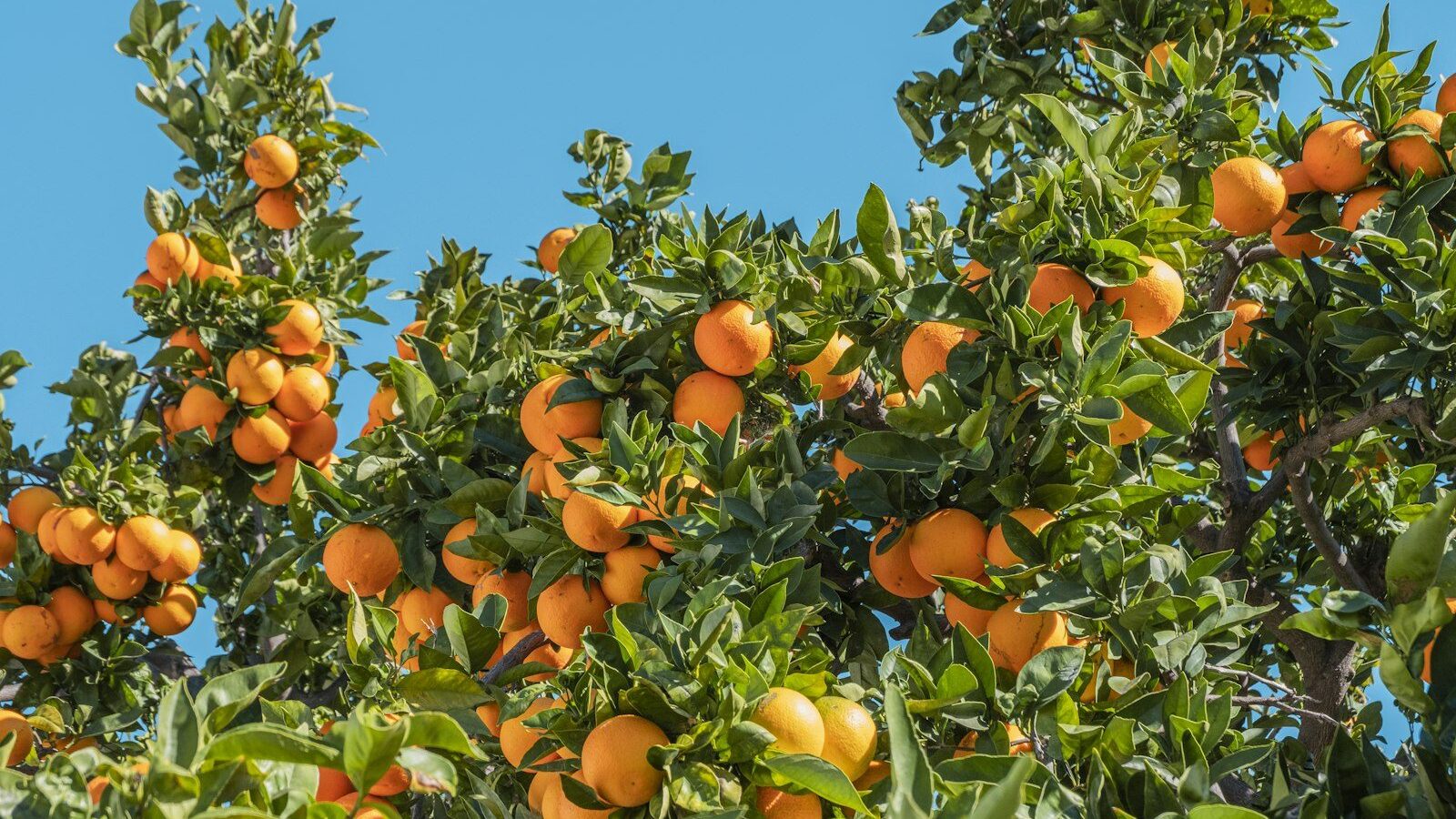
An orange tree (Citrus sinensis) is one of the most rewarding fruit trees you can grow — glossy evergreen leaves, intensely fragrant white blossoms, and of course baskets of sweet, juicy fruit ripening through winter when the rest of the garden is bare. Gardeners in warm regions can plant oranges straight into the ground, but the good news for everyone else is that oranges grow beautifully in containers, which means you can enjoy homegrown citrus on a patio in almost any climate by moving the pot indoors for winter. Whether you are growing a full-size tree in the Florida or California sun or a dwarf ‘Washington’ navel in a pot in Ohio, the fundamentals are the same: lots of light, well-drained slightly acidic soil, careful watering, regular feeding, and frost protection. This guide walks through hardiness zones, in-ground and container planting, watering, feeding, pruning, overwintering, and troubleshooting.
Part of our Trees & Shrubs guide →
In this guide
Key Takeaways
- Orange trees are hardy outdoors year-round in USDA zones 9–11; in colder zones, grow a dwarf variety in a container and overwinter it indoors.
- They need full sun — at least 8 hours outdoors, or a south-facing window plus a grow light indoors.
- Use well-drained, slightly acidic soil (pH 6.0–7.0); in pots, a citrus or cactus mix in a container with drainage holes.
- Water deeply but let the top few inches dry between waterings — citrus hate soggy roots and inconsistent moisture causes fruit drop.
- Feed regularly through the growing season with a citrus fertilizer that includes micronutrients like zinc, iron, and manganese.
- Protect from frost below about 28–30°F; even brief freezes damage fruit, flowers, and tender growth.
Hardiness Zones and Choosing a Tree
Oranges are subtropical and frost-sensitive, hardy in the ground only in USDA zones 9 through 11 — think Florida, the Gulf Coast, southern Texas, Arizona, and California. In those climates you can grow standard-size trees outdoors permanently. In zone 8, oranges are marginal and need a protected microclimate and frost protection; in zones 7 and colder, growing in a container is the only practical option, bringing the tree indoors or into a greenhouse before the first frost.
Variety choice matters. For containers and cold climates, choose dwarf or semi-dwarf oranges grafted onto dwarfing rootstock — these stay 4–8 feet and fruit at a manageable size. Sweet oranges like ‘Washington’ navel and ‘Valencia’ are popular, while ‘Calamondin’ (a small, very ornamental, cold-tolerant sour orange) is a classic container plant that flowers and fruits almost continuously. Buy a grafted nursery tree rather than starting from seed: seed-grown oranges take 7–15 years to fruit, often do not come true to the parent, and lack the disease resistance and dwarfing of a good rootstock. A grafted tree can fruit within a year or two of purchase.
Light and Temperature
Sunlight is non-negotiable. Orange trees want full sun — at least 8 hours a day outdoors — to grow vigorously, flower well, and ripen sweet fruit. The more sun, the better the harvest. Site an in-ground tree in the sunniest, most sheltered spot you have, ideally with some protection from cold winter wind. Indoors over winter, place the container in the brightest possible window (south-facing is best) and supplement with a full-spectrum grow light, since even a sunny window in a northern winter delivers far less light than the tree wants. Inadequate light is the most common reason container citrus drop their leaves and fail to fruit.
On temperature, oranges thrive in warm conditions (roughly 55–85°F) and actively grow when it is warm. They are damaged by frost: temperatures around 28–30°F harm fruit and tender growth, and a hard freeze can kill branches or the whole tree. Move container trees outdoors only after all danger of frost has passed in spring, and bring them back in before the first fall frost. Make these transitions gradual — a week or two of acclimation each way — to prevent shock and leaf drop from sudden changes in light and temperature.
Planting in the Ground
In zones 9–11, plant oranges in spring so they establish through the warm season. Choose a sunny, well-drained site — oranges will not tolerate standing water or heavy, soggy clay. Dig a hole as deep as the root ball and twice as wide, and set the tree so the graft union (the bulge low on the trunk) sits several inches above the soil line and the root flare is at or slightly above grade; planting too deep invites rot and disease.
Backfill with the native soil — avoid over-amending the hole, which can create a drainage bathtub — water in well, and mulch the root zone with a few inches of organic mulch, keeping it pulled back from the trunk to prevent collar rot. Space standard trees about 12–25 feet apart depending on variety and rootstock. Water new trees regularly through their first couple of years until the roots reach out into the surrounding soil.
Growing an Orange Tree in a Container
This is the option that opens citrus to gardeners everywhere. Start with a dwarf variety and a pot with ample drainage holes — a 16–20 inch (10–15 gallon) container suits a young tree, and you can pot up as it grows. Avoid jumping to an oversized pot, which holds too much wet soil around small roots.
Fill with a well-draining citrus or cactus potting mix, or a quality potting soil amended with extra perlite and a little bark for porosity; the mix should be slightly acidic and never waterlogged. Position the container in full sun outdoors during the warm months and move it to your brightest window with a grow light for winter. Container citrus dry out faster than in-ground trees, so check moisture often — water thoroughly when the top 2–3 inches feel dry, letting excess drain freely, and never let the pot sit in a saucer of water. Because frequent watering leaches nutrients from pots, container trees need consistent feeding (covered below) and will benefit from repotting or refreshing the top few inches of mix every couple of years. For more small-space and container growing strategies, see our Urban Gardening guides.
Watering and Feeding
Citrus want their roots evenly moist but never soggy. The goal is deep, thorough watering followed by a chance for the top of the soil to dry before the next drink. In the ground, that often means a deep soak once or twice a week in hot weather, less in cool weather. In pots, check the top few inches with your finger and water when they are dry. Both extremes cause problems: chronically wet roots rot, while drought stress — or wild swings between bone-dry and soaked — triggers leaf drop and, frustratingly, premature fruit and flower drop. Consistency is the secret to holding a crop.
Oranges are heavy feeders. Use a fertilizer formulated for citrus, which supplies not just nitrogen, phosphorus, and potassium but the micronutrients citrus famously crave — iron, zinc, manganese, and magnesium. Deficiencies in these show up as distinctive leaf yellowing patterns and are common in container trees. Feed regularly through the active growing season (roughly spring through summer into early fall), following the product’s rate, and ease off in winter when growth slows, especially for trees resting indoors. Yellowing leaves with green veins typically signal an iron or manganese shortfall or soil that is too alkaline; a citrus feed with chelated micronutrients usually corrects it.
Pruning, Pollination, and Fruit
Orange trees need only light pruning. In late winter or early spring, remove dead, damaged, or crossing branches, cut off any suckers or water sprouts growing from below the graft union (these come from the rootstock and will not bear good fruit), and lightly shape the canopy. Container trees can be pruned a bit more to keep them compact and indoor-friendly. Avoid heavy pruning, which reduces flowering and fruiting.
Most sweet oranges are self-fertile, so a single tree will set fruit without a partner — a big advantage for container growers. Outdoors, bees handle pollination; for an indoor tree that flowers in winter, you can gently transfer pollen between blossoms with a small brush to improve fruit set. After flowering, trees naturally shed a portion of their tiny fruitlets (the “June drop”) to balance the crop they can support, which is normal and not a sign of trouble. Oranges take many months to ripen — often 8 to 12 months from bloom — and unlike many fruits they do not continue to sweeten after picking, so leave them on the tree until fully colored and sweet, then harvest by clipping or gently twisting. For pruning principles that carry over to other woody plants, see our notes on how to prune climbing roses.
Overwintering in Cold Climates
For gardeners outside zones 9–11, successful citrus comes down to overwintering. Before the first fall frost, bring the container indoors, ideally after a transition period in a sheltered spot to ease the move. Place it in your brightest window — south-facing — and add a grow light to compensate for short, dim winter days. Keep it away from hot, dry heating vents and cold drafts, both of which cause leaf drop; citrus appreciate some humidity, so grouping plants or using a pebble tray and humidifier helps in dry indoor air.
Indoors, the tree’s growth slows, so water less and feed lightly or not at all until spring. Expect some leaf drop as it adjusts to lower light — this is normal and the tree usually recovers. A cool, bright room (around 55–65°F) is often better than a warm, dim one. In spring, after all frost danger has passed, harden the tree back off outdoors gradually over a couple of weeks, resume regular watering and feeding, and it will reward you with another flush of fragrant blossoms.
Common Problems and Fixes
Leaf and Fruit Drop
Sudden leaf or fruit drop usually traces to inconsistent watering, low light, or a sharp change in environment (such as moving indoors). Keep moisture even, maximize light, and make seasonal transitions gradual. Some natural fruitlet drop after bloom is normal.
Yellowing Leaves
Yellow leaves often signal a micronutrient deficiency (iron, zinc, or manganese) or overly alkaline or waterlogged soil. Feed with a complete citrus fertilizer containing chelated micronutrients and check that drainage is good and the soil is slightly acidic.
Pests
Indoor citrus are prone to scale, mealybugs, aphids, and spider mites, especially in dry winter air. Inspect regularly, wipe off pests, and treat with insecticidal soap or horticultural oil. Good light, humidity, and air circulation keep infestations down.
Frequently Asked Questions
Can I grow an orange tree in a pot?
Absolutely. Dwarf orange varieties grow well in containers, which lets gardeners in cold climates enjoy citrus by moving the pot indoors for winter. Use a 10–15 gallon pot with drainage holes, a well-draining citrus mix, full sun in summer, and a bright window plus grow light indoors.
What zones can orange trees grow in?
Orange trees are hardy outdoors year-round in USDA zones 9–11. They are marginal in zone 8 with frost protection. In zone 7 and colder, grow a dwarf variety in a container and overwinter it indoors or in a greenhouse, since freezing temperatures damage or kill the tree.
Why is my orange tree dropping its fruit?
Some fruitlet drop after flowering is natural as the tree balances its crop. Heavier drop usually comes from inconsistent watering, drought or overwatering stress, low light, or a sudden environmental change like moving indoors. Keep soil evenly moist, provide maximum light, and avoid abrupt swings in conditions.
How long does an orange tree take to fruit?
A grafted nursery tree on dwarfing rootstock can fruit within one to two years of purchase. The oranges themselves take a long time to ripen — often 8 to 12 months from bloom — and do not sweeten after picking, so leave them on the tree until fully colored and sweet. Seed-grown trees take 7–15 years and are not recommended.
How often should I water an orange tree?
Water deeply, then let the top 2–3 inches of soil dry before watering again. In hot weather an in-ground tree may need a deep soak once or twice a week, while container trees dry faster and need checking every few days. Never let citrus sit in waterlogged soil, which rots the roots.
Whether planted in a sunny southern yard or wheeled onto a northern patio each summer, an orange tree rewards attentive care with fragrant blossoms and sweet, sun-ripened fruit. Give it abundant light, well-drained slightly acidic soil, steady watering, a good citrus fertilizer, and reliable frost protection, and even gardeners far from the citrus belt can grow their own oranges in a pot.