

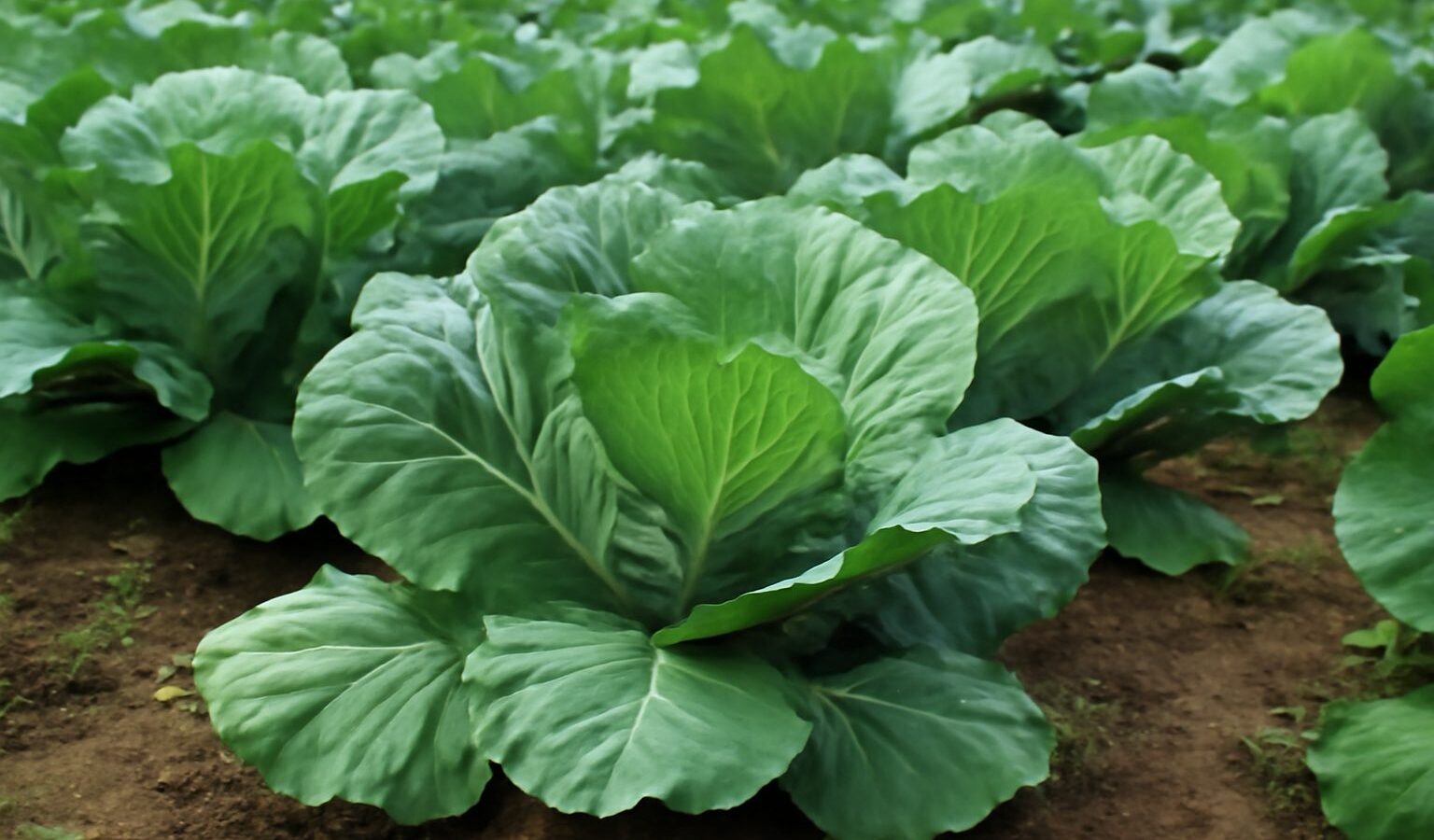
If cauliflower is the diva of the brassica family, collard greens are the dependable workhorse. They are arguably the most forgiving vegetable you can grow: heat-tolerant for a cole crop, frost-hardy down into the low twenties, productive for months on a cut-and-come-again basis, and largely uninterested in the fussy blanching and timing games that other brassicas demand. A single row of collards can feed a household greens for an entire season and well into winter. This guide covers everything from variety selection and timing through spacing, soil, watering, pest control, and the harvesting technique that keeps a plant producing for the long haul.
Key Takeaways
- Collards are a cool-season crop but tolerate more heat than most brassicas, so they grow in both spring and fall and overwinter in mild zones.
- Frost improves flavor; light freezes down to about 20°F sweeten the leaves and the plant keeps producing.
- Space plants 18–24 inches apart in rows 30–36 inches apart, in rich soil at pH 6.5–6.8.
- Provide 1–1.5 inches of water per week and feed with nitrogen for lush, tender leaves.
- Harvest the lower outer leaves and leave the central growing point to keep the plant producing for months.
- Use floating row cover to block the cabbage worms, aphids, and harlequin bugs that target all brassicas.
About Collard Greens
Collards (Brassica oleracea var. viridis) are a loose-leaf, non-heading member of the cabbage family grown for their broad, paddle-shaped leaves. Botanically they are nearly identical to kale, and the two are grown the same way, but collards have smoother, flatter leaves and a milder, slightly earthier flavor. They are a staple of Southern cooking precisely because they thrive where summers are long and they shrug off the autumn frosts that finish most other crops. A mature plant can stand two to three feet tall and keep pushing new leaves from its central rosette for an astonishingly long season.
The plant grows best between 60 and 75°F but holds up in heat better than cabbage, broccoli, or cauliflower, and unlike those crops it does not need to form a tight head against a deadline. That combination of heat tolerance and cold hardiness makes collards one of the longest-season vegetables in the garden.
Choosing a Variety
- ‘Georgia Southern’ — a heat-tolerant heirloom with large, blue-green crumpled leaves, slow to bolt, maturing in about 70–80 days.
- ‘Vates’ — compact, cold-hardy, and slow-bolting, around 60–75 days, a good choice for tight spaces and overwintering.
- ‘Champion’ — an improved Vates type that is even more bolt-resistant and stands well into warm weather.
- ‘Morris Heading’ — forms a loose, semi-heading cluster of tender leaves, prized for flavor.
- ‘Flash’ — a fast, productive hybrid (about 55 days) with excellent regrowth after cutting, ideal for cut-and-come-again harvesting.
For most home gardens, a slow-bolting variety like ‘Champion’ or ‘Vates’ gives the longest productive window. If you want the fastest baby greens for repeated cutting, ‘Flash’ is hard to beat.
When to Plant
Collards fit two main planting windows, and many gardeners grow both. For a spring crop, start seeds indoors 4 to 6 weeks before your last frost and transplant out 2 to 3 weeks before that date, or direct-sow as soon as the soil can be worked. Spring collards produce through early summer; in hot regions they may eventually bolt, but they tolerate heat far longer than other brassicas.
The fall crop is the classic one. Sow seeds or set transplants 6 to 10 weeks before your first fall frost so plants size up as the weather cools. Fall and winter collards are the sweetest because cold concentrates sugars in the leaves; a few light frosts transform their flavor. In zones 8 and warmer, collards planted in fall will often stand and produce right through winter, giving you fresh greens in January. In colder zones, a layer of mulch and a low tunnel can extend the harvest well past the first hard freeze.
Soil and Site
Plant collards in full sun, six or more hours daily, though they accept light shade in hot climates. They want fertile, well-drained soil rich in organic matter with a pH of 6.5 to 6.8. As a leafy crop they are nitrogen-hungry, so dig 2 to 3 inches of compost or aged manure into the bed before planting and mix in a balanced or nitrogen-leaning organic fertilizer. Slightly alkaline soil and a three-year rotation away from other brassicas both help suppress clubroot, the disease most likely to trouble the cabbage family.
Planting and Spacing
Direct-sow seeds about a quarter to half an inch deep, or set out transplants up to the first true leaves. Space plants 18 to 24 inches apart in rows 30 to 36 inches apart. That spacing looks generous when the seedlings are small, but collards grow into large, sprawling plants and crowding cuts both yield and air circulation. If you are growing for baby leaves to cut young, you can sow more densely, around 6 inches apart, and harvest before they need the room.
Cover the bed with floating row cover right after planting to exclude the pests that target young brassicas. Water transplants in well, and keep the soil evenly moist while seedlings establish.
Watering and Feeding
Give collards 1 to 1.5 inches of water per week, more in hot, dry spells. Even moisture keeps leaves tender and prevents the bitterness and toughness that come with drought stress. Water at the base of the plant and mulch with straw or shredded leaves to conserve moisture and keep the root zone cool.
Because you are harvesting leaves continuously, feed regularly to keep new growth coming. Side-dress with a nitrogen-rich fertilizer about three to four weeks after planting and again every month or so through the season, or apply a liquid feed every couple of weeks. Well-fed plants produce broader, more tender leaves; underfed collards turn pale and tough.
Pests and Diseases
Collards face the standard brassica pest list. Cabbage worms and loopers are the most common, chewing ragged holes in the leaves; treat with Bacillus thuringiensis (Bt), which is harmless to people and beneficial insects. Aphids gather on leaf undersides and in the crown, where a strong spray of water or insecticidal soap knocks them back. Harlequin bugs, shield-shaped black-and-orange stink bugs, can be a serious problem in the South and are best handpicked and excluded with row cover. Flea beetles riddle young leaves with shot-hole damage but rarely kill established plants.
Disease pressure is low if you rotate crops and avoid overhead watering. Clubroot, downy mildew, and black rot are the main concerns; good spacing, dry foliage, and crop rotation prevent most of them. Remove and discard any badly affected leaves rather than composting them.
Harvesting Collard Greens
This is where collards shine. Rather than pulling the whole plant, harvest the lower, outer leaves once they reach a usable size, roughly 10 inches long, and leave the central growing point and the smaller inner leaves intact. The plant keeps producing new leaves from the top, so a single collard can yield for months. Snap or cut leaves off close to the main stem. Picking from the bottom up gives the classic tall, palm-tree look as the season goes on.
Younger leaves are more tender and milder; older, larger leaves are sturdier and stand up to long braising. For the best flavor, harvest after a frost or two has sweetened them. To prepare, strip the leaf from the thick central rib, which stays tough no matter how long you cook it, then stack, roll, and slice the leaves into ribbons. Leaves keep in the refrigerator for about a week in a loose bag, and collards freeze well after a quick blanch: cut them into ribbons, blanch for two to three minutes, plunge into ice water, drain, and freeze in portions for soups and braises through winter. If you want to grow other cool-season crops alongside them, our guide to growing cauliflower covers a fussier relative, and the Plants & Flowers hub has many more edible growing guides to round out your garden.
Frequently Asked Questions
Can collard greens survive frost?
Yes. Collards are very cold-hardy and tolerate light freezes down to about 20°F. Frost actually improves their flavor by concentrating sugars, and in mild zones they keep producing through winter.
Do collards keep growing after you pick them?
They do. Harvest only the lower outer leaves and leave the central growing point intact; the plant continues pushing new leaves from the top for months. This cut-and-come-again habit makes collards extremely productive.
Why are my collard leaves tough and bitter?
Toughness and bitterness usually come from drought stress, hot weather, or letting leaves grow too old before picking. Keep the soil evenly moist, feed regularly, and harvest leaves while they are young to medium-sized.
How far apart should I plant collards?
Space full-size plants 18 to 24 inches apart in rows 30 to 36 inches apart. For baby greens harvested young, you can sow more densely at about 6 inches apart.
Can I grow collards in containers?
Yes. Use a container at least 3 gallons in size per plant with rich potting mix, and keep it consistently watered and fed. A large pot can support one full plant or several for baby-leaf harvests.