

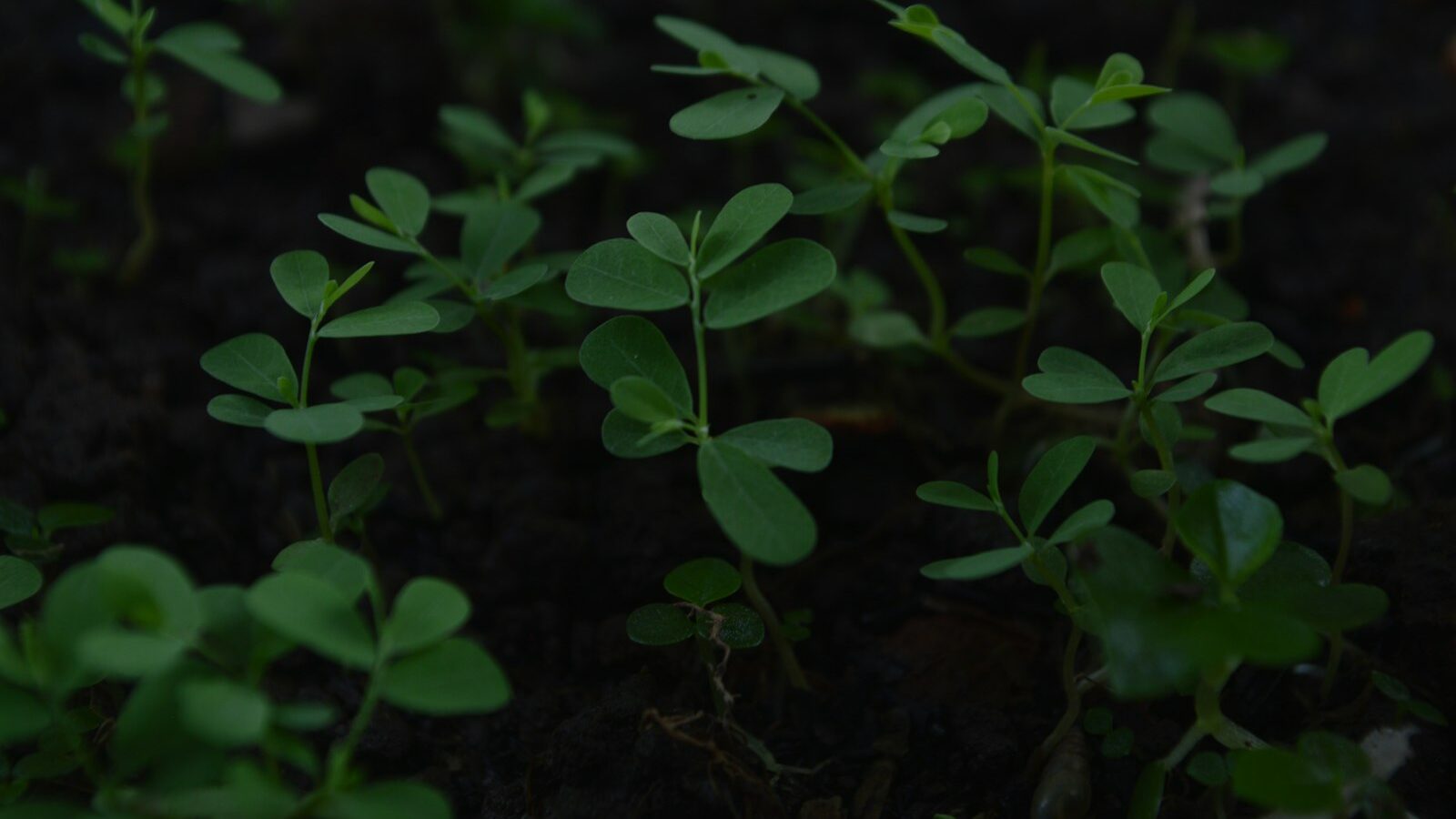
Fenugreek (Trigonella foenum-graecum) is one of the most generous plants you can sow: it gives you fast, fragrant salad and curry greens (methi) in as little as three to four weeks, then maple-scented seeds at the end of the season, all while quietly fixing nitrogen in your soil as a legume. A fast-growing annual in the pea family, fenugreek is a staple of Indian, Middle Eastern, and North African cooking, where both the clover-like leaves and the small amber seeds are prized. It is easy, quick, and forgiving, an ideal crop for impatient gardeners and a useful green manure besides. The one decision to make up front is whether you’re growing it for leaf or for seed, because that shapes how you sow and tend it. Below is everything you need to grow fenugreek for both.
Key Takeaways
- Two crops: Grow fenugreek for fast leafy methi greens (ready in 3–4 weeks) or for maple-scented seeds at season’s end.
- Nitrogen-fixer: As a legume, fenugreek improves the soil and doubles as a quick green-manure cover crop.
- Direct-sow: It has a taproot and resents transplanting; broadcast or sow seed in place in warm soil.
- Site: Full sun and well-drained, moderately fertile soil; it’s a warm-season annual that dislikes frost.
- Harvest: Cut leaves young for greens; for seed, let plants flower and form pods, then harvest when pods dry.
Leaf or Seed? Decide Before You Sow
Fenugreek serves two distinct purposes, and knowing your goal shapes everything. If you want methi greens, the fresh leaves used in curries, flatbreads, and salads, you’ll sow thickly and harvest young, treating the crop almost like a fast cut-and-come-again green or microgreen. If you want seeds, the warm, bitter-sweet, maple-scented spice, you’ll sow more thinly, give the plants the whole season, and let them flower and form their slender pods. The same seed packet does both; only the spacing, timing, and patience differ.
A third use is as a green manure or cover crop. Because fenugreek is a legume, it partners with soil bacteria to fix atmospheric nitrogen, enriching the bed. Sown densely and turned under before it flowers, it adds organic matter and nitrogen, making it a quick soil-builder between main crops. Many gardeners grow it for all three benefits at once.
Choosing a Site and Soil
Fenugreek wants full sun for the strongest growth and best seed set, though it tolerates light shade if you’re growing it mainly for tender leaves. It is a warm-season annual native to the Mediterranean and western Asia and dislikes frost, so wait for settled warm weather before sowing outdoors. In very hot climates a little afternoon shade keeps the leaves tender and slows bolting.
Soil should be well-drained, loose, and moderately fertile, with a near-neutral pH of about 6.0 to 7.0. As a legume, fenugreek doesn’t need rich, high-nitrogen soil; it makes much of its own nitrogen, so a moderately fertile bed with good drainage is ideal. Heavy, waterlogged soil causes root rot and stunting, so lighten clay with compost or grow fenugreek in containers and raised beds, where it does very well. It even grows happily on a sunny windowsill for a quick crop of fresh greens.
How to Plant Fenugreek
Fenugreek forms a taproot and resents transplanting, so direct-sow it where it will grow. Wait until after the last frost and the soil has warmed, then sow seeds about 1/4 to 1/2 inch deep. For a leaf crop, broadcast the seed fairly thickly or sow in close rows, since you’ll harvest young and crowding produces lots of tender, upright greens. For a seed crop, sow more thinly and thin the seedlings to stand about 4 to 6 inches apart so each plant has room to branch, flower, and pod well.
Germination is fast and reliable, often within three to five days in warm soil, which is part of fenugreek’s charm. Keep the seedbed evenly moist until sprouts appear. Because the crop is so quick, you can succession-sow a fresh patch of leaf fenugreek every two to three weeks through the warm season for a continuous supply of methi. Soaking the seeds overnight before sowing can speed germination further, especially for an indoor or microgreen crop.
Watering, Feeding, and Care
Keep fenugreek consistently moist, especially when growing it for leaves, as drought stress turns the foliage tough and bitter and encourages premature bolting. Water to provide roughly an inch a week, more in heat or in containers, but avoid waterlogging the soil. When growing for seed, ease back on watering as the pods mature and dry, since dry, sunny ripening conditions give the best-cured seed.
Feeding is minimal. As a nitrogen-fixing legume, fenugreek rarely needs supplemental nitrogen; in fact, excess nitrogen produces lush leaves but poorer flowering and seed set. A bed with modest compost is plenty. Keep the patch weeded while plants are small, then the quick canopy largely shades out competition. Fenugreek has few demands and no need for staking, though leaf crops grown very densely can be thinned by harvesting, which keeps airflow good and reduces any risk of damping-off in the crowded stand.
Harvesting Leaf vs. Seed
Harvesting the Leaves (Methi)
For methi greens, fenugreek is wonderfully fast, often ready to cut just three to four weeks after sowing, when plants are three to six inches tall and still tender. You can either harvest the whole young plant by cutting it at the base, or, for a cut-and-come-again approach, snip the upper growth and leave an inch or two of stem to regrow for one or two further cuttings. Harvest before the plants begin to flower, as the leaves grow tougher and more bitter once flowering starts. The fresh leaves have a distinctive, slightly bitter, savory flavor that’s central to dishes like methi aloo and many curries, and they can also be dried as kasoori methi for later use.
If your main goal is greens, simply keep succession-sowing and cutting young, and you’ll have a steady supply all season without ever waiting for seed.
Harvesting the Seed
For seed, let the plants grow on, flower (small pale-yellow to white blooms), and form their distinctive long, slender, slightly curved pods. The pods contain the hard, amber, angular seeds. Allow the pods to mature and dry on the plant; when they turn yellow-brown and the leaves begin to yellow and drop, usually three to four months after sowing, the seed is ready. Harvest on a dry day by pulling whole plants or clipping the pod-laden stems.
Finish drying the plants in a warm, airy place, then thresh the pods, rubbing or lightly crushing them to release the seeds, and winnow away the chaff. Make sure the seeds are completely dry before storing them in an airtight jar away from light and heat, where they keep for two to three years. Toast the seeds gently before grinding to mellow their bitterness and bring out their warm, maple-like aroma. Save a handful of the best seeds to replant, and note that whole fenugreek seed also sprouts readily indoors for a quick crop of nutritious sprouts.
Pests, Diseases, and Troubleshooting
- Bitter, tough leaves: From heat, drought stress, or harvesting after flowering. Keep moisture steady and cut leaves young, before bloom.
- Bolting too fast: Hot weather pushes leaf crops to flower early. Sow in cooler spells, provide light afternoon shade, and succession-sow.
- Damping-off in seedlings: Overly wet, crowded conditions rot young stems. Improve drainage and airflow and avoid overwatering.
- Aphids: May gather on tender shoots. Hose off or use insecticidal soap; beneficial insects usually keep them in check.
- Powdery mildew: Can appear in humid, crowded plantings. Thin by harvesting and water at the base, not overhead.
Fenugreek as a Soil-Builder, Plus Using the Harvest
Don’t overlook fenugreek’s value beyond the kitchen. Sown densely and dug back into the soil before it flowers, it works as a fast green-manure crop, adding organic matter and the nitrogen it has fixed from the air, which benefits the heavy-feeding crops that follow. This makes it a smart cover crop for empty beds in the warm season and a natural partner to broader efforts to improve garden soil and companion planting strategies.
In the kitchen, fresh or dried methi leaves flavor curries, dals, and flatbreads, while the toasted, ground seeds are essential in many spice blends, curry powders, and pickles, and lend that signature maple note to dishes and even to imitation maple syrup. Few crops give you greens, spice, and soil improvement in a single fast-growing season. If you enjoy raising your own flavorings, fenugreek slots neatly alongside seed herbs like anise and caraway in our wider collection of herb and plant growing guides.
Frequently Asked Questions
Is fenugreek grown for its leaves or its seeds?
Both. Grown for leaves (methi), it’s harvested young in just 3–4 weeks for use in curries and breads. Grown for seeds, the plant is given the whole season to flower and form pods, then the dried, maple-scented seeds are threshed out.
How fast does fenugreek grow?
Very fast. Seeds germinate in three to five days in warm soil, and leaf crops are ready to harvest in just three to four weeks. Seed crops take longer, about three to four months for the pods to mature and dry.
Does fenugreek improve the soil?
Yes. As a legume, fenugreek fixes nitrogen from the air with the help of soil bacteria. Sown densely and dug back in before flowering, it works as a fast green-manure cover crop that enriches the bed for the next planting.
Why are my fenugreek leaves bitter and tough?
Usually because they were harvested after the plant started to flower, or because of heat and drought stress. Cut the leaves young, before flowering, and keep the soil consistently moist for tender, milder greens.
Can I grow fenugreek in a container or indoors?
Yes. Fenugreek grows well in pots and even on a sunny windowsill, especially for a quick crop of methi greens or sprouts. Use a well-drained mix, sow thickly for leaves, and keep it evenly moist in good light.