

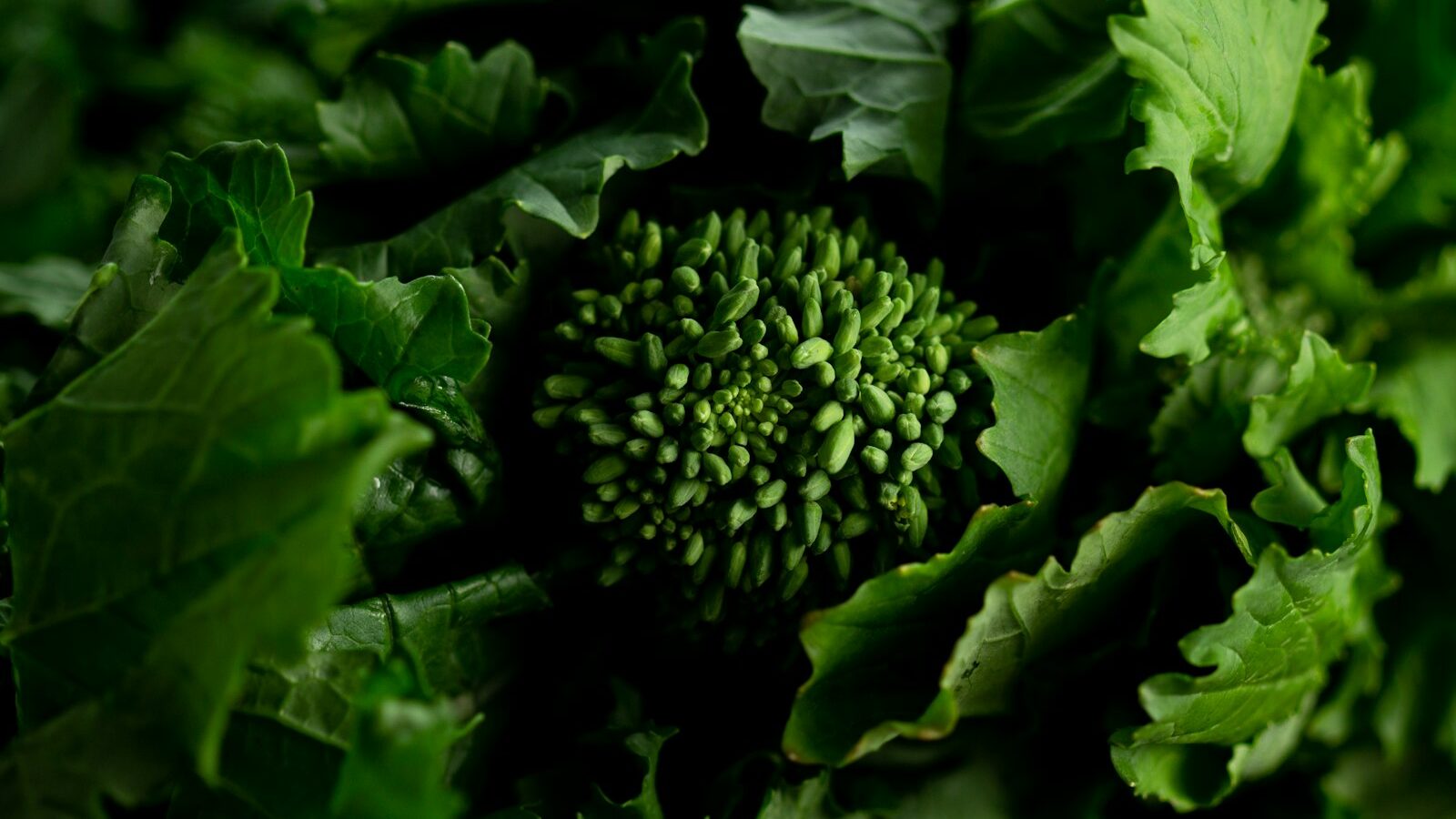
Broccoli rabe is one of those crops that rewards a gardener who pays attention to the calendar. Despite the name, it is not true broccoli at all. It belongs to the turnip family (Brassica rapa subsp. rapa, ruvo group), and you grow it for the whole package: tender leaves, crisp stems, and the small broccoli-like flower buds that give it that pleasantly assertive, bitter bite Italian cooks prize. Often sold as rapini, raab, or cima di rapa, it grows fast, takes up little room, and turns around a harvest in 40 to 60 days from sowing. The catch, and the single most important thing to learn, is that it hates heat. Grow it in cool weather and it stays sweet, tender, and slow to flower. Grow it in summer and it bolts to bitterness in a hurry. Get the timing right and the rest is genuinely easy.
Key Takeaways
- Broccoli rabe is a cool-season brassica (Brassica rapa), not true broccoli; it matures fast in 40-60 days.
- Heat makes it bolt and turn bitter, so grow it as an early spring or, better, a fall crop when cool weather sweetens it.
- Sow seed 1/4 to 1/2 inch deep, thin to 4-6 inches apart, with rows 18-24 inches apart.
- Give it full sun, fertile moisture-retentive soil at pH 6.0-7.0, steady water, and a nitrogen boost for lush leaves.
- Reliable varieties include ‘Sorrento’, ‘Spring Raab’, ‘Zamboni’, ‘Quarantina’, and ‘Sessantina’.
- Harvest the whole plant or main stalk when buds form but before the flowers open, at about 9-12 inches tall.
- Succession sow every 2-3 weeks for a steady supply and cut side shoots for a second flush.
Understanding Broccoli Rabe: Not Broccoli at All
It pays to understand what you are actually growing, because it changes how you treat the plant. True broccoli is Brassica oleracea, the same species as cabbage, kale, and cauliflower. Broccoli rabe is Brassica rapa, the turnip and Chinese-cabbage species. That turnip heritage explains a lot: the leaves are looser and more open, the flavor leans peppery and bitter rather than sweet, and the plant races to flower far faster than a head of broccoli ever would. Those little clusters of green buds are not a dense central head you wait weeks for; they are flower stalks the plant produces almost as soon as it has enough leaf to support them.
That speed is the whole point. Because it is bred to mature in roughly six to eight weeks, broccoli rabe is a forgiving crop for impatient gardeners and a perfect fit for the short, cool windows of spring and fall. But it also means the plant is always leaning toward bolting. Your job is mostly to keep it growing fast and cool so it stays in that sweet, leafy, just-budding stage as long as possible before it tips over into bloom.
Timing: Why Cool Weather Is Everything
Broccoli rabe is a textbook cool-season vegetable, and treating it like one is the difference between a crop you love and a crop you yank out in disgust. Warm days and long sun trigger bolting, and bolting in this plant means a fast slide into harsh, mouth-puckering bitterness. Cool weather does the opposite: it slows the plant down, thickens the leaves and stems, and tempers the bitterness into something rich and almost nutty. A light frost actually improves the flavor. If you want to understand the broader logic of scheduling crops around temperature, this overview of warm-season versus cool-season vegetables lays out the framework that broccoli rabe fits neatly into.
For a spring crop, sow as early as the soil can be worked, typically two to four weeks before your last expected frost. The goal is to get the plant to harvest size while nights are still cool, before the heat of late spring arrives. The trouble with spring is that the season often warms too quickly, pushing the plant toward bolting just as it should be maturing.
That is why most experienced growers treat broccoli rabe primarily as a fall crop, and it is by a wide margin the better season. Sow eight to ten weeks before your first fall frost so the plants mature into steadily cooling weather rather than rising heat. As the days shorten and temperatures drop, growth stays lush, bolting pressure eases, and the bitterness mellows beautifully. A fall planting that catches a couple of light frosts will give you the sweetest, most tender rabe of the year. In mild-winter regions, you can keep sowing through fall and into winter for nearly continuous harvest.
Soil, Site, and Bed Preparation
Choose a spot in full sun. Six or more hours of direct light gives you the fastest, sturdiest growth, though in a warm spring a little afternoon shade can buy you time before bolting. The soil matters as much as the light. Broccoli rabe wants fertile, moisture-retentive ground that still drains well, with a pH between 6.0 and 7.0. That slightly-acidic-to-neutral range keeps nutrients available and, conveniently, also suppresses clubroot, the brassica disease that thrives in acidic soil.
Before sowing, work a couple of inches of finished compost or well-rotted manure into the top six to eight inches of the bed. This crop is leafy and fast, so it leans hard on nitrogen; rich organic matter gives it the running start it needs. Rake the surface smooth and break up clods, since the small seeds need good contact with fine soil to germinate evenly. If your soil is heavy clay, raised beds or generous compost amendment will improve both drainage and the loose tilth this plant prefers.
Direct Sowing vs Transplanting
Because broccoli rabe grows so quickly and, like most root-family relatives, dislikes root disturbance, direct sowing is usually the simplest and best approach. Sow seeds 1/4 to 1/2 inch deep directly in the prepared bed. You can scatter them in a band and thin later, or space them out in rows. Keep rows 18 to 24 inches apart so you have room to walk, weed, and harvest. Seeds germinate readily in cool soil, often within five to ten days, and you will see true leaves quickly after that.
Transplanting is an option when you want a head start in a cold spring or to get plants going while a summer crop still occupies the bed. Start seeds indoors three to four weeks before your target transplant date in cells or small pots, and set them out while they are still young, before they become root-bound. Handle the seedlings gently and transplant on a cool, overcast day to minimize stress, because a checked transplant is far more likely to bolt prematurely. For most gardeners, though, the time saved with transplants is modest given how fast the crop matures, so direct sowing remains the default.
Spacing and Thinning
Once your seedlings are up and showing their first true leaves, thin them to stand 4 to 6 inches apart. This step is not optional. Crowded plants compete for light, water, and nitrogen, grow spindly, and stress easily, and stressed broccoli rabe bolts. Tighter spacing toward the 4-inch end produces more slender, leafy plants well suited to harvesting whole, while wider spacing closer to 6 inches gives larger plants with thicker main stalks and more side-shoot potential.
- Don’t waste the thinnings. The young plants you pull are tender, mild, and excellent raw in salads or quickly sautéed.
- Thin in stages if you like, removing some plants at baby size and leaving the rest to mature.
- Snip rather than pull when thinning crowded clusters, cutting at soil level so you don’t disturb the roots of the keepers.
Watering and Feeding
Steady moisture is critical. Broccoli rabe has a relatively shallow root system and grows fast, so it cannot afford to dry out. Drought stress is one of the surest ways to drive a plant into early bolting and to sharpen the bitterness past the point of pleasant. Aim to keep the soil consistently moist, providing roughly an inch of water per week from rain or irrigation, and more in dry, windy spells. Water at the base in the morning when you can, which keeps foliage dry and discourages the leaf diseases brassicas are prone to. A light mulch of straw or shredded leaves helps hold moisture, moderates soil temperature, and keeps the cool-loving roots comfortable.
Feeding is mostly about nitrogen, because you are growing leaves and stems rather than fruit or roots. If you prepared the bed with plenty of compost, you may not need much more, but a fast-growing crop on lean soil benefits from a nitrogen-rich boost. About two to three weeks after thinning, side-dress with blood meal, a balanced organic fertilizer, or a diluted fish-emulsion drench to keep growth lush and green. Avoid overdoing it late in the cycle, though; the aim is steady, even growth, not a sudden surge that the plant cannot support.
Recommended Varieties
Most broccoli rabe sold by name is selected for either speed or a particular harvest window, and the Italian names often tell you roughly how many days the variety needs. A handful are worth seeking out:
- ‘Sorrento’ — a popular, dependable Italian heirloom-type with classic flavor and good leaf-to-bud balance; a fine all-around choice.
- ‘Spring Raab’ — quick and reliable, bred for early spring sowing and a fast turnaround before the heat arrives.
- ‘Zamboni’ — a uniform, vigorous variety that produces generous side shoots, good for cut-and-come-again harvesting.
- ‘Quarantina’ — the name nods to roughly forty days; a fast type for when you want greens in a hurry.
- ‘Sessantina’ — closer to sixty days, a later, more leisurely variety that suits a fall crop maturing into cool weather.
Pairing a fast variety like ‘Quarantina’ with a slower one like ‘Sessantina’ in the same planting is a simple trick to stretch your harvest window without extra sowing dates. If you enjoy growing the more unusual brassicas, you might also try your hand at growing Romanesco, another cool-season cousin with its own dramatic, fractal-headed personality.
Pests and Diseases
Broccoli rabe is troubled by the same pests as the rest of the cabbage tribe, but its speed works in your favor: a crop that is gone in six weeks gives problems less time to take hold. Still, keep an eye out for the usual suspects.
Common Pests
- Cabbage worms and cabbage loopers — green caterpillars that chew ragged holes in leaves. Handpick them, or treat with Bt (Bacillus thuringiensis), which is specific to caterpillars.
- Flea beetles — tiny jumping beetles that pepper young leaves with shot-hole damage; they are worst on seedlings and in warm weather.
- Aphids — clusters of soft-bodied insects on stems and leaf undersides that can be blasted off with water or treated with insecticidal soap.
The single most effective defense is a floating row cover laid over the bed right after sowing. Because broccoli rabe needs no pollinators, you can leave the cover on for the entire crop, excluding the moths, beetles, and aphids that would otherwise find it. Rotating brassicas to a fresh bed each year and clearing crop debris also keeps pest and disease pressure down.
Common Diseases
The two diseases to watch are clubroot and downy mildew. Clubroot is a soil-borne pathogen that swells and distorts the roots, stunting the plant; it thrives in acidic, waterlogged soil, so keeping your pH at 6.0-7.0, ensuring good drainage, and rotating crops are your best protections. Downy mildew shows as yellow blotches on top of leaves with grayish fuzz beneath, and it loves cool, wet, crowded conditions. Proper spacing, morning watering at the base, and good airflow keep it at bay. Both are far easier to prevent than to cure.
Harvesting at the Right Moment
Harvest timing is where broccoli rabe rewards or punishes your attention. The plant is at its peak just as the small flower buds form but before the flowers open. At that stage, usually when plants are about 9 to 12 inches tall, the leaves are tender, the stems are crisp, and the bitterness is balanced and pleasant. The window is short, often only a few days in warm weather, so check the patch daily once buds appear.
You have two harvest styles. The traditional method is to cut the whole plant or the main stalk near the base in one go, taking leaves, stems, and buds together, which is how it is usually bunched and cooked. Alternatively, you can cut just the central stalk above a few sets of leaves and let the plant push out smaller side shoots for a second, cut-and-come-again flush over the following week or two. The side shoots are smaller but just as tasty, and this approach stretches a planting further.
- Watch for the broccoli-like bud clusters to appear among the upper leaves.
- Harvest while buds are still tight and green, before any yellow petals show.
- Cut with a sharp knife, taking the top 6 inches or so of stem along with leaves and buds.
- For continued harvest, leave the base and lower leaves intact to drive side shoots.
- Use or refrigerate promptly; broccoli rabe is best fresh and wilts faster than sturdy broccoli.
If the bright yellow flowers do open, do not despair. The plant is past its prime and will be more bitter, but the buds, flowers, and young leaves are still perfectly edible and many cooks happily use them. It is simply a signal to harvest the rest of the patch promptly. The bitterness, incidentally, mellows considerably with cooking and a quick blanch, and pairs famously with garlic, olive oil, chili, and sausage.
Succession Sowing for a Steady Supply
Because the harvest window of any single sowing is brief, the smart move is to sow in succession. Plant a short row every two to three weeks through the cool parts of the season rather than putting in one big bed all at once. Each successive sowing comes ready a couple of weeks after the last, giving you a continuous, manageable supply of tender greens instead of a glut that all bolts at the same moment. In spring, front-load your sowings early before heat ends the run; in fall, you can keep going right up until cold weather slows germination. This rhythm of small, frequent plantings is the hallmark of how seasoned growers handle every fast leafy crop, and broccoli rabe is among the most rewarding to manage this way. For more cool-season greens to slot alongside it, browse the wider Plants & Flowers growing guides.
Frequently Asked Questions
Is broccoli rabe the same as broccoli?
No. True broccoli is Brassica oleracea, while broccoli rabe (rapini) is Brassica rapa, the turnip family. It grows for its leaves, stems, and small flower buds rather than a single dense head, and has a distinctly more bitter, peppery flavor.
Why does my broccoli rabe taste so bitter?
Bitterness intensifies with heat, drought stress, and bolting. Grow it in cool weather, keep the soil evenly moist, and harvest before the flowers open. A light frost actually sweetens it, and a quick blanch in cooking tames the remaining bite.
Should I grow broccoli rabe in spring or fall?
Both work, but fall is better. Sowing eight to ten weeks before your first fall frost lets plants mature into cooling weather, which keeps them sweet and slow to bolt. Spring crops often get caught by rising heat and turn bitter faster.
How long does broccoli rabe take to grow?
It matures quickly, in roughly 40 to 60 days from sowing depending on variety and weather. Fast types like ‘Quarantina’ run near forty days, while later types like ‘Sessantina’ take closer to sixty.
Can I harvest broccoli rabe more than once?
Yes. If you cut only the central stalk and leave the base and lower leaves intact, the plant will push out smaller side shoots for a second, cut-and-come-again harvest over the following week or two.