

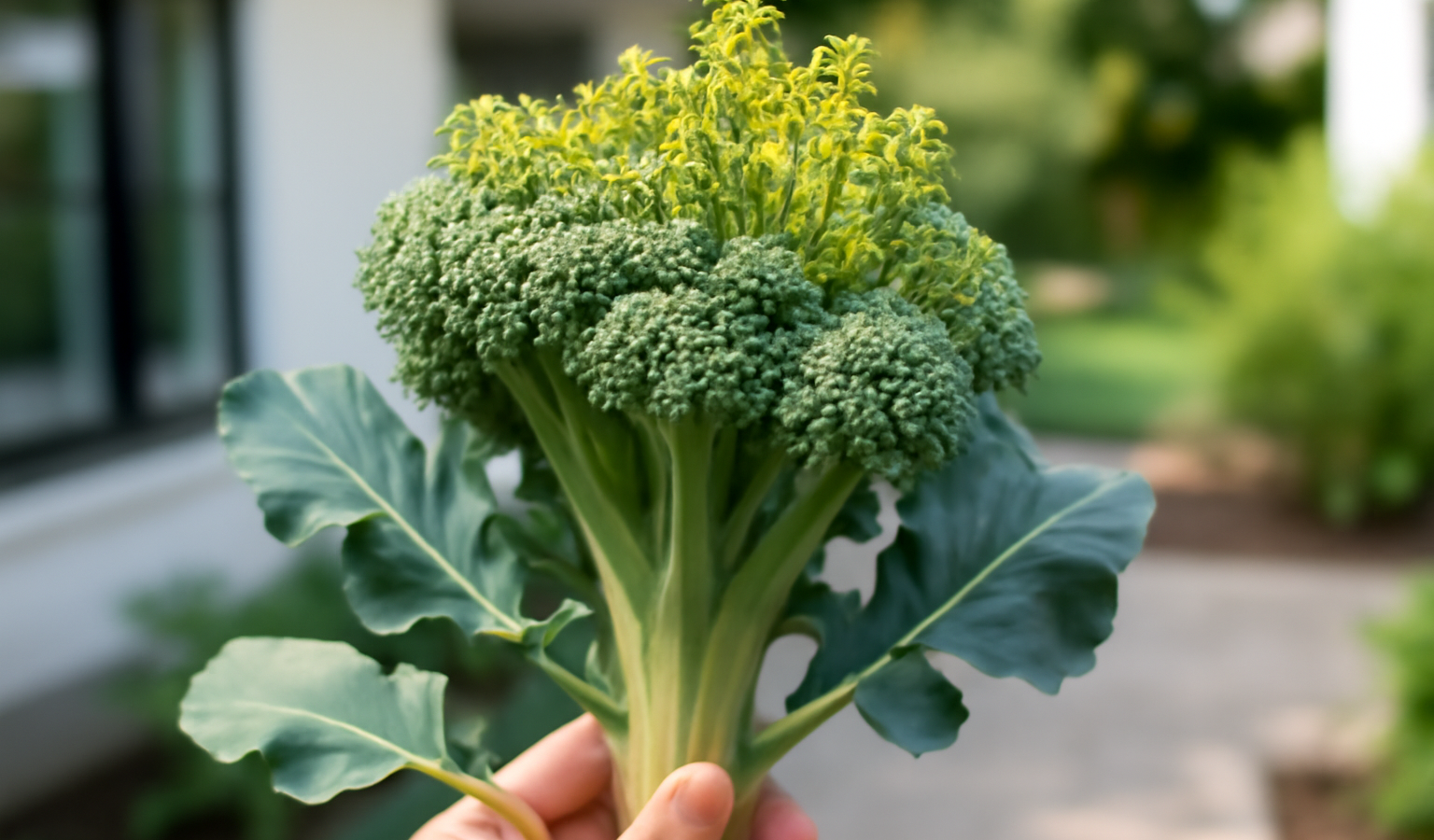
You walk out to the garden expecting a tight blue-green dome and instead you find a loose, leggy spray of yellow buds opening into flowers. That is bolting, and with broccoli it is almost always a stress signal. Broccoli is a cool-season biennial that we grow as an annual, and it heads up best when daytime temperatures sit between 60 and 70 degrees Fahrenheit. When the plant decides conditions are turning against it, whether that is creeping heat, a transplant that sat too long in a cell pack, or a dry spell, it abandons leaf-and-head production and races to flower and set seed before it dies. The head opens, the stems elongate, and the window for a good harvest slams shut. The good news is that bolting is diagnosable. Once you know what triggered it, you can usually pin down the cause within a season or two and stop fighting the same problem every spring. This guide walks through the most common reasons broccoli bolts, how to tell them apart in your own beds, and exactly what to change next time.
Key Takeaways
- Heat is the number-one trigger: sustained days above 75 to 80 degrees Fahrenheit push broccoli to flower instead of head.
- Root-bound or overgrown transplants that stalled in the pot are often pre-programmed to bolt within weeks of going in the ground.
- Any sharp stress, drought, a hard cold snap below 28 degrees on young plants, or a sudden nutrient crash, can flip the switch to flowering.
- Timing matters more than anything: count backward from your last 70-degree window so heads mature before the heat arrives.
- Once a plant has fully bolted you cannot reverse it, but you can still eat the immature buds and the tender young leaves.
Cause 1: Heat and Rising Temperatures
This is the cause behind most bolted broccoli, especially in spring plantings. Broccoli forms its head when the plant is in vegetative cruise control, and that happens reliably only while daytime highs stay in the 60 to 70 degree Fahrenheit range with nights in the 40s and 50s. Once you string together several days above 75 to 80 degrees, the plant interprets the warmth as a signal that summer, the death sentence for a cool-season crop, is coming. It switches from building leaves and a head to throwing up a flower stalk so it can reproduce before it cooks. A spring crop that was timed a few weeks too late, or that got ambushed by an early heat wave, will bolt no matter how healthy it looks.
How to diagnose
Look at the calendar and the thermometer together. If your broccoli started opening up right after a run of warm days, three or four afternoons in the upper 70s or 80s, heat is your culprit. The tell-tale sign is that the head loosens and stretches before the individual buds even reach a usable size, and the bolting often shows across the whole bed at once rather than on one stray plant. Spring plantings that were transplanted in late April or May in zones 6 and 7 frequently run into this, because the head is still maturing in June just as temperatures climb. Check your local average: in much of the country, daytime highs cross 80 degrees by late June, and broccoli simply cannot finish in time if it was set out late.
How to fix
You cannot un-bolt a heat-stressed plant, so the fix is for next round. Shift your main crop to fall, where temperatures fall into broccoli’s sweet spot instead of climbing out of it. For a fall crop, count back 85 to 100 days from your first expected fall frost and start seeds then, usually mid to late summer; the heads mature as the weather cools and quality is almost always better than spring. If you insist on a spring crop, transplant as early as your soil and frost dates allow, often four to six weeks before your last frost, so the head finishes before the heat. Choose heat-tolerant varieties bred to hold under stress, such as ‘Belstar’, ‘Green Magic’, or ‘Gypsy’. Mulch heavily with two to three inches of straw to keep roots cool, and rig 30 to 50 percent shade cloth over the bed once highs start pushing past 75 degrees. For more on matching crops to your conditions, see our Plants & Flowers growing hub.
Cause 2: Root-Bound or Overgrown Transplants
A surprising amount of bolting is locked in before the plant ever reaches your garden. Broccoli starts that sit too long in a small cell, six or eight weeks in a 1.5-inch plug, become root-bound and stressed. Worse, broccoli can be vernalized: if a young plant with a stem thicker than a pencil is exposed to a stretch of cold while it is sitting in those cramped trays, it reads that cold as a completed winter and decides it is time to flower come spring. Big, leggy, yellowing transplants from the garden-center clearance rack are the classic offenders. They look like a bargain and they bolt within two to three weeks of planting.
How to diagnose
Pop a struggling plant out of the ground, or recall what the transplant looked like going in. If the root ball was a dense white spiral wound tightly around the shape of the pot, it was root-bound. If the start was tall and floppy with a woody stem and the lower leaves had already yellowed, it had been held too long. Plants that bolt this way usually do so fast, well ahead of any heat, and they often head up poorly or produce a button-sized head before flowering. If only your purchased transplants bolted while your direct-sown or freshly started plants are fine, the transplants were the problem.
How to fix
Use young, vigorous transplants and get them in the ground on time. The ideal broccoli start is four to six weeks old with three to four true leaves, a stem about the thickness of a pencil, and roots that fill but do not circle the cell. When you buy starts, skip anything tall, woody, or already showing flower buds, and avoid trays that have clearly been outside through cold nights. If you grow your own, pot up promptly so roots never strangle, and harden off over seven to ten days rather than dumping tender plants straight into shock. Space transplants 18 inches apart in rows 24 to 36 inches apart so each plant establishes without competition. A plant that goes in young and unstressed has no reason to think its life is nearly over.
Cause 3: Drought and Inconsistent Watering
Broccoli is shallow-rooted and thirsty, and it punishes you for letting the bed dry out. When the soil swings from soggy to bone-dry and back, or when a heat wave coincides with a missed watering, the plant experiences that as an existential threat and may bolt in response. Moisture stress also stunts the head, so even plants that do not flower outright can produce small, bitter, loose curds. Sandy soils and containers dry fastest and are the most common sites for drought-triggered bolting.
How to diagnose
Stick a finger two inches into the soil near the base of the plant. If it is dry and crumbly there during active growth, your broccoli has been running short on water. Wilting in the afternoon that does not fully recover overnight, leaves with a dull bluish cast, and crispy lower-leaf margins all point to moisture stress. Container-grown broccoli that bolted while in-ground plants of the same variety held is a strong signal that pots dried out between waterings. Pair this with a look at recent weather: a dry, windy week with no irrigation is a textbook setup.
How to fix
Aim for steady moisture, roughly 1 to 1.5 inches of water per week, more in heat or sandy ground, delivered consistently rather than in feast-or-famine swings. Drip irrigation or soaker hoses on a timer take the guesswork out and keep water off the foliage. Mulch with two to three inches of straw or shredded leaves to slow evaporation and buffer the soil temperature, which helps with the heat problem too. For containers, use pots at least 12 inches deep and check them daily in warm weather; a five-gallon container can dry out in a single hot afternoon. The goal is soil that stays evenly damp like a wrung-out sponge, never swinging to extremes.
Cause 4: Cold Snaps and Vernalization Stress
Heat gets the blame most often, but cold is the other side of the same coin. Broccoli is biennial, and prolonged cold tells the plant it has lived through a winter, which is the natural cue to flower the following season. When young transplants that already have a pencil-thick stem hit a stretch of cold weather, days below 50 degrees Fahrenheit, or worse a frost dipping below 28 to 30 degrees, they can be tricked into bolting once it warms back up. This is why broccoli set out too early, before the weather has settled, sometimes flowers prematurely despite the cool conditions you thought it would love.
How to diagnose
Think back to a cold snap roughly two to four weeks before the bolting appeared, particularly if it followed an unusually warm spell that woke the plants up first. The classic pattern is an early spring transplant, a surprise hard frost or a run of nights in the 30s, then warmer days, and within a few weeks the plants throw flower stalks even though daytime temperatures never got hot. Plants exposed to this are usually only modestly sized when they bolt. If the cold hit while your starts were sizable, stem already thick, the vernalization explanation fits.
How to fix
Do not rush spring planting. Wait until the worst of the cold has passed and protect young plants when a frost threatens. Floating row cover or a cloche over the bed keeps the temperature around the plants several degrees warmer on a frosty night and prevents the cold shock that drives early flowering. Transplant when daytime temperatures are reliably in the 50s and 60s rather than gambling on the first warm week of March. Keep starts small and unhardened to the cold until you are genuinely ready to plant out, since the small, juvenile plants are far less prone to vernalization than older ones. When in doubt, a fall crop sidesteps this risk entirely. If forked roots and other cool-season puzzles are on your mind too, our guide on why carrots fork covers another stress-driven problem with similar prevention logic.
Cause 5: Plant Age, Day Length, and Variety
Sometimes nothing dramatic went wrong; the plant simply ran out its clock. Every broccoli variety has a days-to-maturity figure, commonly 55 to 100 days from transplant, and a plant left in the ground well past that point will eventually flower regardless of weather. Lengthening spring days also nudge the plant toward reproduction, which is one reason spring crops feel like they bolt on a hair trigger compared to fall crops growing into shorter days. And some open-pollinated or short-season varieties are genetically quicker to bolt than the steady hybrids bred for heat tolerance.
How to diagnose
Check the variety’s days to maturity against how long the plant has actually been growing. If you are well past that number, age alone explains it. If the head matured normally, you harvested the main crown, and then the side shoots started flowering quickly, that is also a normal end-of-life pattern rather than a problem. Bolting that happens across the board in a spring crop as days stretch toward the summer solstice, with no heat wave or drought to blame, points to day length and timing. If one variety bolted while another planted the same day held tight, the difference is genetic.
How to fix
Harvest on time. Cut the main head while the buds are still tight and the head is firm, before any yellow shows, even if it seems a little small; a head that has begun to loosen is already on its way to bolting. For variety, lean on dependable hybrids like ‘Belstar’, ‘Green Magic’, or ‘Arcadia’ for fall, and avoid pushing the fastest-maturing types through warm spring weather. Succession-plant in small batches two to three weeks apart so you always have a crop hitting its prime in the right window rather than a single planting that all ages out at once. Whether you grow in soil or another medium, matching variety to season is what keeps the harvest coming; our overview of hydroponics versus soil touches on how growing method affects temperature control for sensitive crops like this.
How to Prevent Broccoli Bolting
Prevention comes down to giving broccoli the cool, steady, uninterrupted run it needs to head up before any stress flips it into flowering. Start with timing, which is the single biggest lever you have. In most regions a fall crop outperforms a spring crop because temperatures fall into the 60 to 70 degree range as the plant matures instead of rising out of it; start seeds 85 to 100 days before your first fall frost. If you grow in spring, get young, unstressed transplants in early, four to six weeks before your last frost in zones 5 through 7, so the head finishes before highs reach 80 degrees.
Use the right plants and treat them gently. Set out four-to-six-week-old starts with pencil-thick stems, never root-bound or already budding, and harden them off over seven to ten days. Protect them from both extremes: row cover against late frosts below 28 degrees, and 30 to 50 percent shade cloth plus straw mulch once heat threatens. Keep moisture consistent at 1 to 1.5 inches per week, ideally on drip, and feed steadily with a balanced approach so the plant never experiences a nutrient crash mid-season. Finally, choose heat-tolerant hybrids, succession-plant in small batches, and harvest the moment the head is firm and full but still tight. Do those things and bolting stops being a yearly frustration and becomes a rare exception.
Frequently Asked Questions
Can I still eat broccoli that has bolted?
Yes. As long as the flowers have only just started opening, the buds and tender stems are still perfectly edible and only slightly less sweet. The young leaves are good too, cooked like any other green. Once the plant is in full yellow bloom the texture turns stringy and the flavor goes bitter, but you can let those flowers go and harvest the seeds, or pull the plant and replant.
Will broccoli grow back or re-head after bolting?
The main head will not reform once it has bolted; flowering is a one-way switch. However, many varieties produce smaller side shoots from the leaf axils after you cut the main crown, and those can keep coming for weeks if the plant has not fully gone to flower. Keep the plant watered and cut shoots promptly while their buds are still tight to extend that secondary harvest.
What temperature makes broccoli bolt?
Broccoli heads best between 60 and 70 degrees Fahrenheit. Sustained daytime highs above 75 to 80 degrees are the main trigger for bolting in spring crops. On the cold end, prolonged temperatures below 50 degrees, or a frost under 28 to 30 degrees, on an already-sizable young plant can vernalize it and cause it to flower once warmth returns.
Is spring or fall better for growing broccoli?
Fall is usually better in most of the country. A fall crop matures as temperatures drop into broccoli’s ideal range and days shorten, both of which discourage bolting, so heads tend to be larger, tighter, and sweeter. Spring crops can succeed if you plant early and choose heat-tolerant varieties, but they run a constant race against rising temperatures and lengthening days.
How do I know when to harvest broccoli before it bolts?
Harvest when the head is full-sized for the variety, firm to the touch, and the buds are still tight and deep green. The moment you see the buds loosening, the head doming up unevenly, or any hint of yellow, cut it immediately, even if it looks small. Waiting for a bigger head once those signs appear almost always means it bolts before it gains much size.