

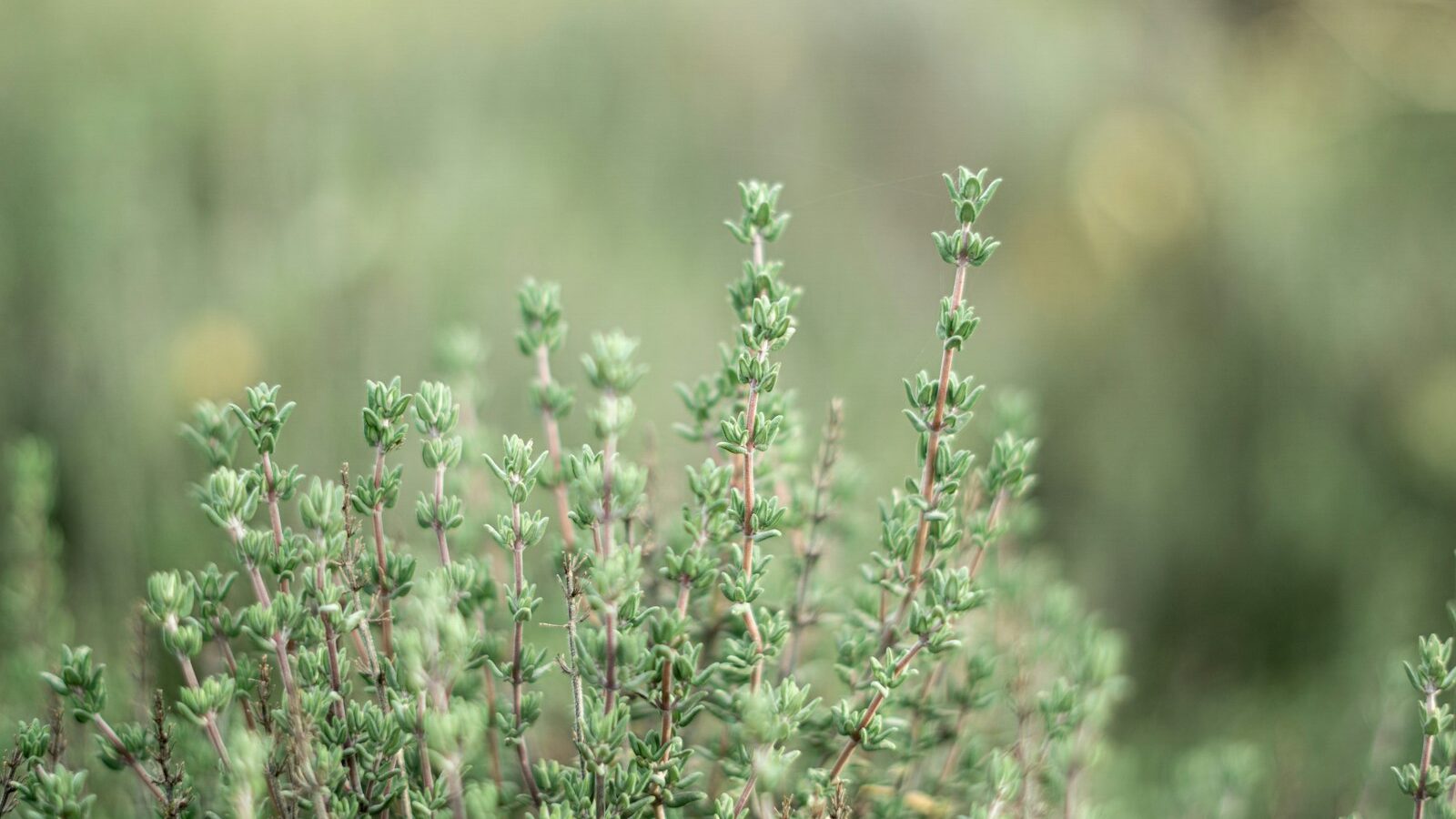
Anise hyssop (Agastache foeniculum) is one of those rare plants that earns a spot in the herb garden, the flower border, and the pollinator patch all at once. Crush a leaf and you get a clean, sweet licorice-anise scent; let it flower and you get tall lavender-purple spikes that bees, butterflies, and hummingbirds work from morning to dusk all summer. It is neither a true anise nor a true hyssop — it is a North American prairie mint — and it is hardy, drought-tolerant, and almost foolproof once established. This guide covers planting from seed or transplant, zones, spacing, harvesting leaves and flowers, culinary uses, and how to manage its enthusiastic reseeding.
Key Takeaways
- Grow in full sun and well-drained soil; hardy as a perennial in USDA zones 4–8.
- Space plants 15–18 inches apart; they form upright clumps 2–4 feet tall.
- Both leaves and flowers are edible — sweet licorice flavor for teas, baking, salads, and garnishes.
- It is a top pollinator plant and a magnet for bees, butterflies, and hummingbirds.
- It self-seeds freely; deadhead to control it, or leave seed heads for birds and free seedlings.
What Is Anise Hyssop?
Anise hyssop is a clump-forming perennial in the mint family, native to the upper Midwest and Great Plains. It grows 2–4 feet tall on square stems with soft, slightly toothed leaves that are gray-green beneath, topped from midsummer to fall by dense, fuzzy spikes of small lavender to violet-blue flowers. The whole plant smells of anise and licorice when brushed. Despite being a mint, it grows from a tidy crown rather than aggressive runners, so it stays in a clump — its spread comes from seed, not roots.
Several relatives and cultivars are sold under the Agastache umbrella. ‘Blue Fortune’ is a popular sterile-leaning hybrid that flowers heavily with less reseeding; ‘Golden Jubilee’ has chartreuse foliage; and the orange- and pink-flowered hummingbird mints (Agastache hybrids) are showier but less cold-hardy and shorter-lived. For culinary use and reliable hardiness, true Agastache foeniculum is the species to grow.
Where to Plant: Sun, Soil, and Zones
Give anise hyssop full sun — at least six hours — for the strongest scent, the best flowering, and the sturdiest stems. It tolerates light afternoon shade but gets floppy and blooms less in real shade. It is a fine choice for sunny herb beds, the back of a border, and pollinator and cottage gardens.
Soil needs to be well-drained above all. Anise hyssop is drought-tolerant and prairie-adapted; it handles lean, average, sandy, or rocky soil and a pH from 6.0 to 7.5. What it cannot abide is wet feet, especially in winter — soggy clay is the most common cause of crown rot and lost plants. If your soil is heavy, work in coarse grit, plant on a slight mound, or use a raised bed. It is reliably perennial in USDA zones 4–8 and short-lived or annual outside that range. Like other prairie herbs, it does best on lean ground rather than rich, heavily fed soil.
Planting Anise Hyssop
From Seed
Anise hyssop is easy from seed and often blooms its first year if started early. The seed germinates best with a cold-moist period, so either direct-sow in fall, or stratify in the fridge for two to four weeks before sowing indoors 8–10 weeks ahead of the last frost. Surface-sow and barely cover — the seed needs light — and keep it at 65–70°F; germination takes 1–4 weeks. Transplant out after danger of frost. Direct spring sowing also works once the soil warms, though those plants may not flower until the second year.
From Transplants and Division
Set out nursery transplants in spring after the last frost, planting at the same depth as the pot with the crown at soil level, and space 15–18 inches apart to allow air movement around the dense foliage. Water in well and keep evenly moist for the first few weeks; afterward it is drought-tolerant. Established clumps can be divided in early spring every three to four years to rejuvenate them and make new plants — lift the clump, split the crown into sections each with roots and shoots, and replant.
Watering, Feeding, and Routine Care
Once established, anise hyssop asks very little. Water deeply only when the top 1–2 inches of soil are dry — roughly weekly in hot, dry weather, less otherwise. It tolerates drought far better than excess water; overwatering and poor drainage cause root rot and powdery mildew. Go easy on fertilizer: lean soil yields the most aromatic leaves and the sturdiest, most upright stems, while rich feeding produces floppy growth and weaker fragrance. A thin compost topdressing in spring is all it needs. For more on right-sizing water for unthirsty plants, see our notes on growing drought-tolerant herbs and perennials.
Keep mulch thin and away from the crown to prevent rot. Tall stands occasionally flop in rich soil or part shade; pinching the growing tips once in late spring produces bushier, more self-supporting plants with more flower spikes. Good air circulation is the main defense against the powdery mildew that can dust the leaves in humid weather.
Harvesting and Culinary Use
Both leaves and flowers are edible and carry that signature sweet licorice-anise flavor. Harvest leaves anytime through the season, but their flavor and aromatic oils peak just before the plant flowers — snip young, tender leaves in the morning after the dew dries. Pick flower spikes when about half the tiny florets on a spike have opened; the individual flowers make a striking edible garnish.
In the kitchen, anise hyssop shines as a tea, fresh or dried, used alone or blended to add natural sweetness without sugar. Chop fresh leaves into fruit salads, summer drinks, and salad dressings; use them to flavor sorbets, jellies, and baked goods where you would use anise or fennel; and scatter the lavender florets over cakes and salads for color. The flavor is sweeter and softer than true anise, so it does not overpower. To preserve the harvest, hang-dry small bundles of stems in a warm, dark, airy spot, then strip and store the leaves in airtight jars; the flowers also dry well for tea and arrangements. If you grow other licorice- and anise-scented herbs, the flavor pairs naturally with fennel and tarragon.
A Pollinator Powerhouse
Few garden plants pull in pollinators like anise hyssop. The long bloom season — often eight to ten weeks — and nectar-rich spikes make it a constant draw for honeybees, native bees, butterflies, and hummingbirds, and it is frequently among the busiest plants in a summer garden. It is also a productive nectar source for beekeepers. Planting it in a drift of three or more amplifies the effect and creates a reliable food bank through the late-summer gap when many spring flowers have finished. Pair it with other long-blooming sun-lovers to build a season-long pollinator border.
Reseeding, Overwintering, and Pests
Anise hyssop self-seeds freely, which is either a feature or a chore depending on your goals. To keep volunteers in check, deadhead spent flower spikes before the seed ripens. To let it naturalize — and to feed goldfinches and other birds on the seed through fall and winter — leave the seed heads standing. Either way, expect seedlings around the parent plant; they are easy to pull, transplant, or share. Leaving the dried stems up over winter also protects the crown and adds structure to the dormant garden, in keeping with the leave-it-standing approach in our guide to cutting back perennials in fall.
Within its hardiness range it overwinters with no special care beyond sharp drainage; wet winter soil is the main risk. Cut the old stems back to a few inches in early spring as new growth emerges. Pests are few — the aromatic foliage deters deer and rabbits, and serious insect damage is rare. The main disease is powdery mildew in humid conditions, prevented by full sun, wide spacing, and avoiding overhead watering. Crown and root rot occur only in poorly drained, overwatered soil.
Frequently Asked Questions
Is anise hyssop a perennial, and is it invasive?
It is a clump-forming perennial hardy in zones 4–8. Although it is in the mint family, it does not spread by runners, so it stays in a tidy clump. Its only spreading habit is self-seeding, which is easy to control by deadheading the flower spikes before the seed ripens.
Can you eat anise hyssop, and how is it used?
Yes — both leaves and flowers are edible with a sweet licorice-anise flavor. Use the leaves fresh or dried for tea, in fruit salads, drinks, dressings, sorbets, jellies, and baked goods, and scatter the lavender florets as an edible garnish. The flavor is milder and sweeter than true anise, so it rarely overpowers a dish.
When should I harvest anise hyssop leaves?
Leaf flavor and aromatic oils are strongest just before the plant flowers, so pick young leaves in the morning after the dew dries for the best taste. You can harvest leaves throughout the season, and pick flower spikes when about half the florets on a spike have opened.
Does anise hyssop attract pollinators?
Strongly — it is one of the best pollinator plants you can grow. Its long-blooming, nectar-rich spikes draw honeybees, native bees, butterflies, and hummingbirds for weeks in summer. Planting it in a drift of three or more makes it even more of a magnet and helps fill the late-summer nectar gap.
How do I grow anise hyssop from seed?
Give the seed a cold-moist period first — fall-sow outdoors, or stratify in the fridge for two to four weeks before sowing indoors 8–10 weeks before last frost. Surface-sow and barely cover, since it needs light, and keep it at 65–70°F. Early-started plants often bloom the first year; later sowings may wait until year two.