

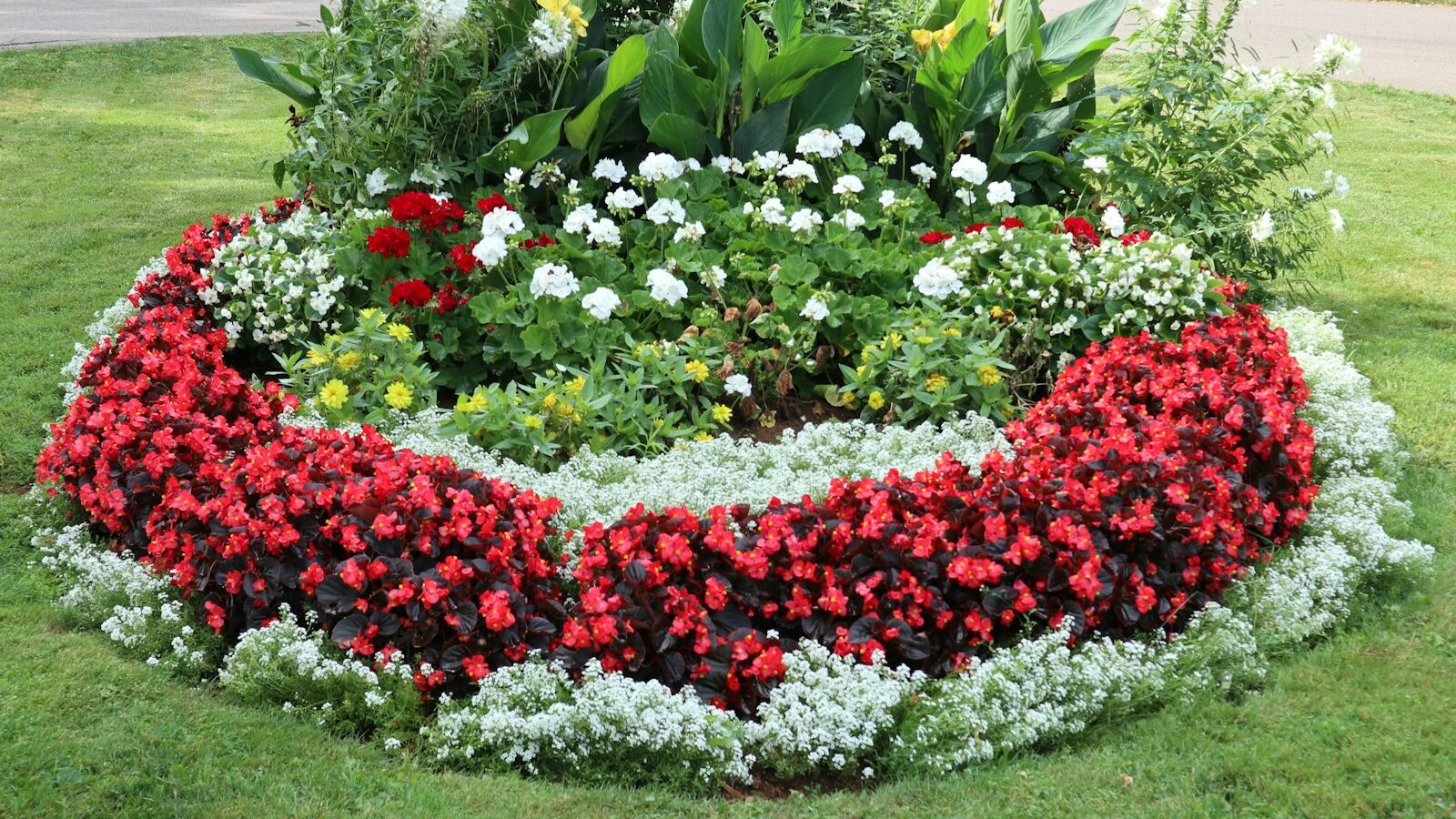
Weeds in flower beds aren’t just an eyesore. They steal water, nutrients, and sunlight from the ornamentals you actually want, and a single weed left to seed can set you up for hundreds more next season. The good news is that getting rid of weeds in flower beds is mostly about technique and timing, not endless backbreaking labor. This guide walks you through pulling them the right way, blocking new ones with mulch and pre-emergents, spot-treating with care near desirable plants, and building beds that crowd weeds out for good.
Key takeaways
- Pull weeds when soil is moist to get the roots
- 2-3 in of mulch blocks most weed seeds
- Pre-emergent stops new weeds (mind your own seedlings)
- Spot-treat carefully near desirable plants
- Dense planting & edging keep weeds out long-term
As an Amazon Associate we earn from qualifying purchases.
Start by pulling and hoeing the right way
Hand-pulling and hoeing are still the fastest, cheapest, and safest way to clear weeds from a flower bed. The trick is doing it when conditions are on your side and removing the whole plant, not just the top. A weed snapped off at the soil line will simply resprout from the root, so you want roots and all.
Pull when the soil is moist
Damp soil releases roots far more easily than dry, compacted ground. Weed the day after rain or after a deep watering, when the top few inches are soft but not muddy. Grip the weed low, right at the base, and pull slowly and steadily so the taproot slides out intact. Tap-rooted weeds like dandelion, dock, and thistle especially need this approach; if the root snaps, the crown left behind will regrow within weeks. A hand weeder or fishtail tool helps you lever stubborn roots out cleanly.
Hoe shallow weeds on a dry, sunny day
For a flush of small seedlings between plants, a hoe is faster than pulling each by hand. Use a sharp stirrup or scuffle hoe held nearly flat and skim just below the soil surface to slice weeds off at the root. Do this on a warm, dry day so the severed seedlings shrivel in the sun instead of re-rooting. Keep the cut shallow, an inch or less, so you sever weeds without dragging up buried weed seeds or disturbing the roots of your ornamentals. A quality stirrup garden hoe makes quick weekly passes nearly effortless.
- Weed after rain or watering, when roots slide out easily.
- Get the whole root on tap-rooted weeds, or they regrow.
- Hoe shallow on dry days so seedlings dry out and die.
- Stay shallow to avoid surfacing dormant weed seeds.
Smother weeds, then mulch to keep them out
Clearing existing weeds is only half the job. Most weed seeds need light to germinate, so the single most effective long-term strategy is to block that light. Mulch does this beautifully and feeds your soil at the same time, while cardboard is the heavy-duty option for badly overrun beds.
Lay down 2-3 inches of mulch
A 2 to 3 inch layer of mulch is the sweet spot. Thinner than that and light still reaches the soil; much thicker and you can starve plant roots of oxygen or hold too much moisture against stems. Shredded bark, wood chips, pine straw, and leaf mold all work well in ornamental beds and break down to enrich the soil over time. Keep mulch pulled a couple of inches back from plant crowns and tree trunks to prevent rot. Refresh it once or twice a year as it decomposes. If you’re unsure which material suits your beds, our guide to the types of mulch breaks down the pros and cons of each. You can also order bulk bark mulch for garden beds online if a local supplier isn’t handy.
Smother stubborn patches with cardboard
For a bed overrun with grass or perennial weeds, sheet mulching with cardboard is a game changer. Mow or knock down the growth, lay plain corrugated cardboard (remove tape and glossy print) over the area with edges overlapping by several inches, wet it thoroughly, then top it with 2 to 3 inches of mulch or compost. The cardboard blocks light and smothers what’s underneath while slowly breaking down over a few months, leaving improved soil. To plant through it, simply cut an X where you want each plant and tuck it into the soil below. This method is ideal for reclaiming a neglected bed without digging or chemicals.
Free, no-obligation quote · Connect with a local pro
Use pre-emergent herbicide to stop new weeds
Pre-emergent herbicides create an invisible barrier in the top layer of soil that stops weed seeds from establishing as they sprout. Used correctly in ornamental beds, a pre-emergent dramatically cuts how many weeds you ever have to pull. Used carelessly, it can wipe out the flowers and groundcovers you’re trying to grow from seed.
Get the timing right
Pre-emergents only work before weed seeds germinate, so timing is everything. Apply in early spring as soil temperatures climb toward 50 to 55 degrees Fahrenheit to catch summer annual weeds like crabgrass and spurge, and again in late summer or early fall to stop cool-season weeds. After spreading the product, water it in lightly to activate the barrier, then leave the soil undisturbed; hoeing or digging breaks the protective layer and lets weeds through. Look for a formula labeled specifically for flower and shrub beds, such as one based on trifluralin or a corn gluten meal organic option. A bed-safe ornamental bed pre-emergent herbicide takes the guesswork out of choosing.
Protect your own seedlings
Here’s the crucial caution: a pre-emergent can’t tell the difference between a weed seed and a flower seed. If you direct-sow annuals like zinnias, cosmos, or poppies, or you’re counting on desirable plants to self-seed, do not apply pre-emergent to those areas. It’s safe around established transplants, shrubs, and perennials that grow from roots, but it will stop your own seedlings cold. When in doubt, wait until your intended seedlings are up and growing before treating the surrounding open soil, and always follow the label for plants listed as tolerant.
Spot-treat tough weeds carefully near plants
Some perennial weeds, deep tap roots, and weeds woven into the crowns of desirable plants resist pulling. For these, a targeted spot treatment can help, but precision matters because most weed killers harm anything green they touch. The goal is to hit the weed and nothing else.
Shield desirable plants when using glyphosate
Glyphosate is a non-selective, systemic herbicide, meaning it travels down into the roots and kills whatever it lands on. It can be effective on stubborn perennial weeds, but you must shield nearby ornamentals. Spray on a calm, windless day to avoid drift, and slip a plastic bottle with the bottom cut off or a piece of cardboard over the weed to contain the spray. For a single weed in a tight spot, painting the herbicide directly onto the weed’s leaves with a foam brush or sponge applicator gives you total control. Always read and follow the product label.
Try organic vinegar or iron-based options
If you’d rather skip synthetic herbicides, horticultural vinegar (around 20 percent acetic acid, far stronger than kitchen vinegar) burns down weed foliage on contact. It’s non-selective too, so the same shielding precautions apply, and it works best on young weeds on a hot, sunny day. Because it kills only the top growth, perennials often need repeat treatments. Iron-based (chelated iron) herbicides are another organic choice that’s especially good on broadleaf weeds and gentler on surrounding soil. Whichever you choose, spot-treat rather than blanket-spray, and keep treatments away from anything you want to keep.
Crowd weeds out with dense planting and ground covers
Bare soil is an open invitation for weeds. Nature abhors a vacuum, and if you don’t fill the space, weeds will. The most sustainable weed control is a bed so full of desirable plants that weed seeds never get the light or room to take hold.
Plant densely and add ground covers
Space your perennials and shrubs so they’ll knit together as they mature, leaving little open ground. In the gaps, low-growing ground covers like creeping thyme, ajuga, sweet woodruff, or creeping phlox form a living mulch that shades out weeds while adding color and texture. Once established, a thick ground cover all but eliminates hand-weeding in that area. Our roundup of the best ground cover plants can help you match a spreader to your light and soil. Pair dense planting with mulch in the first year or two while everything fills in.
Edge beds to stop grass creeping in
A huge share of flower-bed weeding is just fighting lawn grass that creeps in from the edges. A clean, defined edge stops it. Cut a sharp 4 to 6 inch deep trench between lawn and bed with a half-moon edger, or install a physical barrier of steel, aluminum, or brick edging set below the soil line. The trench or barrier severs the underground runners grasses use to invade, so you spend far less time pulling turf out of your tulips. Re-cut a spade edge once or twice a season to keep it crisp. If creeping grass is also taking over the lawn itself, see our guide on how to get rid of lawn weeds.
Free, no-obligation quote · Connect with a local pro
Never let weeds go to seed
The old saying “one year’s seeding makes seven years’ weeding” is painfully accurate. A single pigweed or lamb’s quarters plant can drop tens of thousands of seeds, many of which stay viable in the soil for years. Breaking the seed cycle is the difference between a weeding chore that shrinks every season and one that never ends.
Pull or cut weeds before they flower
Walk your beds weekly during the growing season and pull or hoe weeds while they’re small, well before they set flowers and seed. If a weed has already flowered or gone to seed, snip off and bag the seed heads before pulling so you don’t shower the bed as you remove it. Don’t toss seedy weeds into your compost pile unless it runs hot enough to kill the seeds; bag them or send them to municipal green waste instead. A few minutes of consistent upkeep beats hours of catch-up weeding later, and it keeps the seed bank in your soil steadily declining year after year.
- Patrol beds weekly and remove weeds while young.
- Bag any seed heads before pulling to avoid scattering seeds.
- Keep seedy weeds out of cool compost piles.
- Consistency shrinks the soil seed bank over time.
Put these layers together and weeding becomes a light, occasional task rather than a constant battle. For more ideas on building low-maintenance, beautiful beds and borders, explore our complete outdoor living guide.
Frequently asked questions
What is the fastest way to get rid of weeds in flower beds?
Pull or hoe the existing weeds when the soil is moist so the roots come out cleanly, then immediately lay down 2 to 3 inches of mulch to block light and stop new seeds from sprouting. This one-two punch clears the bed and keeps it clear with far less ongoing effort.
Will mulch really stop weeds from growing?
A 2 to 3 inch layer of mulch blocks the light most weed seeds need to germinate, so it stops the large majority of new weeds. A few may still blow in and root on top, but they pull out of the loose mulch easily. Refresh the mulch once or twice a year as it breaks down.
Is vinegar safe to use around my flowers?
Horticultural vinegar kills weeds on contact, but it’s non-selective and will damage any plant it touches, including your flowers. Spot-treat carefully on a calm, sunny day and shield nearby ornamentals. It only burns the top growth, so deep-rooted perennials usually need repeat applications.
When should I apply a pre-emergent in my flower beds?
Apply in early spring as soil warms to about 50 to 55 degrees Fahrenheit to stop summer weeds, and again in late summer for cool-season weeds. Water it in to activate it. Never use pre-emergent where you’re direct-sowing flowers or want plants to self-seed, since it stops desirable seeds too.
How do I stop grass from creeping into my flower beds?
Create a clean physical barrier between lawn and bed. Cut a sharp 4 to 6 inch deep trench with a half-moon edger, or install steel, aluminum, or brick edging below the soil line. This severs the underground runners grasses use to invade, and a quick re-cut once or twice a season keeps it effective.
Want a pro for weeding & bed care?
Compare free, no-obligation quotes from vetted local gardening pros near you.