

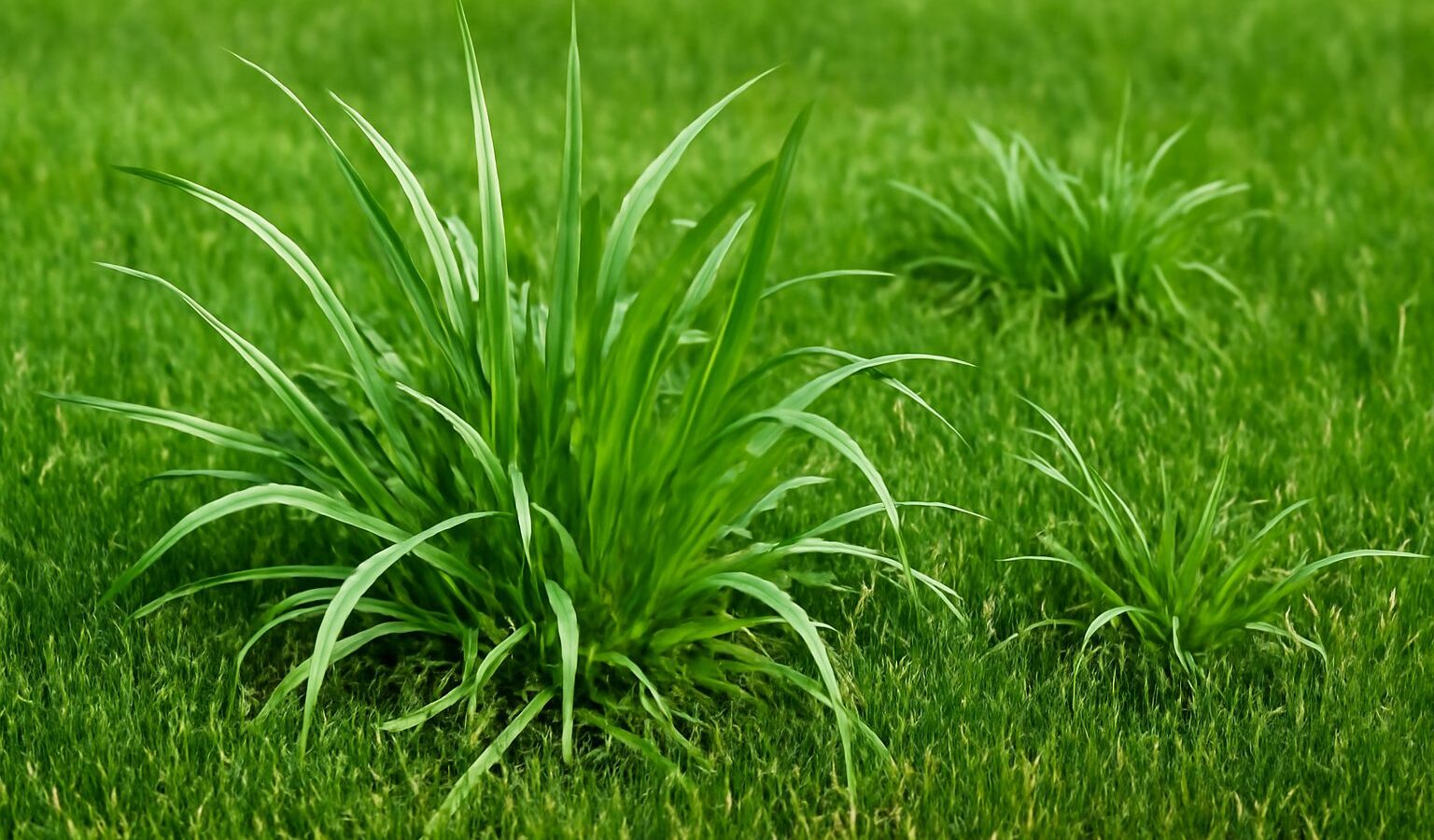
Quackgrass (Elymus repens) is one of the most frustrating weeds in a home lawn or garden bed because it does not behave like an ordinary weed. It spreads almost entirely by long, white, jointed underground stems called rhizomes, and a single plant can push those rhizomes several feet in a season. Snap one off while weeding and every fragment left behind sprouts a brand-new plant. That is why the patch you “pulled” last month is back and bigger. Getting rid of quackgrass for good means attacking the rhizome network, not just the blades you see on the surface, and then closing the door behind you with a dense, competitive lawn. This guide walks through positive identification, the realistic removal methods that actually work, the herbicide timing that matters, and the long-game prevention that keeps it from creeping back in.
Key Takeaways
- Quackgrass spreads by white, jointed rhizomes — pulling tops alone makes it worse, so you must remove or kill the underground stems.
- Confirm ID by the clasping leaf “auricles” that wrap the stem and the coarse blue-green blades that outpace your turf.
- For small patches, dig 8–10 inches deep and sift out every rhizome fragment; for large areas, a non-selective glyphosate spot-spray in early fall is most effective.
- There is no selective herbicide that kills quackgrass in a lawn without killing the desirable grass too.
- Prevent reinfestation with thick turf: mow high (3–3.5 in), overseed bare spots, and fertilize the lawn so it outcompetes invaders.
How to Identify Quackgrass
Before you wage war, make sure you are fighting the right enemy. Quackgrass is routinely confused with crabgrass and tall fescue, but the controls are completely different, so a wrong ID wastes a whole season. Quackgrass is a cool-season perennial — it greens up early in spring and persists year after year — while crabgrass is a warm-season annual that dies every fall and returns from seed. If a coarse grass is thriving in your lawn in April and May, it is far more likely quackgrass than crabgrass.
Look for these specific traits. The blades are flat, coarse, and a dull blue-green to gray-green, noticeably wider and faster-growing than Kentucky bluegrass or fine fescue, so the patch looks shaggy a day or two after you mow. The clinching feature is at the base of the leaf where it meets the stem: quackgrass has prominent, claw-like auricles — two small finger-like projections that clasp completely around the stem. Crabgrass has no auricles. The leaves are rough to the touch when you slide a finger from tip to base. Pull a plant gently and you will see the giveaway: long, slender, white-to-straw-colored rhizomes with distinct joints (nodes) every inch or so, often sharp-tipped where they punch through soil and even through potato tubers or other roots. That rhizome is what makes quackgrass so persistent.
Why Quackgrass Is So Hard to Kill
The whole battle comes down to the rhizome. Each node on that underground stem holds a dormant bud, and any node can become a new shoot. When you yank the green tops or rototill the soil, you do not remove the rhizomes — you chop them into dozens of pieces, and every piece with a node regrows. Tilling a quackgrass patch is the single most common way gardeners accidentally multiply it. A mature stand can hold a tangled mat of rhizomes in the top 4–8 inches of soil, and it also produces seed, so it has two ways to spread.
This biology drives every decision below. There is currently no selective herbicide for home use that kills quackgrass growing inside a cool-season lawn while sparing the bluegrass, ryegrass, or fescue around it — they are too closely related. So your realistic options are physical removal of the entire rhizome system, non-selective herbicide that the plant carries down into the rhizomes, smothering, or a combination. Pick your method based on patch size and how much disturbance you can tolerate.
Method 1: Digging Out Small Patches
For a patch up to a few square feet, careful digging is the most reliable organic fix — but it has to be done thoroughly. Water the area a day ahead so the soil is moist and the rhizomes pull more freely. Then, instead of grabbing the tops, use a spading fork (not a tiller) to loosen a block of soil 8–10 inches deep and 6–8 inches wider than the visible patch, because the rhizomes always run beyond the green growth.
Lift the loosened soil and tease the rhizomes out by hand, following each white stem to its end and removing it intact. Sift the soil with your fingers or through a piece of hardware cloth and pick out every pale fragment — a piece as short as an inch with one node can restart the patch. Bag the rhizomes for the trash; never compost them and never shake them out onto the lawn. After you think you are done, watch the spot for 3–4 weeks. New blades will reveal any rhizome you missed; dig those promptly before they re-establish a network. Two or three follow-up passes over a season is normal, and it is the price of doing it without chemicals.
Method 2: Smothering Larger Areas
If quackgrass has taken over a future garden bed or a section you are willing to take offline, smothering starves the rhizomes of light. Mow or cut the area as low as possible, then cover the entire patch — plus a generous foot-wide margin all around — with overlapping cardboard or 6+ sheets of newspaper, then top with 4–6 inches of mulch, wood chips, or compost. The key is no light leaks at the edges, because rhizomes will simply travel sideways and surface beyond the cover.
Quackgrass is stubborn, so plan for the cover to stay in place a full growing season, ideally 6–12 months. Black plastic or heavy landscape fabric works faster than cardboard in hot climates because it cooks the soil, but it must be sealed at every edge and weighted down. Check the perimeter monthly and dig any rhizomes that escape. This method is patient work, but it requires no herbicide and leaves you with a workable bed afterward.
Method 3: Herbicide (Glyphosate Spot-Spray)
For large or deeply established stands, a non-selective systemic herbicide containing glyphosate is the most effective tool, because the plant absorbs it through the leaves and translocates it down into the rhizomes, killing the whole network rather than just the tops. Timing is everything. The best window is early fall, when the plant is naturally pulling sugars down into the rhizomes for winter and will carry the herbicide along with them. A late-spring application before seed heads form is the second-best window.
- Let the quackgrass grow to 6–8 inches of healthy, actively growing leaf so there is plenty of surface to absorb the spray; do not mow for a week or two beforehand.
- Spray on a calm, dry day with no rain forecast for 24 hours and temperatures above 60°F. Coat the blades thoroughly.
- Wait the full 7–14 days for the plant to brown completely. Do not pull or mow during this time — you want the chemical to keep moving into the rhizomes.
- A heavy stand often needs a second application 2–3 weeks later on any green regrowth.
- Once everything is dead, rake out the debris, then reseed or sod the bare area promptly so nothing recolonizes it.
Because glyphosate kills any green plant it touches, shield desirable plants with cardboard while you spray, or use a wick/sponge applicator to wipe the chemical directly onto quackgrass blades in a mixed bed. Always follow the product label rates and safety directions exactly.
Renovating a Lawn Overrun With Quackgrass
When quackgrass is woven all through the lawn rather than in discrete patches, spot treatment is hopeless and a full renovation is usually the honest answer. Spray the entire affected area with glyphosate in early fall as above, wait for a complete kill (a second pass on survivors), then rake or dethatch out the dead material. Once you confirm nothing is regreening, prepare the seedbed and overseed or lay sod with a quality cool-season blend. A thick new stand established on cleared ground gives you a clean slate — provided you stay on top of any rhizome survivors that push through in the first weeks.
Preventing Quackgrass From Coming Back
Quackgrass exploits weakness. It invades thin, stressed, or bare turf where it gets light and room. The durable defense is a dense, vigorous lawn that simply crowds it out. Mow cool-season grass tall — 3 to 3.5 inches — so the canopy shades the soil and starves new quackgrass shoots of light. Never scalp the lawn. Fertilize appropriately for your grass type so it stays thick, and overseed any thin or bare spots in late summer before opportunistic weeds can claim them.
Watch your edges. Quackgrass frequently invades from an untended fence line, alley, or neighboring bed, so keep a clean, defined border and inspect it each spring for the telltale coarse blades. Clean rhizomes off any tiller, fork, or boots before moving to a fresh part of the yard so you are not transporting fragments. And bring in only clean topsoil and weed-free mulch — contaminated fill is a classic way quackgrass arrives in the first place. If you are reworking the surrounding landscape, our guide to fixing a soggy, waterlogged lawn covers the drainage and soil-health basics that help turf stay competitive, and you can browse more turf and yard projects on the Outdoor Living hub. For another aggressive creeper that responds to similar tactics, see how to get rid of creeping Charlie.
Frequently Asked Questions
Will pulling quackgrass get rid of it?
No. Pulling removes the green tops but leaves the underground rhizomes, and any rhizome fragment with a node will sprout a new plant. Hand-pulling typically makes a stand denser. You must dig out the entire rhizome system or kill it systemically with herbicide.
What kills quackgrass but not grass?
For home lawns, nothing selective. Quackgrass is too closely related to lawn grasses for a selective herbicide to separate them. Your practical options are digging out the rhizomes, smothering, or a careful non-selective glyphosate spot-treatment that will also kill any desirable grass it contacts.
When is the best time to spray quackgrass?
Early fall is ideal, because the plant is moving sugars down into its rhizomes for winter and carries the herbicide along with them, killing the whole network. Late spring, before seed heads form, is the second-best window. Always spray actively growing, 6–8 inch foliage on a dry, calm day.
Is it quackgrass or crabgrass?
Quackgrass is a cool-season perennial that greens up early in spring, returns yearly, and has claw-like auricles clasping the stem plus white jointed rhizomes. Crabgrass is a warm-season annual with no auricles that dies each fall and regrows from seed. Spring growth and rhizomes point to quackgrass.
Can I just till quackgrass under?
Avoid it. Tilling chops the rhizomes into many fragments, and each one regrows, so you end up with far more quackgrass than you started with. Dig and remove rhizomes intact, smother the area, or kill it with herbicide before you ever bring a tiller near it.