

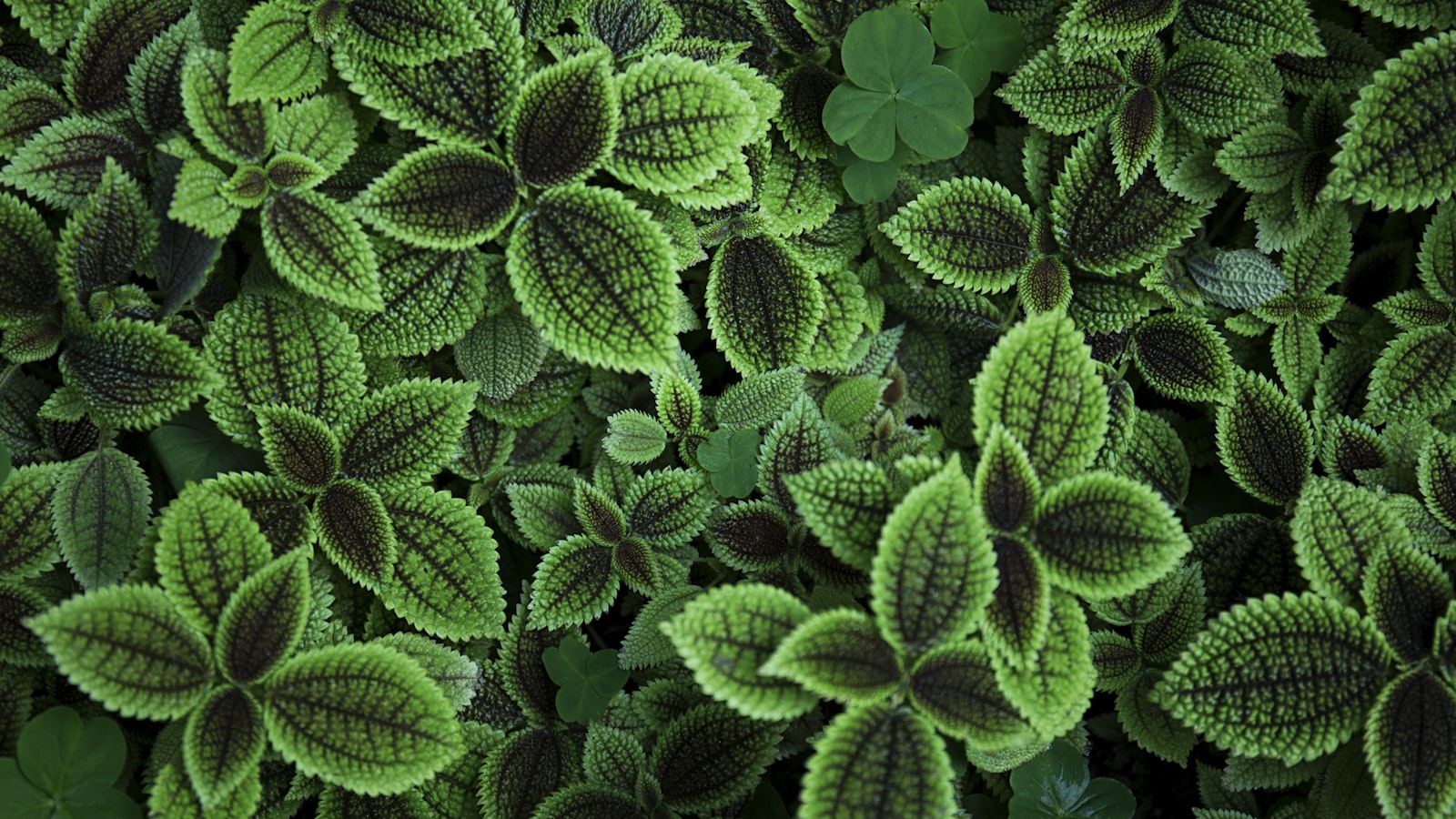
A patchy lawn, a shady strip where grass refuses to grow, or a steep slope that washes out every spring—these are the spots where ground cover plants earn their keep. The right low-growing, spreading plant knits the soil together, smothers weeds, and turns problem areas into something that looks intentional. Best of all, many ground covers ask for far less mowing, watering, and fussing than a traditional turf lawn.
Key takeaways
- Ground covers fight weeds, erosion & bare spots
- Match to sun vs shade & foot traffic
- Some are lawn alternatives (clover, creeping thyme)
- Watch fast spreaders near beds
- Mulch between plants while they fill in
Why plant ground covers?
Ground covers are the workhorses of a low-maintenance landscaping plan. Because they grow into a dense living mat, they crowd out weed seeds before they can sprout, which means less hand-pulling and less reliance on herbicides. On slopes and banks, their roots hold soil in place and slow runoff, making them one of the simplest fixes for erosion. They thrive in the awkward zones where lawns struggle—deep shade under trees, narrow side-yard strips, hellstrips between sidewalk and curb, and ground that is too steep or rocky to mow safely.
And then there is the biggest draw for many homeowners: replacing some or all of the lawn. A walkable ground cover or low-growing flowering mat can give you green underfoot without the weekly mowing, gas, fertilizer, and irrigation that turf demands. The trick is matching the plant to the site—sun versus shade, dry versus moist, and how much foot traffic it needs to handle. Get that match right and a ground cover will fill in, look better every year, and quietly do its job. For a broader view of how these areas fit into your yard, see our outdoor living guide.
Best ground covers for sun
These picks want at least six hours of direct sun and generally prefer well-drained soil. They are your go-to for hot, dry slopes, parking strips, and rock gardens where lawns scorch.
Creeping Thyme (Thymus serpyllum)
A fragrant, drought-tough mat that grows just one to three inches tall and bursts into pink or purple bloom in early summer, buzzing with bees. Creeping thyme tolerates light foot traffic, which makes it a favorite between stepping stones and as a small-scale lawn alternative. It loves lean, gritty soil and full sun, and once established it needs almost no water. Hardy in USDA zones 4 to 9.
Stonecrop / Sedum (Sedum spp.)
Low, creeping sedums such as Sedum spurium and Sedum acre are nearly indestructible. Their succulent leaves store water, so they shrug off drought, poor soil, and reflected heat. Many turn bronze or red in fall and produce star-shaped yellow, pink, or red flowers. Perfect for green roofs, rock walls, and dry slopes, sedums spread steadily but stay shallow-rooted and easy to manage. Most are hardy in zones 3 to 9.
Creeping Phlox (Phlox subulata)
Few ground covers put on a show like creeping phlox, which blankets itself in pink, white, lavender, or blue flowers in spring, often spilling beautifully over walls and slopes. It forms a dense, needle-like evergreen carpet about four to six inches tall that suppresses weeds the rest of the year. It is excellent for erosion control on sunny banks. Read our full creeping phlox guide for planting and care tips. Hardy in zones 3 to 9.
Ice Plant (Delosperma cooperi)
Ice plant is a sun-worshipping succulent that produces electric magenta, orange, or yellow daisy-like flowers all summer over a low mat of fleshy foliage. It is unbeatable for hot, dry, sandy sites and gravelly slopes where little else survives, and it asks for excellent drainage above all. In zones 6 to 10 hardy delospermas return reliably; in colder areas it is grown as an annual.
Free, no-obligation quote · Connect with a local pro
Best ground covers for shade
Shady ground beneath trees and on the north side of the house is where most lawns fail. These shade-lovers fill those spots with reliable green—and several offer flowers or fall color as a bonus.
Periwinkle / Vinca (Vinca minor)
A classic evergreen ground cover with glossy leaves and starry blue-violet flowers in spring. Vinca minor tolerates dry shade once established, making it a dependable choice under trees and on shaded slopes for erosion control. It spreads by trailing stems that root as they go, so give it room or edge it to keep it contained. Hardy in zones 4 to 9.
Japanese Spurge / Pachysandra (Pachysandra terminalis)
Pachysandra is the go-to for deep, dry shade where almost nothing else will form a uniform carpet. Its whorled evergreen leaves create a tidy, ankle-high blanket about eight inches tall, with small white spring flowers. It spreads slowly but steadily by underground runners. Hardy in zones 4 to 8 and deer-resistant, it is a low-effort solution for shaded foundation beds and woodland edges.
Sweet Woodruff (Galium odoratum)
This delicate woodland charmer carpets the ground with whorls of bright green leaves topped by tiny, fragrant white flowers in late spring. Sweet woodruff thrives in moist, humus-rich shade and naturalizes well under shrubs and trees. The foliage smells of fresh hay when dried. It spreads vigorously in ideal conditions, so plant it where it has room to roam. Hardy in zones 4 to 8.
Bugleweed / Ajuga (Ajuga reptans)
Ajuga forms a tight, low rosette of glossy bronze, burgundy, or variegated leaves and sends up showy blue flower spikes in spring. It handles part shade to sun and tolerates a range of soils, knitting together quickly to smother weeds. Because it spreads by runners and can creep into a lawn, keep it away from turf you want to protect. Hardy in zones 3 to 9.
Spotted Dead Nettle / Lamium (Lamium maculatum)
Lamium brightens shade with silver-marked foliage that practically glows in low light, accented by pink, purple, or white blooms. It forms a loose mat eight to twelve inches tall, tolerates dry shade, and is a strong weed suppressor under trees and shrubs. Easy to grow and quick to fill in, it is one of the most forgiving shade ground covers. Hardy in zones 3 to 8.
Tough, walkable ground covers
If you want something you can actually walk on—a true lawn substitute or a filler between pavers—reach for these resilient spreaders that take a bit of trampling.
White Clover (Trifolium repens)
Clover is the classic lawn alternative. It stays low, stays green through summer, and—because it is a legume—pulls nitrogen from the air to feed itself and nearby grass, so it never needs fertilizer. It handles foot traffic, tolerates poor soil, and its white blooms feed pollinators. Micro-clover varieties blend especially well into existing turf. If you currently see clover as a weed, our guide on clover lawns covers both removing it and embracing it. Hardy in zones 3 to 10.
Creeping Jenny (Lysimachia nummularia)
Creeping Jenny forms a bright, low carpet of rounded leaves—chartreuse-gold in the ‘Aurea’ variety—that takes light foot traffic and tucks neatly between stepping stones. It tolerates sun to part shade and even moist, boggy spots where many plants sulk. Be aware it spreads fast and can become aggressive in ideal conditions, so site it where its enthusiasm is welcome or edge it firmly. Hardy in zones 3 to 9.
Fast spreaders: use with caution
Some ground covers fill in so quickly that they become a problem, jumping borders and invading flower beds, neighboring yards, or natural areas. They can still be useful—on a large isolated bank or a contained bed where nothing else will grow—but plant them deliberately and watch them closely.
- English Ivy (Hedera helix): Evergreen and excellent on shaded slopes, but it climbs trees and structures and is invasive in much of the U.S. Avoid near woodlands.
- Creeping Jenny (Lysimachia nummularia): Wonderful in the right spot, but it runs hard in moist ground—keep it away from natural waterways.
- Vinca (Vinca minor & major): Tough and reliable, yet it can escape into woods. Use a deep edge to contain it.
- Ajuga (Ajuga reptans): Spreads readily into lawns and beds; site it where its creep won’t cause headaches.
- Bishop’s Weed / Snow-on-the-Mountain (Aegopodium podagraria): Extremely hard to remove once established—generally best avoided in home gardens.
Always check your state’s invasive plant list before planting an aggressive spreader, and favor regionally native options where you can.
Free, no-obligation quote · Connect with a local pro
Planting & spacing ground covers
A little prep up front decides whether your ground cover fills in fast or struggles. Start by clearing all existing weeds and grass from the area—any survivors will compete for years. Loosen the top few inches of soil and work in a couple inches of compost, especially in poor ground.
Spacing is a trade-off between cost and patience. Closer spacing fills in faster but uses more plants; wider spacing is cheaper but takes longer to close the gaps. As a general guide:
- Small, slow spreaders (thyme, sedum, ajuga): 6 to 12 inches apart.
- Medium spreaders (vinca, pachysandra, creeping phlox, lamium): 12 to 18 inches apart.
- Vigorous spreaders (sweet woodruff, creeping jenny): 18 to 24 inches apart.
Stagger plants in a triangular grid rather than straight rows for the most even coverage. Water deeply after planting and keep the soil consistently moist for the first season while roots establish. Crucially, spread a two-inch layer of mulch in the bare spaces between young plants—it locks in moisture, blocks weeds, and buys time while the ground cover knits together. Most ground covers take one to three seasons to fully close in.
Which ground covers can replace a lawn?
Not every ground cover can take the place of turf. A true lawn replacement needs to tolerate at least occasional foot traffic, stay reasonably low, and cover broad areas without constant babysitting. The best candidates for a full or partial lawn swap are:
- White or micro-clover — the most lawn-like option; takes traffic, self-fertilizes, stays green.
- Creeping thyme — fragrant, flowering, and walkable for low-traffic sunny areas.
- Low-growing sedum — for hot, dry, rarely-walked zones and parking strips.
- Dutch white clover blends — mixed with fine fescues for a soft, durable no-mow turf.
For high-traffic play areas, a tough grass or clover blend is still the most practical. But for the strips, slopes, and shaded corners where mowing is a chore, a ground cover almost always wins. Many homeowners take a hybrid approach—keeping a small clover or grass lawn for play and converting the hardest-to-mow zones to ground covers.
Frequently asked questions
What is the fastest-growing ground cover?
Among well-behaved choices, creeping jenny, sweet woodruff, and ajuga fill in quickly—often within one or two seasons. For sunny sites, sedum and creeping thyme establish fast once they take hold. Just remember that the fastest spreaders also need the most watching so they don’t overstep their bounds.
Can you walk on ground cover plants?
Some, yes. White clover, creeping thyme, and creeping jenny tolerate light to moderate foot traffic and work as lawn alternatives or filler between pavers. Plants like sedum, vinca, and pachysandra are not made for regular trampling and should be kept to borders and beds rather than walkways.
How do I keep ground cover from spreading too far?
Install a deep physical edge—steel, plastic, or brick sunk several inches into the soil—along beds and lawns. Trim runners back each spring, pull stray shoots promptly, and choose slower, clumping varieties near borders. Avoid the most aggressive spreaders next to natural areas entirely.
Do ground covers really stop weeds?
Once they form a dense mat, yes—they shade the soil and crowd out weed seedlings, dramatically cutting your weeding. During the first season or two, though, weeds will pop up in the gaps, so mulch between young plants and weed regularly until coverage closes in.
Is clover better than a grass lawn?
For low-maintenance yards, often. Clover fixes its own nitrogen so it needs no fertilizer, stays green in summer, tolerates poor soil, and feeds pollinators. It doesn’t handle heavy sports traffic as well as grass, which is why many people blend the two or use clover in lower-use areas.
Want a low-maintenance landscape designed?
Compare free, no-obligation quotes from vetted local landscapers near you.